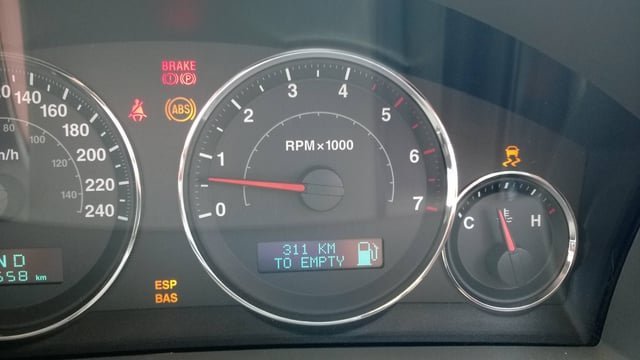
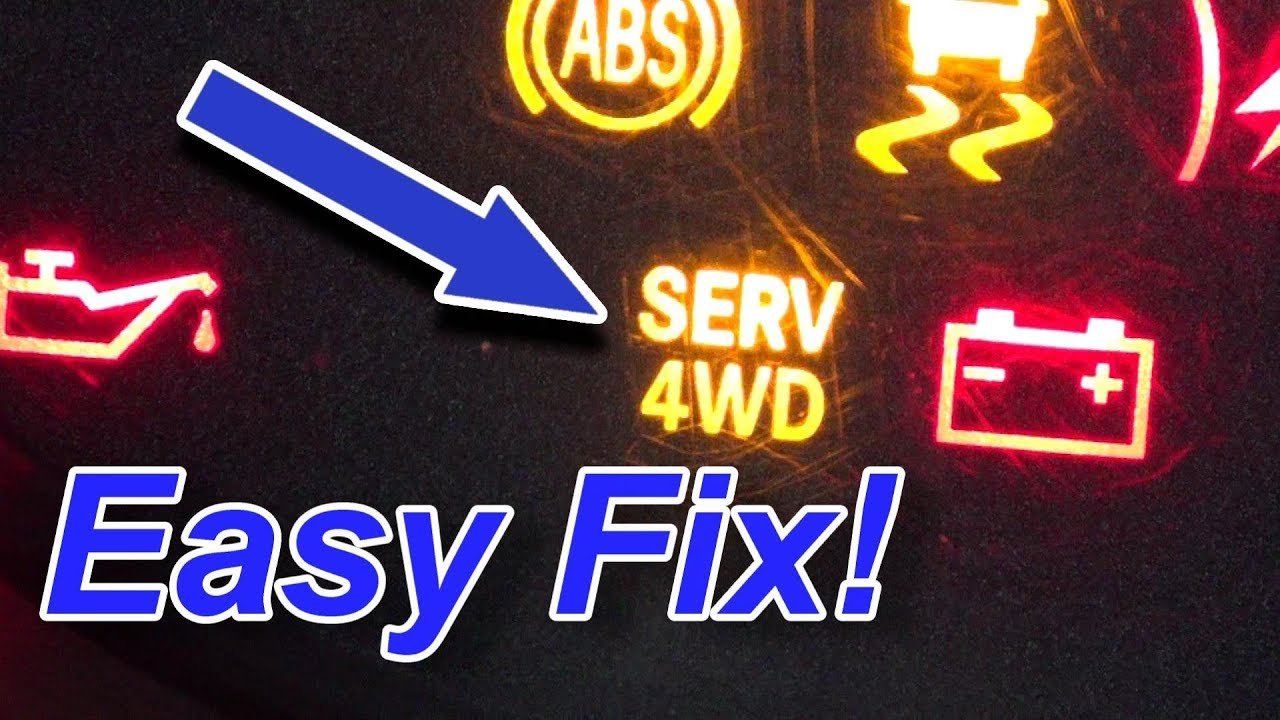
Have you ever noticed the “Serv 4WD” light glowing on your Jeep’s dashboard and wondered what it means? That little warning can feel confusing or even a bit alarming when you’re behind the wheel.
Understanding what this light signals is key to keeping your Jeep running smoothly and avoiding costly repairs. You’ll discover exactly what triggers the Serv 4WD light, why it matters, and what steps you should take next.
Keep reading to stay in control and protect your Jeep’s performance.
Serv 4wd Light Basics
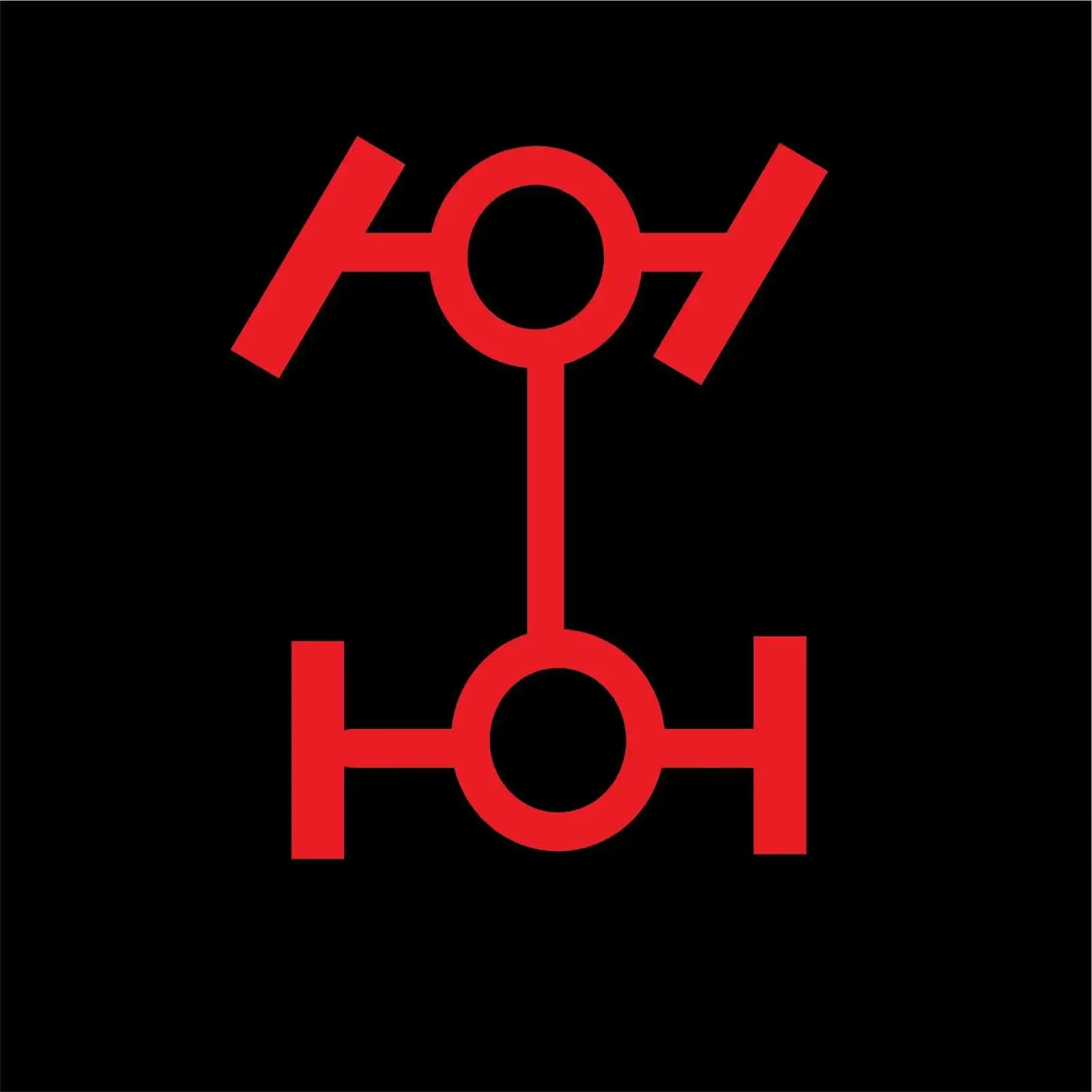
The Serv 4WD light on your Jeep shows a problem with the four-wheel-drive system. This warning light helps you know when the system needs attention. It keeps the vehicle safe and working well.
Knowing why this light comes on helps you decide what to do next. It also stops small issues from turning into big repairs. Let’s break down the main causes and signs of this warning light.
What Triggers The Light
The Serv 4WD light turns on when the system senses a fault. This can happen if there is an electrical issue or a mechanical problem. Sometimes, low fluid levels in the transfer case trigger the light. Faulty sensors or wiring problems can cause it too. The light may also come on if the 4WD system fails to engage properly.
Common Symptoms
You might notice the 4WD system not working right. The vehicle could stay stuck in 2WD or 4WD mode. The light may flash or stay solid on the dashboard. Sometimes, you hear strange noises when using 4WD. The Jeep might pull to one side or feel harder to steer. These signs mean the system needs a check from a mechanic.
Credit: www.youtube.com
Jeep 4wd System Components
The Jeep 4WD system has key parts that work together to give power to all wheels. These parts help your Jeep handle rough roads and slippery surfaces. Understanding these parts explains why the “Serv 4WD” light may appear on your dashboard.
Each component plays a role in controlling power and traction. Knowing them helps with Jeep maintenance and troubleshooting.
Transfer Case
The transfer case sends power from the engine to the front and rear wheels. It controls if the Jeep uses two-wheel drive or four-wheel drive. The transfer case can shift gears to match driving conditions. It is the heart of the 4WD system.
Front And Rear Differentials
Differentials let wheels spin at different speeds. This helps the Jeep turn smoothly on roads. The front and rear differentials balance power between wheels on each axle. They keep traction and stability on uneven surfaces.
Actuators And Sensors
Actuators move parts inside the 4WD system. Sensors check how the system works and send data to the Jeep’s computer. They detect problems like slipping or mechanical faults. These parts help the system adjust and warn drivers with the “Serv 4WD” light.
Diagnosing Serv 4wd Light Issues
The Serv 4WD light on your Jeep means there is a problem with the four-wheel-drive system. Diagnosing the issue quickly helps avoid more damage. You can check the problem yourself with some simple steps. These steps include using an OBD-II scanner, doing visual inspections, and test driving the vehicle carefully.
Using Obd-ii Scanner
Start by connecting an OBD-II scanner to your Jeep. This tool reads error codes from the vehicle’s computer. The codes tell you what part of the 4WD system has a problem. Some scanners show simple messages anyone can understand. This step saves time and points directly to the issue.
Visual Inspections
Look under the Jeep for broken or loose parts. Check the wiring near the transfer case and differentials. Look for damaged sensors or disconnected plugs. Dirt and rust can also cause problems. Clean the parts and make sure all connections are tight. Visual checks can catch simple faults early.
Test Driving Tips
Drive your Jeep slowly on a safe road. Listen for strange noises like grinding or clicking. Notice if the 4WD system fails to engage or disengage. Try switching between 2WD and 4WD modes. Watch the dashboard for changes in the Serv 4WD light. Test driving helps confirm the problem’s location.
Frequent Causes Of The Warning
The “Serv 4WD” light on your Jeep signals an issue with the four-wheel-drive system. This warning often means the system is not working as it should. Understanding common causes helps you know what might need fixing. Some problems are simple to spot. Others may require a mechanic’s help.
Faulty Actuator
The actuator moves parts in the 4WD system. When it fails, the system cannot switch modes. This causes the warning light to turn on. Dirt, wear, or damage often breaks the actuator. Replacing it usually solves the problem.
Electrical Problems
Wiring and connectors link the 4WD parts. Bad connections or broken wires stop signals. The system then stops working correctly. Corrosion or loose plugs cause these electrical issues. Checking and fixing wiring can clear the warning light.
Low Fluid Levels
Fluids lubricate and cool the 4WD components. Low fluid levels lead to poor performance and damage. This triggers the “Serv 4WD” light. Leaks or lack of maintenance cause fluid loss. Regular checks keep fluid at the right level.
Sensor Malfunctions
Sensors monitor the 4WD system’s status. Faulty sensors send wrong information. The system reacts by showing the warning light. Dirt, water, or age can harm sensors. Cleaning or replacing sensors fixes this cause.
Quick Fixes To Try
The SERV 4WD light on your Jeep can be worrying. It means the four-wheel drive system needs attention. Many issues are simple and can be fixed quickly. Try these easy steps before visiting a mechanic. These quick fixes often solve the problem and turn off the warning light.
Resetting The System
Turn off the Jeep and wait a few minutes. Restart the engine and check if the light stays on. Sometimes, the system resets itself after a restart. You can also disconnect the battery for a few minutes. Reconnect it and start the Jeep again. This resets the vehicle’s computer and clears errors.
Checking And Refilling Fluids
Low fluid levels can cause the SERV 4WD light. Check the transfer case fluid first. Use the Jeep’s manual to find the right type. Look for leaks or dirty fluid. Refill or replace the fluid if needed. Correct fluid levels help the 4WD system work well.
Inspecting Wiring And Connections
Wiring problems often trigger the SERV 4WD light. Check wires near the transfer case and axles. Look for loose or damaged connectors. Clean any dirt or corrosion on the connections. Secure loose wires to restore good contact. Fixing wiring issues can stop the warning light.

Credit: www.wranglerforum.com
When To Seek Professional Help
The SERV 4WD light on your Jeep is a sign that something needs attention. Sometimes, you can fix small issues yourself. Other times, the problem needs expert care. Knowing when to seek professional help keeps your Jeep safe and working well.
Persistent Warning Lights
If the SERV 4WD light stays on after restarting, it signals a deeper issue. Ignoring this can cause more damage. A professional mechanic can diagnose the problem accurately. They use special tools to find the exact cause.
Complex Repairs
Some 4WD problems require detailed knowledge and tools. Issues with the transfer case or sensors are not easy to fix. Professionals have experience with Jeep systems. They ensure repairs are done correctly and quickly.
Safety Considerations
The 4WD system helps control your Jeep on rough roads. A malfunction can affect driving safety. Faulty 4WD may cause slipping or loss of control. Getting expert help protects you and others on the road.
Preventive Maintenance Tips
Preventive maintenance helps keep your Jeep’s 4WD system working well. It reduces the chance of the SERV 4WD light coming on. Small checks and care save time and money later. This section covers key tips to protect your 4WD system.
Regular System Checks
Check the 4WD system often for signs of wear or damage. Look for unusual noises or difficulty switching modes. Have a mechanic inspect the transfer case and differentials yearly. Early detection prevents bigger problems and costly repairs.
Proper Fluid Maintenance
Keep the 4WD fluids clean and at the right level. Change transfer case and differential fluids as the manual suggests. Dirty fluids cause parts to wear faster and may trigger the SERV 4WD light. Use the fluids recommended by Jeep for best results.
Driving Habits To Protect 4wd
Drive gently on rough or slippery roads. Avoid sudden turns or heavy braking while in 4WD. Do not use 4WD on dry pavement for long periods. These habits reduce stress on the system and extend its life.
Credit: www.greasepro.com
<!– wp:rank-math/faq-block {"questions":[{"id":"faq-question-7863c512c561","title":"What Does The Serv 4wd Light Indicate On A Jeep?","content":"The Serv 4WD light means there is a problem with the four-wheel-drive system. It signals that the system needs inspection or repair. Ignoring it can affect Jeep’s traction and stability. Prompt diagnosis helps avoid costly damage and ensures safe driving.
“,”visible”:true},{“id”:”faq-question-1c1a2a6726d4″,”title”:”How To Reset The Serv 4wd Light On Jeep?”,”content”:”To reset the Serv 4WD light, first turn off the engine. Disconnect the battery for about 15 minutes to reset the system. Reconnect the battery and start the Jeep. If the light remains, professional diagnosis is necessary to fix underlying issues.
“,”visible”:true},{“id”:”faq-question-70e19affed17″,”title”:”Can I Drive Safely With The Serv 4wd Light On?”,”content”:”Driving with the Serv 4WD light on is risky. The four-wheel-drive system might not function properly, affecting traction. It’s best to avoid off-road or slippery conditions. Get the system checked immediately to maintain vehicle safety and performance.
“,”visible”:true},{“id”:”faq-question-c9c53aa0d864″,”title”:”What Common Issues Cause The Serv 4wd Light?”,”content”:”Common causes include faulty sensors, low transfer case fluid, or electrical problems. Sometimes, worn out parts in the 4WD system trigger the warning light. Regular maintenance and inspections can prevent these issues and keep the 4WD system working smoothly.
“,”visible”:true}]} –>What Does The Serv 4wd Light Indicate On A Jeep?
The Serv 4WD light means there is a problem with the four-wheel-drive system. It signals that the system needs inspection or repair. Ignoring it can affect Jeep’s traction and stability. Prompt diagnosis helps avoid costly damage and ensures safe driving.
How To Reset The Serv 4wd Light On Jeep?
To reset the Serv 4WD light, first turn off the engine. Disconnect the battery for about 15 minutes to reset the system. Reconnect the battery and start the Jeep. If the light remains, professional diagnosis is necessary to fix underlying issues.
Can I Drive Safely With The Serv 4wd Light On?
Driving with the Serv 4WD light on is risky. The four-wheel-drive system might not function properly, affecting traction. It’s best to avoid off-road or slippery conditions. Get the system checked immediately to maintain vehicle safety and performance.
What Common Issues Cause The Serv 4wd Light?
Common causes include faulty sensors, low transfer case fluid, or electrical problems. Sometimes, worn out parts in the 4WD system trigger the warning light. Regular maintenance and inspections can prevent these issues and keep the 4WD system working smoothly.
Conclusion
The Serv 4WD light on your Jeep signals a problem in the four-wheel drive system. It warns you to check the system soon to avoid bigger issues.
Driving with this light on can reduce your vehicle’s performance. Getting a quick inspection helps keep your Jeep safe and working well.
Remember, regular maintenance stops many problems before they start. Stay alert to your Jeep’s signals to enjoy smooth, safe rides every time.