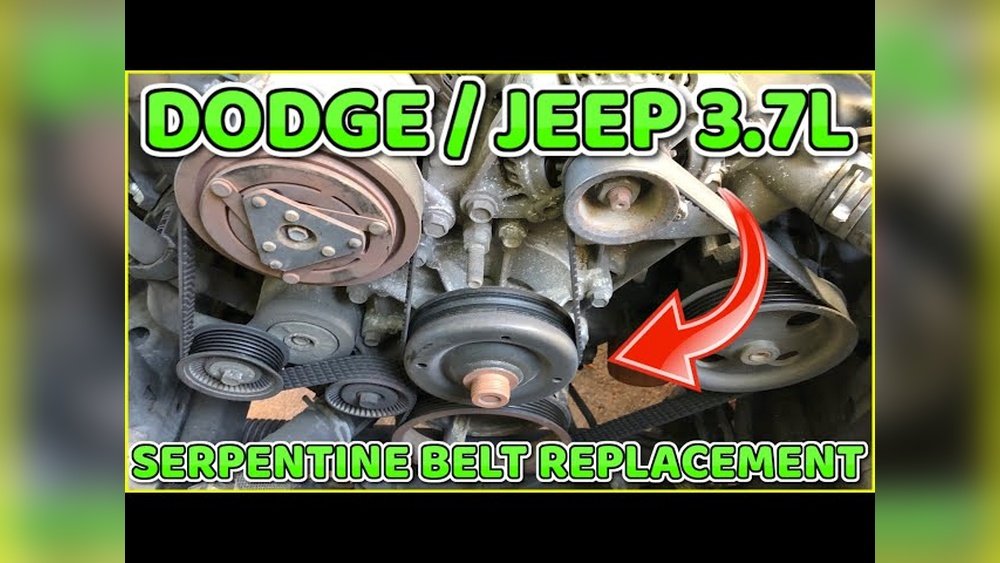
Ensuring your 2011 Jeep Grand Cherokee 5. 7L engine runs smoothly relies heavily on the serpentine belt, also known as the accessory drive belt.
This single, continuous belt powers crucial components like the alternator, power steering pump, air conditioning compressor, and water pump. A properly functioning belt system is vital for your vehicle's overall performance and longevity.
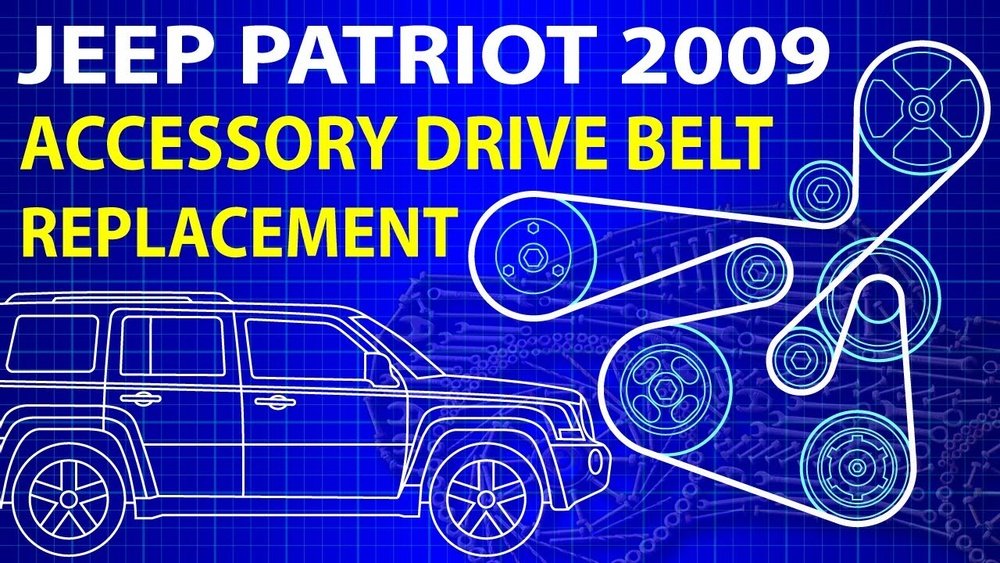
Understanding the serpentine belt diagram for your specific model is essential for maintenance, troubleshooting, and replacement.

The 2011 Jeep Grand Cherokee with the 5. 7L HEMI V8 engine utilizes a specific belt routing that must be followed precisely.
Any deviation can lead to component malfunction, premature belt wear, or even catastrophic engine damage. This guide will break down the serpentine belt system, explain the diagram, and offer practical advice for keeping your Jeep's accessories in top working order.
We will explore the path the belt takes, the components it drives, and what to look for to ensure optimal performance.
Understanding The Serpentine Belt System
The serpentine belt is a marvel of modern automotive engineering. Unlike older vehicles that used multiple V-belts, the serpentine belt is a single, multi-ribbed belt that snakes around various pulleys, driving multiple accessories from a single source, the crankshaft.
This design is more efficient, reduces weight, and simplifies maintenance.
The belt itself is typically made of durable rubber compounds designed to withstand heat, tension, and constant flexing. Its ribbed surface grips the pulleys, preventing slippage and ensuring power is transferred effectively.
The tension of the serpentine belt is maintained by an automatic belt tensioner. This component, usually spring-loaded or hydraulic, applies constant pressure to the belt, ensuring it stays taut and grips the pulleys properly.
Over time, tensioners can weaken, and belts can stretch or wear out, leading to noise, slipping, or failure.
Regular inspection of both the belt and the tensioner is a key part of preventative maintenance.
The 2011 Jeep Grand Cherokee 5.7l Serpentine Belt Diagram Explained
Locating the correct belt diagram for your 2011 Jeep Grand Cherokee 5. 7L is the first step.
While the general principle of serpentine belts is the same across many vehicles, the exact routing can vary significantly. The diagram shows the path the belt takes around each pulley.
It’s crucial to have this visual guide when replacing the belt or diagnosing issues.
The diagram illustrates how the belt wraps around the crankshaft pulley (driven by the engine’s rotation), then typically proceeds to the alternator pulley, followed by the power steering pump pulley, the air conditioning compressor pulley, and the water pump pulley. The belt then loops back to the tensioner pulley before returning to the crankshaft pulley, completing the circuit.
Key Components Driven By The Serpentine Belt
Each component powered by the serpentine belt plays a vital role in your Jeep’s operation. Understanding their function helps in appreciating the importance of the belt system.
- Alternator: This is responsible for generating electrical power to charge the battery and run the vehicle’s electrical systems while the engine is running. A failing alternator, or a slipping belt driving it, will result in a dead battery and electrical issues.
- Power Steering Pump: This hydraulic pump assists in steering, making it easier to turn the wheels, especially at low speeds. If the belt driving the power steering pump is loose or broken, steering will become very difficult.
- Air Conditioning (A/C) Compressor: This component circulates refrigerant to cool the cabin. While not essential for driving, a functioning A/C system is a comfort feature many drivers rely on.
- Water Pump: This circulates coolant through the engine and radiator, preventing the engine from overheating. A failed water pump, due to a broken belt or its own mechanical failure, can quickly lead to severe engine damage from overheating.
Reading The Belt Routing Diagram
A typical serpentine belt diagram will feature symbols or labels for each pulley. Arrows often indicate the direction of belt travel.
When you are under the hood, you can compare the physical layout of the pulleys to the diagram.
Pro Tip: It is highly recommended to take a clear photograph of your existing serpentine belt routing before you begin any removal process. This visual reference can be invaluable, especially if you are working in a less-than-ideal lighting situation or if you get interrupted.
Where To Find The Diagram
You can usually find the serpentine belt diagram in a few key places:
- Under the Hood: Many manufacturers place a sticker with the belt diagram on the radiator support, the underside of the hood, or near the belt-driven accessories themselves. This is the most convenient location for quick reference.
- Owner’s Manual: Your Jeep’s owner’s manual is a comprehensive resource and should contain a diagram or description of the serpentine belt routing.
- Service Manual: For more detailed information, a vehicle-specific service manual (often available online or in print) will provide detailed diagrams and replacement procedures.
- Online Resources: Reputable automotive forums and parts websites often host diagrams and user-submitted photos for specific vehicle models.

Serpentine Belt Maintenance And Inspection
Regularly inspecting your serpentine belt is crucial for preventing unexpected breakdowns. The belt is subject to wear and tear from heat, friction, and the tension applied by the tensioner.
Visual Inspection Checklist
When you inspect the belt, look for the following signs of wear and damage:
- Cracks: Small cracks on the ribbed side or the back of the belt are common as the belt ages. Deep or numerous cracks indicate the belt needs replacement.
- Fraying or Shredding: If the edges of the belt appear worn or if threads are showing, it’s a sign of excessive wear or misalignment.
- Glazing: A shiny, smooth appearance on the ribbed side of the belt suggests it has hardened and lost its grip, leading to slippage.
- Contamination: Oil or coolant leaks can degrade the rubber of the belt, causing it to swell or break down prematurely. If you notice contamination, you must also address the source of the leak.
- Missing Ribs: If any of the ribs on the belt are missing or damaged, it will significantly reduce its effectiveness and can cause noise and slippage.
Checking Belt Tension
A properly tensioned belt should not deflect excessively when pressed. While a precise measurement requires a tension gauge, a general check can be done by hand.
With the engine off, press firmly on the longest accessible span of the belt.
It should feel tight, with minimal give (typically no more than about half an inch of deflection). If the belt feels loose, the tensioner might be failing, or the belt has stretched beyond its usable life.
Frequency Of Inspection
It’s good practice to inspect your serpentine belt at least twice a year or every oil change. More frequent checks are advisable if you frequently drive in extreme conditions (very hot or cold weather, heavy towing).
Serpentine Belt Replacement Procedure
Replacing a serpentine belt is a common DIY task, but it requires careful attention to detail. Always ensure the engine is off and cool before starting.
Tools And Materials Needed
- New Serpentine Belt: Ensure you have the correct belt for your 2011 Jeep Grand Cherokee 5.7L.
- Serpentine Belt Tool or Breaker Bar with Socket: This is used to release the tension on the belt tensioner. The socket size may vary, but a common size for tensioners is 15mm or 19mm.
- Gloves: To protect your hands.
- Safety Glasses: To protect your eyes.
- Diagram: Your reference for correct routing.
Step-by-step Replacement Guide
- Locate the Belt Tensioner: Identify the automatic belt tensioner. It’s typically a pulley mounted on a spring-loaded arm.
- Release Belt Tension: Attach the serpentine belt tool or a breaker bar with the appropriate socket to the designated hex head on the tensioner arm. Apply steady pressure to rotate the tensioner, which will release the tension on the belt.
- Remove the Old Belt: While holding the tensioner released, carefully slip the old belt off one of the pulleys, usually the alternator or power steering pulley, as these are often the most accessible. Once the belt is off one pulley, you can slowly release the tensioner.
- Route the New Belt: Refer to your serpentine belt diagram. Carefully route the new belt around all the pulleys except for one. It’s usually easiest to leave the belt off the last pulley you plan to route it onto.
- Apply Tension and Install: Use the serpentine belt tool again to rotate the tensioner, releasing tension. Slip the belt onto the final pulley. Ensure the belt is seated correctly in the grooves of all pulleys.
- Final Check: Once the belt is fully installed, slowly release the tensioner. Double-check that the belt is properly seated on all pulleys and that it follows the correct routing according to the diagram.
- Start the Engine: Start the engine briefly and listen for any unusual noises. Check that all accessories are functioning correctly. Turn off the engine and perform one final visual inspection of the belt’s seating on all pulleys.
Warning: Never try to force a belt onto pulleys without releasing the tensioner. This can damage the new belt or the pulleys. Always ensure the new belt is the correct part number and type for your vehicle.

Common Serpentine Belt Issues And Troubleshooting
Even with regular maintenance, you might encounter issues with your serpentine belt system. Knowing how to diagnose common problems can save you time and money.
Squealing Noise
A common symptom of a failing serpentine belt is a high-pitched squealing noise, especially on startup or when accelerating. This is often caused by:
- Loose Belt: The belt is not tight enough, causing it to slip on the pulleys. This could be due to a worn tensioner or a stretched belt.
- Worn Belt: The belt’s ribs have become glazed or worn, reducing grip.
- Misaligned Pulley: One or more pulleys may not be perfectly aligned, causing the belt to run at an angle and slip.
- Contamination: Oil or coolant on the belt can cause it to slip and squeal.
Grinding Or Chirping Sounds
These noises can sometimes indicate issues with the belt tensioner or one of the accessory pulleys (like the alternator or power steering pump). A worn bearing in one of these components can cause friction and noise that may be mistaken for belt noise. If the belt itself appears to be in good condition, investigate the pulleys and tensioner for signs of wear or damage.
Components Not Working
If you notice that your power steering is heavy, your A/C isn’t blowing cold, or your battery warning light is on, the serpentine belt is a prime suspect.
- Broken Belt: The most obvious cause is a completely broken belt. This will immediately stop all accessories driven by the belt.
- Slipping Belt: Even if the belt is intact, severe slippage can prevent accessories from receiving enough power to operate correctly.
Belt Misalignment
A serpentine belt that is not running straight on its pulleys is a serious issue. This often indicates a bent pulley, a misaligned accessory, or a faulty tensioner arm.
If left unaddressed, it can cause rapid belt wear and potentially throw the belt off entirely.
Factors Affecting Belt Lifespan
Several factors influence how long your serpentine belt will last. Understanding these can help you anticipate replacement needs.
Age And Mileage
Most serpentine belts are designed to last between 50,000 and 100,000 miles, but this is a general guideline. Actual lifespan depends heavily on the other factors listed here.
Environmental Conditions
- Heat: Higher under-hood temperatures accelerate the aging process of rubber components. Frequent driving in very hot climates or prolonged idling in traffic can reduce belt life.
- Cold: Extreme cold can make the rubber brittle, increasing the risk of cracking.
- Moisture and Debris: Exposure to water, salt, mud, and road debris can degrade the belt and its components.
Driving Habits
- Aggressive Driving: Frequent hard acceleration and deceleration can put extra stress on the belt.
- Towing: Heavy towing increases the load on the engine and accessories, which can shorten belt life.
Leaks From Other Components
As mentioned, leaks of engine oil, coolant, or power steering fluid can contaminate the serpentine belt. This contamination breaks down the rubber, leading to premature failure. It’s essential to address any fluid leaks promptly, not just for the belt’s sake, but for the overall health of your engine.

Comparing Belt Materials And Types
While most modern serpentine belts are made from EPDM (ethylene propylene diene monomer) rubber, which offers good resistance to heat and cracking, there are variations.
- EPDM Belts: These are the standard for most passenger vehicles due to their durability and cost-effectiveness. They offer a good balance of flexibility and heat resistance.
- CR (Chloroprene Rubber) Belts: Also known as Neoprene, these offer good oil resistance but may not perform as well in extreme heat compared to EPDM.
- OE vs. Aftermarket: Original Equipment (OE) belts are made to the manufacturer’s specifications. Aftermarket belts can vary in quality. Choosing a reputable brand for replacement is important.
The Role Of The Belt Tensioner
The automatic belt tensioner is a critical part of the serpentine system. It ensures constant pressure on the belt, compensating for belt stretch and pulley variations.
- Spring-Type Tensioners: These use a strong spring to maintain tension. They are common and generally reliable.
- Hydraulic Tensioners: These use a hydraulic damper to provide smoother, more consistent tension, especially under fluctuating engine speeds.
A worn or failing tensioner can cause the belt to slip, make noise, or even come off. Signs of a bad tensioner include:
- Excessive movement: The tensioner arm wobbles or bounces excessively when the engine is running.
- Stiff operation: The tensioner is difficult to move when releasing the belt.
- Visible damage: Cracks or wear on the tensioner pulley or arm.
When To Seek Professional Help
While serpentine belt replacement is often a manageable DIY job, there are situations where professional assistance is recommended:
- Unfamiliarity with the process: If you are not comfortable working on your vehicle, it’s best to leave it to the experts.
- Difficulty accessing components: Some vehicles have tightly packed engine bays, making access to the tensioner and belt difficult.
- Suspected pulley or accessory issues: If you suspect a problem with one of the pulleys or the accessories themselves (e.g., a seized alternator), a mechanic has the tools and expertise to diagnose and repair these issues.
- Lack of proper tools: Using the wrong tools can damage parts or lead to an unsafe installation.