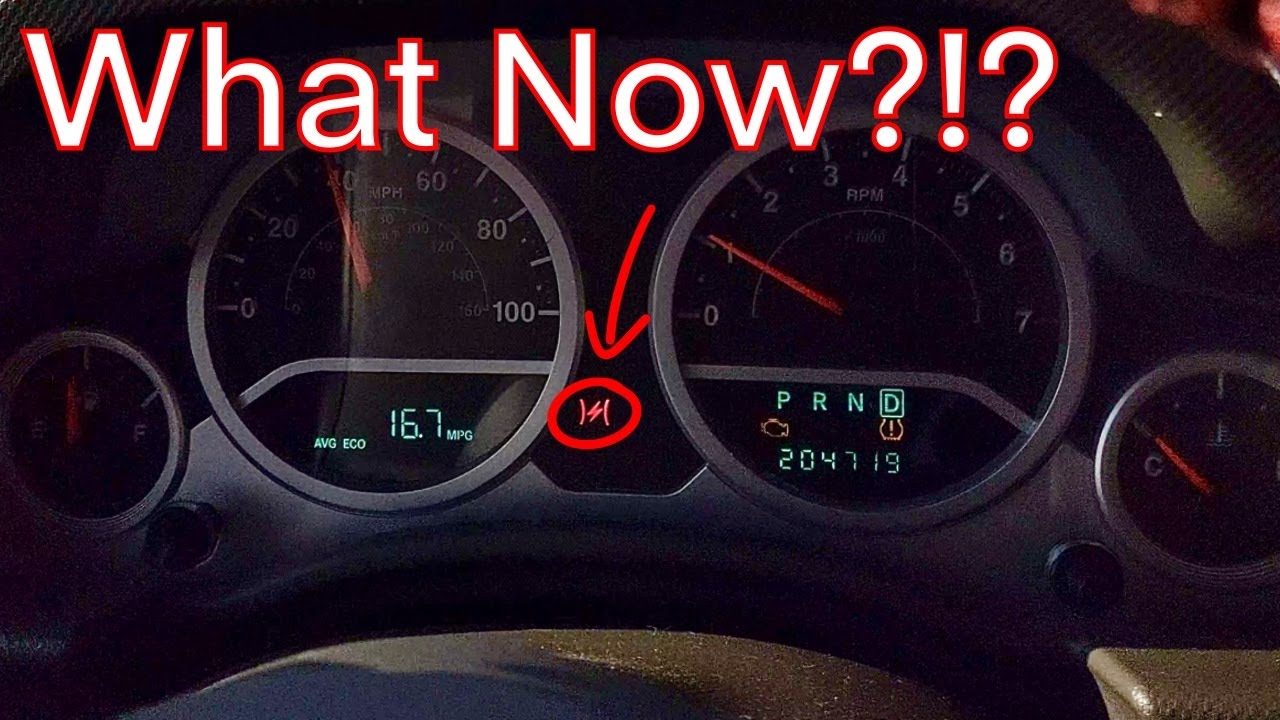
When the electronic throttle control (ETC) warning light appears on your Jeep’s dashboard, it can be stressful, especially if you’re far from a mechanic. This light means your Jeep’s throttle system isn’t working as it should.
The ETC system controls how your engine gets air and responds when you step on the gas pedal. In recent Jeep models, there’s no physical cable between the pedal and engine. Instead, everything is controlled electronically.
Understanding how to fix ETC issues can save you time, money, and frustration. This guide explains why the ETC light comes on, how to diagnose the problem, and steps you can take to fix it yourself or with a mechanic.

What Is Jeep Electronic Throttle Control?
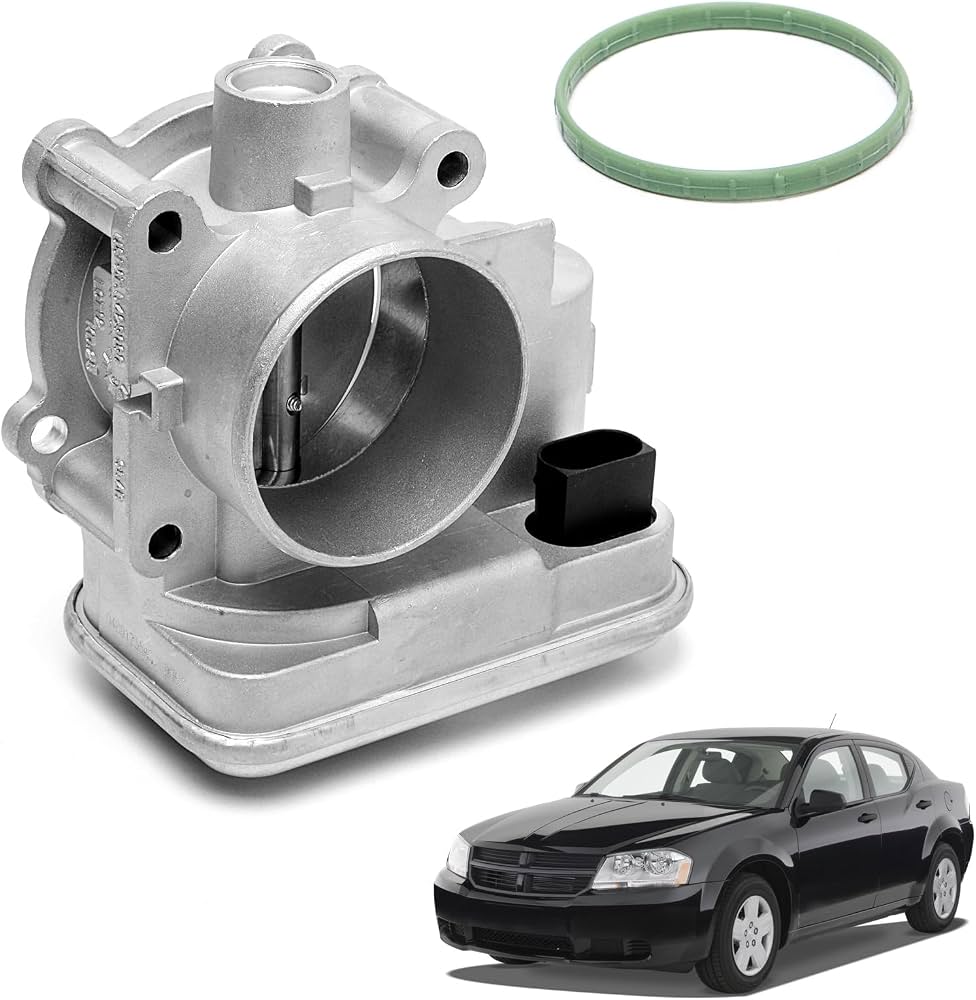
The electronic throttle control system in Jeep vehicles replaces the traditional mechanical linkage with sensors and an electric motor. When you press the gas pedal, sensors send signals to the engine’s throttle body, which decides how much air to let in.
This system allows for better fuel efficiency, smoother acceleration, and advanced features like traction control.
However, if any part of this system fails, the ETC warning light will activate, and your Jeep may enter “limp mode”. In this mode, the engine power is reduced to prevent further damage.
Common Causes of ETC Issues
Several problems can trigger the ETC warning light in your Jeep:
Faulty throttle body: Dirt, grime, or wear can cause the throttle body to stick or malfunction.
Bad sensors: The accelerator pedal or throttle position sensors can fail or send incorrect readings.
Wiring or connector problems: Loose or damaged wires disrupt communication between components.
Software glitches: The vehicle’s computer may need an update or reset.
Battery or alternator issues: Low voltage can affect the ETC system’s function.
Here’s A Quick Comparison Of Causes And Their Typical Symptoms:
Cause | Symptom | Difficulty to Fix |
|---|---|---|
Throttle body | Rough idle, stalling | Moderate |
Sensors | No acceleration, warning light | Easy to Moderate |
Wiring | Intermittent issues | Moderate |
Software | Random limp mode | Easy |
Battery/Alternator | Multiple warning lights | Easy |
How To Diagnose ETC Problems
To fix the ETC, you must first find the cause. Here’s how:
Read the error codes: Use an OBD-II scanner to check for trouble codes. Most auto stores will scan your Jeep for free.
Inspect the throttle body: Open the hood and look for dirt or carbon build-up around the throttle plate.
Check connectors and wiring: Look for loose or corroded connectors near the throttle body and pedal.
Test the battery: A weak or dying battery can cause ETC errors.
Try a reset: Sometimes, disconnecting the battery for 10-15 minutes can reset the ETC system.
A common mistake: Many owners replace the entire throttle body without checking connectors or cleaning the part. This can be a waste of money if the problem is just dirt or a loose wire.
Step-by-step Jeep ETC Fix
If you want to try fixing the problem yourself, start with these steps:
1. Clean The Throttle Body
Disconnect the negative battery cable.
Remove the air intake hose from the throttle body.
Use a throttle body cleaner and a soft brush or cloth to remove dirt.
Reconnect everything and start your engine.
Many Jeep owners see the ETC light disappear after a thorough cleaning.
2. Check And Secure Connections
Inspect the throttle position sensor and accelerator pedal sensor connectors.
Ensure all wiring is tight and free of corrosion.
Spray electrical contact cleaner if needed.
3. Reset the ETC System
Disconnect the battery for at least 10 minutes.
Reconnect, then turn the key to “on” (but don’t start).
Slowly press and release the gas pedal three times.
Start the engine to see if the warning light is gone.
4. Replace Faulty Parts
If the above steps don’t help and your OBD-II scanner shows a sensor or throttle body error:
Buy a quality replacement part (OEM preferred).
Follow your Jeep’s repair manual for exact instructions.
Clear any error codes after installation.
5. Update Or Reflash the ECU
Sometimes, a dealer or auto shop must update the Jeep’s computer software. This step is usually quick and can fix random ETC errors.
https://www.youtube.com/watch?v=Ym7MFXb9U_gWhen To See A Mechanic
If you’ve tried basic fixes and the ETC light remains, visit a mechanic. Professional diagnostic tools can find deeper problems, such as internal throttle body failures or complex wiring faults.
Driving with the ETC warning for too long can damage your engine or cause sudden power loss.
Here’s A Comparison Of DIY And Professional Repair:
Fix Method | Cost Estimate | Success Rate |
|---|---|---|
Cleaning/Reset | $0-$20 | High |
Part Replacement | $60-$300 | High |
Dealer Reflash | $80-$150 | Medium |
Full Diagnostic | $100-$200 | Very High |
Preventing Future Etc Problems
Simple Habits Can Help Avoid ETC Issues:
Use quality fuel and change your air filter regularly.
Clean the throttle body every 30,000 miles.
Keep battery terminals clean and tight.
Never ignore warning lights—early fixes prevent bigger problems.
One insight many owners miss: Aftermarket air intakes or throttle spacers can sometimes trigger ETC errors if not installed properly.
How Do I Reset The Jeep Electronic Throttle Control Light?
Disconnect the battery for 10-15 minutes. Reconnect, turn the key to “on” (not start), slowly press and release the gas pedal three times, then start the engine.
Can I Drive My Jeep With The ETC Light On?
It’s possible but risky. Your Jeep may enter limp mode with reduced power.
Prolonged driving can cause engine damage. Get the problem checked soon.
What Causes The Jeep ETC Light To Flash?
A flashing ETC light usually means a severe issue, like a failing throttle body or sensor. Stop driving and diagnose the problem immediately.
How Much Does It Cost To Fix Jeep Electronic Throttle Control?
DIY cleaning or reset may cost nothing. Professional repairs range from $60 for sensors to $300 or more for throttle body replacement.
Will A Bad Battery Cause ETC Problems?
Yes, low voltage from a weak or bad battery can trigger ETC warnings. Check and replace your battery if it’s old or not holding charge.
Final Thoughts
The Jeep electronic throttle control system is reliable, but errors can happen with age, dirt, or sensor failure. Many issues can be fixed at home with basic tools and careful inspection.
Always start with simple steps like cleaning and checking connections before replacing parts. If the ETC light stays on, don’t delay professional help; your Jeep’s performance and safety depend on it.
For more details on how electronic throttle systems work, see the Drive by Wire entry on Wikipedia.