Grand Cherokee 4WD controls vary with the fitted system. Read the selector and owner manual before using a drive mode or looking for low range.
Quick Answer
Grand Cherokee four-wheel-drive behavior depends on the fitted system. Some versions manage traction automatically, while others add selectable terrain modes or low range.
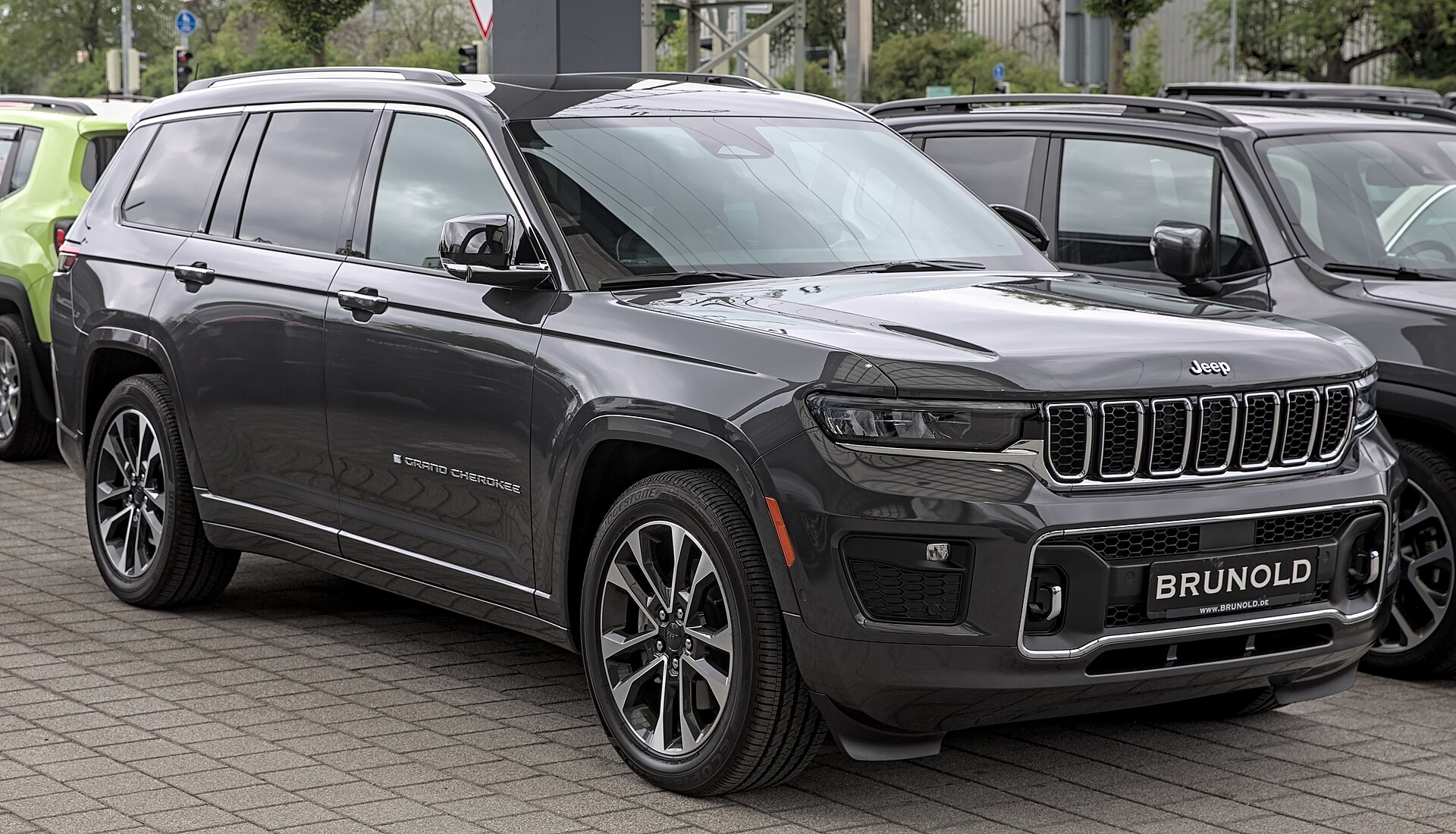
Use the owner’s manual for the exact SUV before choosing a mode.
Identify the Fitted System
Do not assume every Grand Cherokee has the same transfer-case controls. Trim, year and drivetrain matter.
Use the Selector for the Surface
Terrain modes adjust vehicle behavior for specific conditions. They do not replace suitable tires or safe speed.
Know When Low Range Applies
When equipped, low range is for slow controlled movement in demanding conditions, not normal road driving.
Identify the Fitted Grand Cherokee System
Grand Cherokee drivetrains vary by year and equipment. Read the selector labels and matching manual instead of assuming every model has the same 4WD controls.
Use Low Range Only When Equipped and Needed
Low range supports slow controlled movement in demanding conditions. It is not a highway mode. Follow the manual for the exact vehicle.
Read the Selector Labels Before Moving
Grand Cherokee 4WD systems vary. Identify the fitted selector, read the manual and understand which modes are available before driving into poor conditions.
Low Range Is a Slow-Control Tool
When equipped, low range supports demanding low-speed situations. It is not intended for normal highway driving.
Tires Still Matter in Snow
Drive modes cannot replace suitable tires and careful speed. Inspect tread and pressure before relying on electronic settings.
Read the Selector Labels First
Grand Cherokee four-wheel-drive systems vary. Photograph the controls and read the matching manual.
A dial, button or terrain selector should be used according to the fitted system, not a video for another trim.
Use Terrain Modes for the Surface
Selec-Terrain settings, when equipped, change vehicle behavior for conditions such as snow, sand or mud. Select a mode that matches the surface and return to normal settings when the condition ends.
Low Range Is for Slow Work
Low range, when equipped, supports slow controlled movement in demanding conditions. It is not a highway setting.
Follow the manual for speed and shift instructions.
Key Details to Check
| Item | What to verify | Why it matters |
|---|---|---|
| Vehicle detail | Year, trim and drivetrain | Identifies the correct system |
| Control | Selector, button or switch | Shows which modes are available |
| Surface | Snow, sand, mud, rock or normal road | Determines whether a mode is appropriate |
| Warning | Flashing indicator or message | May show incomplete engagement or a fault |
Tires Still Decide Grip
Drive modes do not repair worn tires. Inspect tread and pressure before winter or trail use. Leave more stopping distance on slippery roads.
Stop When the System Does Not Respond Normally
A flashing indicator, warning message or failure to complete a shift needs diagnosis. Do not keep forcing controls or assume the system engaged.
Use the Manual Before a Weather Event
Read the drive-mode section before snow, mud or a trip. Knowing the selector in advance is safer than experimenting while visibility and traction are poor.
Check for Warning Messages
If the selected mode does not engage, an indicator flashes or a warning stays active, stop and review the manual. A fault needs diagnosis rather than repeated button presses.
Return to the Normal Setting
When the special surface ends, return to the normal road setting according to the manual. This keeps the system matched to the conditions under the tires.
Practice Mode Selection While Parked
Before a trip, sit in the Grand Cherokee and locate each control. Read the manual section and note which settings appear on the display. Familiarity reduces distraction when conditions deteriorate.
Inspect Tires Before Blaming Electronics
Uneven pressure, worn tread or mismatched tires may change how the vehicle feels. Correct basic tire issues before concluding that a terrain mode or 4WD system is at fault.
Know When to Request Diagnosis
If the Grand Cherokee refuses a mode change, shows a drivetrain warning or behaves differently after selection, stop using the feature and arrange inspection. A clear photo of the display helps explain the fault.
Keep the Manual in the Vehicle
Store the relevant quick guide or manual link where it is easy to reach. Drive-mode questions often arise during poor weather, when searching through random videos is the wrong approach.
Save a Photo of the Controls
A quick photo of the selector and display helps when reading the manual or explaining a problem to a technician. It also prevents instructions for another trim from being applied accidentally.
Avoid Distraction While Driving
Choose modes before the difficult section when possible. Pull over safely when the manual or warning message needs closer attention.
Step-by-Step Review
- Read the exact owner-manual section.
- Identify the available selector positions.
- Choose a safe surface and low speed.
- Confirm the dashboard indicator.
- Return to normal mode when conditions improve.
Common Mistakes to Avoid
- Treating 4WD as a substitute for braking grip
- Selecting low range for highway driving
- Forcing a control when engagement is incomplete
Frequently Asked Questions
Do all Grand Cherokees have selectable 4WD modes?
No. Equipment varies by drivetrain and trim.
Can I use low range on dry pavement?
Do not use low range for normal dry-road driving.
Why is the indicator flashing?
The shift may be incomplete or a fault may need diagnosis.
- 2014 Jeep Grand Cherokee Service Four Wheel Drive System
- Service 4wd And Traction Control Light On Jeep Grand Cherokee
- Best Exhaust System For Jeep Grand Cherokee
Final Takeaway
Use the Grand Cherokee manual for the fitted 4WD system. Select modes for the surface, treat low range as a slow-control tool and keep tires in the plan.