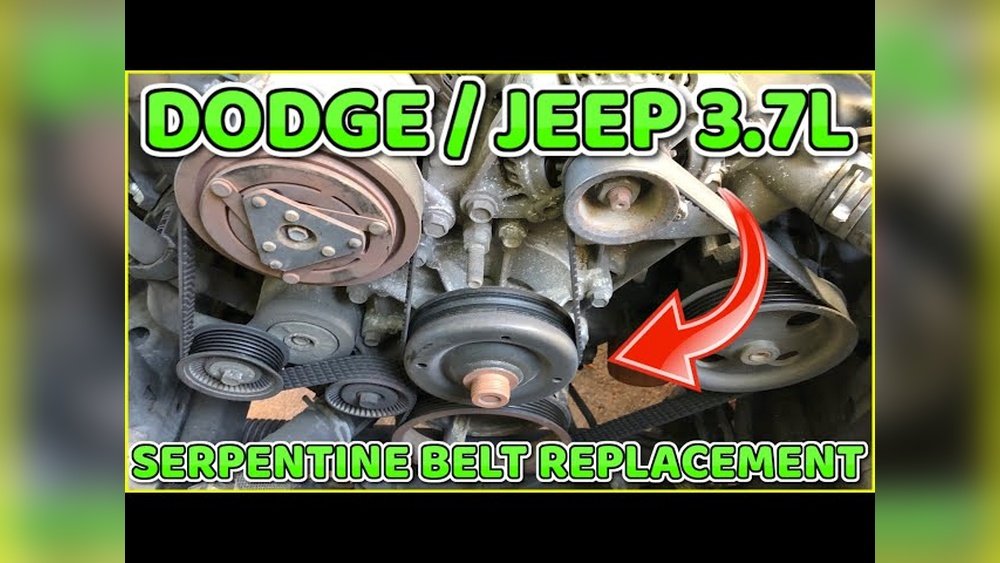
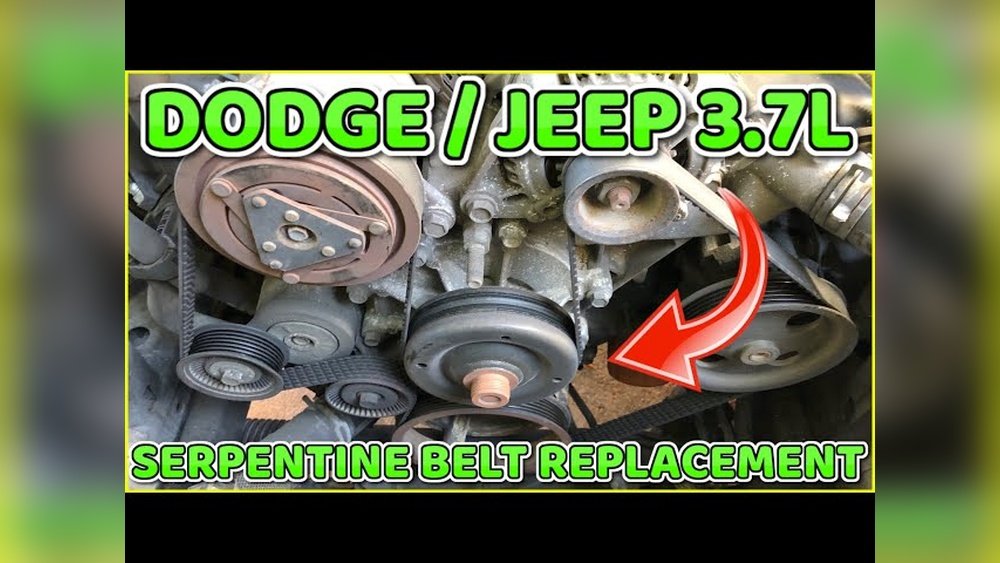
Understanding your 2016 Jeep Patriot serpentine belt diagram is crucial for routine maintenance and troubleshooting common issues. This belt, often called a drive belt or accessory belt, powers essential components like the alternator, power steering pump, and air conditioning compressor.
A properly functioning belt ensures these systems work correctly, keeping your engine cool and your vehicle running smoothly. This guide will break down the serpentine belt system for the 2016 Jeep Patriot, explaining its layout, components, and what to look for during inspection and replacement.
The serpentine belt system on a 2016 Jeep Patriot is a single, continuous belt that winds around several pulleys. Unlike older vehicles that might have used multiple V-belts, the serpentine system is more efficient and compact.
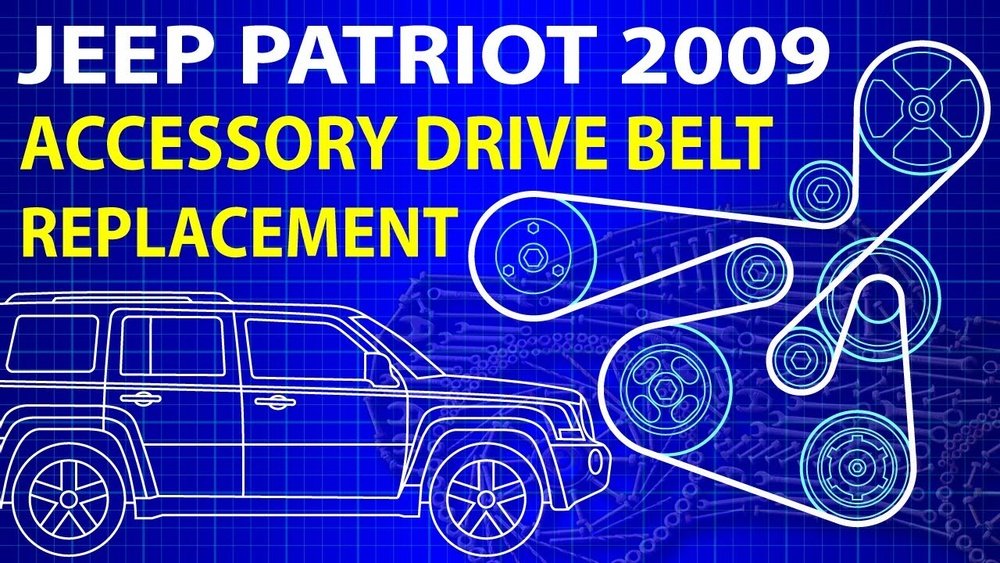
Its design means that if one part of the belt fails, or if it breaks, all the accessories it drives will stop working simultaneously.
This can lead to a rapid loss of power steering, battery charging, and air conditioning, and more importantly, can cause the engine to overheat quickly if the water pump is driven by the belt.
Understanding The Serpentine Belt Path
The path of the serpentine belt is critical to understanding its function. On the 2016 Jeep Patriot, this belt wraps around a specific arrangement of pulleys.
Identifying each pulley and its role is the first step in diagnosing any problems.
The tensioner pulley is particularly important as it keeps the belt taut, preventing slippage.
The Role Of Each Pulley
Each pulley connected to the serpentine belt has a specific job. Knowing what each one does helps in diagnosing issues.
- Crankshaft Pulley: This is typically the largest pulley and is directly connected to the engine’s crankshaft. It receives power directly from the engine’s rotation and transfers it to the belt.
- Alternator Pulley: The alternator converts mechanical energy from the belt into electrical energy to charge the battery and power the vehicle’s electrical systems.
- Power Steering Pump Pulley: This pulley drives the power steering pump, which assists in turning the steering wheel, making it easier to maneuver the vehicle. (Note: Some 2016 Jeep Patriots may have electric power steering, in which case this pulley might not be present or driven by the belt).
- Water Pump Pulley: The water pump circulates coolant through the engine and radiator, preventing overheating. If driven by the serpentine belt, its failure due to belt issues can lead to rapid engine temperature rise.
- Air Conditioning (A/C) Compressor Pulley: This pulley engages the A/C compressor, which is responsible for cooling the cabin air.
- Idler Pulley(s): These are typically smooth pulleys that help guide the belt along its path and maintain proper tension. They don’t drive any accessories but are essential for the belt’s routing and stability.
- Tensioner Pulley: This is perhaps the most vital pulley in the system. It’s attached to a spring-loaded or hydraulic tensioner arm that automatically adjusts to keep the belt at the correct tension. A worn or failing tensioner can lead to belt slippage or premature wear.
Locating The Serpentine Belt Diagram
Finding an accurate 2016 Jeep Patriot serpentine belt diagram is essential before attempting any work. These diagrams show the precise routing of the belt around all the pulleys. You can often find this diagram:
- Under the Hood: Many vehicles have a sticker on the underside of the hood or on the radiator support that displays the serpentine belt routing. This is the most convenient place to find it.
- Owner’s Manual: Your Jeep Patriot’s owner’s manual may contain a diagram or detailed information about the serpentine belt system.
- Online Resources: Automotive forums, repair websites, and parts suppliers often provide diagrams specific to your vehicle’s make, model, and year. Searching for “2016 Jeep Patriot serpentine belt routing diagram” will yield many results.
Symptoms Of A Failing Serpentine Belt
A worn or damaged serpentine belt doesn’t always fail without warning. There are several common symptoms that indicate it’s time for an inspection or replacement.
Audible Clues
Strange noises coming from your engine bay are often the first sign of a problem with the serpentine belt.
- Squealing: A high-pitched squealing noise, especially when you first start the engine, accelerate, or turn on accessories like the A/C, is a classic symptom of a slipping belt. This can be due to the belt being loose, worn, or contaminated with fluids like oil or coolant.
- Chirping: A persistent chirping sound can also indicate a worn belt or a misaligned pulley.
Visual Clues
Sometimes, you can see the signs of a failing belt just by looking at it.
- Cracks and Fraying: Inspect the belt for visible cracks, especially across its width, or fraying along the edges. These are signs of aging and stress.
- Glazing: A shiny or glazed appearance on the belt’s ribbed surface indicates that it has been slipping and hardening, reducing its grip on the pulleys.
- Missing Ribs: If sections of the ribs on the back of the belt are missing, it’s a clear sign of significant wear and potential failure.
- Contamination: Oil or coolant leaks can degrade the rubber of the serpentine belt, causing it to swell or become brittle.
Performance Issues
The performance of your vehicle can also indicate a serpentine belt problem.
- Loss of Power Steering: If the power steering suddenly becomes heavy, it might mean the power steering pump is no longer being driven effectively by the belt.
- Dimming Lights or Battery Warning Light: If the alternator isn’t being driven properly, the battery may not charge, leading to dim headlights or the battery warning light illuminating on the dashboard.
- Overheating: If the water pump is belt-driven and the belt slips or breaks, the coolant won’t circulate, leading to rapid engine overheating.
- A/C Not Working: If your air conditioning stops blowing cold air, the A/C compressor might not be engaging because the belt is slipping or broken.

Serpentine Belt Inspection And Replacement
Regular inspection of your serpentine belt is a simple but vital part of vehicle maintenance. If you notice any of the symptoms above, or if the belt is nearing its recommended replacement interval, it’s time to act.
How To Inspect The Serpentine Belt
- Safety First: Ensure the engine is off and cool. Park your Jeep Patriot on a level surface and engage the parking brake.
- Locate the Belt: Open the hood and find the serpentine belt. You might need to remove an engine cover or splash shield for better access.
- Visual Check: Carefully examine the entire length of the belt for any signs of wear mentioned earlier: cracks, fraying, glazing, or missing ribs.
- Check Tension: Try to twist the belt. It should feel firm. If you can easily twist it more than 90 degrees, or if it feels very loose, the tensioner might be failing, or the belt has stretched.
- Look for Contamination: Check if the belt is stained with oil or coolant, as this can indicate leaks elsewhere in the engine.
When To Replace The Serpentine Belt
The lifespan of a serpentine belt can vary depending on the material, driving conditions, and environmental factors. However, a general guideline is to replace it every 60,000 to 100,000 miles, or every 5 to 7 years. It’s always best to consult your owner’s manual for the manufacturer’s specific recommendation. If you notice any significant wear or damage during inspection, replace it sooner.
Replacing The Serpentine Belt: A Step-by-step Guide
Replacing a serpentine belt is a task many DIYers can handle, but it requires care and the correct tools.
Tools You’ll Need:
- New serpentine belt (ensure it’s the correct part number for your 2016 Jeep Patriot)
- Serpentine belt tensioner tool (or a long-handled ratchet/breaker bar)
- Socket set and wrench set
- Gloves and safety glasses
Steps:
- Locate the Tensioner: Identify the automatic belt tensioner. It’s usually a spring-loaded arm with a pulley.
- Release Tension: Attach the appropriate socket or wrench to the bolt head on the tensioner arm. Rotate the tensioner arm to release the tension on the belt. This will loosen the belt enough to slip it off the pulleys.
- Remove the Old Belt: Once the tension is released, carefully slip the old belt off one of the pulleys, preferably the smoothest one like an idler pulley. Then, remove the belt from the rest of the pulleys.
- Route the New Belt: Refer to your 2016 Jeep Patriot serpentine belt diagram. Carefully route the new belt around all the pulleys according to the diagram. Ensure the ribbed side of the belt engages correctly with the ribbed pulleys.
- Apply Tension and Install: Once the belt is correctly routed, use your tensioner tool to retract the tensioner arm again. While holding the tensioner retracted, slip the belt onto the final pulley.
- Release Tension and Check: Slowly release the tensioner arm, allowing it to apply tension to the new belt. Double-check that the belt is properly seated on all pulleys.
- Start the Engine: Start the engine and let it run for a minute. Listen for any unusual noises. Check that all accessories are functioning correctly. Inspect the belt one last time to ensure it’s tracking straight on all pulleys.
Pro Tip: Before removing the old belt, take a clear photo of the belt routing with your phone. This can be a lifesaver if you get confused during the installation process.
Common Issues And Troubleshooting
Even with a new belt, you might encounter issues. Understanding these can save you time and frustration.
Belt Slippage
If the new belt squeals, it might be due to:
- Incorrect Tension: The tensioner might be weak or faulty, not providing enough pressure.
- Contaminated Pulleys: Oil or coolant on the pulleys can cause slippage. Clean the pulleys thoroughly before installing a new belt if contamination is suspected.
- Wrong Belt: Ensure you have the correct belt for your specific 2016 Jeep Patriot model and engine.
- Misalignment: A pulley might be slightly out of alignment, causing the belt to run at an angle and slip.
Premature Wear
If a new belt wears out quickly, investigate the cause:
- Leaking Fluids: Oil or coolant leaks are the most common culprits. Find and fix the source of the leak.
- Damaged Pulleys: Check all pulleys for damage, corrosion, or wobbling. A damaged pulley can shred a belt quickly.
- Faulty Tensioner: A tensioner that is too tight or too loose can cause excessive wear.
Noise After Replacement
If you hear noise after replacing the belt:
- Check Routing: Double-check the belt is routed exactly as per the diagram and seated correctly on all pulley grooves.
- Inspect Pulleys: Spin each pulley by hand (with the belt off). Listen for bearing noise or roughness. A failing bearing in the alternator, A/C compressor, or an idler pulley can cause noise and premature belt wear.
- Tensioner Issues: A worn tensioner can make noise or fail to hold proper tension.

Serpentine Belt Components And Their Lifespan
Understanding the lifespan of the components related to the serpentine belt can help you anticipate replacements.
Here’s a general idea of how long these parts typically last:
| Component | Typical Lifespan (Miles) | Notes |
|---|---|---|
| Serpentine Belt | 60,000 – 100,000 | Can vary greatly based on material and conditions. |
| Belt Tensioner | 80,000 – 120,000 | Spring or hydraulic tensioners can weaken over time. |
| Idler Pulleys | 80,000 – 120,000 | Bearings inside can fail, causing noise or wobble. |
| Alternator | 100,000 – 150,000+ | Depends on electrical load and bearing health. |
| Power Steering Pump (if belt-driven) | 100,000 – 150,000+ | Wear on internal components or leaks. |
| Water Pump | 60,000 – 100,000 | Often replaced preventatively when the serpentine belt is done, especially if driven by it. |
| A/C Compressor | 100,000 – 200,000+ | Can last a very long time if not overused or subjected to belt issues. |
Important Consideration: While these are typical lifespans, it’s crucial to inspect these components regularly. A failing part in one system can put undue stress on the serpentine belt and other components. For example, a worn water pump bearing can cause the pulley to seize, immediately breaking the belt.
The Importance Of A Correct Serpentine Belt Diagram
The 2016 Jeep Patriot serpentine belt diagram isn’t just a picture; it’s a critical piece of information for the correct functioning and maintenance of your vehicle. Using the wrong routing can lead to immediate problems.
Why Correct Routing Matters
- Proper Tension Distribution: The diagram ensures the belt wraps around pulleys in a way that distributes tension evenly, preventing excessive stress on any single component or bearing.
- Access to Components: The specific path allows the belt to drive each accessory efficiently.
- Preventing Interference: Incorrect routing could cause the belt to rub against engine components it shouldn’t, leading to premature wear or damage.
- Tensioner Effectiveness: The path is designed to work with the automatic tensioner to maintain optimal belt tightness throughout the engine’s operating range.
What To Do If You Can’t Find The Diagram
If you’ve looked under the hood and in your owner’s manual and still can’t find the diagram, here are some steps:
- Online Search: Use specific keywords like “2016 Jeep Patriot 2.0