A Jeep battery that repeatedly dies needs more than another jump start. The cause may be an aging battery, poor cable connection, charging problem, light staying on, accessory drain, module that does not sleep or a pattern of short trips.
Quick Answer
Test the battery and charging system first, then investigate key-off current draw only with the correct method and equipment. Record how long the Jeep sits before failing and what accessories were active.
Start With Battery Age and Condition
A weak battery may recharge enough for one drive and fail again after sitting. Ask for a load test and inspect the terminals, grounds and cable condition.
Check the Charging System
A battery cannot recover when charging output is weak or intermittent. Test the system under appropriate conditions and review warning messages before blaming a parasitic drain.
Look for Simple Loads
Cargo lamps, glove-box lights, interior lights, aftermarket stereos, dash cameras and chargers may stay active. Inspect easy causes before opening wiring harnesses.
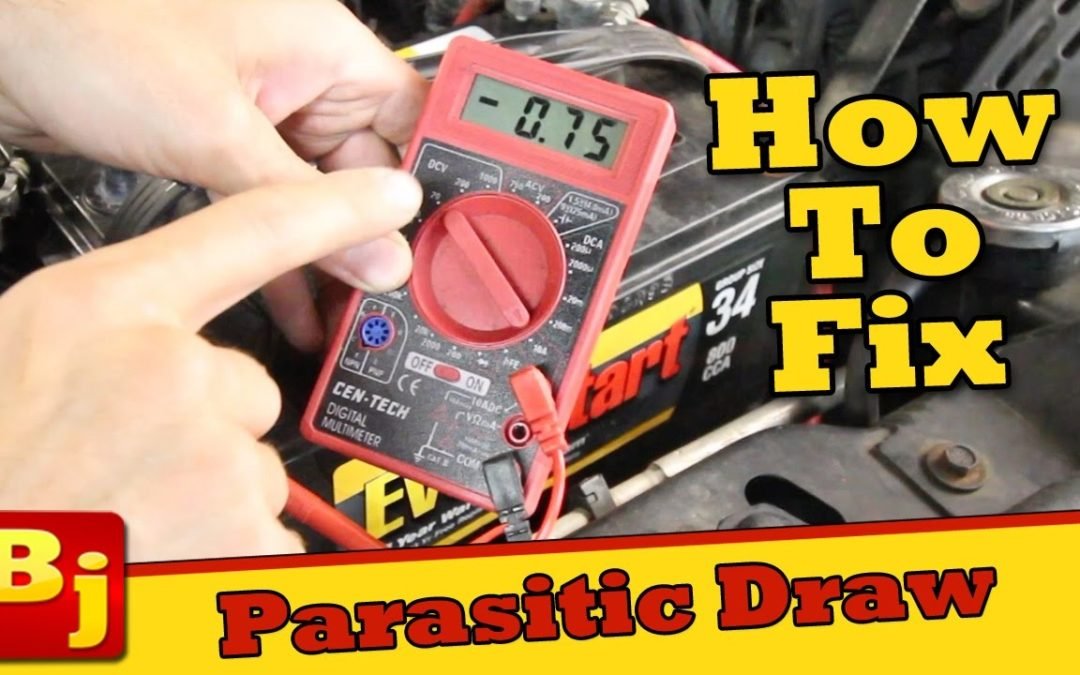
Parasitic-Draw Testing Needs a Safe Method
A key-off current test requires care because opening doors, waking modules or connecting a meter incorrectly changes the result. Use a qualified technician when the procedure is unfamiliar.
Sleep Time Matters
Modern modules may remain active for a period after shutdown. The test plan should allow the vehicle to enter its normal sleep state before drawing conclusions.
Recall Research Belongs in the Record
Use the VIN to check recall information and save the results with the diagnosis notes.
Key Details to Check
| Item | What to verify | Why it matters |
|---|---|---|
| Battery | Age, load test and terminals | Confirms the energy source |
| Charging | Output and warning messages | Shows whether the battery recovers |
| Simple loads | Interior, cargo and accessory lights | Finds common drains |
| Aftermarket equipment | Stereo, alarm, camera and chargers | Recent additions may stay active |
| Key-off current | Professional parasitic-draw test | Identifies a hidden drain |
Step-by-Step Review
- Record how long the Jeep sits before the battery fails.
- Inspect terminals, grounds and battery age.
- Arrange a battery and charging-system test.
- Check easy lights and unplug removable accessories.
- Review aftermarket wiring and recent repairs.
- Use a technician for a controlled key-off current test.
- Run a VIN recall search and store the result.
Create a Vehicle-Specific Record
For Why Does My Jeep Battery Keep Dying, keep battery age, load-test result, charging output, time-to-failure and installed accessories. A short record for Why Does My Jeep Battery Keep Dying prevents the next inspection, quote or update from relying on memory alone.
When to Stop and Get Qualified Help
Pause the DIY process for Why Does My Jeep Battery Keep Dying when the cables overheat, the Jeep has hybrid-system warnings, the battery leaks or the current-test procedure is unfamiliar. A controlled inspection is safer than changing several parts or assumptions at once.
Common Mistakes to Avoid
- Replacing the battery repeatedly without testing the charging system.
- Pulling random fuses before modules enter sleep mode.
- Leaving a meter connected incorrectly in a high-current path.
- Ignoring an aftermarket accessory installed near the start of the problem.
- Assuming every overnight discharge has the same cause.
Frequently Asked Questions
Can short trips drain a Jeep battery?
Yes. Frequent short trips may not restore the energy used during starting, especially when the battery is aging or accessories are active.
Should I pull fuses one by one?
A controlled diagnostic may use fuse isolation, but follow a safe method after the vehicle reaches sleep mode.
What if the battery is new?
Test the charging system, connections and key-off draw. A new battery does not rule out another fault.
Track the Time to Failure
Write down whether the Jeep fails after one night, several days or only after short trips. Note temperature, recent drives and whether the key fob, dash camera, charger or interior lights were active.
The timeline helps separate a tired battery from a key-off electrical draw.
Inspect Easy Loads Before Complex Wiring
Open and close every door, check the cargo lamp, glove-box lamp and aftermarket accessories, then wait for the cabin to sleep. A simple light or plugged-in device is easier to correct than a module-level fault and should be ruled out first.
Use a Professional Draw Test When Needed
A proper parasitic-draw test may require a meter, clamp, fuse isolation and patience while modules time out. If the procedure is unfamiliar, ask a technician to perform it.
Incorrect meter use can blow a fuse, wake modules or create misleading readings.
Use the Parking Pattern as a Diagnostic Clue
A Jeep that starts after a long drive but fails after two quiet days suggests a different path from a Jeep that dies during every short errand. Record trip length, parked time, temperature and accessories.
The pattern helps separate an old battery, weak charging, a simple light left on and a hidden key-off draw.
Rule Out the Easy Cabin Loads
Check cargo lights, glove-box lamps, vanity lights and aftermarket USB adapters. Close every latch carefully and wait long enough for the Jeep to enter its normal sleep state.
A small light hidden behind a closed panel can drain a battery without leaving an obvious clue during the day.
Short Trips Can Hide a Charging Problem
A battery may start the Jeep repeatedly while gradually losing charge when every drive is brief. Record trip length and charging output before blaming a parasitic drain.
The pattern matters more than one morning when the battery happened to be flat.
Know When the Meter Test Belongs at a Shop
A key-off draw test can wake modules or overload a meter when performed incorrectly. Use a trained technician when the process is unfamiliar.
Bring the parked-time log and accessory list so the technician can reproduce the problem instead of beginning from zero.
- Jeep Compass Not Charging Battery When Idling
- Stop Start Not Ready Battery Charging
- Aux Switches Temporarily Unavailable Battery Charging
Final Takeaway
A repeat dead-battery problem deserves a measured diagnosis. Test the battery, charging system, simple loads and accessory wiring before moving to a controlled parasitic-draw test.