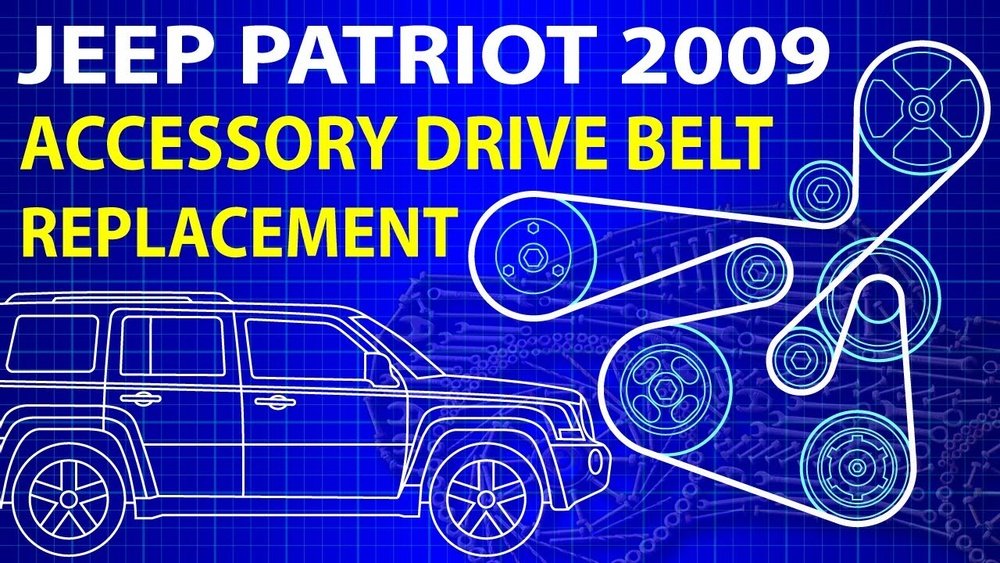
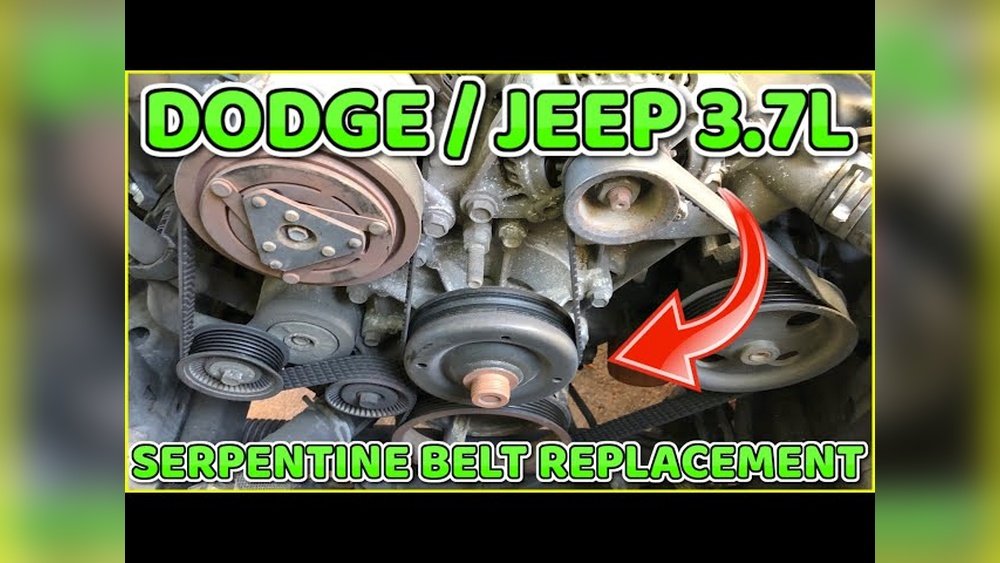
The 2014 Jeep Cherokee serpentine belt is a crucial component that keeps many essential engine systems running smoothly. This single, continuous belt drives accessories like the alternator, power steering pump, water pump, and air conditioning compressor.
Understanding its path and the components it interacts with is vital for any owner looking to perform maintenance or troubleshoot issues.
A properly routed serpentine belt ensures your Jeep Cherokee operates efficiently and reliably.
Understanding The Serpentine Belt System
The serpentine belt system on a 2014 Jeep Cherokee is a marvel of engineering, designed to consolidate the drive for multiple accessories onto a single belt. This design is more efficient and takes up less space than older systems that used multiple individual belts.
The belt itself is typically made of a durable rubber compound, designed to withstand heat, tension, and constant flexing. Its ribbed or grooved surface mates with corresponding grooves on the pulleys of the driven accessories, preventing slippage and ensuring power is transferred effectively.
The tensioner pulley is another critical part of this system. It applies constant pressure to the belt, keeping it taut and preventing it from slipping or coming off the pulleys.
This tensioner can be either spring-loaded or hydraulic, automatically adjusting to maintain the correct belt tension as the belt wears or the engine vibrates.
A worn or failing tensioner can lead to premature belt wear, noise, or even belt failure.
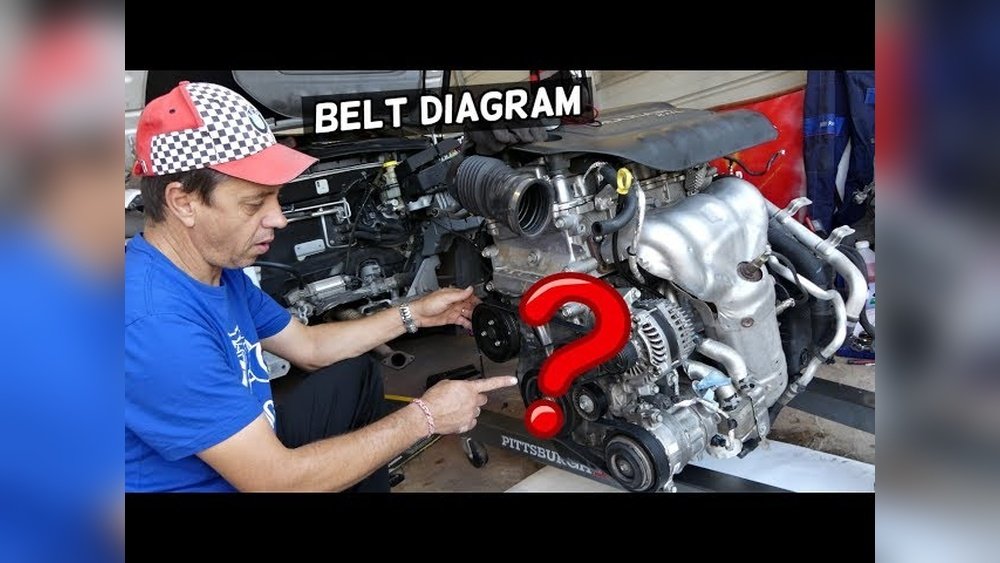
Serpentine Belt Diagram For The 2014 Jeep Cherokee
Pinpointing the exact routing of the serpentine belt on your 2014 Jeep Cherokee is essential for proper installation and maintenance. While the exact configuration can sometimes vary slightly based on engine options (e.
g. , 2. 4L Tigershark vs. 3.
2L Pentastar V6), the general layout involves the belt wrapping around a series of pulleys. These pulleys are strategically placed to engage with the various accessories.
The belt typically starts at the crankshaft pulley, which is driven directly by the engine’s rotation. From there, it snakes its way through the other accessory pulleys, guided by idler pulleys and the tensioner. Each pulley has a specific role: the alternator pulley generates electricity, the power steering pump pulley assists in steering, the water pump pulley circulates coolant to prevent overheating, and the A/C compressor pulley engages the air conditioning system.
Key Components In The Serpentine Belt Path
To fully grasp the serpentine belt’s function, it’s important to identify each component it interacts with. The diagram illustrates how the belt loops around these parts, transferring rotational force from the engine’s crankshaft to each accessory.
- Crankshaft Pulley: This is the largest pulley and is directly connected to the engine’s crankshaft. It’s the starting point for the belt’s journey, receiving power from the engine’s rotation.
- Alternator Pulley: Connected to the alternator, this pulley drives the component responsible for generating electrical power to charge the battery and run the vehicle’s electrical systems.
- Power Steering Pump Pulley: This pulley drives the power steering pump, which provides hydraulic assistance to make steering easier. On some models, electric power steering is used, which may not have a belt-driven pump.
- Water Pump Pulley: Connected to the water pump, this pulley circulates coolant through the engine and radiator, preventing the engine from overheating.
- A/C Compressor Pulley: This pulley engages the air conditioning compressor when the A/C is turned on, allowing the system to cool the cabin.
- Idler Pulley(s): These pulleys are used to guide the belt along its path and maintain proper tension. They don’t drive any accessories but are crucial for keeping the belt in place and ensuring smooth operation.
- Tensioner Pulley: This is arguably one of the most important components after the belt itself. The tensioner pulley applies constant pressure to the belt, ensuring it remains tight and doesn’t slip. A worn or weak tensioner can cause a host of problems, from squealing noises to complete belt failure.
Visualizing The Belt Routing
A clear visual representation, often found on a sticker under the hood of the vehicle or in the service manual, is the best way to understand the serpentine belt’s precise path. This diagram shows the exact order in which the belt wraps around each pulley.
Following this diagram meticulously is crucial when replacing the belt to ensure all accessories are driven correctly.
For example, the belt might start at the crankshaft pulley, loop around the power steering pump, go up to the alternator, then down to the A/C compressor, across to an idler pulley, down to the water pump, and finally return to the tensioner pulley, which provides the final wrap and tension.
The specific order is dictated by the pulley placement and the need to achieve optimal belt wrap on each accessory for efficient power transfer.
Common Serpentine Belt Issues And Symptoms
Over time, serpentine belts can wear out or develop problems. Recognizing the symptoms can help you address issues before they lead to a breakdown.
Squealing Noises
One of the most common symptoms of a failing serpentine belt is a high-pitched squealing noise, especially when the engine is first started or when accessories like the A/C are engaged. This noise often indicates that the belt is slipping on one or more pulleys.
This slippage can be caused by a worn belt, a misaligned pulley, a failing tensioner, or a seized accessory pulley.
Cracks And Wear
Visually inspecting the belt is crucial. Look for cracks, fraying, glazing (a shiny, smooth surface), or missing chunks.
These are all signs of wear and indicate that the belt needs to be replaced soon. A belt in this condition is much more likely to break.
Misalignment
If a pulley is misaligned, it can cause the belt to run crooked, leading to premature wear on one side of the belt. This misalignment can be due to a bent pulley, a damaged bearing in an accessory, or improper installation.
Belt Breaking
The most severe symptom is a broken serpentine belt. This will immediately cause all belt-driven accessories to stop working.
You'll likely lose power steering, the alternator will stop charging the battery, the water pump will stop circulating coolant, and the A/C will stop functioning.
This can quickly lead to overheating and a dead battery, leaving you stranded.
Replacing The Serpentine Belt: A Step-by-step Guide
Replacing the serpentine belt on your 2014 Jeep Cherokee is a manageable DIY task for many, but it requires attention to detail and the correct tools.
Tools And Materials Needed
Before you begin, gather the necessary tools:
- New Serpentine Belt: Ensure you have the correct belt for your specific engine (2.4L or 3.2L).
- Serpentine Belt Tool Kit: This kit typically includes a long, breaker-bar-like tool with various socket adapters that can reach the tensioner pulley and allow you to release its tension.
- Socket Set and Ratchet: For removing any covers or components if necessary.
- Gloves and Safety Glasses: For protection.
- Diagram: A clear routing diagram of your belt is essential. You can often find this on a sticker under the hood.
The Replacement Process
- Locate the Serpentine Belt and Tensioner: Open the hood and identify the serpentine belt and the automatic tensioner pulley. The tensioner is usually a spring-loaded arm with a pulley attached.
- Consult the Belt Routing Diagram: Before touching anything, take a clear picture or note the exact routing of the existing belt. This is your roadmap for installing the new one.
- Release Belt Tension: Using the serpentine belt tool and the appropriate socket, engage the tensioner pulley. Apply steady pressure to rotate the tensioner arm, which will loosen the belt. This might require significant force, depending on the tensioner’s spring strength.
- Remove the Old Belt: While holding the tensioner in the released position, carefully slip the old belt off one of the pulleys, usually the easiest one to access, like an idler pulley. Once the belt is off one pulley, you can slowly release the tensioner. Then, completely remove the old belt from all the pulleys.
- Inspect Pulleys: While the belt is off, spin each accessory pulley by hand. They should spin freely and quietly without any roughness or noise, which could indicate a failing bearing. Also, check that the pulleys are clean and free of debris.
- Install the New Belt: Begin routing the new belt according to the diagram. Start by placing the belt around most of the pulleys, leaving one accessible pulley (like the crankshaft pulley or an idler) for last.
- Tension the New Belt: Once the belt is routed, use the serpentine belt tool to rotate the tensioner arm again, creating enough slack to slip the new belt onto the final pulley. Ensure the belt is seated correctly in the grooves of all pulleys.
- Final Check: Double-check that the belt is properly seated on every pulley and that it follows the correct routing diagram precisely.
- Start the Engine: Start the engine and let it run for a minute. Listen for any unusual noises. Check that all accessories are functioning correctly. Turn the engine off and re-inspect the belt to ensure it’s still properly seated.

Credit: www.youtube.com
Understanding Belt Tension And Tensioners
The serpentine belt tensioner is a critical, often overlooked, component. Its primary job is to maintain the correct tension on the serpentine belt. Without adequate tension, the belt will slip, leading to inefficient operation of accessories and premature wear. Too much tension, however, can damage accessory bearings and the belt itself.
Types Of Tensioners
- Automatic Spring-Tensioned: Most common in modern vehicles like the 2014 Jeep Cherokee, these tensioners use a spring to continuously apply pressure to the belt. As the belt stretches or wears, the spring automatically adjusts to maintain optimal tension.
- Hydraulic Tensioners: These use hydraulic fluid to dampen oscillations and provide consistent tension. They are often found in more demanding applications.
- Manual Tensioners: Less common on modern vehicles, these require manual adjustment to set the belt tension during installation.
Signs Of A Failing Tensioner
A failing tensioner can manifest in several ways:
- Excessive Noise: A worn tensioner pulley bearing can produce a grinding or whining noise.
- Belt Oscillation: If the tensioner is weak, the belt may appear to be bouncing or oscillating excessively while the engine is running.
- Premature Belt Wear: An improperly functioning tensioner can lead to uneven wear on the belt.
- Belt Slippage: The most obvious sign is a belt that slips, causing squealing, even if the belt itself is relatively new.
Replacing a faulty tensioner is as important as replacing a worn belt, as it directly impacts the longevity and performance of the entire serpentine system.
The Importance Of Correct Belt Material And Quality
The material and quality of the serpentine belt significantly impact its lifespan and performance. Most modern serpentine belts are made from EPDM (ethylene propylene diene monomer) rubber, known for its excellent resistance to heat, oil, and abrasion.
Benefits Of High-quality Belts
- Durability: High-quality belts are designed to withstand the harsh under-hood environment for tens of thousands of miles.
- Flexibility: They maintain flexibility across a wide temperature range, ensuring consistent performance in both hot and cold weather.
- Quiet Operation: A well-made belt, combined with properly functioning pulleys and tensioner, will operate quietly without squeaks or chirps.
- OE Fitment: Belts designed to OE (Original Equipment) specifications ensure a perfect fit and optimal performance for your specific vehicle.
When purchasing a replacement belt, it’s advisable to opt for a reputable brand or an OEM part to ensure reliability and longevity.

Credit: www.youtube.com
Serpentine Belt Maintenance Schedule
Regular maintenance is key to preventing unexpected breakdowns. While specific intervals can vary based on driving conditions and manufacturer recommendations, a general guideline for serpentine belt inspection and replacement is as follows:
- Inspection: Inspect the belt visually every oil change or at least twice a year. Look for cracks, fraying, glazing, or any signs of damage.
- Replacement: Most manufacturers recommend replacing the serpentine belt between 60,000 and 100,000 miles. However, it’s always best to consult your owner’s manual for the exact recommended interval for your 2014 Jeep Cherokee. Some belts may last longer, while others might need replacement sooner if subjected to severe driving conditions (e.g., frequent towing, extreme temperatures, dusty environments).
Pro Tip: Keep a record of when your serpentine belt was last replaced. This helps you stay on track with maintenance and avoid potential issues.
Common Mistakes To Avoid When Replacing A Serpentine Belt
Even with a clear diagram, mistakes can happen during a serpentine belt replacement. Being aware of these common pitfalls can save you time and prevent further damage.
- Incorrect Belt Routing: This is the most frequent error. Not following the diagram precisely means some accessories won’t be driven, or the belt will be routed in a way that causes it to rub against components, leading to premature failure. Always double-check the diagram before and after installation.
- Using the Wrong Belt: Belts are designed for specific engine configurations and pulley sizes. Using a belt that’s too long or too short will prevent proper tensioning or cause it to slip off. Always verify the part number against your vehicle’s specifications.
- Ignoring a Failing Tensioner or Pulley: Replacing only the belt without addressing a worn tensioner or a noisy pulley bearing is a recipe for disaster. The new belt will likely be damaged quickly by the faulty component, leading to another premature replacement.
- Over-Tensioning or Under-Tensioning: While automatic tensioners do most of the work, improper use of the tool can damage the tensioner or the belt. Ensure the tensioner arm moves freely and returns to its natural position without binding.
- Not Cleaning Pulleys: Debris or hardened rubber from an old belt can accumulate on pulleys. If not cleaned, this can cause the new belt to slip or wear unevenly.

Credit: www.youtube.com
The Role Of The Serpentine Belt In Engine Cooling
The water pump is one of the most critical accessories driven by the serpentine belt. If the water pump stops turning due to belt failure, the engine will quickly overheat.
Coolant is circulated through the engine block and radiator by the water pump, carrying heat away from the engine's combustion chambers.
When the serpentine belt is intact and functioning, it spins the water pump's impeller, pushing coolant through the system. If the belt breaks or slips significantly, this circulation stops.
The engine temperature gauge will rapidly climb into the red zone.
Driving an overheating engine can cause severe and costly damage, including warped cylinder heads or a blown head gasket.
Power Steering And The Serpentine Belt
For vehicles equipped with hydraulic power steering, the power steering pump is driven by the serpentine belt. This pump pressurizes the steering fluid, making it easier to turn the steering wheel