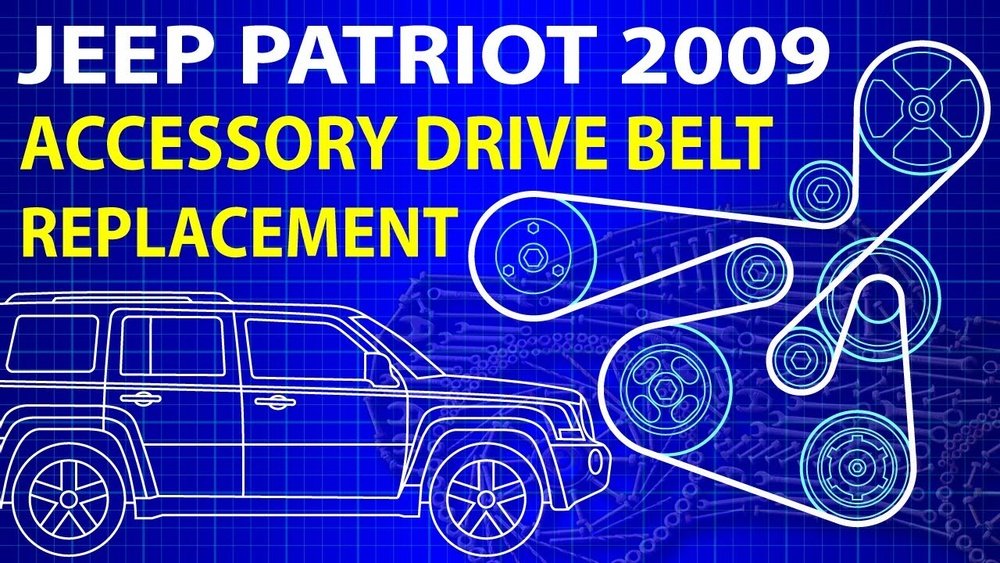
Ensuring your Jeep TJ's serpentine belt is routed correctly is crucial for its proper operation. This belt drives many essential components, including the alternator, power steering pump, and air conditioning compressor.
A misrouted belt can lead to these components failing to function, causing overheating, loss of power steering, or a dead battery. This guide will walk you through the process of understanding and correctly routing the serpentine belt on your Jeep TJ, covering common configurations and important considerations.
The serpentine belt system replaced the older V-belt system, offering a more efficient and compact design. Instead of multiple belts, a single, long, ribbed belt winds its way around various pulleys.
This design is common in most modern vehicles, including the Jeep TJ, which typically came with either a 4.
0L inline-six engine or a 2. 4L four-cylinder engine, each with slightly different belt routing diagrams.
Understanding the path the belt takes is essential for both installation and troubleshooting.
Understanding Your Jeep Tj’s Engine And Belt System
Jeep TJs were primarily equipped with two engine options during their production run (1997-2006): the 4.0L inline-six and the 2.4L DOHC (Dual Overhead Cam) four-cylinder. The serpentine belt system on these engines is designed to be straightforward, but variations in accessories can sometimes lead to confusion.
The serpentine belt is a single, continuous loop of rubber with ribs on one side that grip the pulleys. These ribs are essential for preventing slippage and ensuring that all driven accessories receive the correct amount of power from the engine’s crankshaft. The belt is kept under tension by a tensioner pulley, which is usually spring-loaded or hydraulic. This tensioner is vital for maintaining proper belt contact with all the pulleys and compensating for belt wear or temperature changes.
Key Components Driven By The Serpentine Belt
On a typical Jeep TJ, the serpentine belt powers the following critical components:
- Alternator: This component generates electricity to charge the battery and power the vehicle’s electrical systems when the engine is running. If the belt doesn’t drive the alternator, your battery will eventually drain.
- Power Steering Pump: This is responsible for providing hydraulic assistance to the steering system, making it easier to turn the steering wheel, especially at low speeds or when parking. Without the belt, steering will become significantly harder.
- Water Pump: This circulates coolant through the engine and radiator, preventing overheating. A non-functioning water pump is a serious issue that can quickly lead to engine damage.
- Air Conditioning (AC) Compressor: This is responsible for the cooling function of your AC system. While not essential for driving, its operation relies on the serpentine belt.
- Crankshaft Pulley: This is the main pulley driven directly by the engine’s crankshaft. It’s usually the largest pulley and serves as the starting point for the belt’s path.
- Idler Pulleys: These are typically smooth pulleys used to guide the belt along its path, ensuring it makes proper contact with all necessary accessory pulleys and maintaining the correct tension.
The Importance Of The Belt Tensioner
The belt tensioner is a critical part of the serpentine system. It applies constant pressure to the belt, ensuring it stays taut and doesn’t slip. There are two main types of tensioners:
- Spring-loaded tensioners: These use a spring to maintain tension. As the belt wears or stretches, the spring automatically adjusts.
- Hydraulic tensioners: These use a hydraulic damper to absorb vibrations and maintain a more consistent tension.
When replacing a serpentine belt, it’s often recommended to replace the tensioner as well, especially if it shows signs of wear, such as leaking fluid, sticking, or making noise. A faulty tensioner can lead to premature belt wear or failure.
Serpentine Belt Routing Diagrams For Jeep Tj Engines
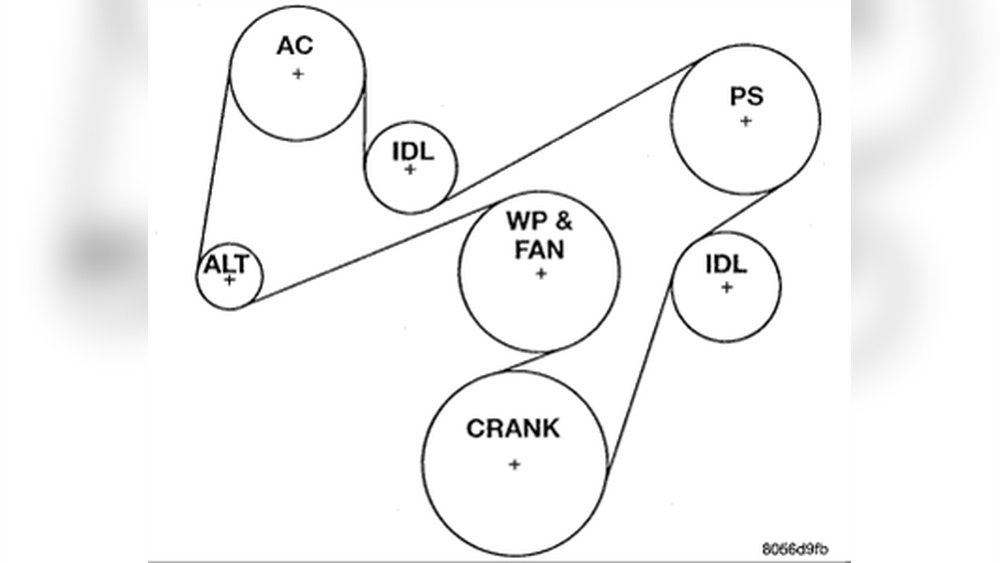
The serpentine belt routing diagram is your best friend when replacing or installing a belt. These diagrams clearly illustrate the path the belt must take around each pulley. Jeep TJs, depending on the engine, have specific routing configurations. It’s vital to use the correct diagram for your specific year and engine.
4.0l Inline-six Engine (common Configuration)
The 4. 0L engine is the more prevalent engine in Jeep TJs.
Its serpentine belt system is well-documented. The belt typically wraps around the crankshaft pulley, then makes its way to the power steering pump, alternator, water pump, AC compressor (if equipped), and idler pulleys, all while being kept tight by the tensioner.
A common routing for the 4.0L engine often looks like this:
- Start at the crankshaft pulley.
- Go up and around the power steering pump pulley.
- Then loop down and around the water pump pulley.
- Up and over the tensioner pulley.
- Down and around the alternator pulley.
- Then loop back towards the crankshaft pulley, often passing by the AC compressor pulley (if present) on its way.
Pro Tip: Always refer to the sticker under the hood of your Jeep TJ, as it usually contains the correct belt routing diagram. If this sticker is missing or illegible, you can find reliable diagrams online specific to your TJ’s year and engine.
2.4l Dohc Four-cylinder Engine (less Common Configuration)
The 2. 4L engine has a slightly different pulley arrangement, and therefore, a different belt routing.
While the principles are the same, the path the belt takes will vary.
A typical routing for the 2.4L engine might involve:
- Starting at the crankshaft pulley.
- Moving to the alternator pulley.
- Then to the power steering pump pulley.
- Looping around the water pump pulley.
- Passing over the tensioner pulley.
- And finally, around the AC compressor pulley (if equipped) before returning to the crankshaft.
Important Note: The exact routing can vary slightly based on whether your TJ is equipped with air conditioning. Always verify the diagram for your specific vehicle.
Finding Your Specific Belt Routing Diagram
If the sticker under your hood is missing, there are several reliable ways to find the correct diagram:
- Owner’s Manual: While less common for belt diagrams, some owner’s manuals might include this information.
- Online Jeep Forums and Communities: Many Jeep enthusiasts share their knowledge and resources, including belt routing diagrams. Searching for “Jeep TJ 4.0 serpentine belt diagram” or “Jeep TJ 2.4 serpentine belt diagram” will yield many results.
- Automotive Repair Manuals: Haynes or Chilton manuals for the Jeep TJ will contain detailed diagrams and instructions.
- Parts Retailer Websites: Some online auto parts stores provide diagrams when you search for serpentine belts for your specific vehicle.
A visual aid is indispensable. Without it, routing the belt becomes a guessing game, which can lead to incorrect installation and potential damage.

Credit: collinsbrosjeep.com
Step-by-step Guide To Routing The Serpentine Belt
Replacing a serpentine belt is a manageable task for most DIY mechanics. The key is understanding the routing and how to properly tension the belt.
Tools And Materials Needed
Before you begin, gather the necessary tools and materials:
- New Serpentine Belt: Ensure it’s the correct belt for your Jeep TJ’s year and engine.
- Socket Wrench Set: You’ll need specific socket sizes to release the tension on the tensioner pulley. Common sizes include 13mm, 15mm, or 17mm, but it’s best to check for your specific vehicle.
- Breaker Bar or Long Ratchet: This provides leverage to move the tensioner pulley.
- Work Gloves: To protect your hands.
- Safety Glasses: To protect your eyes from debris.
- Belt Routing Diagram: Crucial for correct installation.
The Process Of Belt Installation
- Locate the Belt Tensioner: Identify the automatic belt tensioner. It’s usually a spring-loaded arm with a pulley attached.
- Release Tension: Attach the appropriate socket to the bolt head on the tensioner arm. Use a breaker bar or long ratchet to rotate the tensioner away from the belt, thus releasing its tension. You’ll typically need to rotate it counter-clockwise.
- Remove the Old Belt: While holding the tensioner released, slip the old serpentine belt off one of the pulleys. It’s often easiest to remove it from the alternator or power steering pump pulley. Once it’s off one pulley, you can let the tensioner return to its resting position and remove the belt completely.
- Inspect Pulleys: Before installing the new belt, spin each pulley by hand. They should rotate smoothly and quietly. Listen for any grinding, squealing, or roughness, which could indicate a worn bearing in the alternator, power steering pump, water pump, or an idler pulley. If you find a bad pulley, it should be replaced before installing the new belt. Also, check the tensioner itself for smooth operation and signs of wear.
- Route the New Belt: Using your belt routing diagram, begin routing the new belt around the pulleys. It’s often easiest to leave the most accessible pulley (like the crankshaft pulley) for last. Loop the belt around all the other pulleys according to the diagram. Ensure the ribbed side of the belt engages with the ribbed pulleys and the smooth side runs on the smooth pulleys (like idlers and the back of the tensioner).
- Apply Tension and Finalize: Once the belt is routed around all pulleys except one, re-engage the tensioner. Use your socket and wrench to rotate the tensioner arm again to release its tension. Slip the belt onto the final pulley.
- Release the Tensioner: Slowly and carefully release the tensioner arm, allowing it to apply tension to the new belt. Ensure the belt is seated correctly on all pulleys.
- Double-Check Routing: Visually inspect the belt’s path against the diagram one last time. Make sure it’s on all pulleys correctly and that no part of the belt is rubbing against anything it shouldn’t be.
- Start the Engine: Start your Jeep’s engine briefly. Listen for any unusual noises like squealing or chirping. Check that all accessories are functioning (e.g., the alternator light on the dashboard should turn off). Let the engine run for a few minutes to allow the belt to seat properly.
Warning: Never force the belt onto the pulleys. If it feels like you’re struggling, re-check your routing and ensure the tensioner is fully released. Forcing the belt can damage it or the pulleys.
Common Issues And Troubleshooting With Serpentine Belts
Even with a correct routing diagram, you might encounter issues with your Jeep TJ’s serpentine belt. Understanding these common problems can save you time and frustration.
Squealing Noises
A common symptom of serpentine belt issues is a squealing noise, especially on startup or when accelerating. This can be caused by several factors:
- Loose Belt: The tensioner may not be providing enough pressure, causing the belt to slip on the pulleys.
- Worn Belt: An old, glazed, or cracked belt may not grip the pulleys effectively.
- Misaligned Pulley: If a pulley is slightly out of alignment, it can cause the belt to run at an angle and slip.
- Contaminated Belt: Oil, coolant, or power steering fluid leaking onto the belt can reduce its grip.
- Worn Tensioner: The tensioner itself might be failing to maintain adequate pressure.
Belt Slipping
Belt slipping is often indicated by a squealing sound. It means the belt isn't turning the accessory pulley at the same speed as the crankshaft pulley.
This can lead to undercharged batteries (alternator slipping) or loss of power steering.
Belt Wear And Damage
Over time, serpentine belts wear out. Look for:
- Cracks: Small cracks on the ribbed side of the belt are normal with age, but deep or numerous cracks indicate the belt needs replacement.
- Glazing: A shiny, smooth appearance on the ribbed side means the belt has lost its grip.
- Fraying: The edges of the belt might start to fray.
- Chunking: Sections of the belt’s ribs might break off.
Misalignment Issues
If you notice the belt running at an angle on a pulley, or if it’s constantly walking off a pulley, suspect a misaligned pulley. This could be due to a bent pulley, a worn bearing in an accessory that’s causing it to wobble, or an incorrectly installed component. Misalignment is a serious issue that will quickly destroy a new belt.
The Tensioner’s Role In Troubleshooting
The belt tensioner is a frequent culprit in serpentine belt problems. If the tensioner is weak, it won’t keep the belt tight enough, leading to slipping and noise. If the tensioner is sticking or wobbling, it can cause uneven belt wear or noise. When diagnosing belt issues, always inspect the tensioner’s operation.

Credit: www.jeepforum.com
Maintenance And Longevity Of Your Serpentine Belt
Proper maintenance is key to ensuring your Jeep TJ’s serpentine belt lasts as long as possible and prevents unexpected breakdowns.
Regular Inspections
Make it a habit to visually inspect your serpentine belt during regular maintenance checks, such as oil changes. Look for the signs of wear mentioned above: cracks, glazing, fraying, or chunking. Also, check for any fluid leaks that might be contaminating the belt.
Understanding Belt Lifespan
Serpentine belts don't have a fixed replacement interval like oil or filters. Their lifespan depends heavily on driving conditions, material quality, and the condition of the pulleys and tensioner.
However, a general recommendation is to inspect them every 30,000 to 50,000 miles and consider replacement proactively around the 60,000 to 100,000-mile mark, or sooner if any signs of wear are present.
As mentioned, it’s often wise to replace the belt tensioner and any idler pulleys when you replace the serpentine belt, especially if they are original or showing signs of wear. These components work together, and replacing them simultaneously can prevent future issues and save you labor costs down the line.
A worn tensioner can quickly ruin a new belt.
Avoiding Contamination
Keep the engine bay clean. Oil, coolant, or power steering fluid leaks should be addressed promptly.
If fluid gets on the belt, it degrades the rubber and reduces its grip, leading to premature failure and noise. If a belt becomes contaminated, it should be replaced immediately, as the damage to the rubber may not be immediately visible.