Choosing the right tire size for your 2013 Jeep Grand Cherokee is more important than you might think. The tires you pick affect your vehicle’s safety, fuel efficiency, and performance.
If you want your Jeep to handle smoothly on the road and look great at the same time, understanding the correct tire size is key. You’ll discover exactly which tire sizes fit your Grand Cherokee and why sticking to the right size matters.
Keep reading to make sure your Jeep is ready for every drive, no matter where the road takes you.
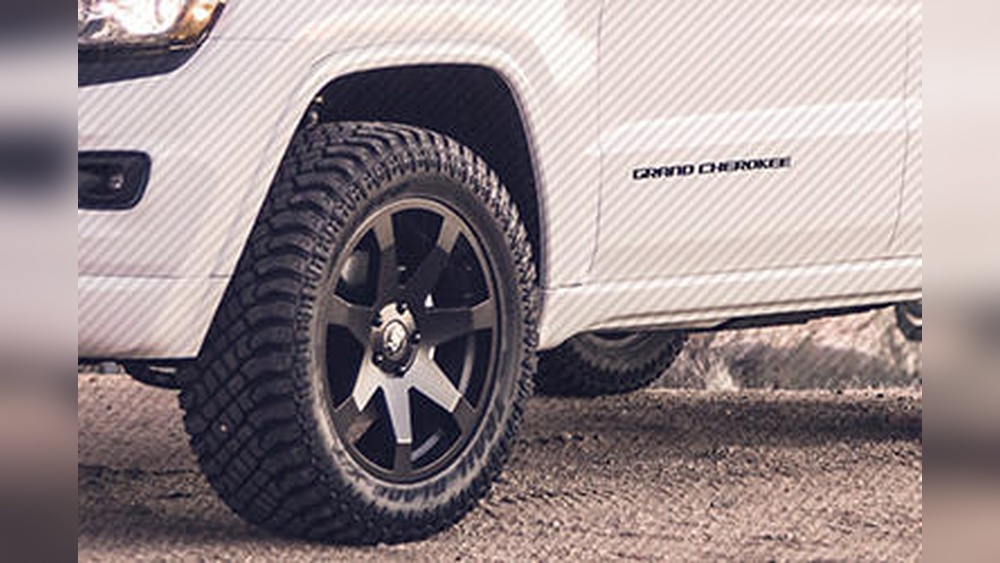
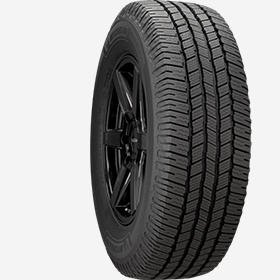
Credit: www.discounttire.com
Factory Tire Sizes
The factory tire sizes for the 2013 Jeep Grand Cherokee vary by model and trim. Tires play a key role in vehicle performance and safety. Choosing the right size helps maintain driving comfort and handling. Understanding the stock tire sizes ensures proper replacements and upgrades.
Standard Options
The base 2013 Jeep Grand Cherokee usually comes with 17-inch tires. These tires measure 265/65R17. They balance ride comfort and off-road ability. This size fits well on most road types and offers good traction.
Another common standard tire size is 18 inches. The 265/60R18 tires appear on some models. These provide a slightly sportier feel. They improve grip on pavement and handle light off-road conditions.
Trim Level Variations
Higher trim levels often come with larger tires. For example, the Limited and Overland trims may use 20-inch tires. The typical size is 265/50R20. These tires enhance the SUV’s look and road presence. They also improve cornering and braking performance.
The SRT trim features even bigger tires. It usually has 265/45ZR20 tires. These high-performance tires support faster speeds and better handling. They suit drivers wanting a more aggressive driving experience.
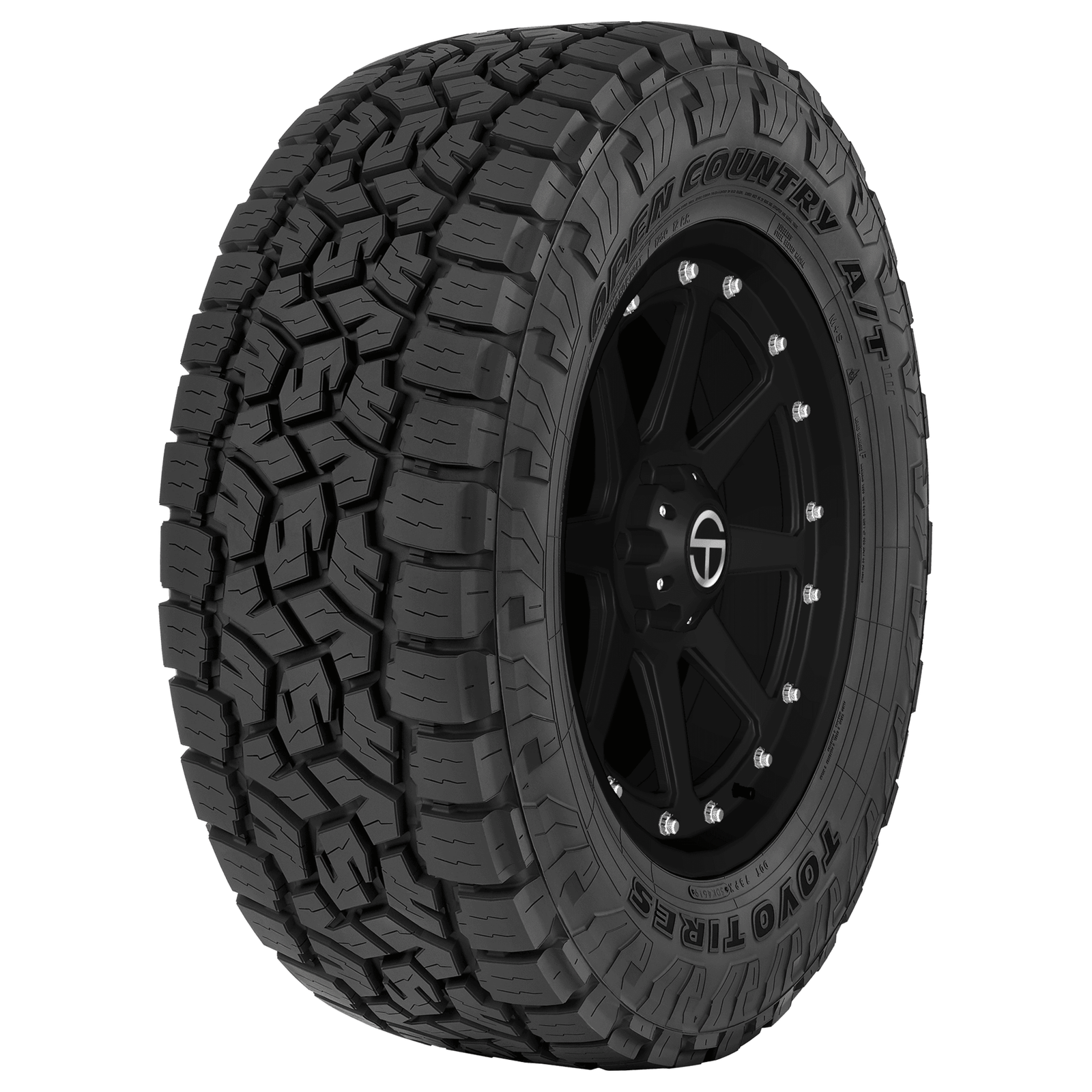
Credit: simpletire.com
Aftermarket Tire Choices
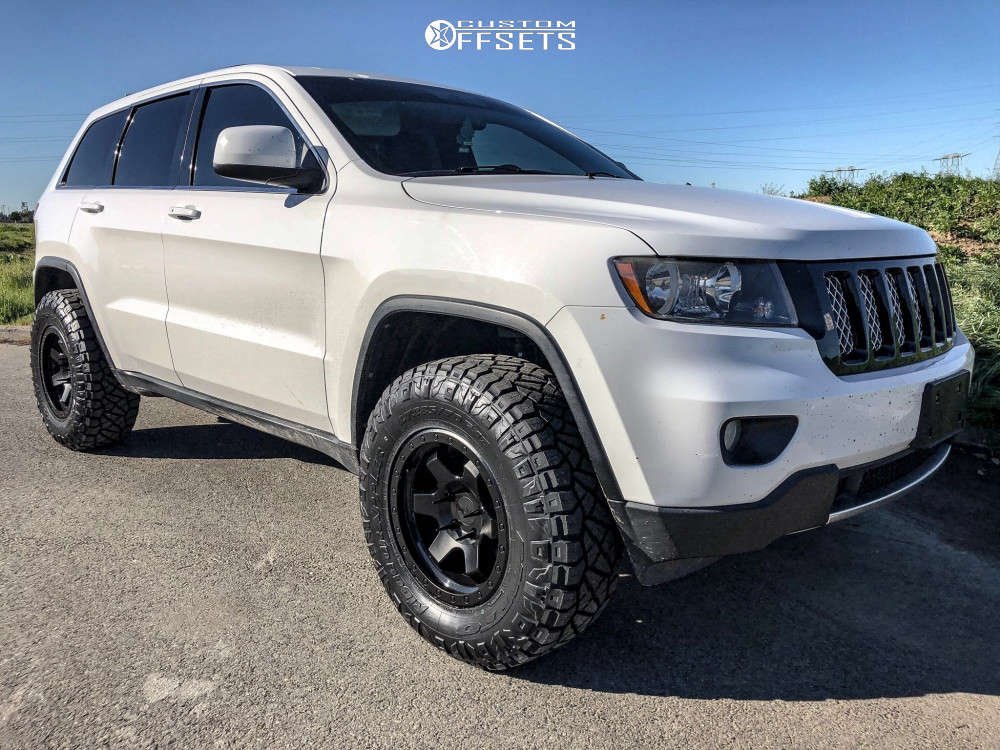
Choosing the right aftermarket tires for your 2013 Jeep Grand Cherokee affects performance and style. Many Jeep owners want to change their tire size for better looks or off-road ability. Picking larger or smaller tires has its own pros and cons. Understanding these helps you make a smart choice for your Jeep.
Benefits Of Larger Tires
Larger tires improve ground clearance. This helps off-road driving on rocks and rough paths. They also give your Jeep a tougher, more aggressive look. Bigger tires can improve traction on mud and snow. They increase the tire’s contact with the ground. This means better grip and control. Larger tires can also improve ride comfort on rough roads. They absorb bumps better than smaller tires.
Considerations For Smaller Tires
Smaller tires can improve fuel efficiency. They weigh less, which reduces engine strain. They also improve acceleration and braking. Smaller tires put less stress on suspension parts. This can lower maintenance costs. However, smaller tires reduce ground clearance. This limits off-road ability on rough terrain. They also may look less aggressive compared to stock or larger tires. Choosing smaller tires means a smoother ride on paved roads.
Impact On Vehicle Performance
The tire size on a 2013 Jeep Grand Cherokee affects how the vehicle performs. Tires influence many parts of driving, such as fuel use, handling, and ride comfort. Choosing the right size keeps the Jeep running well and safe on the road.
Fuel Efficiency Changes
Tire size impacts fuel efficiency directly. Larger tires often increase rolling resistance. This makes the engine work harder and use more fuel. Smaller tires usually reduce fuel consumption by lowering resistance. Tire weight also plays a role. Heavier tires can reduce miles per gallon. Keeping tire size close to the factory recommendation helps maintain good fuel economy.
Handling And Ride Comfort
Tire size affects how the Jeep handles corners and bumps. Larger tires can improve grip on rough roads. But they may cause a stiffer ride and less precise steering. Smaller tires tend to offer a smoother ride and better control on smooth surfaces. Tire width and sidewall height also change handling. Wider tires increase traction but can reduce comfort. Taller sidewalls absorb shocks better but may reduce cornering stability.
Credit: www.customwheeloffset.com
Selecting The Right Tire Type
Choosing the right tire type is vital for your 2013 Jeep Grand Cherokee. The tires affect how your vehicle drives, handles, and performs in different conditions. Picking the right tires can improve safety and comfort. It also helps protect the vehicle’s parts and saves fuel. This guide explains key tire options for your Jeep.
All-terrain Vs Highway Tires
All-terrain tires suit off-road and rough surfaces. They have deeper treads for grip on mud, rocks, and dirt. These tires work well for drivers who take their Jeep off the road often. They offer toughness and durability.
Highway tires focus on smooth rides on paved roads. They have a softer tread pattern for less road noise and better fuel efficiency. These tires provide comfort and better handling on highways and city streets.
Choosing depends on your driving style. All-terrain tires fit adventurous driving. Highway tires suit mostly urban and highway use.
Seasonal Tire Recommendations
Winter tires improve safety on snow and ice. They have special rubber that stays soft in cold weather. These tires give better traction and braking in freezing conditions.
Summer tires work best in warm weather. They offer better grip on dry and wet roads but harden in cold. Use them in spring, summer, and early fall for best results.
All-season tires balance performance for year-round use. They handle light snow and rain but not extreme winter conditions. Choose all-season tires if you want one set for all weather.
Installation And Maintenance Tips
Proper installation and maintenance of tires ensure safety and improve performance. For the 2013 Jeep Grand Cherokee, following simple tips helps extend tire life. It keeps your ride smooth and safe on all roads.
Tire Pressure Guidelines
Check tire pressure monthly. Use a reliable gauge for accuracy. The recommended pressure for the 2013 Jeep Grand Cherokee is usually around 35 PSI. Avoid overinflation or underinflation. Both cause uneven wear and reduce fuel efficiency. Adjust pressure when tires are cold for the best reading.
Rotation And Alignment
Rotate tires every 6,000 to 8,000 miles. This ensures even wear across all tires. Proper alignment prevents steering issues and uneven tread wear. Have alignment checked at least once a year or after hitting a pothole. Balanced and aligned tires improve handling and increase tire life.
Common Mistakes To Avoid
Choosing the right tire size for your 2013 Jeep Grand Cherokee is important. Many drivers make mistakes that affect safety and performance. Avoiding these errors saves money and trouble. Understand the common pitfalls before buying new tires.
Ignoring Load Ratings
Every tire has a load rating. This number shows how much weight the tire can carry safely. Using tires with a lower load rating than needed is risky. It can cause tire damage or failure. Your Jeep Grand Cherokee needs tires that match or exceed its load requirements. Check the owner’s manual for the correct load rating. Never guess or pick the cheapest option.
Mismatched Tire Sizes
All tires on your Jeep must be the same size. Mixing different sizes affects handling and braking. It can confuse the vehicle’s computer systems too. Different tire sizes cause uneven wear and poor fuel economy. Stick to the recommended tire size for your model. This keeps your ride smooth and safe. Always replace all tires at the same time or keep the sizes consistent.
<!– wp:rank-math/faq-block {"questions":[{"id":"faq-question-67b66ff4b74e","title":"What Is The Stock Tire Size For 2013 Jeep Grand Cherokee?","content":"The stock tire size for the 2013 Jeep Grand Cherokee is 255/60R18. This size balances comfort, performance, and fuel efficiency. It fits the vehicle’s suspension and wheel wells perfectly.
“,”visible”:true},{“id”:”faq-question-76303862f45d”,”title”:”Can I Upgrade Tire Size On 2013 Jeep Grand Cherokee?”,”content”:”Yes, you can upgrade tire size on the 2013 Jeep Grand Cherokee. Common upgrades include 265/70R17 or 275/55R20. Ensure the new size fits without rubbing and maintains speedometer accuracy.
“,”visible”:true},{“id”:”faq-question-4652f971b689″,”title”:”How Does Tire Size Affect 2013 Jeep Grand Cherokee Performance?”,”content”:”Tire size affects handling, ride comfort, and fuel economy. Larger tires improve off-road traction but may reduce fuel efficiency. Smaller tires provide better acceleration but less ground clearance.
“,”visible”:true},{“id”:”faq-question-35b52f69d956″,”title”:”Are All Tire Sizes Compatible With 2013 Jeep Grand Cherokee?”,”content”:”Not all tire sizes fit the 2013 Jeep Grand Cherokee. Always check wheel diameter, width, and tire diameter. Consult the owner’s manual or a tire professional for compatibility.
“,”visible”:true}]} –>What Is The Stock Tire Size For 2013 Jeep Grand Cherokee?
The stock tire size for the 2013 Jeep Grand Cherokee is 255/60R18. This size balances comfort, performance, and fuel efficiency. It fits the vehicle’s suspension and wheel wells perfectly.
Can I Upgrade Tire Size On 2013 Jeep Grand Cherokee?
Yes, you can upgrade tire size on the 2013 Jeep Grand Cherokee. Common upgrades include 265/70R17 or 275/55R20. Ensure the new size fits without rubbing and maintains speedometer accuracy.
How Does Tire Size Affect 2013 Jeep Grand Cherokee Performance?
Tire size affects handling, ride comfort, and fuel economy. Larger tires improve off-road traction but may reduce fuel efficiency. Smaller tires provide better acceleration but less ground clearance.
Are All Tire Sizes Compatible With 2013 Jeep Grand Cherokee?
Not all tire sizes fit the 2013 Jeep Grand Cherokee. Always check wheel diameter, width, and tire diameter. Consult the owner’s manual or a tire professional for compatibility.
Conclusion
Choosing the right tire size for your 2013 Jeep Grand Cherokee matters. It keeps your ride safe and smooth.
The correct size helps with fuel and tire wear. Check your owner's manual or tire sidewall for details.
Using the wrong size can cause problems with handling.
Stick to the recommended sizes for best results. Good tires make your Jeep perform well on all roads.
Keep this in mind when it's time for new tires. Your Jeep will thank you with better driving and safety.