If you drive a Jeep Grand Cherokee and notice a humming noise when accelerating, you’re not alone. Many owners experience this issue, and it can be worrying, especially if you’re not sure where the sound is coming from or what it means.
Humming noises can signal small problems or bigger mechanical issues, so it’s important to understand what’s happening, why it occurs, and what you can do about it.
In this article, you’ll learn what causes a Jeep Grand Cherokee humming noise when accelerating, how to diagnose the problem, what repair options you have, and how much it might cost. I’ll share common symptoms, practical tips, and examples that help beginners feel confident.
By the end, you’ll know what steps to take and how to keep your Jeep running smoothly.
What Does A Humming Noise Mean?
A humming noise while accelerating is usually a sign that something is wrong with the vehicle’s moving parts. The sound often comes from the drivetrain, tires, wheel bearings, or transmission. Sometimes, it can be a simple issue like tire wear, but in other cases, it may point to serious mechanical faults.
You may notice:
- The humming gets louder as you go faster.
- The noise disappears or changes at certain speeds.
- The sound comes from one side or the rear of the vehicle.
Understanding what the noise means is the first step in fixing the problem.
Main Causes of Jeep Grand Cherokee Humming Noise When Accelerating
Several common causes explain why your Jeep Grand Cherokee makes a humming sound when you press the gas pedal. Let’s break them down.
1. Wheel Bearings
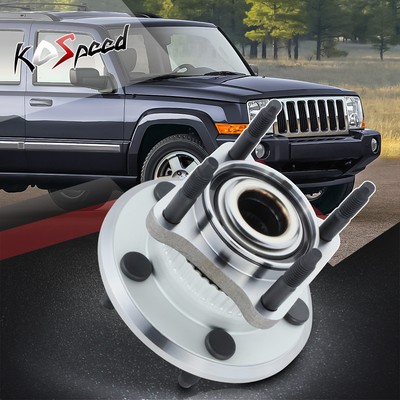
Wheel bearings help your wheels rotate smoothly. Over time, they wear out or get damaged. When a bearing is worn, it makes a humming or growling noise, especially when accelerating or turning.
- The noise often comes from one wheel.
- It gets louder as you drive faster.
- You may feel vibration in the steering wheel.
2. Tires
Tires are a frequent source of humming noises. Uneven tire wear, damaged tread, or low-quality tires can produce sounds.
- Check for cupping (uneven wear) on tire tread.
- Old or cheap tires can be noisy even if they’re not worn.
- Underinflated or overinflated tires change how the sound is heard.
3. Transmission
A humming noise from the transmission may signal low fluid, worn gears, or internal damage.
- The sound increases with speed and gear changes.
- Transmission problems often come with shifting issues or jerky movement.
4. Differential
The differential allows wheels to turn at different speeds. If it’s low on fluid or has worn gears, it can hum.
- The sound is usually from the rear of the Jeep.
- It gets worse during turns or acceleration.
5. Driveshaft And Axles
The driveshaft and axles transfer power from the engine to the wheels. If they’re bent or worn, they make humming or clicking sounds.
- You may feel vibration in the floor or seat.
- The noise gets louder under heavy acceleration.
6. Other Possible Causes
- Brakes: Worn brake pads can make a humming or grinding sound.
- Exhaust system: Loose parts or leaks may create unusual noises.
- Wheel alignment: If wheels aren’t aligned, tires wear unevenly and hum.

How To Diagnose The Humming Noise
Finding the source of the humming noise is key to fixing it. Here are practical steps to help you diagnose the problem.
Listen Carefully
- Note when the noise happens (speed, gear, acceleration).
- Does it change when you turn the steering wheel?
Inspect Tires And Wheels
- Check tire tread for uneven wear or damage.
- Feel for loose or rough spots on the wheel.
- Spin each wheel by hand (if possible) and listen for sounds.
Check Wheel Bearings
- Jack up the Jeep and wiggle each wheel.
- If there’s movement or roughness, the bearing may be bad.
Look At The Transmission And Differential
- Check fluid levels and condition.
- Look for leaks or signs of wear.
- Listen for noises at different speeds and in different gears.
Test Driveshaft And Axles
- Look for visible bends or damage.
- Drive at different speeds and listen for changes.
Use A Mechanic’s Stethoscope
A mechanic’s stethoscope or even a long screwdriver can help you pinpoint the noise. Place it on suspected areas while the vehicle is running (with safety precautions).
Comparing Common Causes: Symptoms And Fixes
To help you quickly compare the main causes, here’s a simple table:
| Cause | Typical Symptoms | How to Fix | Estimated Cost |
|---|---|---|---|
| Wheel Bearings | Humming, vibration, worsens with speed | Replace bearing | $200–$500 per bearing |
| Tires | Humming, uneven wear, noise changes with speed | Replace or rotate tires | $100–$800 per set |
| Transmission | Humming, shifting issues, noise with gear changes | Repair or rebuild transmission | $1500–$4000 |
| Differential | Humming from rear, louder during turns | Replace fluid or repair gears | $300–$2000 |
| Driveshaft/Axles | Humming, vibration, noise on acceleration | Repair or replace part | $400–$1200 |
How To Fix A Humming Noise In Your Jeep Grand Cherokee
Once you know the cause, you can plan repairs. Here’s what to do next.
Step 1: Inspect And Replace Tires
If tires are the cause:
- Rotate tires to see if the noise changes.
- Replace tires with uneven wear or damage.
- Choose high-quality tires for quieter performance.
Step 2: Replace Wheel Bearings
If a wheel bearing is bad:
- Replace the affected bearing (front or rear).
- Always use OEM or trusted aftermarket parts.
Step 3: Service Transmission And Differential
If transmission or differential fluids are low or dirty:
- Drain and refill with fresh fluid.
- Check for leaks and repair as needed.
For internal damage:
- Seek professional help for repair or rebuild.
Step 4: Repair Driveshaft Or Axles
If these parts are damaged:
- Replace bent or worn driveshafts and axles.
- Check for loose or missing bolts.
Step 5: Fix Other Issues
- Replace worn brake pads.
- Repair exhaust leaks.
- Align wheels to prevent uneven tire wear.
Jeep Grand Cherokee: Model Years And Common Noises
Different model years may have unique issues. Here’s a comparison of common humming noise complaints by Jeep Grand Cherokee generation:
| Model Year | Common Noise Problems | Known Fixes |
|---|---|---|
| 2011–2015 | Wheel bearing failure, tire noise | Bearing replacement, tire upgrade |
| 2016–2020 | Differential hum, transmission whine | Fluid change, gear repair |
| 2026–2026 | Tire road noise, brake hum | New tires, brake pad replacement |
Pros And Cons Of Fixing The Humming Noise
Deciding to fix the humming noise right away has benefits and drawbacks. Let’s look at both sides.
Pros
- Improves safety and performance.
- Prevents more costly repairs later.
- Makes driving more comfortable.
- Maintains resale value.
Cons
- Repair costs can be high, depending on the problem.
- Some fixes take time and require a mechanic.
- Minor tire noises may not need urgent repair.
How Much Does It Cost To Fix The Humming Noise?
Repair costs depend on the cause, location, and labor rates. Here’s a breakdown:
- Tires: $100–$800 for a full set, $20–$30 for rotation.
- Wheel bearings: $200–$500 per wheel, including labor.
- Transmission repairs: $1500–$4000 for major repairs.
- Differential service: $300–$2000, depending on parts.
- Driveshaft/Axle repairs: $400–$1200.
Simple fixes (like tire rotation) are affordable. Major repairs (like transmission) are expensive.
Always get a quote from a trusted mechanic.
Practical Tips To Prevent Humming Noise
Preventing humming noise in your Jeep Grand Cherokee is possible with regular care. Here are some practical tips:
- Check tire pressure monthly and keep tires balanced.
- Rotate tires every 5,000–8,000 miles.
- Use quality tires designed for quiet performance.
- Inspect wheel bearings at every oil change.
- Change transmission and differential fluid as recommended by Jeep.
- Avoid rough roads and potholes, which damage bearings and tires.
- Fix small noises early before they become big problems.
Common Mistakes When Diagnosing Humming Noise
Beginners often make these mistakes:
- Ignoring the noise and hoping it goes away.
- Assuming all noises come from the tires.
- Not checking fluid levels in the transmission or differential.
- Failing to rotate tires regularly.
- Using cheap or mismatched tires.
Avoid these mistakes to save money and keep your Jeep running well.
Expert Insights: What Beginners Usually Miss
Here are two important points most beginners overlook:
- Humming noises can come from multiple sources at once. For example, worn tires and a bad wheel bearing can both make noise. Fixing only one may not solve the problem.
- Noise can travel through the frame. Sometimes, a problem in the rear axle sounds like it’s coming from the front. Use careful listening and professional tools to pinpoint the source.
Real-life Example
Imagine a 2018 Jeep Grand Cherokee owner hears a humming noise at 40 mph. She checks the tires, sees uneven wear, and rotates them.
The noise stays. A mechanic inspects and finds a worn rear wheel bearing. After replacing the bearing, the noise disappears.
This shows how diagnosing the cause step-by-step is important.
Jeep Grand Cherokee Humming Noise: Comparison With Other SUVs
How does the Jeep Grand Cherokee compare to other SUVs for humming noise issues? Here’s a quick look:
| Model | Common Humming Noise Causes | Repair Costs |
|---|---|---|
| Jeep Grand Cherokee | Wheel bearings, tires, differential | $200–$4000 |
| Ford Explorer | Tires, wheel hubs, transmission | $250–$3500 |
| Toyota 4Runner | Tire wear, axle noise | $180–$2500 |
| Honda Pilot | Wheel bearings, transmission | $200–$3200 |
Jeep Grand Cherokee is similar to other SUVs in noise sources and repair costs, but some models have unique issues.
When Should You See A Mechanic?
If the humming noise:
- Gets louder quickly
- Comes with vibration, jerking, or poor handling
- Happens after hitting a pothole or accident
- Is present at all speeds
It’s best to see a mechanic soon. Waiting can lead to bigger problems and higher repair bills.
Is It Safe To Drive With A Humming Noise?
Driving with a humming noise is sometimes safe if it’s just tire wear. But if the noise comes from the wheel bearing, transmission, or driveshaft, it can be dangerous. Bad bearings can fail and cause loss of control. Transmission damage can leave you stranded. If unsure, get the vehicle checked.
Jeep Grand Cherokee Maintenance Tips
Keeping your Jeep Grand Cherokee in top condition helps prevent humming noises. Here are key maintenance steps:
- Follow Jeep’s recommended service schedule.
- Use quality fluids and parts.
- Inspect suspension and steering components.
- Listen for new noises and act early.
- Keep records of repairs and maintenance.
Where To Find Reliable Information
For accurate details on Jeep Grand Cherokee repairs, maintenance, and common issues, check official sources. The Jeep Owners Site offers guides, manuals, and recall info.
Frequently Asked Questions
What Is The Most Common Cause Of Humming Noise In Jeep Grand Cherokee?
The most frequent cause is wheel bearing wear. Bearings wear out over time, leading to humming, vibration, and louder noise with speed.
Can Tire Type Affect Humming Noise?
Yes, tires with aggressive tread or uneven wear often create a humming sound. Using quality tires with proper tread helps reduce noise.
Is It Expensive To Fix A Humming Noise?
Costs depend on the cause. Tire rotation is cheap, while wheel bearing or transmission repairs can cost hundreds or thousands of dollars.
How Can I Tell If The Noise Is From The Transmission?
Transmission noise often changes with gear shifts and acceleration. If you hear humming along with shifting problems, it’s likely the transmission.
Should I Fix The Noise Right Away?
It’s best to fix the problem soon. Ignoring it can lead to bigger, more expensive repairs, and may affect safety.