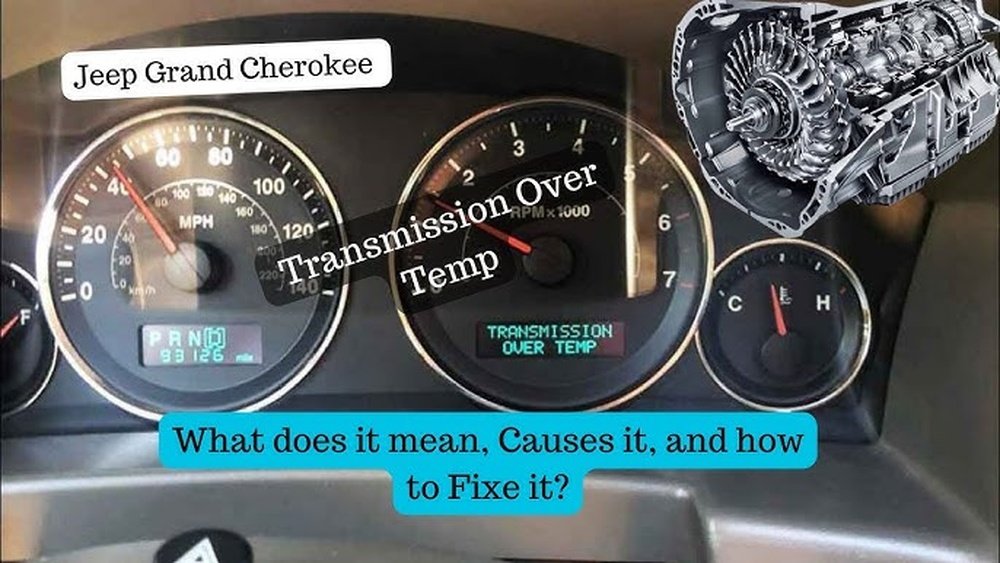
If you’re driving your Jeep and suddenly see the “Transmission Over Temp” warning, it can be alarming. This alert isn’t something you want to ignore because your transmission is one of the most critical parts of your vehicle.
Overheating can lead to serious damage and costly repairs if left unchecked. But don’t panic understanding what causes this warning and how to respond can save you time, money, and stress.
You’ll learn why your Jeep’s transmission might be overheating, what immediate steps you should take, and how to fix common issues so you can get back on the road safely.
Keep reading to protect your Jeep and drive with confidence.

Transmission Over Temp Warning
The Transmission Over Temp Warning in your Jeep signals a serious issue. It means the transmission fluid is hotter than it should be.
High temperatures can cause damage to the transmission system. This warning helps prevent costly repairs by alerting drivers early.
Pay close attention to this alert when it appears on your dashboard.
What Triggers The Warning
The warning usually triggers when the transmission fluid temperature rises too much. This can happen during heavy towing or driving uphill for long periods.
Low or dirty transmission fluid also causes overheating. A clogged cooler or damaged radiator may reduce cooling efficiency.
Faulty sensors sometimes detect false high temperatures. Still, genuine heat issues are the main cause of this alert.
False Alarms And Sensor Glitches
Sometimes, the warning flashes due to sensor problems. A loose wire or corroded connector can send wrong signals.
The transmission control module might also misread the temperature. These glitches cause false alarms without real overheating.
Regular inspection of sensors and wiring helps avoid false warnings. Resetting the vehicle’s computer may clear the error if it’s a glitch.
Common Causes Of Overheating
Transmission overheating is a common issue in Jeep vehicles. It can cause serious damage if ignored.
Understanding the common causes of overheating helps prevent costly repairs. Several factors can lead to high transmission temperatures.
Each cause affects the transmission’s ability to cool and function properly. Identifying the problem early helps maintain your Jeep’s performance and longevity.
Low Transmission Fluid Level
Transmission fluid cools and lubricates the system. Low fluid levels reduce cooling efficiency.
Leaks or worn seals often cause fluid loss. Without enough fluid, friction increases and heat builds up fast. Check fluid levels regularly to avoid overheating.
Degraded Or Dirty Fluid
Old transmission fluid loses its cooling power. It becomes dirty from metal particles and debris.
Dirty fluid causes poor lubrication and higher temperatures. Changing fluid at recommended intervals keeps the transmission cool and clean.
Clogged Or Damaged Cooler
The transmission cooler removes heat from the fluid. Dirt, bugs, or bent fins can block airflow.
A clogged cooler cannot cool fluid effectively. Damage to the cooler causes fluid leaks and overheating.
Inspect the cooler for damage or blockage often.
Faulty Sensors And Wiring Issues
Sensors monitor transmission temperature and send signals to the computer. Faulty sensors give wrong readings or fail to trigger cooling.
Wiring problems disrupt communication between sensors and controls. These errors can cause false overheating warnings or real heat buildup.
Risks Of Ignoring Over Temp Alerts
Ignoring transmission over temperature alerts in your Jeep leads to serious risks. These warnings signal your vehicle’s transmission is overheating.
Overheating harms the transmission’s components quickly. Over time, neglecting these alerts causes permanent damage.
It also affects how well your Jeep drives and increases repair bills.
Transmission Damage
High temperatures break down transmission fluid, reducing lubrication. Without proper lubrication, metal parts rub and wear out fast.
Overheated transmissions develop warped components and cracked seals. This damage leads to slipping gears and hard shifting.
Eventually, your transmission could fail completely, requiring costly replacement.
Reduced Vehicle Performance
An overheating transmission cannot transfer power smoothly. This causes slower acceleration and rough gear changes.
Your Jeep may hesitate or jerk while driving. Fuel efficiency also drops as the engine works harder.
Ignoring over temp alerts decreases your vehicle’s reliability and safety.
Increased Repair Costs
Delaying repairs allows minor problems to grow worse. Fixing a damaged transmission costs much more than routine maintenance.
Ignoring overheating can lead to full transmission rebuilds or replacements. Repair shops charge higher fees for emergency services.
Early attention to temperature warnings saves money and stress.
Immediate Steps To Take
When your Jeep shows a transmission over temp warning, quick action is vital. Ignoring it can cause serious damage.
The right steps help protect your vehicle and keep you safe on the road.
Follow these immediate steps carefully to manage the situation effectively and reduce the risk of further problems.
Safely Pulling Over
Find a safe spot to pull over as soon as possible. Use your turn signal and check mirrors before moving to the shoulder or a parking area.
Stop the vehicle and shift into Park. Avoid abrupt stops that could cause accidents.
Staying calm helps you handle the situation better.
Checking Transmission Fluid
Allow the engine to idle and cool down for a few minutes. Open the hood and locate the transmission fluid dipstick.
Pull it out, wipe it clean, then reinsert and remove again to check the level. The fluid should be bright red or pink and smell fresh.
Dark or burnt-smelling fluid means it needs service immediately.
Avoiding Engine Shutdown
Do not turn off the engine right away. The transmission fluid pump runs only when the engine is on.
Shutting off the engine traps heat and worsens overheating. Let the engine idle to help cool the transmission gradually.
Only shut down once you confirm it is safe or after professional advice.
Quick Fixes For Over Temp Issues
Transmission overheating in a Jeep can cause serious damage if not addressed quickly. Some fixes are simple and can stop the problem fast.
These quick steps help keep your transmission cool and working well. Try these easy solutions before visiting a mechanic.
Topping Off Transmission Fluid
Check the transmission fluid level using the dipstick. The fluid should be bright red or pink.
Low fluid causes heat to build up quickly. Add the correct Mopar transmission fluid for your Jeep model.
Do not overfill the system. Proper fluid level helps the transmission cool and shift smoothly.
Cleaning Sensor Connectors
Dirty or loose sensor connectors can send false overheat warnings. Locate the transmission temperature sensor and unplug it carefully.
Use a clean cloth or electrical contact cleaner to remove dirt. Reconnect the sensor firmly.
Clean connectors ensure accurate temperature readings and prevent unnecessary alerts.
Flushing Transmission Cooler
Transmission coolers can clog with dirt and debris. A blocked cooler reduces cooling efficiency.
Flush the cooler by draining old fluid and running fresh fluid through it. This clears dirt and improves airflow.
A clean cooler lowers transmission temperature and extends its life.
Resetting The Vehicle Computer
The vehicle computer may hold error codes that trigger over temp warnings. Disconnect the battery for about 15 minutes to reset the system.
Reconnect the battery and start the Jeep. This clears false alerts and resets sensors.
Resetting can stop warning lights if the transmission is actually fine.
When To Seek Professional Help
Knowing the right time to seek professional help for a Jeep transmission over temp warning is important. Ignoring signs can lead to serious damage.
A skilled mechanic can diagnose and fix the problem early. This prevents costly repairs and keeps your Jeep running smoothly.
Persistent Warning Lights
If the transmission over temp warning light stays on, do not ignore it. This often signals a deeper issue within the transmission system.
Persistent warnings mean the problem is not resolving on its own. Professional diagnostics can identify sensor or fluid problems quickly.
Unusual Noises Or Performance Issues
Strange noises like grinding or whining from the transmission need immediate attention. Poor shifting or slipping gears also indicate transmission trouble.
These symptoms show your Jeep’s transmission might be overheating or failing. A mechanic can inspect and repair the transmission properly.
Scheduled Maintenance Recommendations
Follow your Jeep’s maintenance schedule for transmission service. Regular fluid changes and inspections help prevent overheating.
Professional service keeps transmission parts clean and functioning well. Scheduled maintenance reduces the risk of transmission damage over time.
Preventing Future Overheating
Preventing transmission overheating in your Jeep is key to keeping it running smoothly. Heat damages transmission parts and leads to costly repairs.
Taking simple steps helps avoid future problems and extends your Jeep’s life.
Regular Fluid Checks And Changes
Check transmission fluid regularly. Low fluid levels cause the transmission to overheat quickly.
Use the dipstick to monitor fluid level and color. Healthy fluid is bright red or pink.
Dark or burnt fluid needs replacement. Follow the Jeep manufacturer’s schedule for fluid changes.
Fresh fluid cools and lubricates better, preventing heat buildup.
Maintaining Cooling System
The cooling system helps control transmission temperature. Inspect the radiator and transmission cooler for dirt and damage.
Clean or replace clogged parts to keep airflow steady. Check hoses for leaks or cracks and replace if needed.
A well-maintained cooling system stops heat from rising too high in the transmission.
Inspecting Electrical Connections
Faulty electrical connections can cause false overheat warnings or transmission issues. Examine wiring and connectors near the transmission and engine.
Look for corrosion, loose pins, or damaged wires. Clean and secure connections to ensure accurate sensor readings.
Proper electrical health avoids unnecessary overheating alerts and supports transmission performance.
Conclusion
Jeep transmission over temp warnings should never be ignored. Stop driving and check your fluid level quickly.
Clean sensor connections help avoid false alerts. Keep the transmission fluid fresh and topped up.
Regular maintenance prevents costly overheating problems. Seek professional help if the warning stays on.
Protect your Jeep’s transmission for a longer life. Safe driving and timely care keep your vehicle reliable.