If you drive a Jeep Cherokee, you know the dashboard warning lights are important. One of the most common—and sometimes worrying—lights is the oil light.
This little symbol, often shaped like an old-fashioned oil can, turns on to warn you about the engine’s oil pressure or oil level. But what should you do when it appears?
Is it safe to keep driving? And, once you fix the oil problem, how do you actually turn off the oil light on your Jeep Cherokee?
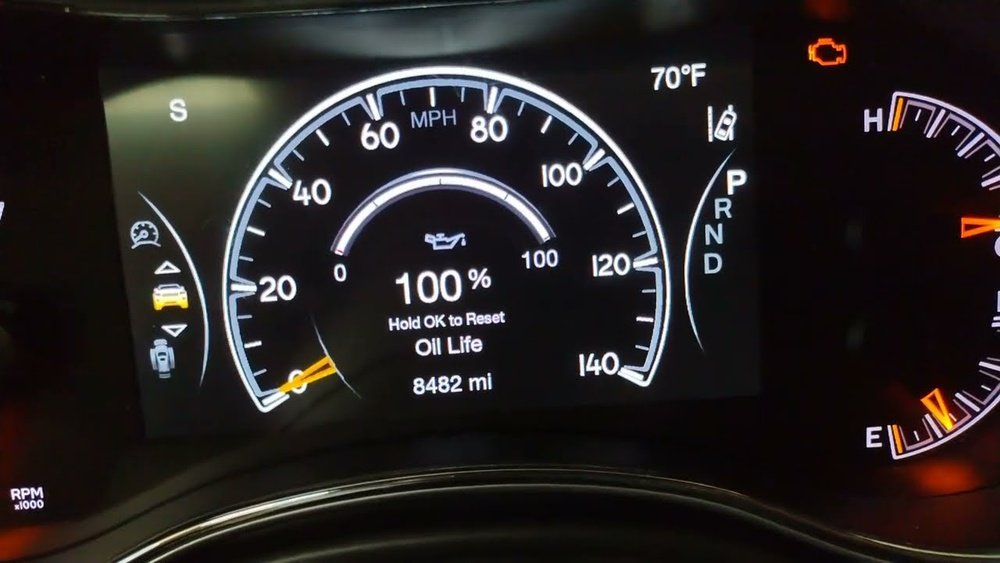
This guide will walk you through everything you need to know, with clear steps, practical tips, and key things most new owners miss.
Why The Oil Light Appears On A Jeep Cherokee
The oil light is not just an annoyance; it is a real warning. It usually means one of the following:
- Low oil pressure
- Low oil level
- Oil change required
- Faulty oil sensor
Ignoring the oil light can cause serious engine damage. The engine needs oil to move smoothly and stay cool.
Without enough oil, parts can grind together and overheat, leading to expensive repairs.
Some drivers think the oil light is just a reminder for an oil change. In reality, it can signal a much bigger problem.
That’s why it’s important to understand what triggers this light before you try to turn it off.
How To Respond When The Oil Light Comes On
When the oil light comes on, do not panic—but do not ignore it either. Here’s what you should do:
- Pull over safely. As soon as it is safe, stop your vehicle and turn off the engine.
- Check the oil level. Wait a few minutes for the engine to cool, then use the dipstick to check the oil.
- Top up if needed. If the oil level is low, add the correct type of oil for your Jeep Cherokee.
- Look for leaks. Inspect under your car for oil spots or drips.
- Restart and check the light. If the oil light stays on after adding oil, do not drive further. There may be a deeper problem.
Many owners make the mistake of simply resetting the light without checking the oil. This can lead to engine damage. Always check the oil first.
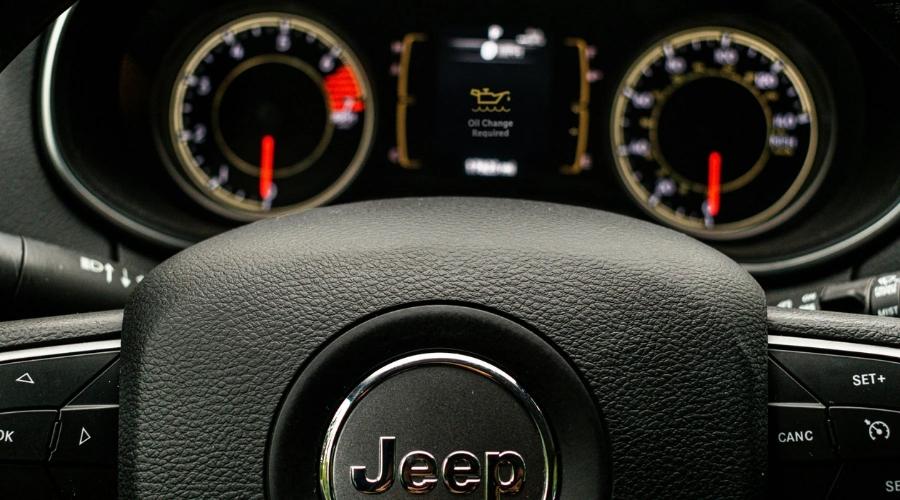
Steps To Turn Off The Oil Light On Jeep Cherokee
Once you have solved the oil issue by topping up the oil, fixing leaks, or changing the oil you can reset the oil light. The exact steps can be slightly different depending on your model year.
Most modern Jeep Cherokees (2014 and newer) use a similar procedure.
For 2014–2023 Jeep Cherokee Models
- Turn on the ignition without starting the engine. Press the Start/Stop button twice while your foot is off the brake.
- Press the gas pedal slowly three times within 10 seconds. Make sure you press all the way down and release each time.
- Turn off the ignition. Wait a few seconds, then start the engine to check if the light has reset.
For Older Jeep Cherokee Models
If you have an older model (pre-2014), the process is usually:
- Turn the key to the “ON” position (but do not start the engine).
- Slowly press the gas pedal all the way down three times within 10 seconds.
- Turn the key to “OFF,” then start the engine.
Why The Light Sometimes Stays On
Sometimes, even after changing the oil and resetting the system, the light does not go off. Possible reasons include:
- Oil sensor malfunction
- Faulty wiring
- Serious engine problems
If this happens, it’s best to have a mechanic check your vehicle.
Jeep Cherokee Oil Light: Key Data & Model Comparison
Here’s a quick comparison of common Jeep Cherokee model years and their oil light reset methods:
| Model Year | Oil Light Reset Method | Oil Change Interval (Miles) |
|---|---|---|
| 2014–2023 | Push Start (no brake), press gas pedal 3x | 5,000–7,500 |
| 2008–2013 | Key ON (no start), press gas pedal 3x | 5,000–7,000 |
| 1999–2007 | No reset needed (manual system) | 3,000–5,000 |
This table shows that newer models make the reset process easier, but all require careful attention to oil changes.
Common Mistakes When Resetting The Oil Light
Many Jeep Cherokee owners miss small but important details during the reset process. Here are some mistakes to avoid:
- Not waiting between pedal presses. Press the gas pedal fully and release it each time.
- Trying to reset with the engine running. The engine must be off, but the ignition should be on.
- Ignoring oil problems. Never reset the light before fixing the cause.
- Using the wrong oil type. Always use oil that meets your Jeep’s specifications.
Resetting the oil light without solving the real issue can cause engine failure. Always follow the steps carefully.
How To Prevent Oil Light Problems In The Future
To keep your Jeep Cherokee healthy and avoid oil light issues, follow these tips:
- Change oil regularly. Stick to the recommended interval (usually every 5,000–7,500 miles for newer models).
- Use the correct oil. Check your owner’s manual for the right oil grade.
- Inspect for leaks. Look under your vehicle every month for signs of oil leaks.
- Replace the oil filter. Change the filter at every oil change.
- Listen for engine noises. Clicking or knocking can mean oil problems.
Some drivers believe that modern engines do not need frequent oil changes. But skipping maintenance can reduce your engine’s lifespan.
High-mileage engines may need oil changes more often, especially if you drive in hot or dusty places.
Signs Of Deeper Problems (when The Oil Light Won’t Go Off)
Most of the time, resetting the oil light is simple. But if the light stays on, it could mean:
- Oil pressure sensor failure: The sensor might be faulty and give a false warning.
- Wiring problems: Damaged wires or loose connections can keep the light on.
- Worn engine parts: If you hear knocking, it could be worn bearings or other internal parts.
- Oil pump failure: This is rare, but serious. The pump might not be circulating oil.
If you have topped up the oil and reset the light, but it still stays on, get your Jeep checked by a professional mechanic. Delaying repairs can lead to engine damage that costs thousands of dollars.
Jeep Cherokee Oil Warning Lights: What Each Symbol Means
The oil light is just one of several warning lights on your Jeep Cherokee’s dashboard. Here’s a quick guide to the most common ones:
| Symbol | Meaning | Action Needed |
|---|---|---|
| Oil Can (Red) | Low oil pressure or oil level | Stop and check oil immediately |
| Oil Can (Amber/Yellow) | Oil change reminder | Schedule oil change soon |
| Check Engine | Engine issue detected | Scan for codes and service as needed |
Knowing these symbols helps you react quickly to keep your Jeep running smoothly.
Expert Tips For Safe Oil Light Reset
Most drivers can reset their Jeep Cherokee oil light at home. But here are two advanced tips that many owners miss:
- Cycle the ignition if the reset fails. If the light does not turn off after the first try, turn the ignition off and repeat the process. Sometimes the system needs a second attempt.
- Disconnect the battery (as a last resort). If the light still will not reset, you can try disconnecting the negative battery terminal for 10 minutes. This resets the vehicle’s computer, but you may lose radio presets and clock settings.
Always check your owner’s manual before trying advanced resets.
When To See A Mechanic
If you have:
- Refilled the oil
- Reset the oil light
- Checked for leaks
- Tried the process twice
…and the oil light still stays on, see a professional. Sometimes, the problem is deeper than a simple reset.
Jeep dealerships have special diagnostic tools that can scan your car’s computer for error codes. This helps pinpoint the exact cause of the oil warning.
If your Jeep is under warranty, do not try to fix electrical problems yourself. This could void the warranty.
Cost Of Oil Light Repairs For Jeep Cherokee
Here’s what you might pay for common oil light fixes:
| Repair Type | Estimated Cost (USD) | Time Required |
|---|---|---|
| Oil Change | $50–$120 | 30–45 minutes |
| Oil Pressure Sensor Replacement | $120–$250 | 1–2 hours |
| Oil Pump Replacement | $600–$1,200 | 4–6 hours |
Prices depend on your location and whether you use a dealership or independent shop. Simple resets and oil changes are often the most affordable fixes.
Best Practices For Jeep Cherokee Oil Maintenance
Keeping your Jeep Cherokee’s oil system healthy is not just about turning off warning lights. Follow these best practices for long engine life:
- Stick to a regular oil change schedule.
- Always use high-quality oil and filters.
- Keep a record of all oil changes and repairs.
- Check oil level monthly, especially before long trips.
- Watch for dashboard lights and unusual engine sounds.
Modern Jeeps have helpful reminders and sensors, but regular manual checks are still important.
Frequently Asked Questions
What Does The Oil Light Mean On A Jeep Cherokee?
The oil light means the engine’s oil pressure is low, the oil level is low, or it’s time for an oil change. If it is red, stop immediately and check the oil. If it is yellow or amber, schedule an oil change soon.
How Often Should I Change The Oil In My Jeep Cherokee?
Most newer Jeep Cherokees need an oil change every 5,000 to 7,500 miles. Older models may require it every 3,000–5,000 miles. Always check your owner’s manual for your specific year.
Can I Drive With The Oil Light On?
No, it is not safe to drive with the oil light on. Low oil pressure can damage your engine quickly.
Pull over safely, check the oil level, and top up if needed. If the light stays on, get your Jeep checked by a mechanic.
How Do I Reset The Oil Light After An Oil Change?
For most 2014+ Jeep Cherokees: Turn on the ignition without starting the engine, press the gas pedal all the way down three times within 10 seconds, then turn off the ignition. For older models, use the key instead of a start button.
What If The Oil Light Stays On After Resetting?
If the oil light stays on after you have changed the oil and tried to reset it, there may be a deeper issue like a bad sensor or oil pump problem. Have a mechanic check your vehicle as soon as possible.
Taking care of your Jeep Cherokee’s oil system protects your engine and gives you peace of mind. With these tips and clear steps, you can handle oil light warnings confidently. For extra details on dashboard lights and car maintenance, visit the National Highway Traffic Safety Administration site. Remember, a little attention now can save you from big repairs later.