If you own a 2004 Jeep Liberty, you might already know it’s a versatile SUV designed for both city driving and off-road adventures. But to truly get the most out of your Liberty, understanding how to use the 4-wheel drive system is essential.
Many drivers are unsure when and how to engage 4WD, what each mode means, and what mistakes to avoid. Used correctly, 4WD helps you handle mud, snow, sand, and rocky terrain with confidence.
Used incorrectly, it can cause unnecessary wear—or even damage—your vehicle.
This article will break down everything you need to know about using the 4-wheel drive on your 2004 Jeep Liberty. We’ll cover each drive mode, when and how to use them, common mistakes, and tips for safer driving. Whether you’re new to 4WD or just want to make sure you’re doing it right, you’ll find practical advice below.
Understanding The Jeep Liberty’s 4wd System
The 2004 Jeep Liberty uses a system called Command-Trac or Selec-Trac, depending on the trim level. Both offer multiple modes for different driving conditions. The most common 4WD modes you’ll find are:
- 2WD (Two-Wheel Drive or 2HI)
- 4WD Part-Time (4HI)
- 4WD Full-Time (if equipped)
- 4WD Low (4LO)
Each of these modes is designed for a specific type of road or terrain. Let’s look at what each one does, and when to use it.
2wd (two-wheel Drive)
In 2WD mode, only the rear wheels receive power from the engine. This is the default mode for normal driving on paved roads.
When To Use 2wd
- Everyday driving on dry, clear pavement
- City streets and highways
- When you want the best fuel economy
2WD is ideal for regular conditions because it reduces wear on the 4WD system and improves gas mileage. Most drivers will spend the majority of their time in this mode.
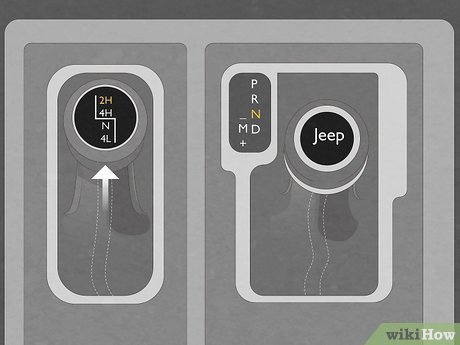
How To Engage 2wd
- Make sure your Liberty is stopped or moving slowly.
- Move the transfer case lever (often located next to the gear shifter) to “2WD” or “2HI.”
- The indicator light on your dashboard should show you are in 2WD.
Non-obvious insight: Even if you love the idea of all-wheel power, using 4WD on dry pavement can actually harm your Jeep’s drivetrain. Always stick to 2WD unless extra traction is needed.
4wd Part-time (4hi)
4HI means four-wheel drive, high range. In this mode, power is sent to both the front and rear axles, improving traction. But it’s called “part-time” because it’s not designed for continuous use on dry, hard surfaces.
When To Use 4hi
- Snow, slush, or ice-covered roads
- Dirt, gravel, or muddy roads
- Off-road trails with loose surfaces
- Wet grass or sand
How To Engage 4hi
- Shift-on-the-fly: You can switch from 2WD to 4HI while driving straight at speeds up to 45 mph (72 km/h).
- Simply pull the transfer case lever from 2WD into 4HI.
- The 4WD indicator light should turn on.
Tip: Always make sure your wheels are pointed straight and avoid shifting while turning. If you hear grinding noises, stop and try again.
Important Warnings
- Never use 4HI on dry pavement. It can cause “driveline binding,” which means your tires can’t slip and the system gets stressed.
- 4HI is not the same as “all-wheel drive.” It’s for slippery or loose surfaces only.
4wd Full-time (if Equipped)
Some 2004 Jeep Liberty models, especially with the Selec-Trac system, have a “4WD Full-Time” mode. In this setting, you can drive on any surface—wet or dry—because it allows for different front and rear wheel speeds using a center differential.
When To Use 4wd Full-time
- Roads where conditions change often (wet, dry, patches of snow)
- Rainy highways
- Mixed surfaces where extra traction is needed but you don’t want to keep switching modes
How To Engage 4wd Full-time
- While driving at any speed, move the transfer case lever to “4WD Full-Time.”
- Check that the dashboard indicator confirms you are in this mode.
Non-obvious insight: If your Liberty doesn’t have “4WD Full-Time” labeled on the shifter or in the manual, you do not have this option. Don’t attempt to use 4HI on dry roads thinking it’s the same.
4wd Full-time Vs. Part-time: Quick Comparison
Here’s a look at how these two modes differ:
| Feature | 4WD Part-Time (4HI) | 4WD Full-Time |
|---|---|---|
| Surface Type | Slippery/loose only | Any (wet or dry) |
| Center Differential | No | Yes |
| Use on Pavement | No | Yes |
| Wear on Drivetrain | High on dry roads | Low |

4wd Low (4lo)
This mode provides maximum power and torque at low speeds, perfect for tough off-road situations. Both front and rear wheels are powered, but the gear ratios change to give you more control.
When To Use 4lo
- Deep mud, sand, or snow
- Climbing or descending steep hills
- Rock crawling or deep off-road ruts
- Pulling a heavy load at low speed
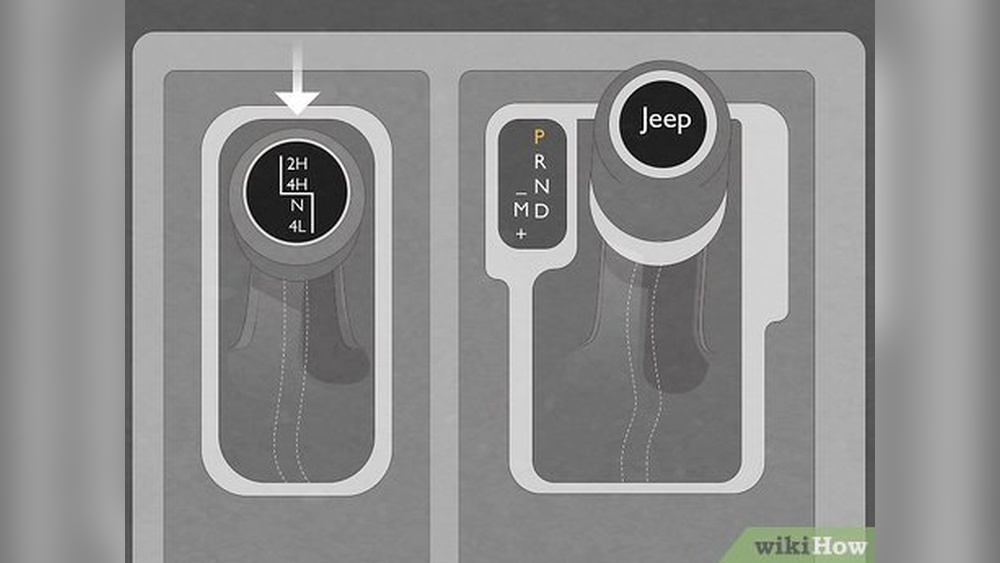
How To Engage 4lo
- Stop your Jeep completely.
- Shift the transmission to Neutral (N).
- Firmly pull the transfer case lever from 4HI (or 2WD) into “4LO.”
- Wait for the indicator light to show you are in 4LO, then shift back to Drive (D).
Warning: Never use 4LO on normal roads or at speeds above 25 mph (40 km/h). This mode is only for slow, controlled movement on difficult terrain.
Key Differences: 4hi Vs. 4lo
| Feature | 4HI | 4LO |
|---|---|---|
| Speed Range | Up to 55 mph (89 km/h) | Up to 25 mph (40 km/h) |
| Power/Torque | Standard | High/Maximum |
| Best For | Slippery roads | Off-road, hills |
How To Shift Between 4wd Modes
Switching between these modes is easy, but you need to follow the right steps to avoid damage:
- 2WD to 4HI: Can be done while moving (below 45 mph), wheels straight.
- 4HI to 2WD: Can also be done while moving, but let off the accelerator slightly.
- 4HI to 4LO: Stop completely, shift to Neutral, then move the lever to 4LO.
- 4LO to 4HI or 2WD: Stop, shift to Neutral, then move the lever.
If you feel resistance, gently roll the vehicle forward or backward a few inches to help the gears align.
Common Mistakes To Avoid
Many new Jeep owners make errors that can damage the 4WD system or reduce its effectiveness. Here are the most common mistakes:
- Engaging 4WD on Dry Pavement: This can cause tire binding and stress on the drivetrain.
- Switching to 4LO While Moving: Always come to a complete stop and shift to Neutral first.
- Forgetting to Return to 2WD: Prolonged use of 4WD on regular roads wastes fuel and increases wear.
- Ignoring Warning Lights or Grinding Noises: These are signs something is wrong—stop and check before continuing.
Practical Tips For Using 4wd
- Practice in a Safe Area: If you’re new to 4WD, try switching modes in an empty parking lot or quiet dirt road.
- Regularly Use 4WD: Engage 4WD briefly every few months, even in good weather, to keep parts lubricated.
- Check Tire Pressure: Uneven tires can cause problems when using 4WD.
- Read Your Owner’s Manual: Each Jeep can have slight differences—always check your specific instructions.
Troubleshooting Common 4wd Problems
If your 4WD won’t engage, the most likely causes are:
- Low transfer case fluid
- Worn shifter linkage
- Blown fuse or electrical issue
- Dashboard light not illuminating (could be a simple sensor problem)
If you cannot resolve the issue, it’s best to have a certified mechanic inspect the vehicle.
Real-world Example: Using 4wd In Winter
Imagine you’re driving your Jeep Liberty in a sudden snowstorm. The roads are slippery, and cars are sliding. Here’s what you should do:
- Slow down and keep your wheels straight.
- Shift from 2WD to 4HI to get extra traction.
- Drive at a moderate speed. If conditions improve, return to 2WD to save fuel and reduce wear.
- If you get stuck in deep snow, come to a stop, shift to Neutral, and engage 4LO to help power out.
Insight: Always clean snow and ice from around the tires before shifting into 4LO. Packed snow can make it hard for the system to engage fully.
Comparing 4wd Vs. Awd (all-wheel Drive)
Some people confuse 4WD with AWD. Here’s a quick comparison for clarity:
| Feature | 4WD | AWD |
|---|---|---|
| Driver Control | Manual engagement | Automatic |
| Best For | Off-road, tough terrain | Wet, light snow, mixed conditions |
| Low Range Option | Yes (4LO) | No |
| Fuel Efficiency | Lower when engaged | Generally higher |
Keeping Your 4wd System In Good Shape
- Service Regularly: Change the transfer case and differential fluids as recommended.
- Listen for Noises: Clicking or grinding means it’s time for a check-up.
- Use Correct Tires: All four tires should match in size and wear.
- Don’t Ignore Smells: A burnt smell can mean the system is overheating.
A well-maintained 4WD system will last for years and help you tackle tough conditions safely.
Frequently Asked Questions
What Is The Difference Between 4hi And 4lo In My Jeep Liberty?
4HI is for moderate traction needs, like snow or mud, at normal driving speeds. 4LO is for tough, slow situations—like steep hills or deep sand—where you need extra torque at low speed.
Can I Shift Into 4wd While Driving?
Yes, you can shift between 2WD and 4HI while driving straight below 45 mph. Always stop and shift to Neutral before engaging or disengaging 4LO.
Why Should I Avoid Using 4wd On Dry Pavement?
The 4WD system locks the front and rear axles together. On dry pavement, the tires can’t slip, causing extra stress and possible damage to the drivetrain.
How Do I Know If My Jeep Liberty Has Selec-trac Or Command-trac?
Check your shifter and owner’s manual. Selec-Trac offers a 4WD Full-Time mode, while Command-Trac only offers 2WD, 4HI, and 4LO. Your VIN or the manufacturer’s website can also help identify your system.
Where Can I Find More Information On 4wd Systems?
A good resource is the Wikipedia page on four-wheel drive, which explains the technology and history in detail.
Using the 4WD system in your 2004 Jeep Liberty is easy once you know the basics. Always match the mode to the conditions, follow correct shifting steps, and keep your system maintained.
With this knowledge, you’ll be ready for anything the road or the trail throws your way.