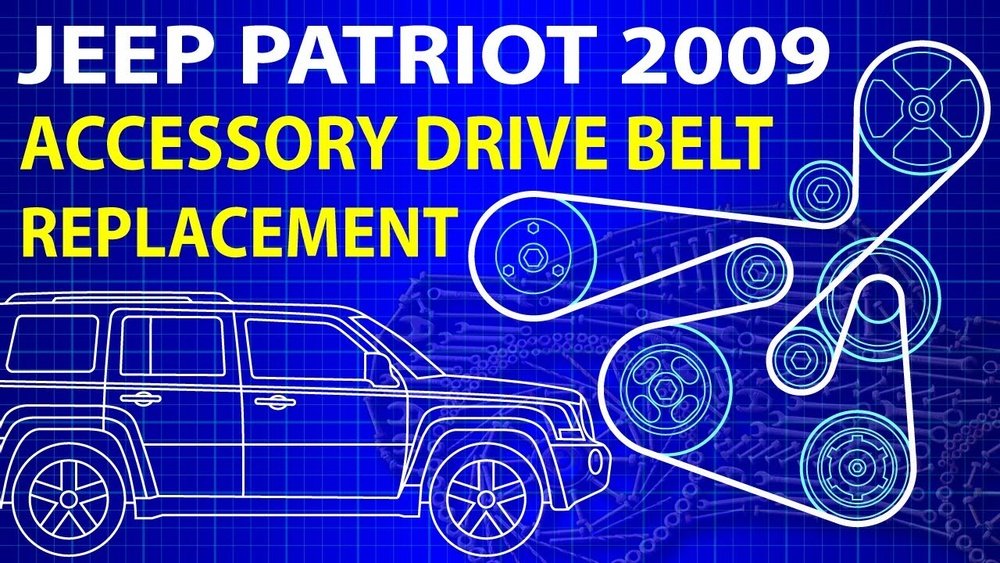
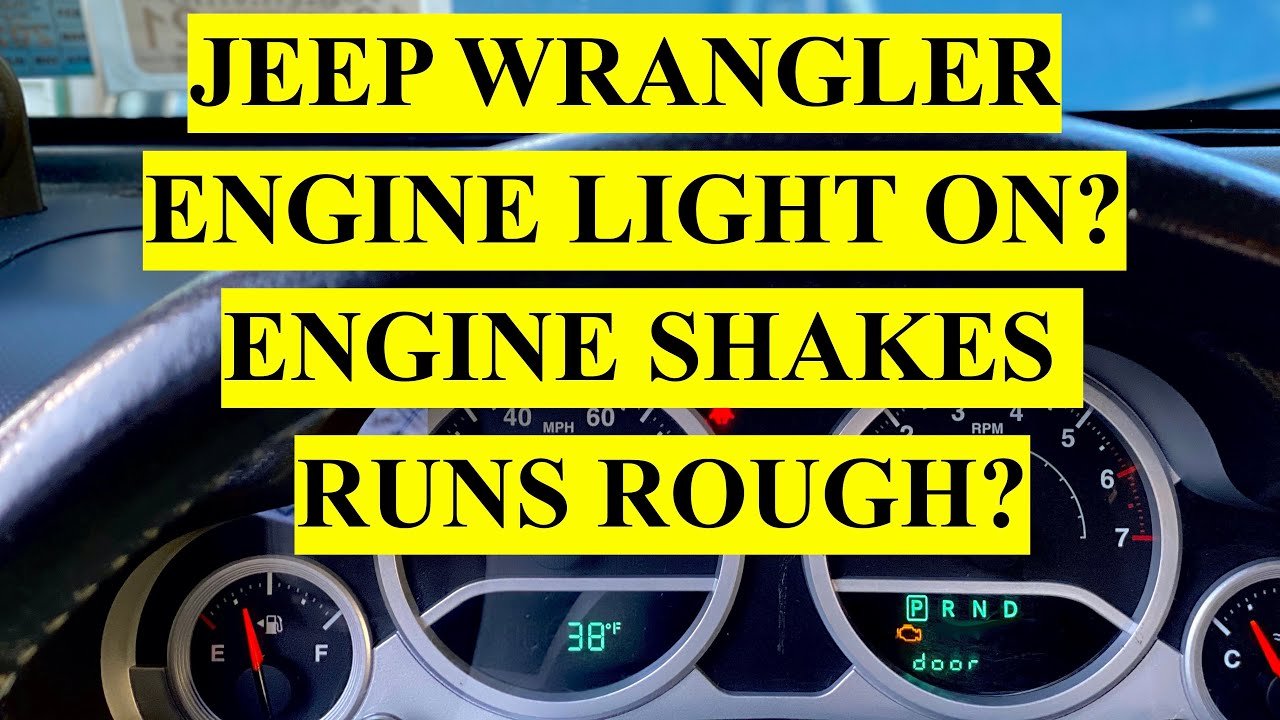
Is your Jeep’s check engine light blinking and you’re not sure what to do? That flashing warning is more than just a nuisance, it’s your Jeep’s urgent way of telling you something serious is wrong.
Ignoring it could lead to costly damage, especially to critical parts like your engine or catalytic converter. But don't panic.
By understanding what that blinking light means and taking the right steps immediately, you can protect your Jeep and avoid expensive repairs.
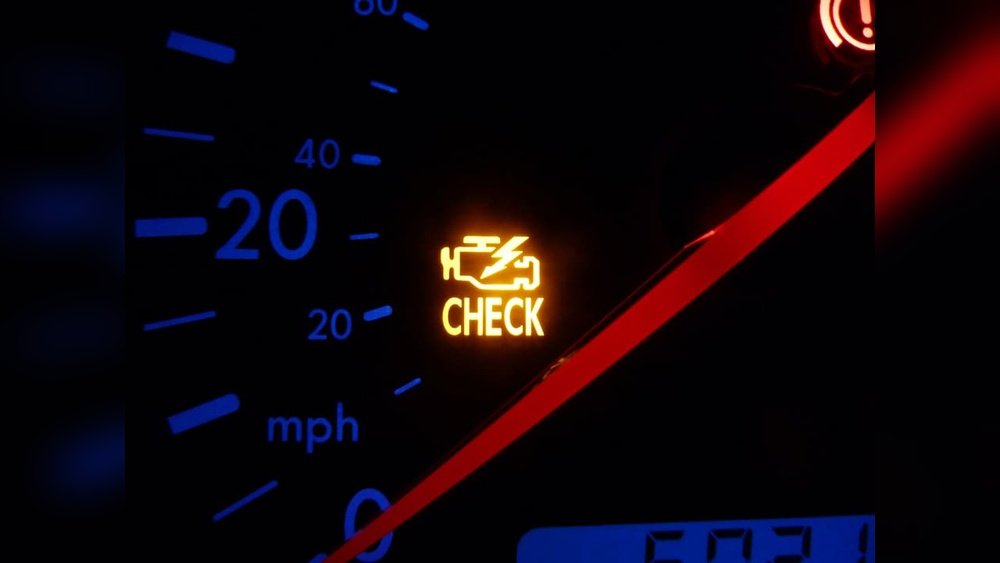
Keep reading to learn why your Jeep’s check engine light is blinking, what might be causing it, and exactly what you should do next to keep your vehicle running smoothly and safely.
Blinking Check Engine Light Meaning
The Jeep check engine light blinking signals a serious problem. Acting fast can protect your engine and wallet.
Knowing the right steps helps you stay safe and limit damage. Below are key immediate actions to take when you see the blinking light.
Safe Places To Pull Over
Look for a safe spot off the road. Avoid sharp turns or blind curves.
Parking lots or wide shoulders work well. Turn on your hazard lights to alert other drivers.
Pulling over quickly stops further damage to your Jeep.
When To Turn Off The Engine
Turn off the engine as soon as you stop safely. Running the engine with a blinking light can harm parts.
Wait a few minutes before restarting to see if the problem persists. If the light continues to flash, keep the engine off and call for help.
Avoiding Further Damage
Do not keep driving with the blinking check engine light. Engine misfires can cause costly damage to the catalytic converter.
Avoid hard acceleration or high speeds if you must move the vehicle. Schedule a professional inspection immediately to fix the issue.
Immediate Actions To Take
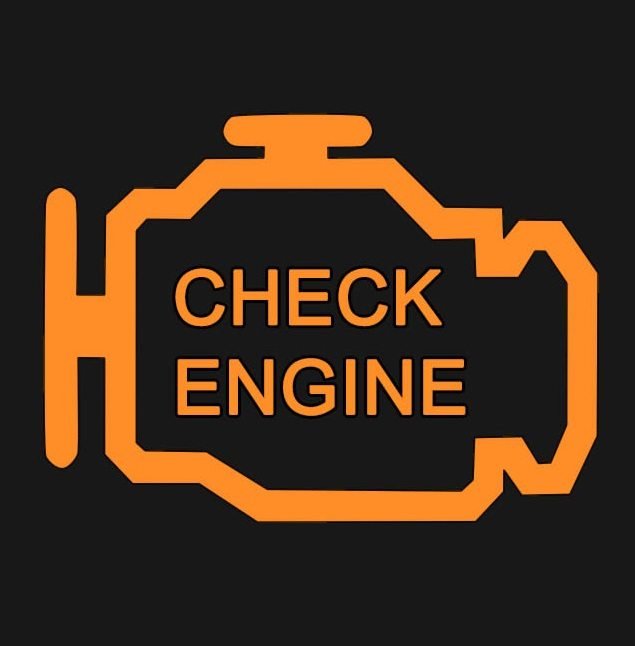
The Jeep check engine light blinking signals a serious engine problem. It warns about issues that can damage your vehicle.
Understanding common causes helps in quick action and repair.
Most flashing lights come from engine misfires or parts that fail to work right. Ignoring the light can lead to costly repairs or breakdowns.
Identifying the root cause is important for safety and performance.
Ignition Coil Failures
The ignition coil sends electricity to the spark plugs. If it fails, the spark plugs won’t fire properly.
This causes engine misfires and rough running. A bad coil often makes the check engine light flash.
Faulty Spark Plugs
Spark plugs ignite the fuel in the engine cylinders. Worn or dirty plugs cause weak sparks or no spark.
This leads to misfires and poor engine performance. Flashing light often points to spark plug problems.
Fuel Injector Issues
Fuel injectors spray fuel into the engine cylinders. Clogged or leaking injectors disrupt fuel flow.
The engine may misfire or run unevenly. This triggers the check engine light to flash.
Timing Belt Or Chain Problems
The timing belt or chain controls engine valve timing. If it slips or breaks, valves and pistons won’t sync.
This causes severe engine misfires and damage. The blinking light warns of this serious issue.
Cylinder Head Concerns
Problems in the cylinder head, like cracks or leaks, affect engine compression. This causes misfires and poor engine function.
The check engine light may flash to signal these issues.
Common Causes Of Flashing Light
Diagnosing a blinking check engine light on your Jeep requires careful attention. This warning signals a serious engine issue, often a misfire.
Identifying the root cause quickly can prevent costly damage. Use the right tools to read and understand the error codes your Jeep generates.
These codes point to the exact problem, making repairs easier and more accurate.
Using Obd-ii Code Readers
OBD-II code readers are affordable and easy to use. Plug the reader into your Jeep’s diagnostic port, usually under the dashboard.
The device will display error codes stored in the vehicle’s computer. These codes help identify engine problems linked to the blinking light.
Many readers provide a simple description of the issue. This tool is perfect for quick, basic diagnostics at home.
Professional Diagnostic Tools
Professional diagnostic tools offer more detailed information than basic OBD-II readers. Mechanics use these advanced devices to access deeper system data.
They can test sensors, fuel systems, and ignition components. This level of detail helps find complex or hidden problems causing the blinking light.
Professionals can also reset the light after repairs are complete. These tools ensure a thorough and precise diagnosis.
Interpreting Error Codes
Error codes follow a standardized format, starting with a letter and followed by numbers. Each code points to a specific part or system.
For example, P0300 indicates a random misfire, a common cause of blinking lights. Use online databases or manuals to decode these messages.
Understanding the code helps decide the next steps for repair. Accurate interpretation prevents unnecessary parts replacement and saves money.
Effects On Your Jeep
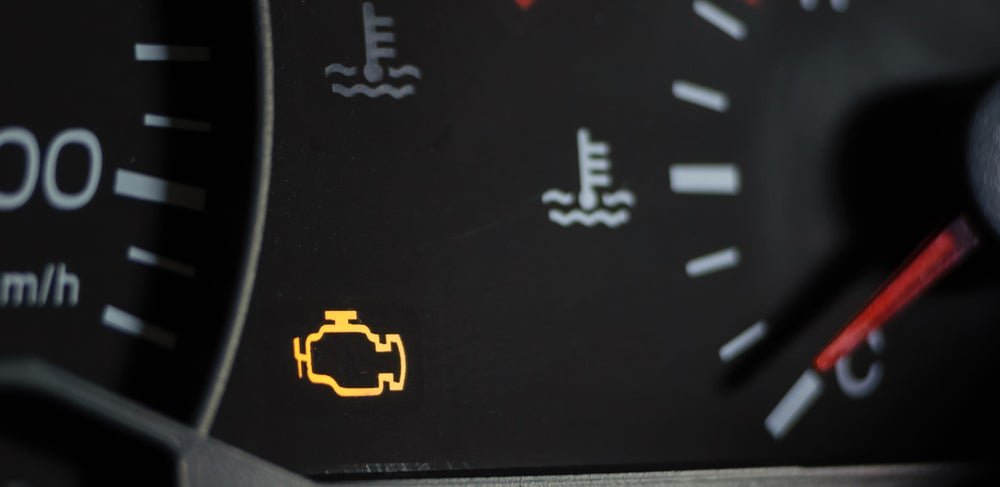
The Jeep check engine light blinking is a warning sign. It signals a serious engine issue needing quick attention.
Some fixes are simple and can be done at home. These quick fixes may stop the blinking and keep your Jeep safe on the road.
Replacing Spark Plugs
Old or worn spark plugs cause engine misfires. Removing them and installing new ones can restore smooth engine running.
Spark plugs are easy to access and inexpensive to replace. Make sure to check the gap size before installing new plugs.
Properly functioning spark plugs help improve fuel efficiency and reduce emissions.
Checking And Swapping Ignition Coils
Ignition coils send power to spark plugs. A faulty coil can cause the check engine light to blink.
Testing coils with a multimeter helps find problems. Swap the bad coil with a good one from another cylinder.
This helps confirm if the coil is the issue. Replacing a broken ignition coil restores proper firing in the engine.
Inspecting And Repairing Hoses
Cracked or loose hoses can lead to engine problems and blinking lights. Check vacuum hoses and air intake hoses for damage or leaks.
Tighten loose clamps and replace any broken hoses. Fixing hose issues stops air leaks that can cause rough engine running.
Keeping hoses in good shape prevents check engine light alerts.
Basic Maintenance Tips
Regular Jeep maintenance helps avoid engine problems and blinking lights. Change oil and filters on time to keep the engine clean.
Use quality fuel and check fuel injectors for clogs. Keep the battery and charging system in good condition.
Simple maintenance keeps your Jeep running well and reduces unexpected check engine warnings.
Diagnosing The Problem
The Jeep check engine light blinking signals trouble under the hood. It often means the engine is misfiring or facing serious issues.
Knowing when to seek professional help can save your Jeep from costly damage. Some problems need expert diagnosis and repair to keep your vehicle running smoothly.
Persistent Or Recurring Issues
If the check engine light keeps blinking or returns after resetting, it shows the problem is not solved. Persistent issues can harm the engine over time.
A professional mechanic can find hidden faults causing the light to blink repeatedly. Ignoring these signs can lead to bigger repairs later.
Complex Engine Repairs
Some engine problems require special tools and knowledge to fix. Complex repairs, like ignition coil replacement or fuel system checks, are best done by experts.
Attempting these fixes without experience can worsen the problem. Professionals use advanced diagnostics to identify the exact cause quickly.
Ensuring Safety And Reliability
A blinking check engine light may affect your Jeep’s safety and performance. Driving with engine trouble can cause breakdowns or accidents.
Skilled technicians ensure your vehicle runs safely and reliably. Getting professional help protects you and your Jeep on the road.
Quick Fixes You Can Try
Preventing future issues with your Jeep’s blinking check engine light starts with proactive care. Taking steps early helps avoid costly repairs and keeps your vehicle running smoothly.
Simple habits can make a big difference in engine health and performance.
Regular Maintenance Schedules
Follow the manufacturer’s recommended service intervals strictly. Regular oil changes, filter replacements, and inspections catch problems before they grow.
Scheduled tune-ups keep spark plugs and ignition coils in good condition. Timely maintenance lowers the risk of engine misfires and sensor failures.
Using Quality Parts
Choose parts that meet or exceed Jeep’s standards. Low-quality components often fail sooner and cause warning lights to blink.
Genuine or OEM replacement parts ensure compatibility and durability. High-quality spark plugs, ignition coils, and sensors reduce engine faults and improve reliability.
Monitoring Engine Performance
Keep an eye on your Jeep’s performance daily. Notice any rough idling, reduced power, or unusual noises early. Use an OBD-II scanner for regular system checks at home. Early detection of minor issues prevents severe engine damage and blinking check engine lights.
Conclusion
A blinking Jeep check engine light signals a serious engine problem. Stop driving immediately to avoid costly damage.
Common causes include bad ignition coils or faulty spark plugs. Ignoring the warning can harm your engine and catalytic converter.
Have a trusted mechanic diagnose and fix the issue soon.
Regular maintenance helps prevent these problems. Stay safe by acting quickly when the light blinks.
Your Jeep will run better and last longer with timely care. Don't delay protect your vehicle and your peace of mind.