If you’re staring at your Jeep’s dashboard wondering, “Why is my engine light on?” you’re not alone. That little warning light can cause a lot of stress because it signals that something isn’t quite right under the hood.
But before panic sets in, it’s important to understand what that light means for your Jeep and what steps you should take next.
Whether it’s a loose gas cap or a more serious engine issue, knowing why your Jeep’s engine light is on can save you time, money, and headaches.
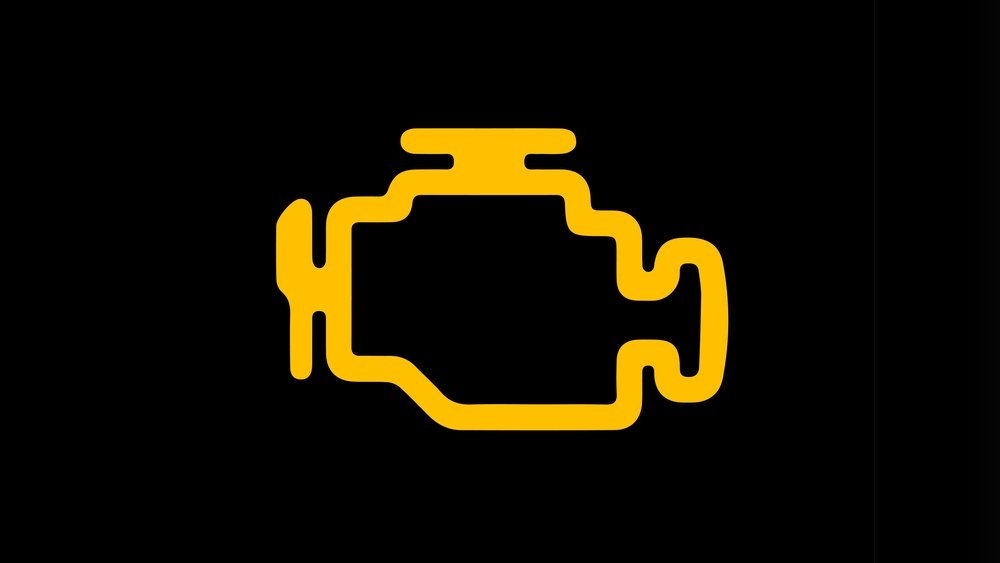
Keep reading to learn how to decode this warning and what you can do to get back on the road safely.
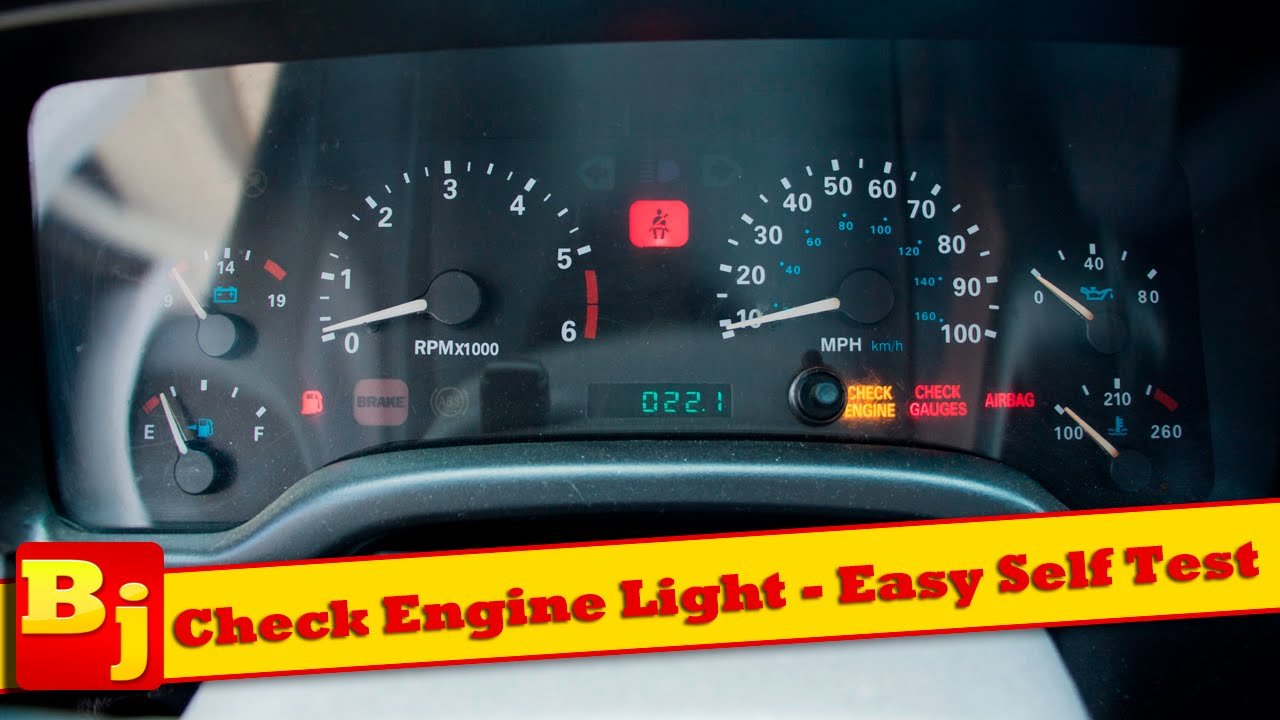
Engine Light Signals
The check engine light on your Jeep can signal many issues. Some causes are simple to fix, while others need professional help.
Knowing common causes helps you understand why the light appears.
This knowledge guides you to the right action and prevents bigger problems.
Loose Or Damaged Gas Cap
The gas cap seals the fuel system. A loose or damaged cap lets fuel vapors escape.
This triggers the engine light and emissions warnings. Tighten the cap until it clicks. Replace it if cracked or broken.
Faulty Oxygen Sensor
The oxygen sensor measures air and fuel balance. A bad sensor sends wrong data to the engine control unit.
This causes poor fuel economy and higher emissions. Replacing a faulty sensor often fixes the problem.
Worn Spark Plugs And Coils
Spark plugs ignite the fuel mixture in the engine. Coils provide power to the plugs.
If either wears out, the engine misfires. This causes rough running and triggers the check engine light. Regular replacement keeps the engine smooth.
Misfiring Engine Components
Misfires happen when fuel or spark is missing in one or more cylinders. This causes loss of power and engine shaking.
Ignoring misfires can damage the engine. A diagnostic scan helps find which parts need repair.
Vacuum Leak Issues
Vacuum leaks allow extra air into the engine. This disrupts the air-fuel mix, causing rough idle and stalling.
Hoses and gaskets are common leak points. Fixing leaks improves performance and turns off the warning light.
Exhaust System Problems
Issues in the exhaust, like a clogged catalytic converter, affect engine efficiency. Sensors detect these faults and trigger the engine light.
Repairing or replacing exhaust parts restores proper function and clears the light.

Common Causes
When your Jeep’s engine light turns on, quick fixes can sometimes solve the problem fast. These fixes are simple and often save time and money.
Many Jeep owners can do these repairs themselves with basic tools. Start with easy checks before heading to a mechanic.
Tightening Or Replacing Gas Cap
A loose or damaged gas cap is a common cause of the engine light. The fuel system needs a tight seal to work properly.
Unscrew the gas cap and check for cracks or wear. Clean the cap and the fill area, then tighten the cap until it clicks.
If the light stays on, try replacing the gas cap with a new one. This fix often clears the error code quickly.
Replacing Spark Plugs
Worn spark plugs cause engine misfires and rough running. Old plugs reduce fuel efficiency and trigger the engine light.
Check your Jeep’s manual for the spark plug type and replacement interval. Remove the old plugs and look for signs of wear or deposits.
Replace them with new plugs, making sure to gap them correctly. New spark plugs help the engine run smoothly and may turn off the light.
Cleaning Or Changing Oxygen Sensors
Oxygen sensors monitor exhaust gases and help control fuel mixture. Dirty or failing sensors cause poor engine performance and light warnings.
Locate the sensors on the exhaust system, usually near the engine or catalytic converter. Cleaning them may help, but often replacement is needed.
New oxygen sensors improve fuel economy and reduce emissions, clearing the engine light.
Fixing Vacuum Leaks
Vacuum leaks let extra air into the engine, causing rough idle and light alerts. Listen for hissing sounds under the hood, especially near hoses and intake manifolds.
Inspect hoses for cracks, breaks, or loose connections. Replace damaged hoses or tighten fittings to stop leaks.
Fixing vacuum leaks stabilizes engine performance and may turn off the engine light.
Conclusion
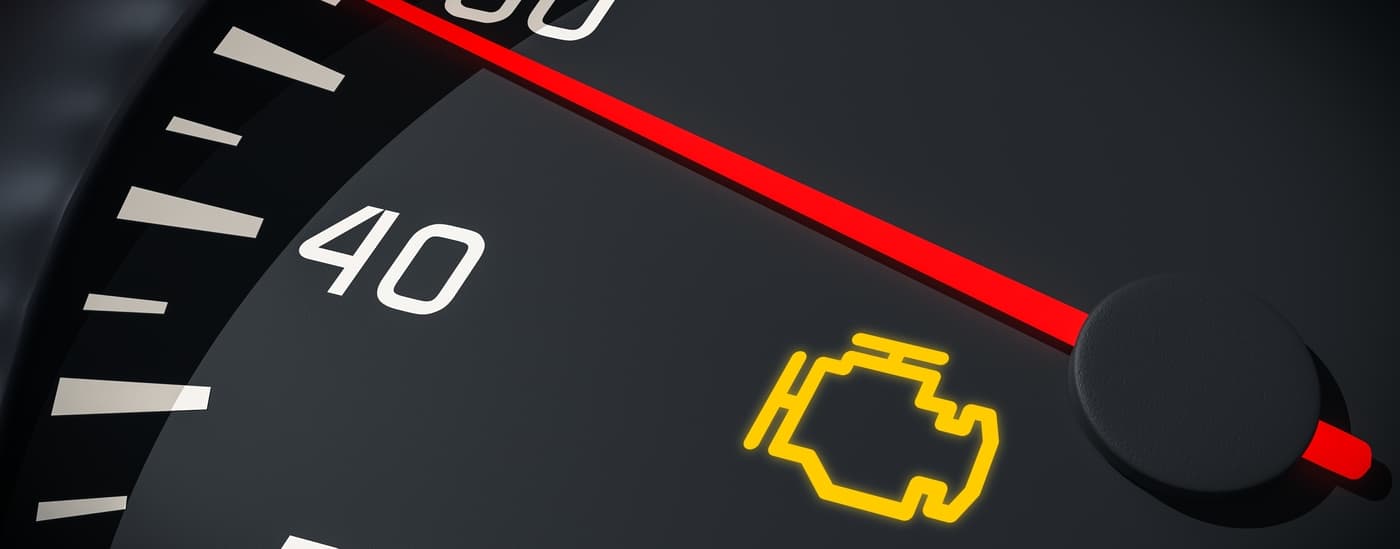
The Jeep engine light signals your vehicle needs attention. It could be a loose gas cap or a worn spark plug. Ignoring it may cause bigger issues later. Use a code reader to identify the exact problem quickly. Act soon to keep your Jeep running smoothly and safely.
Staying aware helps prevent costly repairs down the road. Take simple steps to protect your vehicle and enjoy worry-free driving.