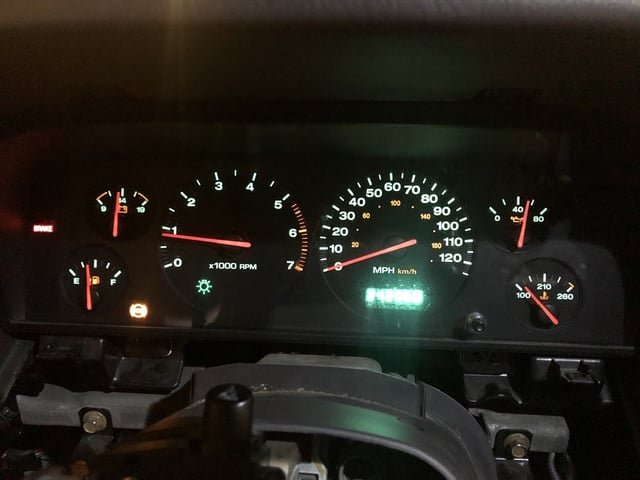
If you own a 2000 Jeep Grand Cherokee and have noticed the ABS and brake lights glowing on your dashboard, you’re probably wondering what’s going on. These warning lights are designed to alert you when something needs your attention, and ignoring them could lead to bigger problems.
But don’t worry understanding why these lights come on and what you can do about it is easier than you think. Keep reading to find out the common causes behind these warnings and how you can get your Jeep back to safe, smooth driving.
Credit: www.reddit.com
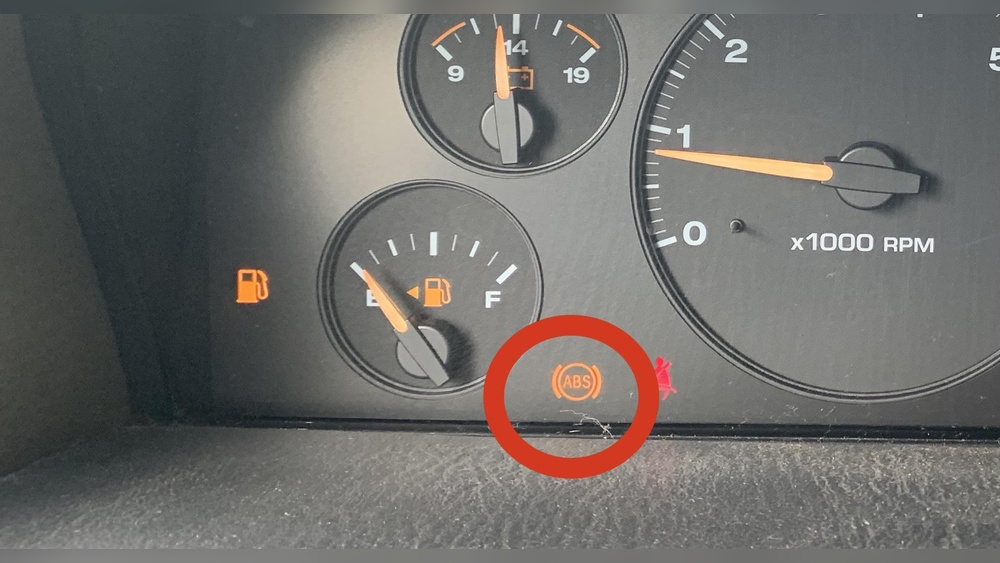
Common Warning Lights
Warning lights on your 2000 Jeep Grand Cherokee give important signals about your vehicle’s health. They alert you to issues that need attention. Among these, the ABS and brake lights are critical for safe driving. Understanding what these lights mean helps you act quickly and avoid bigger problems.
Abs Light Function
The ABS light shows the status of the Anti-lock Braking System. This system stops your wheels from locking during hard braking. If the ABS light stays on, it means the system has a fault. Your brakes still work, but ABS might not help in emergencies. Getting the ABS checked is important for safe driving.
Brake Light Meaning
The brake light indicates problems with your braking system. It can mean low brake fluid, worn brake pads, or a parking brake issue. This light warns you that your brakes might not work properly. Ignoring this light can lead to brake failure and unsafe driving conditions.
Why Both Lights Illuminate
Both ABS and brake lights turning on often show related problems. A common cause is low brake fluid or a bad wheel speed sensor. Sometimes, the ABS system failure triggers the brake warning light. Both lights on means your braking system needs immediate attention. Avoid driving too far before checking the problem.
Credit: www.youtube.com
Faulty Wheel Speed Sensors
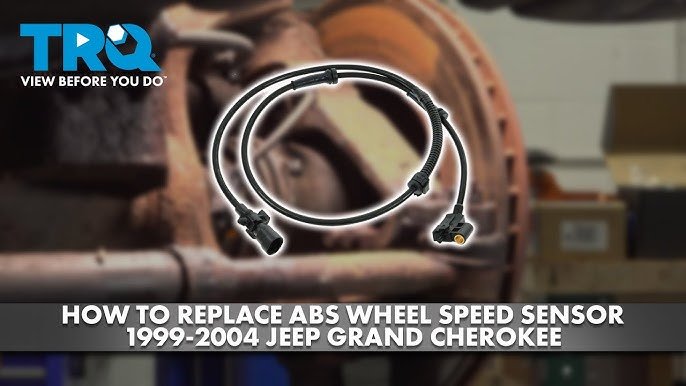
Faulty wheel speed sensors often cause the ABS and brake light to turn on in a 2000 Jeep Grand Cherokee. These sensors monitor each wheel’s speed and send data to the ABS system. When a sensor fails, the ABS may not work correctly, triggering warning lights on the dashboard.
Wheel speed sensors play a key role in vehicle safety. Understanding their location, symptoms of failure, and replacement tips can help maintain your Jeep’s braking system.
Sensor Location And Role
Wheel speed sensors are near each wheel hub or axle. They detect the wheel’s rotation speed and send signals to the ABS control module. The module uses this data to prevent wheel lock during braking. A faulty sensor can confuse the ABS system.
Symptoms Of Sensor Failure
The ABS and brake light will illuminate on the dashboard. You may notice the ABS not working during hard braking. The brake pedal may feel different or less responsive. Sometimes, the traction control system may also stop working.
Replacement Tips
Always replace wheel speed sensors with parts that match your Jeep model. Clean the sensor area before installation to avoid dirt interference. Check the wiring and connectors for damage. Use a scan tool to clear error codes after replacement.
Brake Fluid Issues
The ABS and brake light on a 2000 Jeep Grand Cherokee can turn on because of brake fluid issues. Brake fluid is very important. It helps the brakes work well and keeps the car safe. If the fluid is low or dirty, the system may warn you with these lights.
Brake fluid problems can cause poor braking or ABS failure. Checking and fixing brake fluid is a simple step. It helps keep your Jeep’s brakes in good shape and stops the warning lights from staying on.
Low Brake Fluid Causes
Brake fluid can get low for many reasons. A small leak in the brake lines or near the master cylinder can let fluid escape. Old brake pads also cause fluid levels to drop. The brake system uses more fluid as pads wear down. Low fluid means less pressure in the brake system. This triggers the ABS and brake warning lights on your dashboard.
Checking Fluid Levels
Check the brake fluid level often. Find the brake fluid reservoir under the hood. It is usually near the back of the engine bay. The reservoir is clear with marks for minimum and maximum levels. If the fluid is below the minimum mark, it needs refilling. Make sure to check the fluid when the car is cool and parked on level ground.
Refilling And Bleeding
Use the right brake fluid type for your Jeep. Add fluid slowly to avoid spills. Do not overfill the reservoir. After refilling, bleeding the brakes may be necessary. This removes air bubbles that reduce braking power. Bleeding improves brake feel and resets the ABS sensors. It is best done with help or by a mechanic if you are not sure how.
Malfunctioning Abs Module
The ABS module plays a key role in your 2000 Jeep Grand Cherokee’s safety system. It controls the anti-lock braking system, helping prevent wheel lock during hard stops. A malfunctioning ABS module can trigger both the ABS and brake warning lights on your dashboard. This alerts you to a problem that needs attention to keep your vehicle safe.
Module Functionality
The ABS module monitors wheel speed sensors and controls brake pressure. It sends signals to the brake system to avoid skidding. This helps maintain control during emergency braking. The module also communicates with other vehicle systems for smooth operation. Without it working right, the braking system may lose its anti-lock feature.
Signs Of Module Failure
Warning lights on your dashboard are the first sign. The ABS and brake lights often come on together. You might notice the brakes locking up more easily. The brake pedal may feel harder or softer than usual. Your Jeep may also skid or slide during stops. Strange noises from the brake area can also signal a faulty module.
Repair And Replacement Options
Some ABS module issues can be fixed by cleaning or resetting the system. Repair shops can run diagnostic tests to find the exact problem. In many cases, replacing the module is the best solution. New or refurbished modules are available for the 2000 Jeep Grand Cherokee. Proper installation ensures your ABS and brake lights turn off and your brakes work properly.
Wiring And Electrical Problems
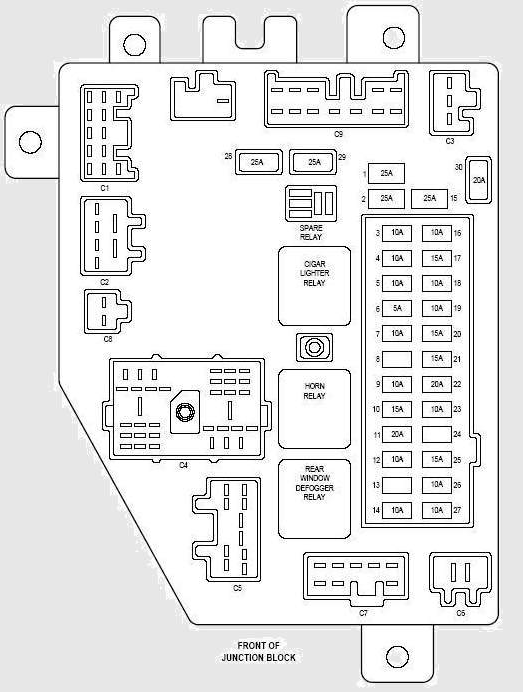
The ABS and brake light on a 2000 Jeep Grand Cherokee often signal wiring and electrical problems. These issues affect the vehicle’s safety systems and can cause warning lights to stay on. Wiring faults can disrupt signals between sensors and the control module. Electrical problems may also lead to false alerts or system failures.
Understanding the wiring and electrical system helps diagnose the root cause. Careful inspection and testing reveal hidden faults or damage. Fixing these issues restores proper function and turns off warning lights.
Common Wiring Faults
Wiring faults often include broken wires, loose connections, or shorts. These faults stop proper communication between ABS sensors and the main computer. Sometimes wires get pinched or cut during repairs or off-road driving. A single bad wire can trigger the ABS and brake light.
Corrosion And Damage
Corrosion on connectors and terminals causes poor electrical contact. Water, dirt, and road salt speed up corrosion under the hood or near wheels. Damaged insulation exposes wires, leading to shorts or open circuits. Corrosion and damage cause intermittent or constant warning lights.
Diagnostic Approaches
Begin diagnostics by visually inspecting wiring and connectors. Use a multimeter to check wire continuity and resistance. Scan the vehicle’s computer for trouble codes linked to ABS and brakes. These codes pinpoint faulty sensors or wiring issues. Testing under real conditions helps spot intermittent faults.
Credit: www.cherokeeforum.com
Brake System Wear
The brake system on a 2000 Jeep Grand Cherokee wears down over time. Parts like pads and rotors face constant stress. This wear can cause warning lights to appear on your dashboard. Understanding brake system wear helps keep your Jeep safe and reliable.
Regular checks prevent costly repairs and keep brakes working well. Knowing the signs of wear lets you act before problems get worse.
Worn Brake Pads And Rotors
Brake pads press against rotors to stop your vehicle. Over time, pads wear thin and lose grip. Rotors can also become damaged or warped. Both issues reduce braking power and increase stopping distance. Worn parts cause noise and vibration during braking. Ignoring wear risks brake failure and unsafe driving.
Effect On Warning Lights
The ABS and brake lights alert you to brake system problems. Worn pads or damaged rotors often trigger these lights. The ABS light means the anti-lock system detects trouble. The brake light can signal low brake fluid or worn pads. These lights warn you to check the brake system immediately.
Inspection And Maintenance
Inspect your brakes every 10,000 miles or yearly. Check pad thickness and rotor condition. Listen for squealing or grinding sounds. Replace pads before they wear completely. Resurface or replace rotors if they are damaged. Keep brake fluid at the right level. Proper maintenance ensures your Jeep stops safely.
Abs Pump Malfunctions
The ABS pump is a key part of your 2000 Jeep Grand Cherokee’s braking system. It controls the brake pressure during sudden stops. When the ABS and brake light come on together, the pump might be the cause. Pump malfunctions can affect how well your brakes work. This can make driving unsafe and cause the warning lights to stay on.
Pump Role In Abs
The ABS pump helps stop your wheels from locking up. It adjusts brake pressure during hard braking. The pump works with sensors to keep control. It helps the Jeep stop safely on slippery roads. Without the pump working, the ABS cannot function right. This can trigger the ABS and brake lights to glow on your dashboard.
Symptoms Of Pump Issues
Watch for a few clear signs of pump problems. The ABS light will stay on continuously. You might feel a spongy brake pedal. Brakes may take longer to stop the vehicle. Strange noises can come from the pump area. Sometimes, the brake light will also turn on. These symptoms show the pump needs attention soon.
Repair Solutions
Fixing the ABS pump requires professional help. Mechanics test the pump and the electrical system. Sometimes, a simple reset clears the warning lights. Other times, the pump needs repair or replacement. Cleaning the pump and changing brake fluid helps too. Regular maintenance can prevent future pump problems.
Sensor Calibration And Reset
The ABS and brake light on a 2000 Jeep Grand Cherokee often relate to sensor issues. These sensors control safety features like the anti-lock brake system. Proper sensor calibration and reset can fix warning lights. It helps the system read data accurately. This process prevents false alerts and unsafe driving conditions.
Sensor calibration means adjusting the sensors to work correctly. Resetting clears error codes stored in the vehicle’s computer. Both steps are key to maintaining the braking system’s health. They ensure your Jeep drives safely and smoothly.
When To Recalibrate
Recalibrate sensors after replacing brake parts or sensors. Also, do it if the ABS or brake light stays on without reason. Driving through water or mud can affect sensor accuracy. Sensor drift over time needs correction. Notice uneven braking or warning lights? Time to recalibrate.
Resetting Warning Lights
Resetting removes stored error codes in the ABS system. It turns off warning lights on the dashboard. This step does not fix sensor problems but clears false alerts. Reset after repairs or calibration. Some resets happen automatically after driving. Others require manual reset using a tool.
Tools Needed
Use an OBD-II scanner to read and clear ABS codes. Basic scanners work for many Jeep models. A brake pedal depressor helps during sensor calibration. Sometimes, a professional scan tool is necessary. Always have a user manual for specific instructions. These tools make calibration and reset easier.
<!– wp:rank-math/faq-block {"questions":[{"id":"faq-question-2b7d7cf85e15","title":"Why Are Abs And Brake Lights On In My 2000 Jeep Grand Cherokee?","content":"The ABS and brake lights indicate a problem with the braking system or ABS module. It may be due to low brake fluid, faulty wheel sensors, or wiring issues. A diagnostic scan can pinpoint the exact cause for proper repair.
“,”visible”:true},{“id”:”faq-question-7548c5104b12″,”title”:”Can Low Brake Fluid Cause These Warning Lights?”,”content”:”Yes, low brake fluid triggers the brake warning light and can also affect the ABS light. Check the fluid reservoir and refill it with the recommended brake fluid if needed.
“,”visible”:true},{“id”:”faq-question-8366f98c165b”,”title”:”Does A Faulty Abs Sensor Trigger Both Lights?”,”content”:”A malfunctioning ABS sensor can cause the ABS light and brake light to illuminate. This sensor monitors wheel speed and sends data to the ABS module for safe braking.
“,”visible”:true},{“id”:”faq-question-18cdb390c40e”,”title”:”Is It Safe To Drive With Abs And Brake Lights On?”,”content”:”Driving with these lights on is risky as braking performance may be compromised. It is best to inspect and repair the issue promptly to ensure vehicle safety.
“,”visible”:true}]} –>Why Are Abs And Brake Lights On In My 2000 Jeep Grand Cherokee?
The ABS and brake lights indicate a problem with the braking system or ABS module. It may be due to low brake fluid, faulty wheel sensors, or wiring issues. A diagnostic scan can pinpoint the exact cause for proper repair.
Can Low Brake Fluid Cause These Warning Lights?
Yes, low brake fluid triggers the brake warning light and can also affect the ABS light. Check the fluid reservoir and refill it with the recommended brake fluid if needed.
Does A Faulty Abs Sensor Trigger Both Lights?
A malfunctioning ABS sensor can cause the ABS light and brake light to illuminate. This sensor monitors wheel speed and sends data to the ABS module for safe braking.
Is It Safe To Drive With Abs And Brake Lights On?
Driving with these lights on is risky as braking performance may be compromised. It is best to inspect and repair the issue promptly to ensure vehicle safety.
Conclusion
The ABS and brake light on your 2000 Jeep Grand Cherokee warn of a problem. These lights show your vehicle needs attention for safe driving.
Common causes include sensor faults, low brake fluid, or electrical issues. Fixing these problems quickly helps avoid bigger repairs.
Regular checks keep your brakes working well. Stay alert to these warning signs.
Your Jeep will run safer and smoother. Don't ignore these lights; they protect you on the road.