If you’ve ever seen that stubborn tire pressure warning light flicker on your Jeep Renegade’s dashboard, you know how frustrating it can be. You might be wondering, “Where is the TPMS reset button on my Jeep Renegade?”
The truth is, unlike some vehicles, the Renegade doesn’t have a dedicated physical reset button for the Tire Pressure Monitoring System (TPMS).
But don’t worry resetting the TPMS light is still something you can handle yourself with a few simple steps. Keep reading, and you’ll learn exactly what you need to do to get that warning light off and drive with confidence again.
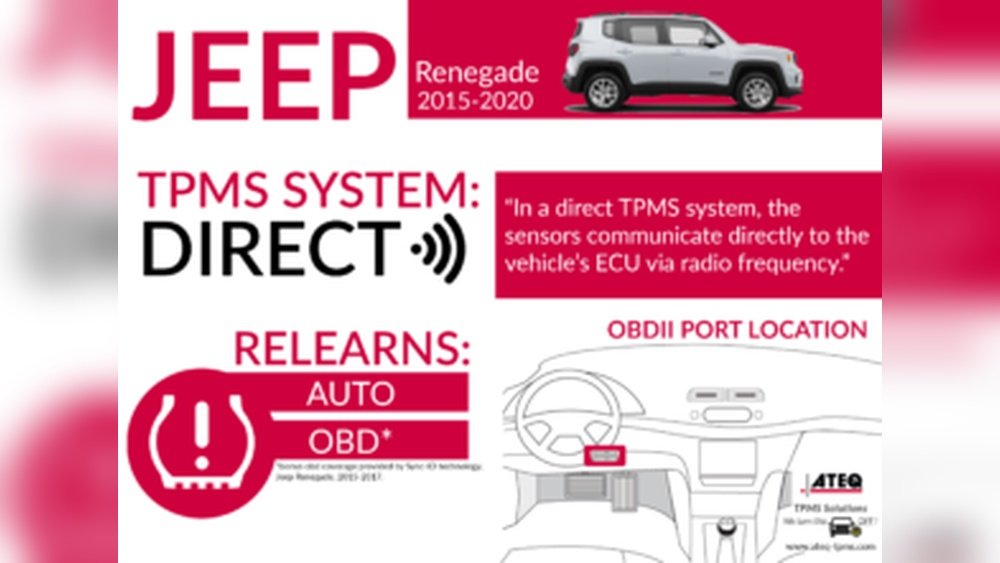
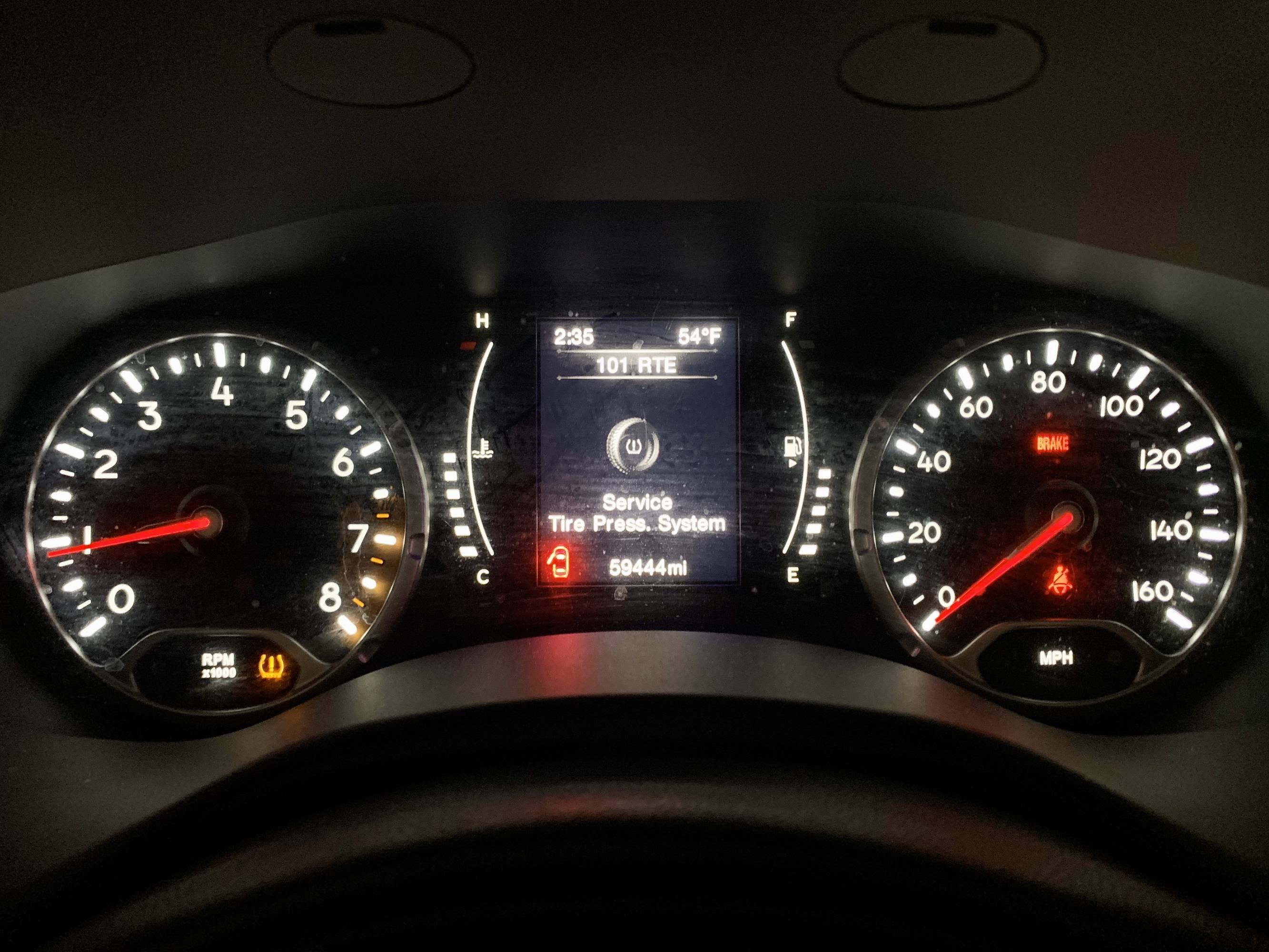
Tpms In Jeep Renegade
The Tire Pressure Monitoring System (TPMS) light on your Jeep Renegade can stay on even after inflating tires correctly. This persistent warning may signal deeper issues.
Troubleshooting helps find the root cause and ensures safe driving. Understanding common problems saves time and prevents damage.
Checking For Faulty Sensors
Faulty TPMS sensors often cause the warning light to stay on. These sensors monitor tire pressure and send signals to your car’s computer.
Over time, sensors can fail due to battery loss or damage. Use a TPMS tool or visit a service center to test sensor function. Replacing bad sensors usually solves the problem.
Identifying Tire Pressure Leaks
Slow leaks can keep the TPMS light active. Check tires for nails, screws, or cracks.
Inspect valve stems and rims for damage or dirt. Use soapy water to spot bubbles indicating leaks.
Fix leaks by patching or replacing tires. Keep all tires inflated to the recommended pressure found on the driver’s door jamb.
When To Visit A Mechanic
If the TPMS light stays on after fixing tire pressure and checking sensors, professional help is needed. Mechanics have special tools to diagnose complex issues.
They can recalibrate the TPMS system or fix wiring problems. Visit a mechanic to avoid unsafe driving conditions or further vehicle damage.
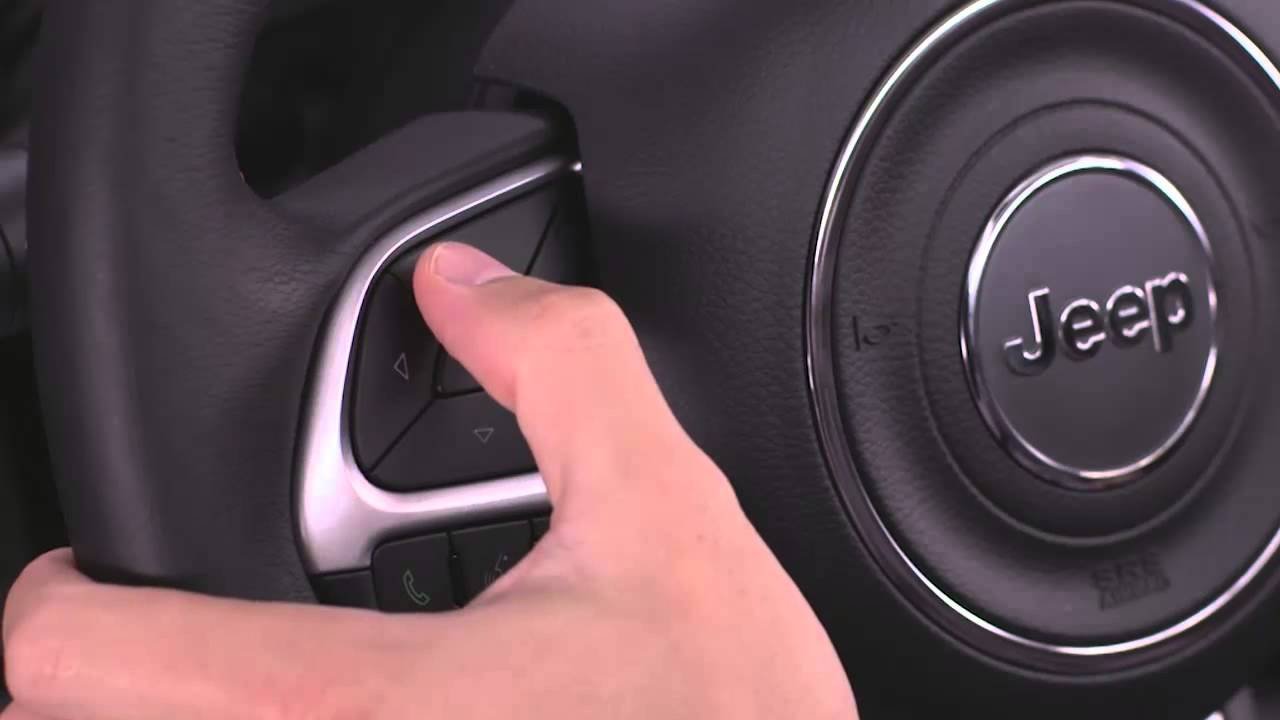
To keep your Jeep Renegade’s TPMS working well, follow simple tips. These steps help avoid warning lights and sensor problems.
Maintaining proper tire pressure improves safety and saves fuel.
Preventing TPMS issues starts with regular care. Check tires and sensors often to catch problems early.
Simple actions keep your system accurate and your drive smooth.
Regular Tire Pressure Checks
Check tire pressure at least once a month. Use a reliable pressure gauge for accuracy.
Compare the pressure to the recommended level found on the driver’s door jamb. Low or high pressure can cause TPMS warnings.
Check all four tires, including the spare if your vehicle has one. Keeping pressure steady prevents sensor errors and extends tire life.
Seasonal Pressure Adjustments
Temperature changes affect tire pressure significantly. Cold weather lowers pressure while heat increases it.
Adjust tire pressure with the seasons to keep it within the recommended range.
Seasonal checks help avoid false TPMS alerts. They also improve handling and tire wear during temperature shifts.
Proper Spare Tire Maintenance
Many drivers forget the spare tire, but it needs care too. Keep the spare inflated to the correct pressure.
An underinflated spare can cause TPMS sensor alerts if used.
Check the spare tire pressure during regular tire inspections. Proper spare maintenance ensures safety and helps avoid TPMS problems.
Conclusion
The Jeep Renegade does not have a manual TPMS reset button. To reset the tire pressure light, inflate all tires to the recommended PSI found on the driver’s door jamb.
Drive the vehicle for a few minutes to allow the system to recalibrate.
If the warning light stays on, check for a slow leak or faulty sensor. Regular tire pressure checks help keep your Jeep safe and running smoothly.
Simple steps can prevent annoying warning lights on your dashboard.



















