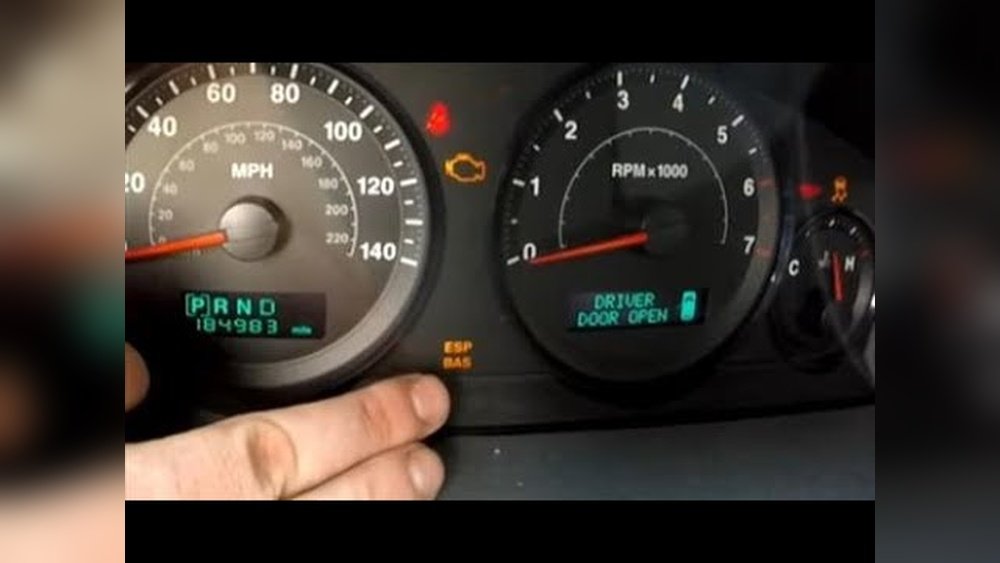
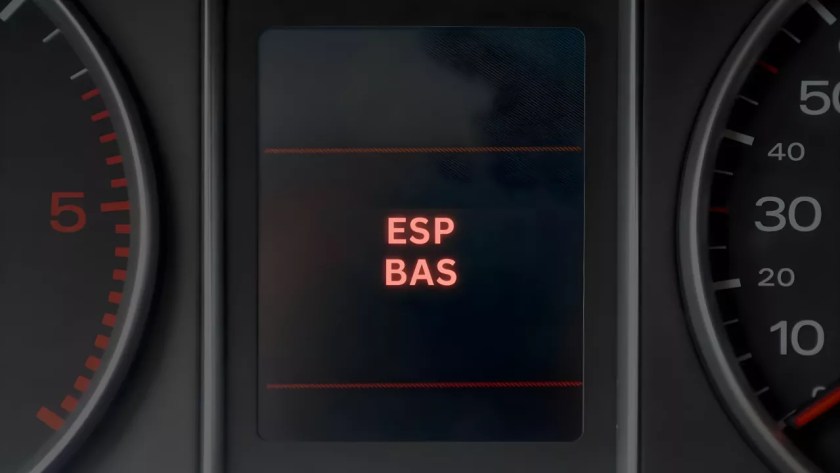
If you’ve ever seen the ESP BAS light pop up on your Jeep’s dashboard, you might be wondering what it means and if it’s something to worry about.
This warning isn’t just a random alert, it’s your Jeep’s way of telling you that its safety systems, designed to keep you in control during tricky driving situations, need some attention.
Understanding what ESP BAS stands for and why this light comes on can help you know when it’s safe to keep driving and when you should get your Jeep checked out.
Keep reading, and you’ll learn exactly what’s behind this warning, common causes, and simple steps you can take to fix it so you never have to feel stuck or unsure on the road again.
Esp And Bas Functions
The symptoms of an ESP BAS malfunction in your Jeep show clear signs of trouble. These signs help you know when the system isn’t working correctly.
It is important to recognize these symptoms early. They protect your vehicle and your safety on the road.
Warning Lights On Dashboard
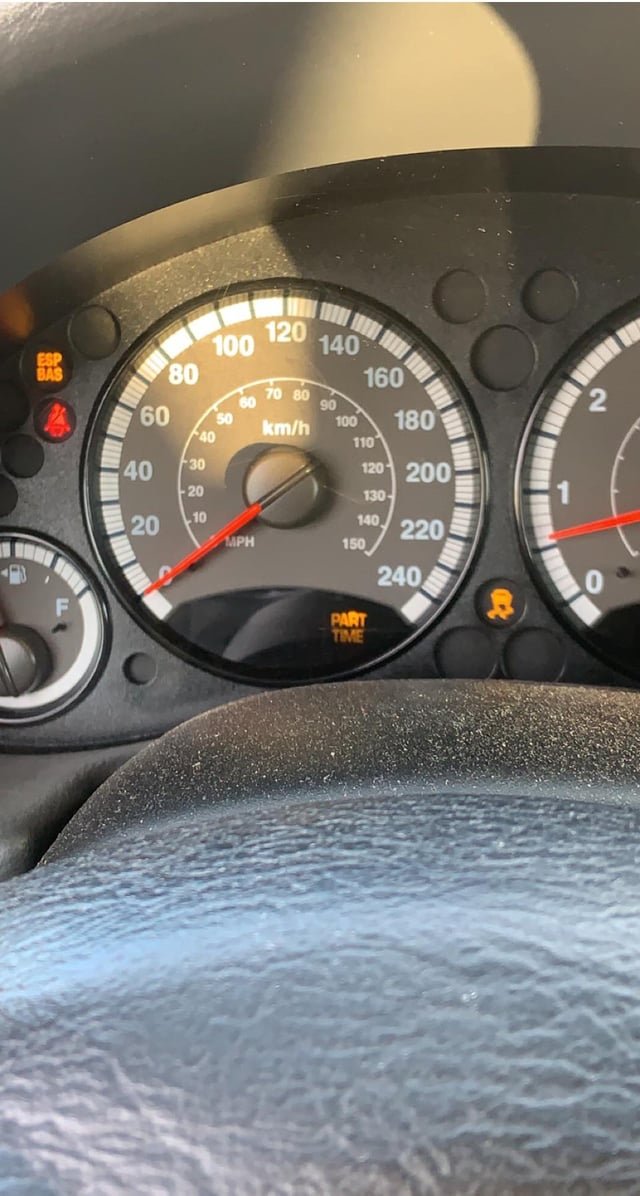
The most obvious symptom is warning lights on your dashboard. The ESP and BAS lights will glow or flash.
They stay on after the engine starts. These lights tell you the system detected a problem. Ignoring them can lead to bigger issues.
Reduced Vehicle Stability
Your Jeep may feel less stable while driving. It can slide or skid more easily, especially on wet roads.
The system helps keep control during sharp turns. Without it, you might notice the vehicle drifting or swaying. This makes driving dangerous in slippery conditions.
Brake Performance Changes
The braking response might change suddenly. Your brakes may feel weaker or less responsive.
The Brake Assist System helps in emergency stops. If it malfunctions, your stopping distance can increase.
This raises the risk of accidents, especially in urgent situations.
Common Causes Of Esp Bas Light
The cost of repairing ESP BAS issues on your Jeep varies widely. It depends on the exact problem and the parts involved.
Some repairs can be simple and affordable. Others might require more time and expensive parts.
Understanding these costs helps you plan your budget. It also prepares you for discussions with your mechanic.
Below are key cost factors to consider when fixing ESP BAS problems.
Sensor Replacement Costs
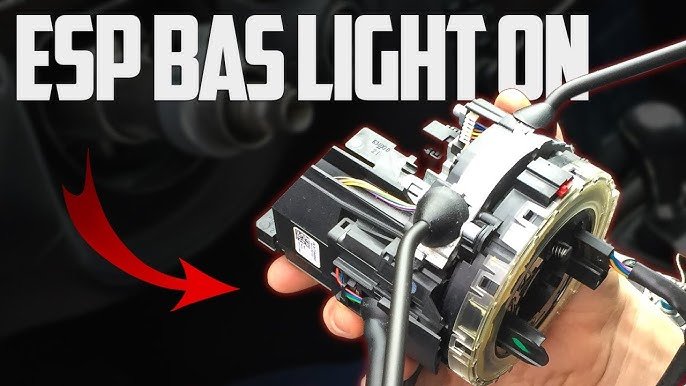
Sensors are the most common cause of ESP BAS warnings. Wheel speed sensors and steering angle sensors often need replacement.
The price for a single sensor can range from $50 to $200. Premium or OEM parts may cost more.
Some Jeeps require multiple sensors to be replaced. This can increase the total parts cost significantly.
Labor And Diagnostic Fees
Diagnosing ESP BAS issues requires special tools and expertise. Most shops charge a diagnostic fee between $80 and $150.
Labor costs depend on the complexity of the repair. Simple sensor replacement might take one to two hours.
More complex issues, like wiring repairs, can take longer. Labor rates vary by location and shop.
Expect to pay between $75 and $150 per hour.
Preventive Maintenance Tips
Regular maintenance can reduce the risk of ESP BAS problems. Keep your sensors clean and free of debris.
Avoid driving through deep mud or water. Have your brake system checked during routine service visits.
Early detection of sensor wear can save repair costs. Always use quality replacement parts if repairs are needed.
Conclusion
The ESP BAS light shows your Jeep’s safety systems need attention. It helps keep control during slippery or sudden driving.
Common causes include sensor issues or brake switch problems. Ignoring the light can reduce your Jeep’s safety features.
Getting a quick check can prevent bigger problems later.
Stay safe by addressing the ESP BAS light as soon as possible.