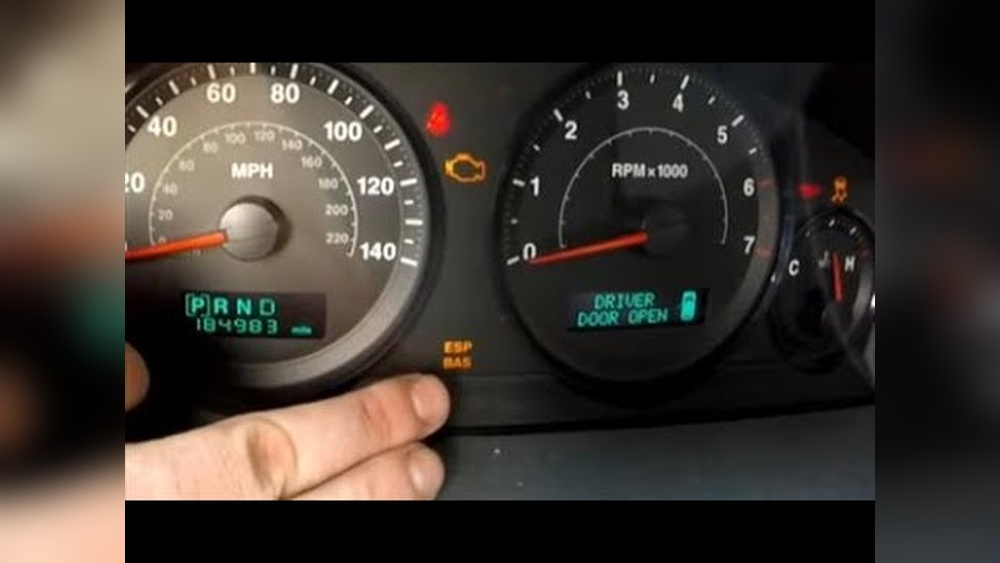
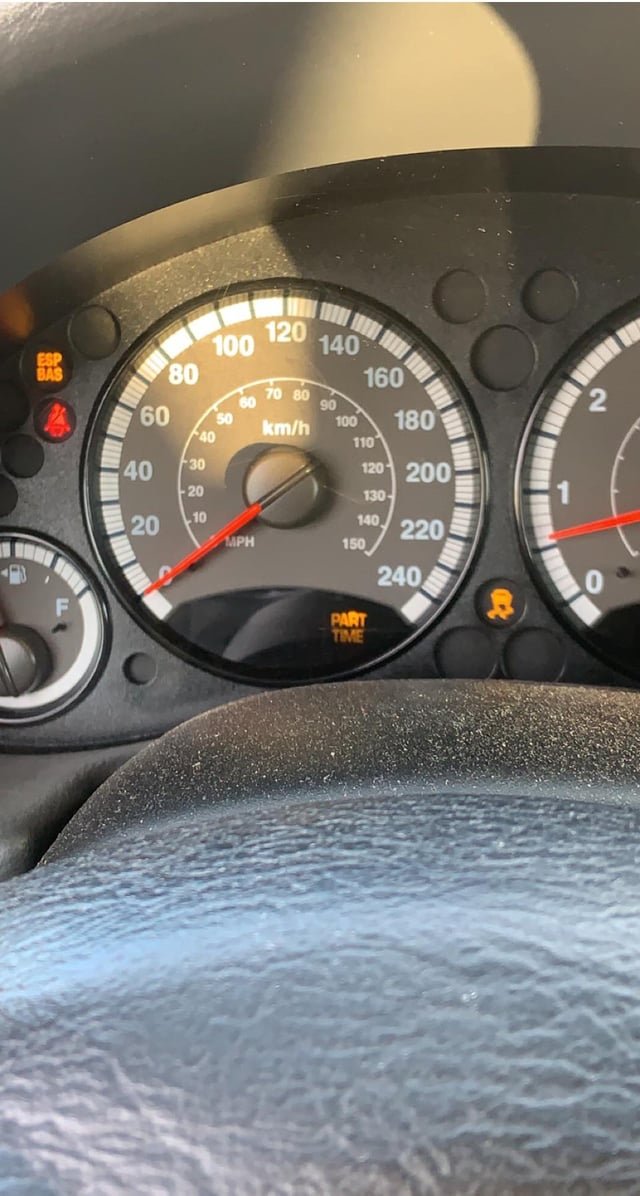
If you’ve ever noticed the ESP BAS light glowing on your Jeep’s dashboard, you might be wondering what it really means and whether you should be worried.
This warning isn’t just a random alert, it’s your Jeep’s way of telling you that its safety systems, like Electronic Stability Program (ESP) and Brake Assist System (BAS), need attention.
These systems are designed to keep you safe by helping maintain control during tricky driving situations and emergency stops. But when the ESP BAS light comes on, it means something might be off, and ignoring it could affect your vehicle’s handling and braking performance.
You’ll learn exactly what ESP BAS stands for, why the light turns on, what common causes are, and how to fix the issue so you can get back on the road with confidence.
Keep reading to protect your Jeep and yourself every time you drive.
Esp And Bas Functions
The ESP and BAS functions are important for Jeep safety. They help keep control during tricky driving situations.
These systems work together to prevent accidents and improve your driving experience. Understanding their roles helps you appreciate the technology behind your Jeep’s safety features.
Electronic Stability Program
The Electronic Stability Program, or ESP, helps prevent skidding. It watches your steering wheel and vehicle direction closely.
If it senses your Jeep is sliding, it acts fast. ESP lowers engine power and brakes specific wheels.
This keeps your Jeep on the right path.
Brake Assist System
The Brake Assist System, or BAS, helps during sudden stops. It detects how hard you press the brake pedal.
If it senses an emergency stop, it boosts brake pressure. This reduces the distance needed to stop safely.
BAS helps you avoid collisions in urgent situations.
Common Causes Of Esp Bas Light
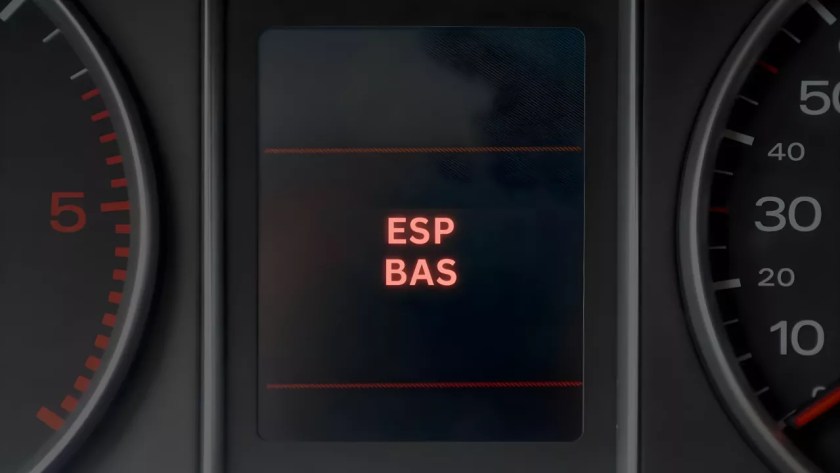
The ESP BAS light on a Jeep signals an issue with the vehicle’s safety systems. Understanding the common causes helps in quick diagnosis.
These issues affect the Electronic Stability Program and Brake Assist System. Both systems work to keep the vehicle stable and safe during driving.
Below are the main reasons why the ESP BAS light may appear.
Faulty Wheel Speed Sensors
Wheel speed sensors track how fast each wheel spins. Dirt, rust, or debris can damage these sensors.
Faulty sensors send wrong signals to the control module. This causes the ESP BAS light to turn on.
The Jeep may lose traction control or ABS functions. Cleaning or replacing the sensors often solves this problem.
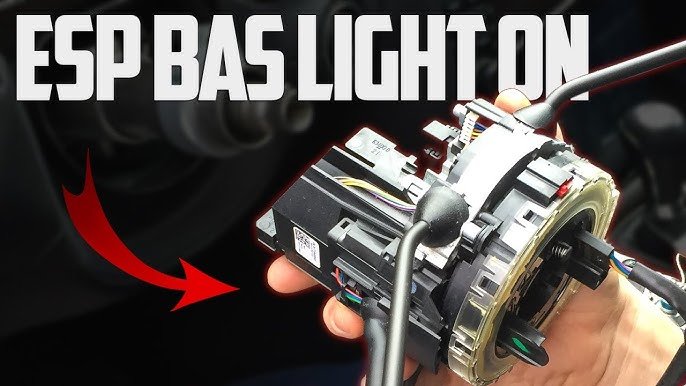
Bad Steering Angle Sensor
The steering angle sensor measures the steering wheel’s position. It tells the system how the Jeep is turning.
A bad sensor sends incorrect data to the ESP system. This can trigger the ESP BAS warning light.
Steering problems or sensor failures cause this issue. Resetting or replacing the sensor can fix the light.
Failing Brake Light Switch
The brake light switch detects when the brake pedal is pressed. It helps the Brake Assist System know when to activate.
A failing switch may not send signals properly. This causes the ESP BAS light to come on.
The brake lights might not work correctly either. Replacing the brake light switch usually clears the warning.
Impact On Jeep Safety
The ESP BAS warning on a Jeep signals issues with important safety systems. These systems control vehicle stability and braking power.
Problems with ESP BAS may reduce your Jeep’s ability to handle emergency situations. This can increase the risk of accidents, especially on slippery or uneven roads.
Reduced Stability Control
ESP helps keep your Jeep stable during turns and sudden moves. It senses if the vehicle starts to skid or slide.
When working properly, it applies brakes to specific wheels and adjusts engine power. If the ESP BAS light is on, this system may not work correctly.
Your Jeep might lose grip and stability more easily. This can make steering difficult and increase chances of losing control.
Brake Performance Concerns
BAS boosts braking force during emergency stops to shorten stopping distance. If the system has a fault, this boost may not activate.
Your Jeep might take longer to stop in urgent situations. This delay can increase the risk of collisions.
Brake pedal pressure may also feel different or less responsive. Checking and fixing ESP BAS issues is important for safe driving.
Diagnosing The Esp Bas Issue
Diagnosing the ESP BAS issue on a Jeep requires careful attention. The ESP (Electronic Stability Program) and BAS (Brake Assist System) work together to keep your vehicle safe.
When their warning lights appear, it means these systems need checking. Understanding how to find the cause helps fix the problem quickly.
This section guides you through the main steps for diagnosis.
Using Diagnostic Tools
Start by connecting an OBD-II scanner to your Jeep’s diagnostic port. This tool reads error codes stored in the vehicle’s computer.
These codes point to specific problems with the ESP or BAS systems. Codes related to wheel speed sensors, brake light switches, or steering angle sensors are common.
A scanner saves time and gives clear clues about the issue. Some advanced tools can also clear codes after repair.
Visual Inspection Tips
Check the brake system first. Look for worn brake pads or leaking brake fluid.
Inspect the wheel speed sensors near each wheel for dirt, damage, or loose wires. Examine the steering angle sensor, usually located near the steering column, for proper alignment and secure connections.
Damaged or dirty parts often cause false warnings. Clean or replace faulty components to restore system function.
Always inspect wiring harnesses for breaks or corrosion.
Fixing The Esp Bas Light
The ESP BAS light on a Jeep signals a problem with your vehicle’s stability and brake assist systems. Fixing this light is important to keep these safety features working properly.
Ignoring the light can lead to reduced control during slippery or emergency braking situations.
Repairing the ESP BAS light often involves checking and replacing certain parts. Common fixes focus on sensors, brake switches, and wiring.
Each step helps restore the system’s ability to protect you on the road.
Sensor Replacement
Sensors play a key role in the ESP and BAS systems. Wheel speed sensors and steering angle sensors send data to the vehicle’s computer.
When these sensors fail, the ESP BAS light turns on.
Replacing faulty sensors can stop the warning light. A mechanic will test each sensor’s function.
Dirty or damaged sensors often need replacement. Installing new sensors restores accurate readings and system performance.
Brake Switch Repair
The brake switch signals when you press the brake pedal. A bad brake switch can confuse the system.
This causes the ESP BAS light to activate.
Repairing or replacing the brake switch fixes the problem. The switch must correctly detect pedal movement.
A smooth brake switch repair ensures the brake assist works properly during emergencies.
Wiring And Connection Checks
Loose or damaged wiring can cause the ESP BAS light to come on. Faulty connections disrupt sensor signals. This leads to system errors and warnings.
Checking wiring and connections is a critical step. Mechanics inspect wires for breaks, corrosion, and poor contacts.
Fixing wiring issues often clears the ESP BAS light and restores system function.
Driving With Esp Bas Light On
The ESP BAS light on your Jeep signals a problem with the Electronic Stability Program and Brake Assist System. These systems help keep your Jeep safe by improving control and braking in tricky situations.
When this light turns on, it means these safety systems are not working properly. Driving with this warning requires caution and understanding of the risks involved.
Is It Safe?
Driving with the ESP BAS light on is not ideal. Your Jeep may lose some stability control and braking assistance.
This can make it harder to steer or stop quickly, especially on wet or slippery roads. The vehicle will still drive, but the risk of losing control increases.
It is best to limit driving and fix the issue soon.
Precautions To Take
Drive slower than usual and keep a greater distance from other cars. Avoid sharp turns and sudden braking.
Check your brake system and tire condition before driving. Try to get your Jeep checked by a mechanic as soon as possible.
Do not ignore the light, as it signals a safety concern that needs attention.
Preventive Maintenance Tips
Maintaining your Jeep’s ESP and BAS systems ensures better safety and driving control. Preventive maintenance helps avoid unexpected issues and keeps these systems functioning properly.
Regular care prevents sensor faults and brake problems that trigger warning lights.
Simple maintenance steps can extend the life of your vehicle’s safety features. Follow these tips to keep your Jeep’s stability and brake assist systems in top shape.
Regular Sensor Cleaning
Sensors detect wheel speed and steering angle. Dirt and debris block their signals.
Clean sensors gently with a soft cloth or brush. Avoid harsh chemicals that may damage sensor surfaces.
Clean sensors regularly, especially after off-road driving or in dusty areas. Clear sensors help the ESP and BAS systems work accurately and avoid false warnings.
Timely Brake System Checks
Brake components wear out over time. Check brake pads, rotors, and fluid often.
Replace worn pads before they damage rotors. Brake fluid should be clean and at the correct level.
Old or dirty fluid reduces braking power. Schedule brake inspections with a trusted mechanic.
Proper brake maintenance supports the BAS system’s emergency response, keeping you safer on the road.
Cost Estimates For Repairs
Repairing the ESP BAS system on a Jeep can vary in cost depending on the issue. Understanding typical expenses helps prepare your budget.
The parts and labor involved affect the total price. Some repairs may be simple, while others require more time and expertise.
Typical Parts And Labor
Common parts that may need replacement include wheel speed sensors and the brake light switch. These parts usually cost between $50 and $150 each.
The steering angle sensor is more expensive, often costing $200 to $400.
Labor charges depend on the mechanic’s hourly rate and the repair complexity. Most repairs take 1 to 3 hours to complete.
Labor costs can range from $80 to $150 per hour. Total repair expenses generally fall between $150 and $600.
When To Seek Professional Help
ESP BAS issues affect vehicle safety and control. A professional mechanic can accurately diagnose the problem.
They have the right tools to handle electronic systems in Jeeps.
Attempting repairs without experience can lead to further damage. If the ESP BAS light stays on, schedule a service appointment quickly.
Prompt repairs ensure your Jeep remains safe to drive.
Conclusion
ESP BAS on a Jeep means your vehicle's stability and brake assist systems are active. These systems help keep control during slippery or sudden stops.
If the ESP BAS light stays on, it signals a problem with sensors or brake components.
Driving with this light on can reduce safety, so get it checked soon. Understanding this alert helps you maintain your Jeep's performance and safety.
Stay aware and keep your Jeep in good shape for safer rides.