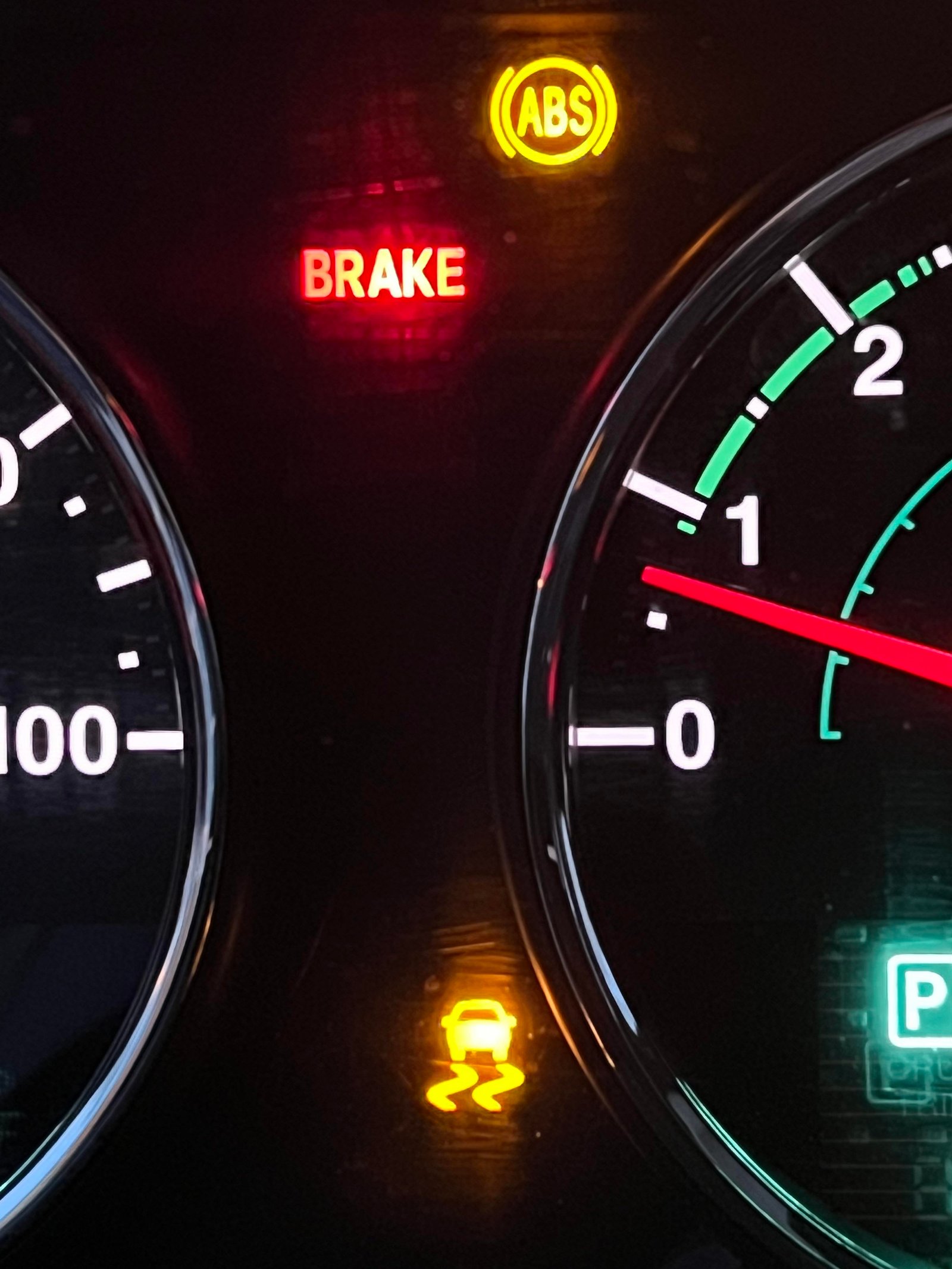
If you’ve ever noticed the ABS and traction control lights glowing on your Jeep JK’s dashboard, you’re not alone—and it can be frustrating. These warning lights are your Jeep’s way of telling you something isn’t right with your vehicle’s safety systems.
But what exactly does it mean when both lights come on at the same time? More importantly, is your Jeep still safe to drive, and how can you fix the problem without breaking the bank?
You’ll discover the most common reasons behind these warning lights, simple troubleshooting tips you can try yourself, and when it’s time to see a professional.
Keep reading to take control of your Jeep’s safety and get back on the road with confidence.
Abs And Traction Control Lights Explained
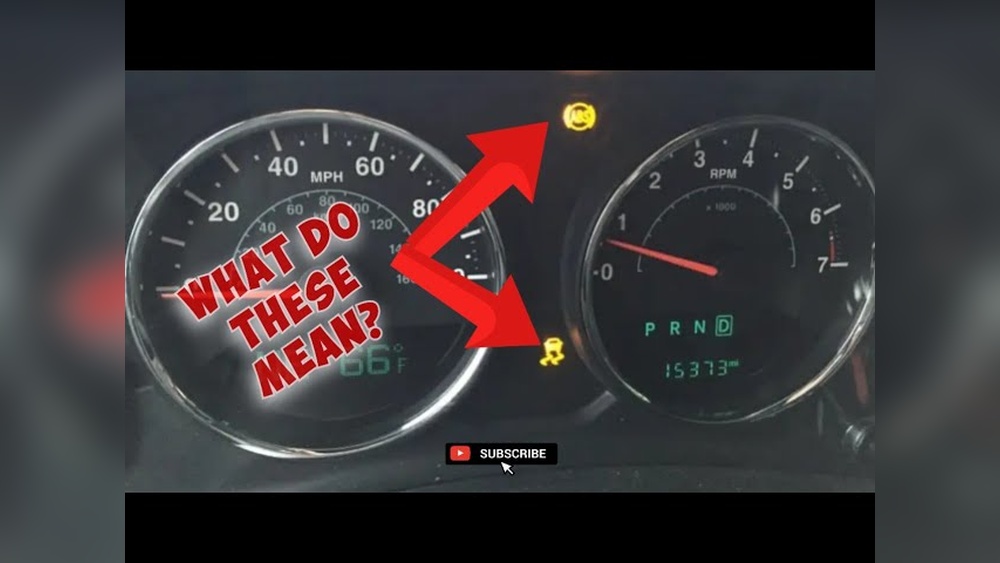
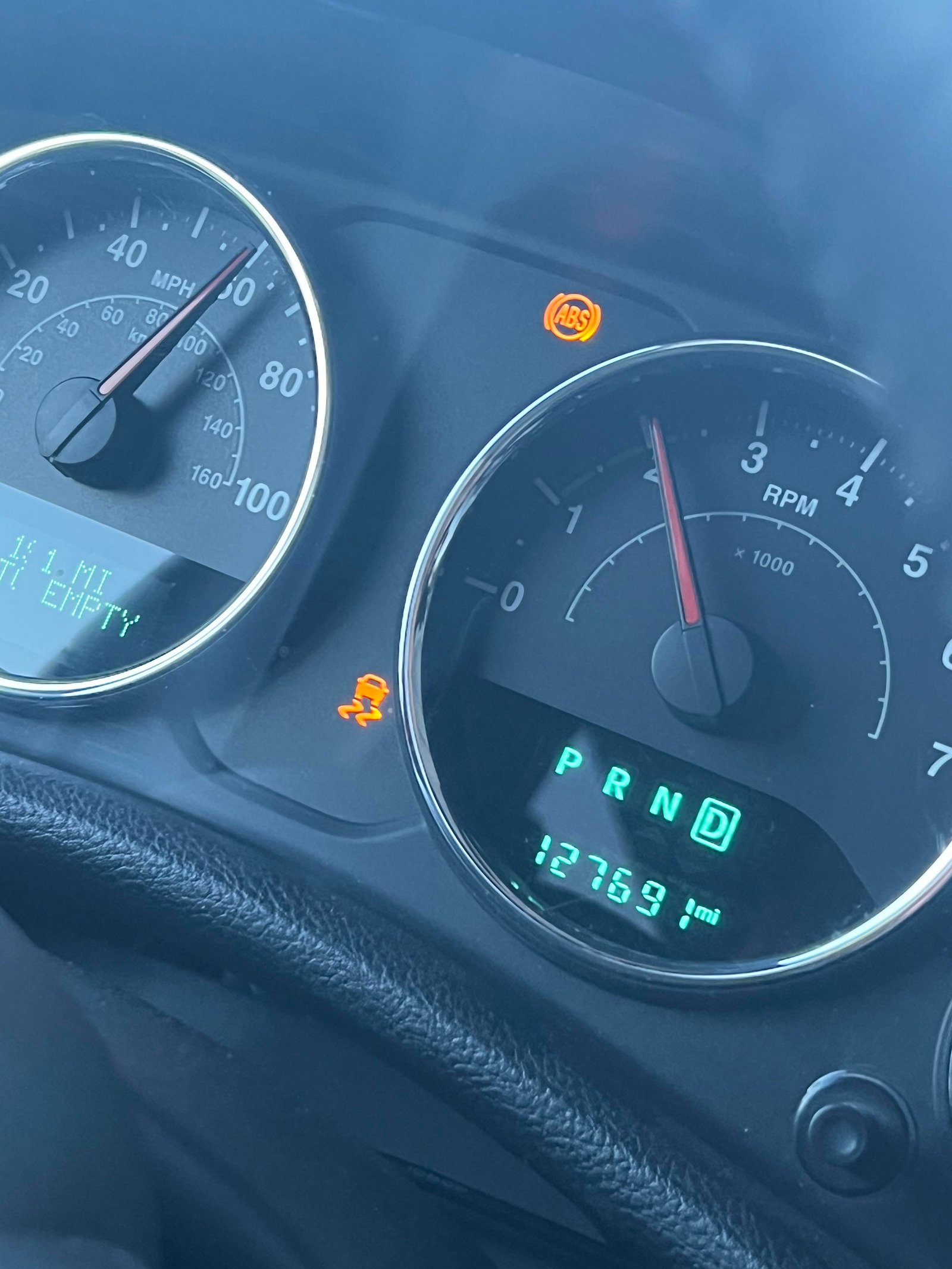
ABS and traction control lights on a Jeep JK often signal wheel speed sensor problems or steering misalignment. These warnings help maintain vehicle safety by alerting drivers to issues affecting braking and traction.
Checking sensors and battery connections can often resolve the lights.
The ABS and traction control lights on your Jeep JK are warning signals. They tell you the vehicle’s safety systems have detected a problem.
ABS stands for Anti-lock Braking System. It helps prevent wheel lockup during hard braking.
Traction control helps maintain grip when driving on slippery surfaces.
Both systems rely on sensors and the vehicle’s computer to work properly. When the lights come on, it means the systems may not function correctly.
What Does The Abs Light Mean?
The ABS light indicates an issue with the anti-lock braking system. It could be a faulty wheel speed sensor, wiring problems, or a bad ABS module.
When the ABS light is on, your brakes still work, but without anti-lock support. This means the wheels might lock during sudden stops, increasing skid risk.
What Does The Traction Control Light Mean?
The traction control light signals a problem with the traction control system. It may be caused by a sensor error or low battery voltage.
When this light is on, traction control may be disabled. This affects your Jeep’s ability to maintain grip on slippery or uneven roads.
Why Do Both Lights Come On Together?
Both lights often come on for related reasons. Common causes include faulty wheel speed sensors or electrical issues.
The vehicle uses the same sensors for ABS and traction control. A problem with one sensor can trigger both lights.
Battery issues or steering misalignment can also cause both warning lights to activate.
Common Causes For Light Activation
The ABS and traction control lights on your Jeep JK often signal a problem. These warning lights turn on to alert you of an issue affecting your vehicle’s safety systems.
Understanding the common causes helps you identify the problem quickly. This saves time and money on repairs.
Below are the most frequent reasons these lights activate.
Faulty Wheel Speed Sensors
Wheel speed sensors monitor how fast each wheel spins. Dirt, mud, or corrosion can block the sensors.
Damaged wires or connectors also cause sensor failure. When a sensor stops working, the ABS and traction control systems lose track of wheel speed.
This triggers the warning lights. Cleaning the sensor area and checking wires often fixes this.
Replacing a bad sensor is usually affordable and simple.
Misaligned Steering Wheel
Your Jeep’s computer expects the steering wheel to be centered when driving straight. If the wheel is off-center, the system detects a mismatch.
This can cause the traction control light to turn on. A misaligned steering wheel often happens after hitting a curb or pothole.
Fixing this requires adjusting the steering link to center the wheel again. This realignment restores proper system function.
Weak Battery Or Bad Connections
Jeep vehicles rely on stable electrical power. A weak battery or loose connections can cause voltage drops.
These drops may trigger false ABS or traction control warnings. Corroded battery terminals or cables reduce electrical flow.
Cleaning terminals and tightening connections helps maintain steady voltage. Replacing an old battery can also prevent these warning lights from turning on.
Leaking Axle Seals
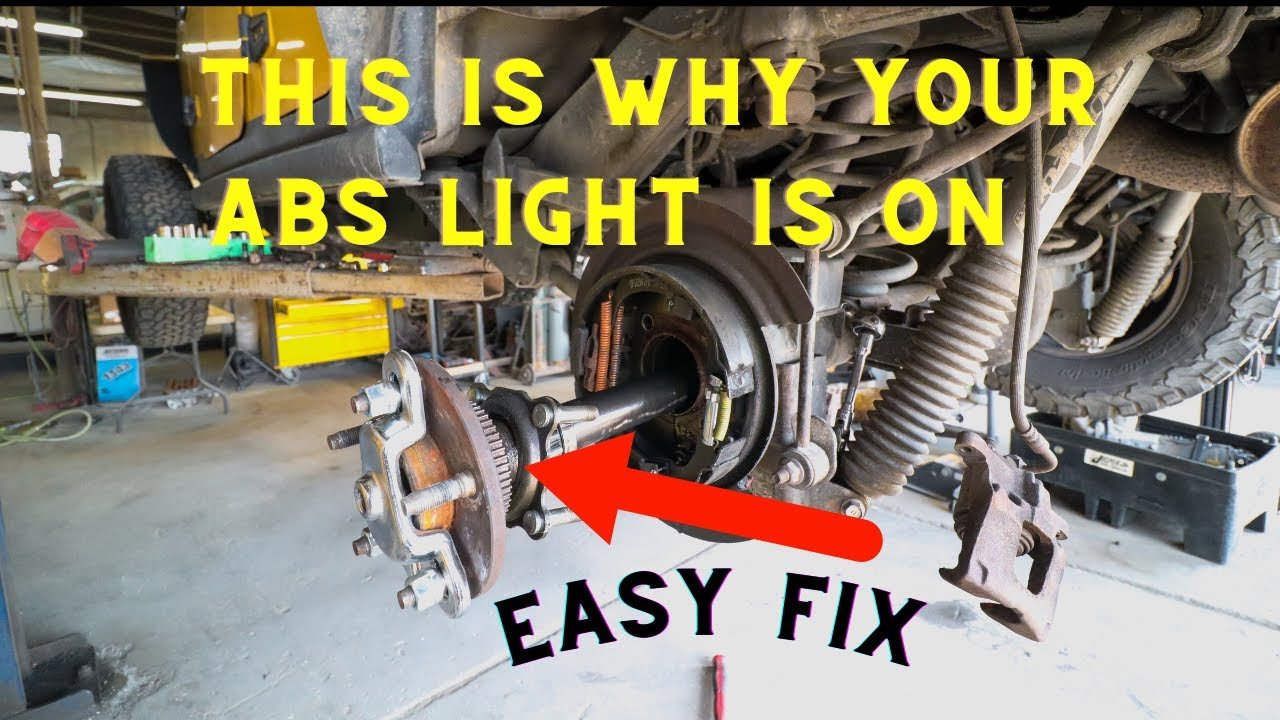
Leaking axle seals let grease escape onto the wheel speed sensors. This contamination blocks sensor signals.
The ABS and traction control lights will then illuminate. A leaking seal may also cause noise or vibration near the wheels.
Fixing this involves replacing the damaged seal and cleaning the affected sensors. Proper maintenance prevents sensor damage from grease build-up.
Diagnosing The Issue
The ABS and traction control lights turning on in your Jeep JK can be frustrating. Many common causes have simple DIY fixes.
You do not always need a mechanic. With basic tools and some patience, you can try these solutions at home.
These steps often save time and money. Follow these easy actions to troubleshoot and possibly fix the lights yourself.
Cleaning Or Replacing Wheel Speed Sensors
Wheel speed sensors measure each wheel’s rotation. Dirt or grease can block signals.
Start by removing the wheel to access the sensor. Clean the sensor and the area around it with a soft brush.
Check the wiring for damage or corrosion. Replace the sensor if cleaning does not help.
New sensors are affordable and easy to install.
Re-centering The Steering Wheel
The steering wheel must be straight when driving forward. A misaligned wheel causes the computer to detect errors.
Loosen the drag link adjustment nut under the Jeep. Turn the steering wheel to center it.
Tighten the nut securely. This simple fix often clears the ABS and traction control lights.
Securing Battery Terminals
Loose or corroded battery terminals cause electrical glitches. Check the battery connections for tightness and cleanliness.
Remove corrosion with a wire brush or baking soda solution. Tighten the terminals firmly.
This restores proper voltage and can stop false warnings from the ABS system.
Addressing Leaking Axle Seals
Leaking axle seals can spill grease onto wheel speed sensors. This disrupts sensor readings.
Inspect the rear axle seals for leaks. Clean any grease found near the sensors with a degreaser.
If the seal is damaged, replace it to prevent further leaks. Fixing seals protects sensors and stops warning lights.
Diy Fixes For Abs And Traction Lights
Jeep JK ABS and traction lights often signal wheel sensor or battery issues. Checking sensor wires and battery connections can clear the warning.
Simple fixes like cleaning sensors or tightening terminals usually solve the problem quickly.
The ABS and traction control lights on your Jeep JK warn you of system issues. Some problems you can fix yourself.
Others need expert attention. Knowing when to get professional help keeps you safe on the road.
Sometimes, the lights come on due to simple causes like dirt or loose wires. These can be cleaned or tightened at home.
But if the lights stay on after basic checks, it signals a deeper problem.
Persistent Warning Lights
If the ABS and traction control lights remain lit after you inspect sensors and battery connections, see a mechanic. Persistent lights mean the system detects ongoing faults.
Ignoring this can affect your Jeep’s braking and handling.
Unusual Brake Behavior
Seek help if your brakes feel different. This includes strange noises, vibration, or reduced stopping power.
These signs often point to ABS or traction system failure. A professional can diagnose and fix these issues safely.
Dashboard Lights Combined
When other warning lights appear with ABS and traction control lights, get your Jeep checked. Multiple warnings may indicate electrical or sensor problems that require diagnostic tools.
Experts have the right equipment to find the exact cause.
After An Accident Or Impact
Any collision or hard impact can damage wheel speed sensors or wiring. If lights turn on after a bump or accident, visit a service center.
Professionals can inspect for hidden damage affecting your safety systems.
Unresponsive Traction Control System
If your traction control does not activate on slippery roads, professional help is necessary. The system may be disabled or malfunctioning.
A mechanic can restore proper function to keep you stable in tough conditions.
When To Seek Professional Help
Seeing the ABS and traction control lights on your Jeep JK can cause concern. These warning signals show that your vehicle’s safety systems may not work properly.
Driving with these lights on needs caution. Understanding the risks and safe driving tips helps keep you protected on the road.
Knowing how to handle emergencies with these lights on is also vital.
Risks Of Ignoring The Lights
Ignoring the ABS and traction control warning lights can increase danger. These systems help prevent wheel lock and maintain grip on slippery roads.
Without them working, stopping distances may grow longer. Your Jeep could skid more easily in wet or icy conditions.
This raises the chance of accidents. Ignoring the lights might also lead to more expensive repairs later.
Safe Driving Tips
Drive slower than usual when these lights are on. Keep a greater distance from the vehicle ahead.
Avoid sharp turns or sudden braking to reduce skid risk. Stay on well-maintained roads if possible.
Check your tires for proper inflation and good tread. Use extra caution on wet or uneven surfaces.
Plan your route to avoid heavy traffic or rough terrain.
Emergency Situations
If the ABS and traction control lights come on while driving, stay calm. Find a safe place to pull over as soon as you can.
Turn off the engine and restart your Jeep to see if the lights reset. If they stay on, call for roadside assistance or visit a mechanic.
Do not ignore strange noises or changes in braking feel. Keep emergency contact numbers handy for quick help.
Driving Safety With Warning Lights On
Understanding the cost of repairing the ABS and traction control lights on your Jeep JK helps you plan your budget. Repair expenses vary widely based on the root cause and parts needed.
Some fixes are simple and cheap, while others require more work and money.
Expect to spend less on sensor replacements and more on electrical or axle repairs. Knowing the average costs for each type of repair saves time and stress during your visit to the mechanic.
Sensor Replacement Costs
Wheel speed sensors often cause ABS and traction control lights to turn on. Replacing a faulty sensor usually costs between $50 and $150.
This price includes the sensor part and basic labor. Sensors are easy to access, so mechanic time is minimal.
This repair is one of the most affordable and common fixes for these warning lights.
Battery And Electrical Repairs
Battery issues or poor electrical connections can trigger warning lights. Repairing these problems costs more than sensor replacement.
Expect to pay $100 to $300 for battery replacement or fixing wiring problems. If corrosion or loose terminals cause voltage drops, cleaning and tightening connections may cost less.
Electrical repairs require skill and time, raising labor costs.
Axle Seal Repairs
A leaking axle seal can contaminate wheel speed sensors, causing light warnings. Fixing an axle seal is more complex and expensive.
Repair costs typically range from $300 to $600. This price covers parts and labor for replacing the seal and cleaning affected sensors.
Ignoring axle seal leaks can lead to more damage and higher repair bills later.
Cost Expectations For Repairs
Keeping your Jeep JK’s ABS and traction control system in good shape starts with simple, regular maintenance. These systems rely on sensors, battery power, and precise steering to work correctly.
Small issues can trigger warning lights and affect safety. Follow these preventive maintenance tips to avoid common problems and keep your Jeep running smoothly.
Regular Sensor Cleaning
Wheel speed sensors detect how fast each wheel spins. Dirt, mud, or rust can block their signals.
Clean sensors and the surrounding area often. Use a soft brush and mild cleaner to remove grime.
Avoid harsh chemicals that can damage sensors. Clean sensors help your ABS and traction control work properly.
Battery Care
A strong battery powers your Jeep’s electronics, including ABS and traction control. Check battery terminals for corrosion or loose connections.
Clean terminals with a baking soda solution if needed. Test battery voltage regularly and replace weak batteries.
A healthy battery prevents false warning lights and system errors.
Steering Alignment Checks
Proper steering alignment ensures your Jeep drives straight. Misalignment can confuse the traction control system.
Have a professional check alignment at least once a year. Fix any steering issues quickly to avoid uneven tire wear and warning lights.
Correct alignment keeps your Jeep safe and stable on the road.
Frequently Asked Questions
What Does It Mean When Your Abs And Traction Control Light Come On At The Same Time?
The ABS and traction control lights together usually signal a wheel speed sensor fault, steering misalignment, or weak battery connection. This disables ABS and traction control, reducing safety.
Check sensors, steering alignment, and battery terminals promptly to restore full function and avoid potential driving risks.
What Does It Mean When Your Abs And Traction Control Light Comes On A Jeep Wrangler?
The ABS and traction control lights on a Jeep Wrangler signal a fault in wheel speed sensors, steering alignment, or battery connections. These issues affect braking and traction systems, reducing safety. Inspect sensors, check steering alignment, and ensure battery terminals are clean and secure to fix the problem.
Is It Okay To Drive A Jeep With Abs And Traction Control Light On?
Driving a Jeep with ABS and traction control lights on is unsafe. These systems may not work in emergencies.
Have the issue diagnosed and fixed promptly to ensure proper braking and stability.
Why Is My Abs And Traction Control Light On My Jeep Patriot?
The ABS and traction control lights on a Jeep Patriot usually signal faulty wheel speed sensors, misaligned steering, or weak battery connections. Check sensor wires, clean hubs, realign the steering wheel, and inspect battery terminals for corrosion or looseness to fix the issue.
Conclusion
The ABS and traction control lights on your Jeep JK warn of sensor or connection issues. Check wheel speed sensors for dirt, damage, or loose wires first.
Make sure your steering wheel is properly aligned and battery connections are clean and tight.
These simple steps often fix the problem without costly repairs. Staying aware helps keep your Jeep safe and running well.
Don’t ignore these lights address them early to avoid bigger issues later.