If your Jeep Grand Cherokee’s engine light just came on, you’re probably wondering what it means and what you should do next. That little glowing icon isn’t just a random warning, it’s your Jeep’s way of telling you that something needs your attention.
Ignoring it could lead to bigger, costly problems down the road. But don’t worry you’re in the right place.
You’ll learn the most common reasons why your check engine light turns on, how to quickly diagnose the issue, and what steps you should take to keep your Jeep running smoothly.
Keep reading to make sure you stay safe, avoid expensive repairs, and get back on the road with confidence.
Engine Light Basics
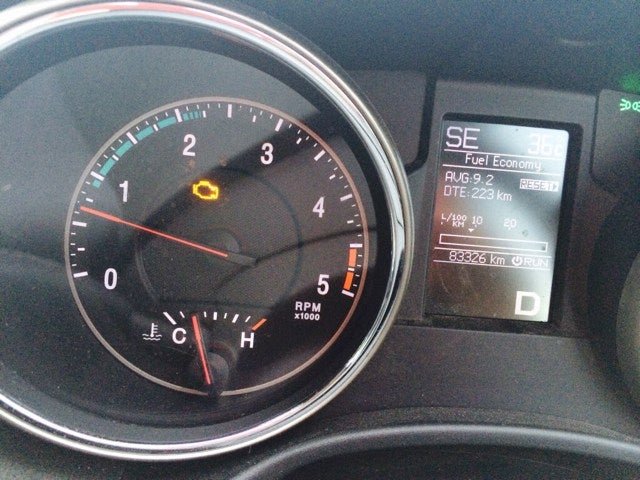
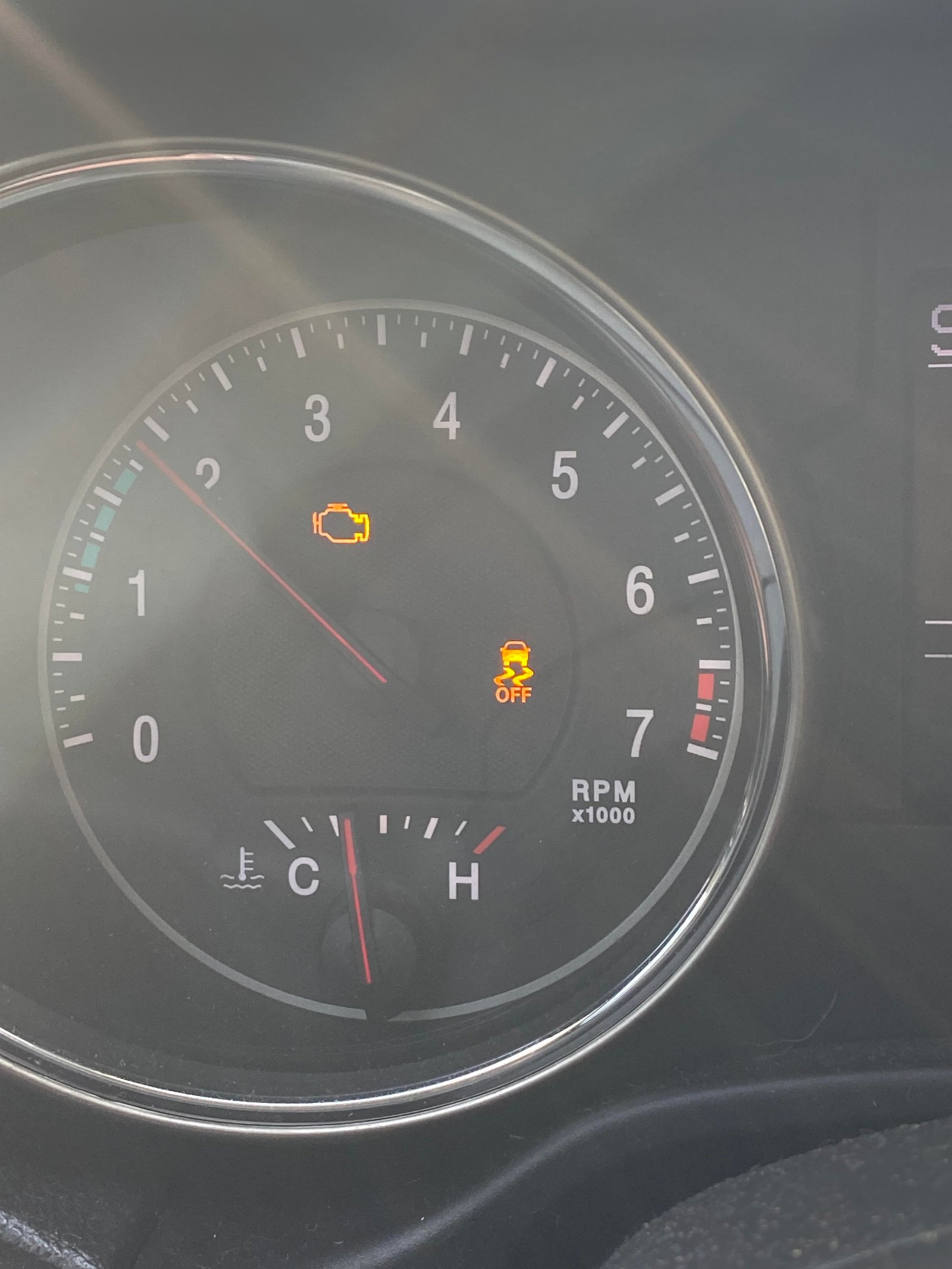
The engine light on your Jeep Grand Cherokee signals your vehicle’s health. It is part of the onboard diagnostic system. This light turns on when the system detects a problem in the engine, transmission, or emissions.
Understanding this light helps you know what steps to take next. It can indicate minor issues or serious faults requiring immediate attention.
Recognizing the difference between a solid and flashing light is important for your safety and the vehicle’s performance.
What The Light Means
The engine light means your Jeep’s computer found an issue. It could be a loose gas cap, engine misfire, or emission system problem.
This light helps prevent damage by alerting you early. Ignoring it can lead to costly repairs or breakdowns.
When the light comes on, it is best to check basic things first. Tighten the gas cap if it feels loose.
If the light stays on, have your Jeep checked with a scanner. This device reads error codes to pinpoint the problem.
Solid Vs Flashing Light
A solid engine light means a less urgent problem. You can drive carefully and have the vehicle checked soon.
It is a warning to take action but not an emergency.
A flashing engine light means a serious issue. It signals a major engine misfire.
Driving with a flashing light can cause severe damage, especially to the catalytic converter. Stop driving and seek professional help immediately.
Common Causes
The Jeep Grand Cherokee’s engine light signals a detected problem in the engine or emissions system. Understanding common causes helps you act quickly and avoid costly repairs.
Most issues are simple to fix, but some need professional care. Here are frequent reasons why the engine light turns on.
Loose Or Damaged Gas Cap
A loose or damaged gas cap often triggers the engine light. It can cause fuel vapor leaks, affecting engine pressure.
Tighten the gas cap until it clicks. Replace it if cracked or broken.
This simple fix can turn off the light after driving a few miles.
Faulty Oxygen Sensor
The oxygen sensor monitors exhaust gases and helps control fuel mix. A faulty sensor sends wrong data to the engine computer.
This can reduce fuel efficiency and increase emissions. Replacing the sensor usually solves the problem and stops the engine light.
Catalytic Converter Issues
The catalytic converter cleans harmful gases from the exhaust. Problems here may cause poor engine performance and higher emissions.
A failing converter often triggers the engine light. Repair or replacement is needed to restore normal function and pass emissions tests.
Worn Spark Plugs
Spark plugs ignite the air-fuel mix inside the engine. Worn or dirty plugs cause misfires and rough running.
This can turn on the engine light. Replacing spark plugs improves performance and fuel economy. It also helps clear the warning light.
Battery Problems
A weak or failing battery may cause engine light warnings. Low voltage affects sensors and engine control systems.
Check the battery’s condition and connections. Replace the battery if it cannot hold a charge.
A good battery keeps your Jeep running smoothly and the light off.
Diagnosing The Issue
The Jeep Grand Cherokee engine light signals a problem in the engine or emissions system. Diagnosing the issue quickly helps avoid costly repairs.
Start by identifying the cause through simple tools and steps. This section explains how to read trouble codes and use scanners.
It also guides when to visit a mechanic for professional help.
Reading Trouble Codes
The engine light stores trouble codes that explain the issue. You can find these codes at many auto parts stores for free.
They use a scanner to read your Jeep’s onboard computer. The code gives a clue about the problem, such as a sensor failure or fuel system issue.
Write down the code and look it up online to understand it better.
Using Obd-ii Scanners
OBD-II scanners connect to your Jeep’s diagnostic port under the dashboard. These tools read and clear engine codes quickly.
Many scanners are affordable and easy to use at home. After connecting, the scanner shows error codes and their meanings.
Some models offer tips on how to fix minor problems yourself. This method saves time and money before seeing a mechanic.
When To Visit A Mechanic
Visit a mechanic if the engine light keeps flashing or stays on after resetting. Flashing lights usually mean severe engine trouble that needs urgent care.
Also, if your Jeep runs rough, stalls, or loses power, get professional help. Mechanics have advanced tools to diagnose and fix complex issues.
Early visits prevent damage and keep your Jeep running safely.
Fixes And Repairs
The Jeep Grand Cherokee engine light signals that your vehicle needs attention. Fixes and repairs vary by the issue detected.
Addressing the root cause quickly avoids further damage and costly repairs.
Some repairs are simple and can be done at home. Others require professional help.
Here are common fixes that clear the engine light and keep your Jeep running well.
Tightening Or Replacing Gas Cap
A loose or damaged gas cap often triggers the engine light. Tighten the cap until it clicks to seal the fuel system.
Replace the cap if it is cracked or worn. This simple step can turn off the light within a few driving cycles.
Replacing Oxygen Sensor
The oxygen sensor measures exhaust gases to optimize fuel use. A faulty sensor causes poor fuel economy and higher emissions.
Replace the sensor to restore engine performance and clear the engine warning light. This repair improves gas mileage and reduces pollution.
Catalytic Converter Repair
The catalytic converter reduces harmful exhaust gases. Damage or clogging causes the engine light to come on.
Repair or replace the converter to fix emissions issues. Ignoring this can lead to engine damage and failed emissions tests.
Spark Plug Maintenance
Worn or dirty spark plugs cause misfires and trigger the engine light. Inspect and replace spark plugs regularly.
New plugs improve engine power, fuel efficiency, and reduce emissions. Proper maintenance prevents costly engine repairs.
Battery Replacement
A weak or dead battery can cause the engine light to flash. Replace the battery to ensure proper electrical system function.
A fresh battery helps the engine run smoothly and supports all electronic components.
Driving With The Light On
Seeing the engine light on your Jeep Grand Cherokee can cause worry. This light signals an issue in the engine or related systems.
Knowing when it is safe to drive and what to do helps protect your vehicle and safety. The light’s behavior shows the severity of the problem.
Understanding this can guide your next steps on the road.
When It’s Safe To Drive
A steady engine light often means a minor issue. You can usually drive carefully for a short time.
Watch for changes in how the Jeep runs. If the engine sounds rough or loses power, stop driving.
Plan to visit a mechanic soon to check the problem. Avoid long trips until the issue is fixed.
Risks Of Ignoring The Light
Ignoring the engine light can cause serious damage. Small problems may grow into costly repairs.
Fuel efficiency can drop, increasing your expenses. Engine parts may wear out faster than normal.
You risk breaking down on the road. Prompt action can save money and stress.
Emergency Actions For Flashing Light
A flashing engine light means a serious problem. This often signals an engine misfire that can harm the catalytic converter.
Stop driving immediately in a safe place. Turn off the engine and call for roadside assistance.
Avoid restarting the Jeep until a professional inspects it. Quick action protects your vehicle from major damage.

Maintenance Tips
Maintaining your Jeep Grand Cherokee helps prevent the engine light from turning on unexpectedly. Regular care keeps your engine and related systems running smoothly.
Simple habits can save time and money by avoiding bigger problems later. Focus on key areas like engine checkups, sensor cleanliness, battery health, and fuel system upkeep.
These steps keep your Jeep reliable and safe on the road.
Regular Engine Checkups
Schedule engine inspections every few months. Mechanics check for leaks, worn parts, and fluid levels.
Early detection stops small issues from becoming costly repairs. Use recommended oil and change filters often.
Clean oil and filters improve engine performance and reduce wear. Don’t ignore strange noises or smells; they signal engine trouble.
Keeping Sensors Clean
Sensors monitor engine functions and send data to the computer. Dirt or grime on sensors causes false readings and triggers the engine light.
Clean sensors gently with suitable cleaners. Focus on oxygen sensors and mass airflow sensors.
Clean sensors help the engine run efficiently and reduce emissions. Check sensor wiring for damage or looseness regularly.
Battery Care
A strong battery powers all electrical systems in your Jeep. Check battery terminals for corrosion and clean them if needed.
Tighten loose connections to ensure steady power flow. Test battery voltage every few months, especially before long trips.
Replace an old or weak battery to avoid sudden engine light warnings. Healthy batteries support smooth engine starts and sensor operations.
Fuel System Maintenance
Keep the fuel system clean to prevent engine light activation. Use quality fuel and avoid letting the tank run too low.
Replace the fuel filter as per the owner’s manual schedule. Clean fuel injectors to maintain proper spray patterns.
A clean fuel system improves combustion and reduces engine stress. Watch for signs like rough idling or poor acceleration as fuel system issues.
Preventing Future Issues
Preventing future issues with your Jeep Grand Cherokee engine light involves careful attention and regular care. Small actions today can stop big problems tomorrow.
Understanding how to keep your engine healthy saves time and money. Focus on key habits that maintain your vehicle’s performance and reliability.
Routine Diagnostics
Regular diagnostic checks help catch problems early. Use an OBD-II scanner to read engine codes. Many auto shops offer free code reading services. Diagnostics identify issues before they worsen. Schedule checks every few months or after long trips. Early detection prevents costly repairs later.
Timely Repairs
Fix engine issues promptly after they appear. Delaying repairs can cause more damage.
Address check engine light warnings without hesitation. A quick repair keeps your Jeep running smoothly.
Repair shops can explain the needed work clearly. Staying ahead of problems extends your vehicle’s life.
Using Quality Parts
Choose high-quality parts for all repairs and replacements. Cheap parts may fail faster and cause new issues.
OEM or trusted aftermarket parts work best. Quality parts improve engine performance and reliability.
Ensure parts match your Jeep Grand Cherokee model. This reduces chances of recurring engine light problems.
Conclusion
The Jeep Grand Cherokee engine light warns you about possible issues. Don’t ignore this signal.
Check simple things like the gas cap first. Use an OBD-II scanner to find the trouble codes.
A flashing light means stop driving and get help fast.
Regular checks keep your Jeep running smoothly. Staying alert can save you time and money. Take action early for safer, worry-free driving.