When a light pops up on your Jeep Grand Cherokee’s dashboard, it can be confusing and even a little alarming. You might wonder, “What does that symbol mean?
Is it serious? Should I pull over right now?
” Knowing what each dash light means is key to keeping your Jeep running smoothly and staying safe on the road.
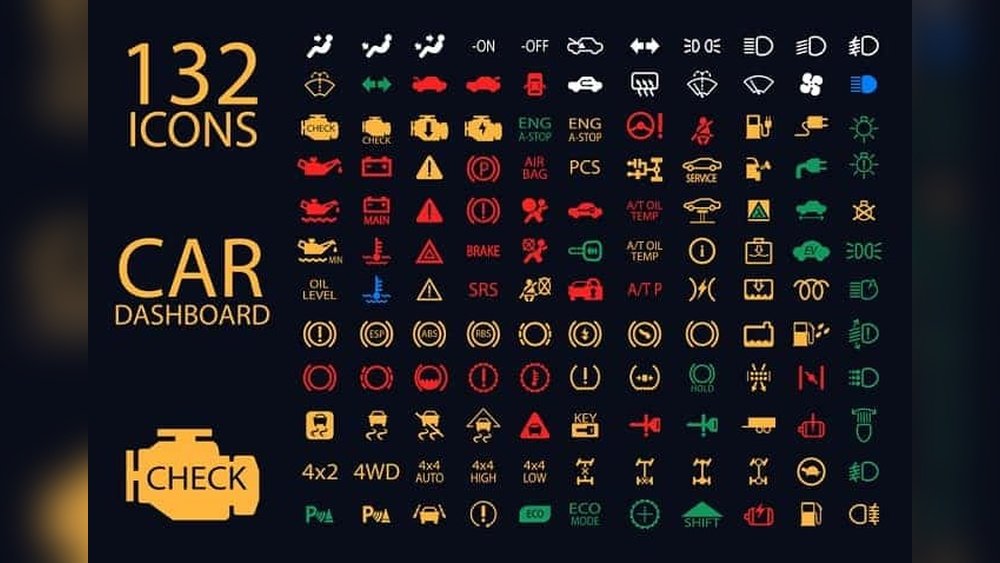
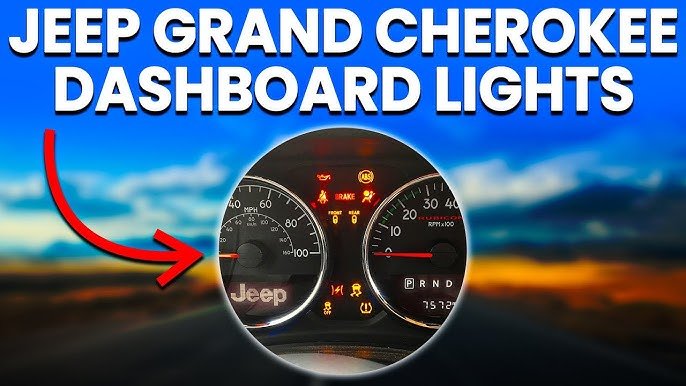
This guide breaks down the most common Jeep Grand Cherokee dash lights in simple terms, so you can quickly understand what your vehicle is telling you.
Keep reading, because understanding these warning signs could save you time, money, and stress down the road.
Jeep Grand Cherokee Dashboard Colors
The Jeep Grand Cherokee dashboard uses different colors to show the status of your vehicle. These colors help drivers understand the importance of each alert.
Knowing what each color means can keep you safe and prevent damage to your Jeep.
The dashboard colors are mainly red, yellow or orange, green, and blue. Each color signals a different level of urgency or type of information.
Recognizing these colors quickly helps you respond correctly while driving.
Red Lights And Their Urgency
Red lights on your Jeep Grand Cherokee dashboard mean immediate action is needed. These alerts warn you of serious problems.
They often relate to engine issues, brake system faults, or overheating.
Ignoring red lights can cause damage or unsafe driving conditions. Stop your vehicle as soon as it is safe.
Check the issue or call for help to avoid further trouble.
Yellow And Orange Warnings
Yellow or orange lights indicate caution but are less urgent than red. They suggest a system needs attention soon.
Examples include low fuel, tire pressure warnings, or engine check lights.
These lights mean you should plan to fix the problem soon. They do not require stopping immediately but should not be ignored. Proper maintenance keeps your Jeep running smoothly.
Green And Blue Indicators
Green and blue lights are informational and not warnings. They show that certain systems are active or working correctly.
For example, green lights may indicate cruise control is on.
Blue lights often signal high beams or other vehicle functions. These colors tell you what features are in use without causing concern.
They help you stay aware of your Jeep’s status.

Common Warning Lights
Your Jeep Grand Cherokee dashboard shows warning lights that keep you informed. These lights alert you to important vehicle conditions or issues.
Recognizing common warning lights helps you respond quickly. This protects your vehicle and ensures safety on the road.
Check Engine Light
The check engine light signals engine or emissions problems. It may flash or stay steady.
A flashing light means a serious problem. Stop driving and have the vehicle checked.
A steady light suggests a less urgent issue. Schedule service soon to avoid damage.
Oil Pressure Warning
This light warns about low oil pressure. Low oil pressure can cause engine damage fast.
Stop the engine immediately if this light comes on. Check the oil level and add oil if needed.
If the light stays on, seek professional help right away.
Battery Alert
The battery alert light shows a charging system problem. It means the battery is not charging properly.
This can cause the vehicle to lose power. Turn off extra electrical devices to save battery.
Visit a mechanic to check the battery and alternator.
Brake System Warning
This warning light signals a brake system issue. It could be low brake fluid or worn brake pads.
The light may also mean the parking brake is engaged. Check the brake fluid level and release the parking brake.
Have your brakes inspected if the light stays on.
Tire And Fuel Notifications
The Jeep Grand Cherokee dashboard shows important notifications about your tires and fuel. These alerts help keep you safe and avoid breakdowns.
Knowing what each light means saves time and money. It also ensures smooth driving every day.
Tire Pressure Monitoring System
The Tire Pressure Monitoring System (TPMS) light warns about low tire pressure. Proper tire pressure improves fuel efficiency and tire life.
The light glows when one or more tires are underinflated. Check your tire pressure with a gauge and inflate to the recommended level.
Driving with low pressure can cause poor handling and tire damage.
Low Fuel Indicator
The low fuel indicator appears when your fuel is running low. It reminds you to fill the tank soon.
Running out of fuel can leave you stranded and damage the fuel pump. Stop at a gas station when this light turns on.
Keeping the tank above a quarter full helps avoid this warning.
Loose Gas Cap Warning
The loose gas cap warning signals a loose or missing gas cap. This can cause fuel vapors to leak and trigger the check engine light.
Tighten the gas cap until it clicks to turn off the warning. A secure gas cap helps your Jeep run efficiently and reduces emissions.
Safety And Security Alerts
Your Jeep Grand Cherokee’s dashboard shows important safety and security alerts. These alerts help keep you and your passengers safe.
They warn you about issues that need immediate attention. Understanding these alerts can prevent accidents and costly repairs.
Seat Belt Reminder
The seat belt reminder light glows when a seat belt is not fastened. This alert encourages everyone in the vehicle to buckle up.
Fastening seat belts reduces injury risk in accidents. The light often flashes and may sound a beep. Always fasten your seat belt before driving.
Airbag Warning Light
The airbag warning light signals a problem with the airbag system. If this light stays on, airbags might not deploy in a crash.
Driving with this warning is unsafe. Visit a mechanic to have the airbag system checked.
Prompt action ensures your airbags work when needed.
Master Warning Light
The master warning light signals a general safety or security issue. It may appear with other warning icons.
This light alerts you to check the dashboard for specific problems. Addressing these warnings quickly can protect your vehicle and passengers.
Do not ignore this light when it appears.
Lighting And System Status
The lighting and system status indicators on your Jeep Grand Cherokee dashboard provide important information. They help you understand the current state of your vehicle’s systems and lighting.
Knowing these signals keeps you safe and informed while driving.
These lights use simple icons that turn on or blink to show their status. Recognizing them quickly can prevent issues and improve your driving experience.
High Beam Indicator
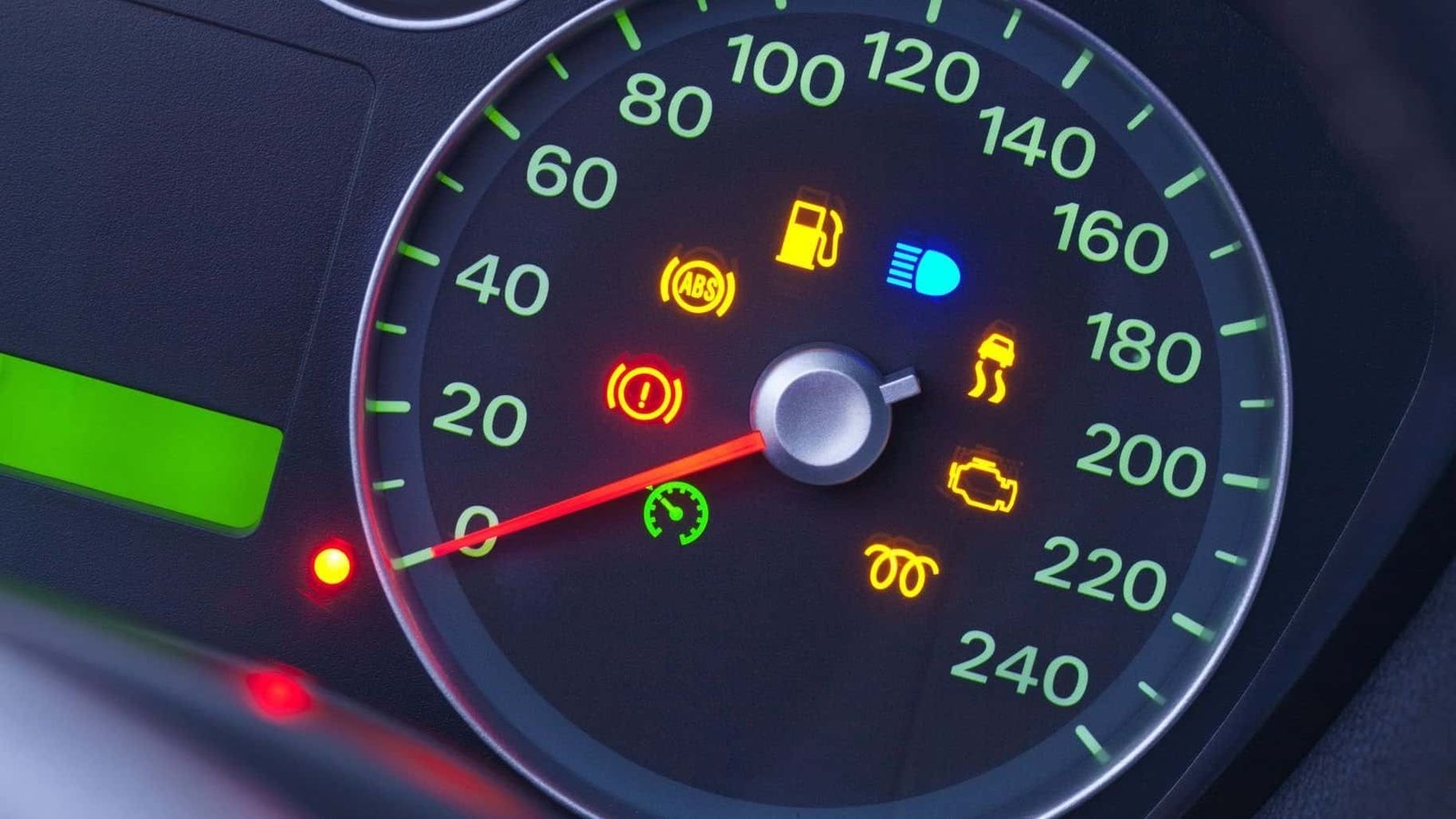
The high beam indicator lights up when your high beam headlights are active. It usually appears as a blue light shaped like a headlamp with rays.
This signal helps you know when bright lights are on, avoiding blinding other drivers. Remember to switch it off when another vehicle approaches.
Fog Light Signals
Fog light signals show when your front or rear fog lights are on. These icons often look like lamps with wavy lines.
Front fog lights improve visibility in foggy or misty conditions. Rear fog lights make your vehicle visible to others in poor weather.
Use them only when needed to avoid glare.
Cruise Control And Other System Lights
The cruise control light appears when you activate the system. It looks like a speedometer or a dial with an arrow.
This light confirms that cruise control is set and ready to maintain speed.
Other system lights include alerts for lane keeping, traction control, and stability systems. Each symbol provides information about the current status or any issues.
Pay attention to these lights to ensure your vehicle runs smoothly and safely.
Troubleshooting Dashboard Alerts
Dashboard alerts on your Jeep Grand Cherokee provide essential information about your vehicle’s condition. These lights can warn you about minor issues or serious problems.
Knowing how to troubleshoot these alerts helps you keep your Jeep running smoothly and safely.
Some alerts need immediate attention, while others can be checked later. Understanding when to act and how to handle the warning lights is key to avoiding costly repairs.
When To Visit A Mechanic
Some dashboard lights signal urgent issues. For example, the oil pressure or engine temperature lights mean stop driving soon. Continuing can damage your engine.
Brake warning lights also require quick service. They affect your safety on the road.
If a light stays on or blinks, schedule a mechanic visit immediately.
Using Your Owner’s Manual
The owner’s manual explains each dashboard symbol clearly. It tells you what each light means and the urgency level.
This guide helps you decide your next steps.
Always keep the manual in your glove box. It is your best resource for understanding alerts without confusion.
Resetting Warning Lights
Some warning lights may reset after fixing the issue. Sometimes, you can reset them yourself using the vehicle’s settings menu.
Turn the ignition on without starting the engine. Locate the reset option in the dashboard menu. Follow the steps to clear the light.
If the light returns, the problem remains. Visit a mechanic for a full diagnosis and repair.
Maintaining Your Jeep’s Dashboard Health
The dashboard of your Jeep Grand Cherokee shows important signs about your vehicle’s condition. Maintaining your Jeep’s dashboard health helps you avoid surprises and costly repairs.
Regular care keeps warning lights accurate and your vehicle running safely. Understanding how to maintain these systems makes your driving experience better.
Regular Vehicle Inspections
Check your Jeep often to catch issues early. Inspect all dashboard lights during these visits.
A quick look can reveal problems before they grow. Routine inspections by a mechanic help keep sensors and systems working well.
This simple habit protects your Jeep and your safety on the road.
Keeping Sensors Clean
Sensors on your Jeep detect many conditions that trigger dash lights. Dirt, dust, and debris can block sensors and cause false warnings.
Clean sensors gently using a soft cloth and mild cleaner. Regular cleaning improves sensor accuracy and avoids unnecessary alerts.
Keep sensors clear to ensure your dashboard shows the right signals.
Software Updates And Recalls
Your Jeep’s computer controls many dashboard functions. Software updates fix bugs and improve system performance.
Check with your dealer for available updates and install them promptly. Recalls may also address dashboard or sensor problems.
Staying updated helps keep your Jeep’s dashboard reliable and safe.
Conclusion
Knowing what each Jeep Grand Cherokee dash light means helps you stay safe. These lights warn about engine issues, low fuel, or tire pressure.
Don’t ignore any warning symbol on your dashboard. Regular checks and quick responses keep your Jeep running well.
Always refer to your owner’s manual for details. Understanding these signals saves you time and repair costs.
Stay alert, and drive with confidence every time.