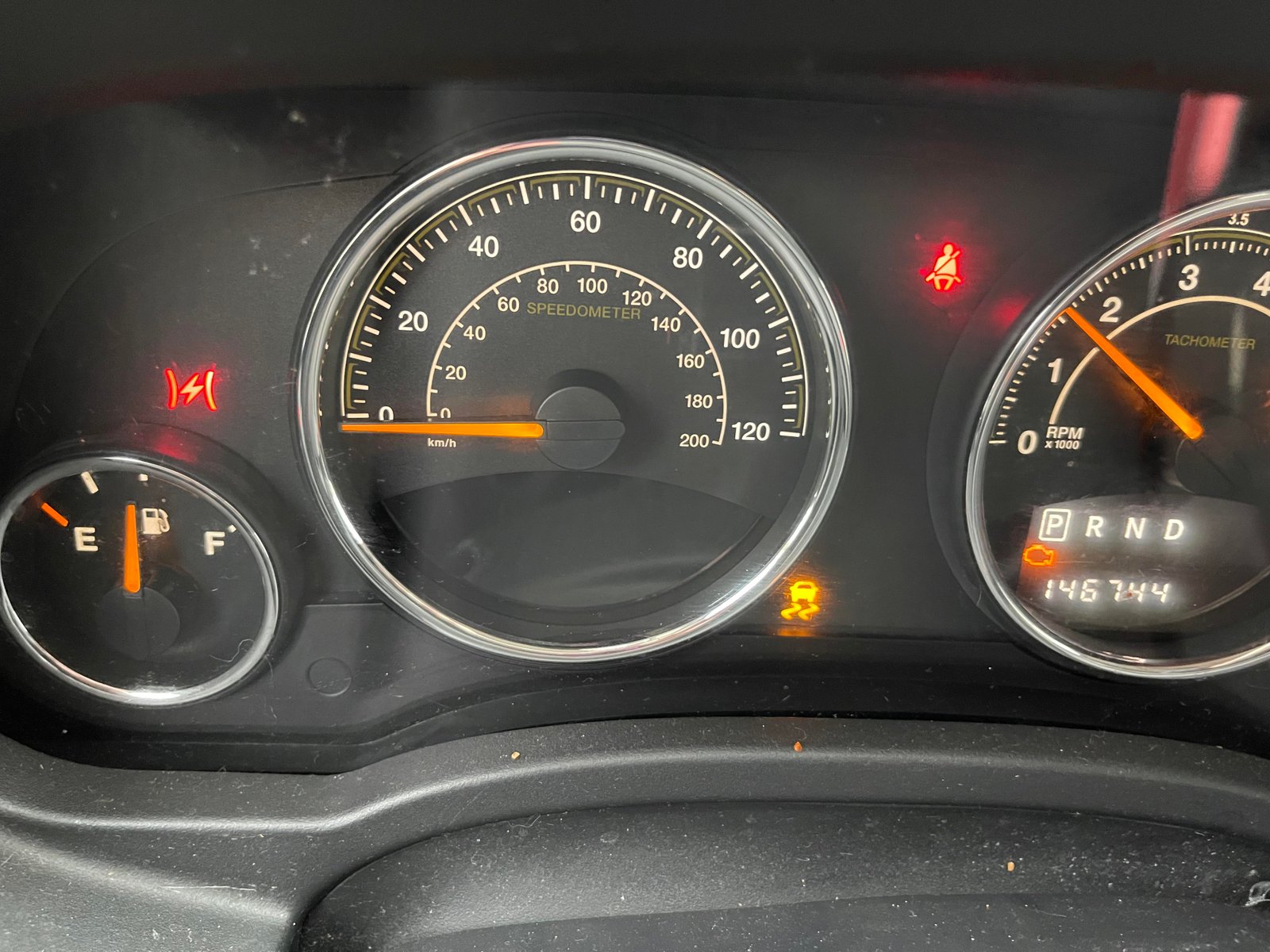
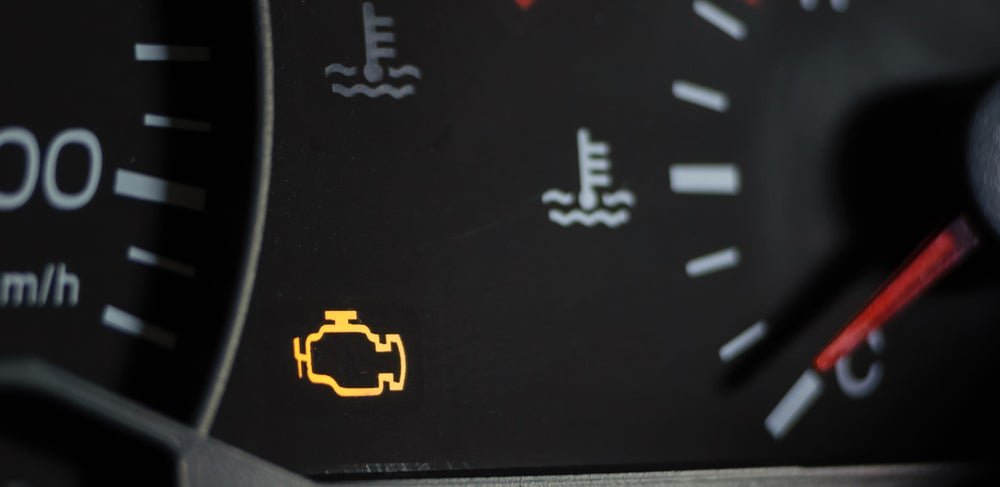
Imagine you’re driving your Jeep and suddenly, the check engine light starts flashing. That flashing light isn’t just a warning; it’s a signal that something serious is happening under your hood.
You might wonder, “Is it safe to keep driving? What’s causing this?
How urgent is the problem? ” Ignoring a flashing check engine light can lead to expensive repairs or even engine damage.
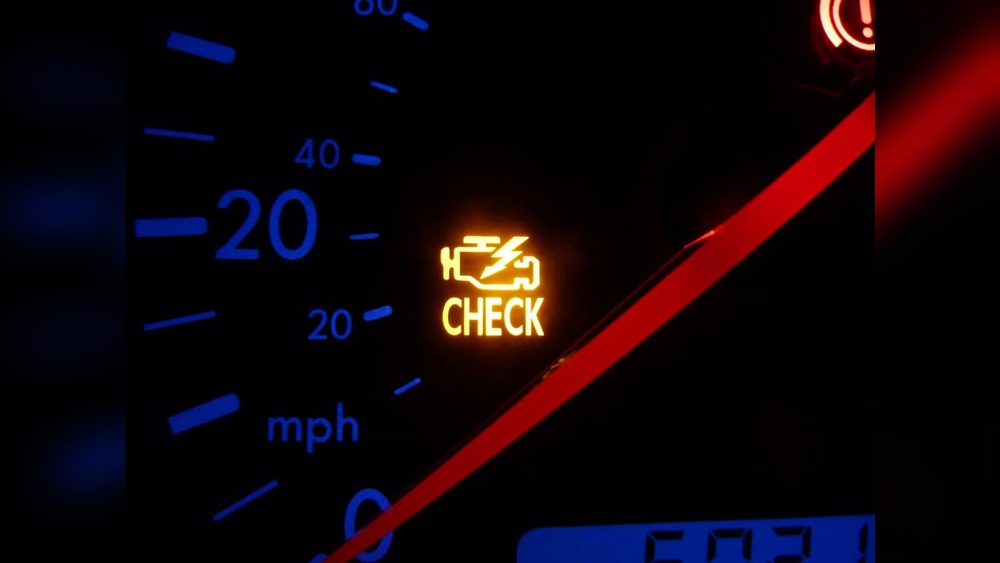
You’ll learn exactly what a flashing check engine light means for your Jeep, the common causes behind it, and what you should do right away to protect your vehicle and your safety.
Keep reading to avoid costly mistakes and keep your Jeep running strong.

Flashing Light Meaning
The flashing check engine light on your Jeep signals a serious issue. It means the engine is misfiring.
This is not a normal warning light that you can ignore. A flashing light means the problem needs immediate attention.
Continuing to drive can cause more damage. Understanding what the flashing light means helps you act fast.
Engine Misfire Signals
A flashing check engine light often means the engine is misfiring. Misfire happens when one or more cylinders do not fire properly.
This can cause rough running and loss of power. Common causes include faulty spark plugs, bad ignition coils, or fuel injector problems.
Misfires reduce fuel efficiency and increase emissions. Ignoring a misfire can lead to engine damage.
Catalytic Converter Risks
A misfire can harm the catalytic converter. The converter cleans harmful gases from exhaust.
When unburned fuel enters the converter, it can overheat and fail. Repairing or replacing a catalytic converter is costly.
A flashing light warns you to stop driving and fix the misfire. Acting quickly can save your catalytic converter and avoid expensive repairs.
Immediate Actions
The Jeep check engine light flashing signals a serious engine problem. Immediate action can prevent further damage.
It is important to respond quickly to protect your Jeep and ensure safety. Follow these steps as soon as the light starts flashing.
Pull Over Safely
Look for a safe spot to pull your Jeep over. Use your turn signal and slow down gradually.
Avoid sudden stops that may confuse other drivers. Once stopped, turn off the engine.
This stops potential damage and protects your engine.
Avoid Driving Further
Do not keep driving after the light flashes. Driving can cause severe engine damage or harm the catalytic converter.
It can also lead to costly repairs. Wait for professional help or tow your Jeep to a service center.
Safety and vehicle health depend on stopping immediately.
Common Causes
A flashing check engine light on your Jeep signals a serious problem. It usually means the engine is misfiring.
Misfires can harm the engine and the catalytic converter. Several common causes trigger this warning.
Identifying these helps you act fast and avoid costly repairs.
Bad Ignition Coil
The ignition coil sends electricity to the spark plugs. A bad coil means no spark, causing the engine to misfire.
This leads to rough running and poor fuel economy. The check engine light flashes to warn you about this failure.
Faulty Spark Plugs
Spark plugs ignite the fuel in the engine cylinders. Old or worn spark plugs fail to create a strong spark.
This causes cylinders to misfire and the engine to run poorly. Replacing spark plugs often solves this issue.
Fuel Injector Issues
Fuel injectors spray fuel into the engine. Clogged or malfunctioning injectors disrupt fuel delivery.
This creates an uneven air-fuel mix, causing misfires. The engine light flashes to alert you to injector problems.
Engine Mechanical Problems
Internal engine problems like worn valves or low compression cause misfires. Mechanical faults prevent proper combustion.
These issues demand immediate attention to avoid engine damage. The flashing light signals a serious mechanical failure.
Risks Of Ignoring
The Jeep check engine light flashing signals a serious problem. Ignoring this warning leads to multiple risks.
These risks affect your vehicle’s performance, safety, and repair costs. Acting fast can prevent bigger troubles down the road.
Engine Damage
A flashing check engine light often means the engine is misfiring. Misfires cause incomplete combustion inside cylinders.
This condition stresses engine parts and causes overheating. Prolonged misfiring can result in permanent engine damage.
Repairing a damaged engine takes more time and money.
Catalytic Converter Failure
The catalytic converter reduces harmful emissions from the exhaust. Engine misfires send unburned fuel into the exhaust system.
This extra fuel overheats and damages the catalytic converter. A damaged converter reduces fuel efficiency and increases pollution.
Replacing a catalytic converter is expensive and complex.
Costly Repairs
Ignoring a flashing check engine light leads to bigger repair bills. Small issues grow into major mechanical failures without timely fixes.
Repair shops charge more for fixing engine and exhaust problems. Preventive maintenance saves money and keeps your Jeep running smoothly.
Always address warning lights early for best results.
Quick Fixes
The Jeep check engine light flashing signals a serious engine problem. Quick fixes can help reduce damage and get your Jeep running smoothly again.
These simple steps target common causes of engine misfires. Acting fast protects your engine and catalytic converter from costly repairs.
Replacing Spark Plugs
Old or damaged spark plugs often cause engine misfires. Removing the worn plugs and installing new ones restores proper ignition.
This fix improves engine performance and stops the check engine light from flashing. Spark plug replacement is a straightforward task that many Jeep owners can do at home.
Ignition Coil Repair
The ignition coil sends electrical current to the spark plugs. A faulty coil disrupts this flow and leads to misfires.
Repairing or replacing the ignition coil fixes this issue. This repair often stops the flashing check engine light quickly.
Ignition coil problems need attention to prevent engine damage.
Fuel Injector Cleaning
Dirty fuel injectors can cause uneven fuel delivery. This leads to misfires and triggers the check engine light.
Cleaning the injectors removes buildup and restores proper fuel spray. This simple service improves engine smoothness and performance.
Fuel injector cleaning is an effective quick fix for many Jeep engines.
Professional Diagnostics
Sometimes the cause of a flashing check engine light is hard to find. Professional diagnostics use advanced tools to read error codes.
This helps pinpoint the exact problem quickly. Visiting a certified mechanic ensures safe and accurate repairs.
Diagnostics prevent unnecessary fixes and protect your Jeep’s engine health.
When To Seek Help
The Jeep check engine light flashing warns of a serious engine issue. It signals that your engine may be misfiring.
This can cause damage to your vehicle’s catalytic converter and engine. Acting fast can prevent costly repairs and keep you safe. Knowing when to seek help is important.
Warning Signs
A flashing check engine light is a clear sign to stop driving. Other signs include rough idling and loss of power.
Strange noises from the engine or poor fuel economy can also appear. Smoke from the exhaust or engine stalling means urgent attention is needed.
These signs indicate the engine is under stress and could fail.
Choosing A Mechanic
Select a mechanic with Jeep experience and good reviews. Look for certified technicians who use proper diagnostic tools.
A trustworthy mechanic will explain the problem and repair options clearly. Avoid quick fixes; ensure they provide a thorough check.
Reliable service saves money and protects your Jeep’s performance.
Preventive Tips
Preventing the Jeep check engine light from flashing is important. It saves you from costly repairs and keeps your vehicle running smoothly.
Simple steps can avoid engine problems and ensure your Jeep stays reliable. Follow these preventive tips to keep your engine in good shape.
Regular Maintenance
Regular maintenance keeps your Jeep’s engine healthy. Change oil and filters on schedule.
Replace spark plugs as recommended by the manufacturer. Check and clean the air filter regularly.
Inspect belts and hoses for wear or cracks. Keep fuel injectors clean to maintain proper fuel flow.
These steps help prevent engine misfires and keep the check engine light off.
Monitoring Engine Performance
Watch for signs of engine trouble early. Listen for unusual noises like knocking or sputtering.
Notice any rough idling or loss of power. Check fuel efficiency changes.
Use a diagnostic tool to scan for error codes periodically. Address minor issues before they worsen.
Early detection helps avoid a flashing check engine light and costly repairs.
Conclusion
A flashing Jeep check engine light signals a serious engine issue. Stop driving immediately to avoid costly damage.
Common causes include bad ignition coils or faulty spark plugs. A quick professional check can save your engine and catalytic converter.
Don’t ignore this warning act fast to keep your Jeep safe and running well.
Regular maintenance helps prevent these problems from happening. Stay alert and address any flashing light without delay.
Your Jeep's health depends on timely care and attention.