Owning a Jeep Rubicon opens a world of off-road adventure. But to unlock its full potential, you need to know how to use its lockers.
These clever systems boost traction, helping you tackle mud, rocks, snow, and steep climbs with confidence. However, if you use them at the wrong moment, you could damage your vehicle or get stuck.
Let’s break down how to use Jeep Rubicon lockers properly—so you can drive smarter, safer, and farther.
What Are Jeep Rubicon Lockers?
Lockers are special differentials that can “lock” the wheels on an axle so they turn at the same speed. This is crucial off-road. Normally, when one wheel loses grip, the differential sends power to the wheel with the least resistance—which often means the wheel that’s spinning in mud. Lockers stop this problem by making both wheels spin together, ensuring power goes to the wheel that still has traction.
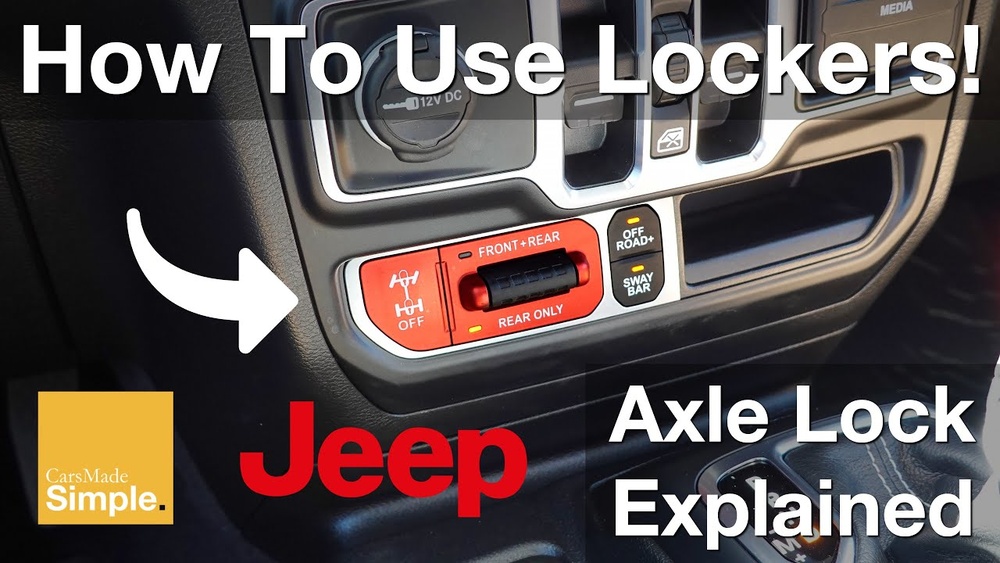
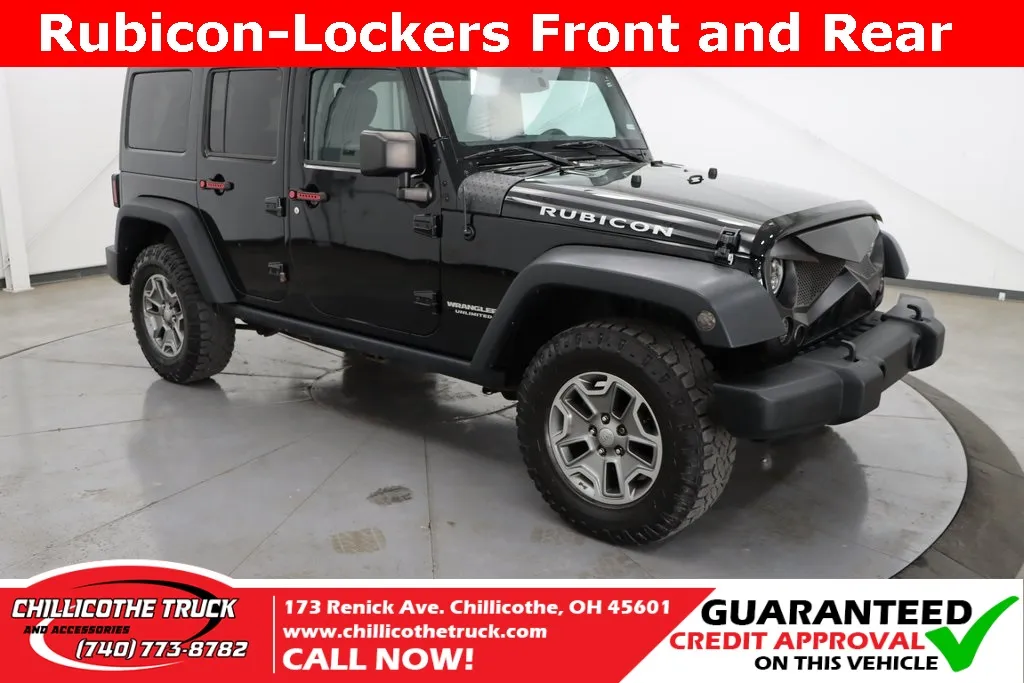
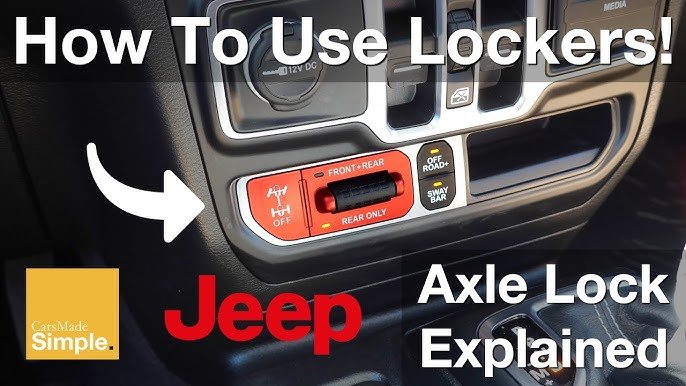
The Rubicon comes with front and rear electronic locking differentials. You can activate them with switches on the dashboard.
How Lockers Differ From Limited-slip Differentials
To clarify, a limited-slip differential helps balance power but still allows some slip. A locker, when engaged, forces both wheels to spin at the same rate—no slip allowed. This difference is why lockers are so valuable in tough terrain.
When To Use Your Jeep Rubicon Lockers
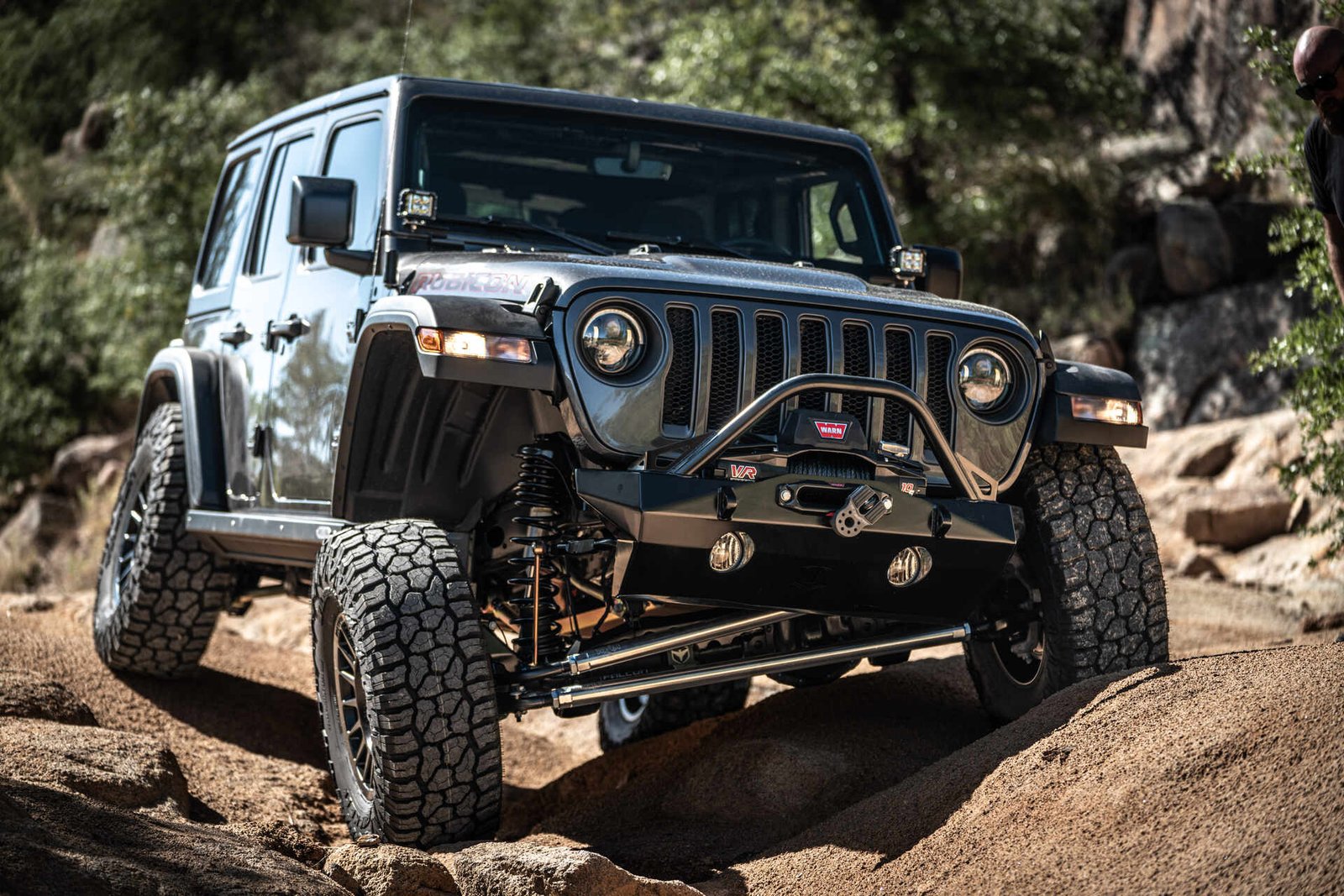
Lockers are not for everyday driving. They’re designed for low-traction situations where one or more wheels might lose grip. Here are common scenarios when you should use them:
- Rock crawling: When one wheel is off the ground or both are on uneven rocks.
- Deep mud or snow: To avoid one wheel spinning uselessly.
- Steep climbs: Where weight shifts and traction can be unpredictable.
- Cross-axle obstacles: Like ruts, logs, or deep holes.
Do not use lockers on dry pavement or at high speeds. This can strain your drivetrain and make steering difficult.
How To Engage And Disengage Jeep Rubicon Lockers
Using lockers is simple but must be done carefully. Here are the basic steps:
- Shift into 4-Low: Lockers only work in low-range four-wheel drive. Stop the vehicle, shift the transfer case lever into 4-Low.
- Stop or roll slowly: Engage lockers when stopped or moving under 5 mph.
- Press the locker button: The Rubicon has two switches—one for the rear, one for the front. Start with the rear locker. If you need more traction, engage the front.
- Look for indicator light: A light on the dashboard will confirm the locker is engaged.
- Disengage when not needed: Once you’re past the obstacle, turn off the lockers. Drive straight for a few feet to help them unlock.
Example: Climbing A Rocky Hill
You’re facing a steep, rocky hill. First, shift into 4-Low.
As you approach the roughest part, stop and engage the rear locker. If your front wheels start to slip, engage the front locker too.
Once you’re back on even ground, turn off both lockers.
Common Mistakes And How To Avoid Them
Many new Jeep Rubicon owners make similar errors. Here’s how to avoid them:
| Mistake | Why It’s a Problem | How to Avoid |
|---|---|---|
| Leaving lockers engaged on pavement | Can damage drivetrain; hard to steer | Disengage immediately after obstacles |
| Engaging lockers at high speed | Lockers are for low speed only | Engage under 5 mph, in 4-Low |
| Using both lockers unnecessarily | Reduces turning ability, stresses parts | Start with rear, add front only if needed |
A surprising insight: lockers can actually make turning harder, especially with the front locker engaged. Use them only when you need maximum traction in a straight line.
Tips For Best Results With Rubicon Lockers
- Practice in a safe place: Try your lockers in a controlled area before heading into the wild.
- Listen for sounds: Strange noises after using lockers might mean they didn’t fully disengage. Drive straight to help them unlock.
- Don’t rush: Stop or move very slowly when engaging/disengaging lockers.
- Read your manual: Each Rubicon model may have specific steps or indicators.
- Monitor dashboard lights: If the locker light flashes, it means the system is trying to engage or disengage—wait until it’s solid.
Comparing Rubicon Lockers To Other Traction Aids
Rubicon lockers are not the only way to improve traction. Here’s how they stack up against other systems:
| System | Strength | Weakness |
|---|---|---|
| Electronic Lockers | Full lock, best for extreme situations | Should not use on-road |
| Limited-Slip Differential | Works automatically, good for mild off-roading | Cannot handle severe loss of traction |
| Traction Control | No driver input needed, safe on-road | Not as effective as lockers off-road |
Rubicon lockers provide superior control in the toughest terrain. But in mild conditions, traction control or limited-slip differentials may be enough.
Locker Maintenance And Care
Lockers are tough, but they’re not indestructible. Simple maintenance will keep them reliable:
- Check fluids: Locker mechanisms are inside the axle. Use the correct gear oil and change it as recommended.
- Test regularly: Engage lockers during routine drives to ensure they’re working (do this in a straight line off-pavement).
- Listen for grinding or clicks: Unusual sounds could mean a problem—get it checked soon.
If you submerge your axles in water or mud, check your fluids as soon as possible.
Advancing Your Off-road Skills
Many Jeep Rubicon owners don’t realize that locker use is an art as well as a science. The best drivers combine locker use with smart tire placement, throttle control, and momentum. Practicing these skills on easier trails will help you build confidence for more challenging adventures.
For more technical details on differentials and off-road technology, check out the Wikipedia page on locking differentials.
Frequently Asked Questions
What Happens If I Use Lockers On Pavement?
Lockers can cause your tires to bind and make turning difficult. This strains the axles and could damage your drivetrain. Always disengage lockers before returning to pavement.
Can I Use The Front Locker Without The Rear?
On the Jeep Rubicon, you must engage the rear locker before you can activate the front locker. It’s not possible to use the front locker by itself.
Why Does My Locker Light Keep Flashing?
A flashing locker light means the system is trying to engage or disengage but hasn’t completed. Stop the vehicle, move a few feet in a straight line, and check again.
Are Lockers The Same As Four-wheel Drive?
No. Four-wheel drive splits power between the front and rear axles.
Lockers split power side-to-side on each axle. Both systems work together for maximum traction.
How Often Should I Use My Lockers?
Use them only when you need extra traction such as on rocks, in mud, or deep snow. Using lockers when not needed can wear out the system and make your Jeep harder to control.
Mastering your Jeep Rubicon lockers means more than just pushing a button. With practice and the right knowledge, you’ll drive with more control, safety, and fun—no matter how rough the trail gets.