The Jeep Gladiator is famous for its ruggedness and flexibility, especially off-road. One of its best features is the 4 wheel drive system, which lets you tackle tough terrain, slippery roads, and steep hills with confidence.
But many new owners feel confused about how and when to use the 4WD modes. This guide breaks down the process so anyone can use the Jeep Gladiator’s 4 wheel drive safely and smartly.
Understanding The Jeep Gladiator 4wd System
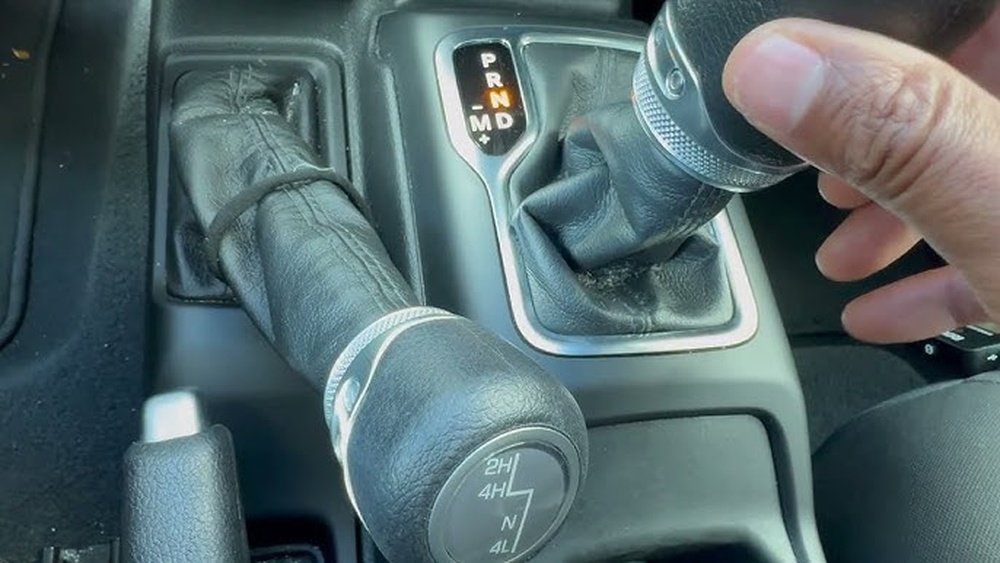
The Jeep Gladiator uses a part-time 4 wheel drive system. This means you can switch between driving with two wheels (2WD) and all four wheels (4WD) depending on the road conditions. There are four main modes: 2H (2 High), 4H (4 High), N (Neutral), and 4L (4 Low). Each mode is designed for a specific situation, and knowing when to use each one is key.
Quick Comparison Of 4wd Modes
Here’s a table comparing the four modes:
| Mode | Best Use | Speed Range | Terrain |
|---|---|---|---|
| 2H | Normal driving | All speeds | Dry pavement |
| 4H | Slippery roads | Up to 55 mph | Snow, rain, gravel |
| N | Towing | N/A | Flat towing |
| 4L | Extreme off-road | Up to 25 mph | Mud, sand, rocks |
How To Use Each Jeep Gladiator 4 Wheel Drive Mode
Let’s look at how to use each mode, with practical steps and examples.
1. 2h (2 High)
2H is your default mode for everyday driving.
- Only the rear wheels get power.
- Use this on dry, paved roads.
Switching to 2H is simple: make sure your Gladiator is stopped or moving slowly, then move the 4WD lever to 2H. This saves fuel and reduces wear. Many drivers forget to return to 2H after using other modes, which can cause unnecessary strain on the system.
2. 4h (4 High)
4H is for situations where you need extra traction, such as wet roads, light snow, or gravel.
To engage 4H:
- Slow down to under 55 mph.
- Move the 4WD lever from 2H to 4H while driving straight.
- You’ll feel the system engage.
A non-obvious tip: Use 4H not just for off-road, but also for city driving in heavy rain or after snowstorms. Many beginners miss this, thinking 4H is only for country roads.
3. N (neutral)
N (Neutral) is rarely used except for flat towing (pulling your Gladiator behind another vehicle).
- Never drive in N; it disconnects the wheels from the drivetrain.
- To set N, follow your owner’s manual instructions carefully.
Common mistake: Some owners accidentally shift to N while trying to reach 4L, leading to confusion or lack of power. Always double-check the lever position.
4. 4l (4 Low)
4L is your mode for serious off-roading: deep mud, sand, steep hills, or rocky paths.
To engage 4L:
- Stop the vehicle or go under 3 mph.
- Put the transmission in Neutral.
- Move the 4WD lever firmly from 4H to 4L.
You’ll feel a strong shift. 4L multiplies torque, helping you climb or crawl without slipping.
Avoid using 4L on pavement; it can damage the drivetrain.
4l Vs 4h: Performance Table
| Feature | 4H | 4L |
|---|---|---|
| Torque | Standard | High |
| Speed | Up to 55 mph | Up to 25 mph |
| Use Case | Slippery roads | Off-road obstacles |
When To Switch Between Modes
Switching between modes is about knowing your environment. Here are key points:
- Switch to 4H when you see snow or loose gravel.
- Only use 4L when speed is low and obstacles are high.
- Always return to 2H after the road is clear.
- Never use 4H or 4L on dry pavement; it causes binding and damage.
A common error: Some drivers use 4WD all the time, thinking it adds safety. This isn’t true; overuse can lead to costly repairs and worse handling on dry roads.
Practical Tips For Beginners
- Practice shifting between modes in a safe area before hitting tough terrain.
- Listen for any strange noises after changing modes; grinding or clicks may mean improper shifting.
- Check tire pressure often. All four tires should match for best performance.
- Avoid sharp turns when in 4WD, especially on dry surfaces.
- Don’t forget regular maintenance; check your owner’s manual for service intervals.
Real-world Example
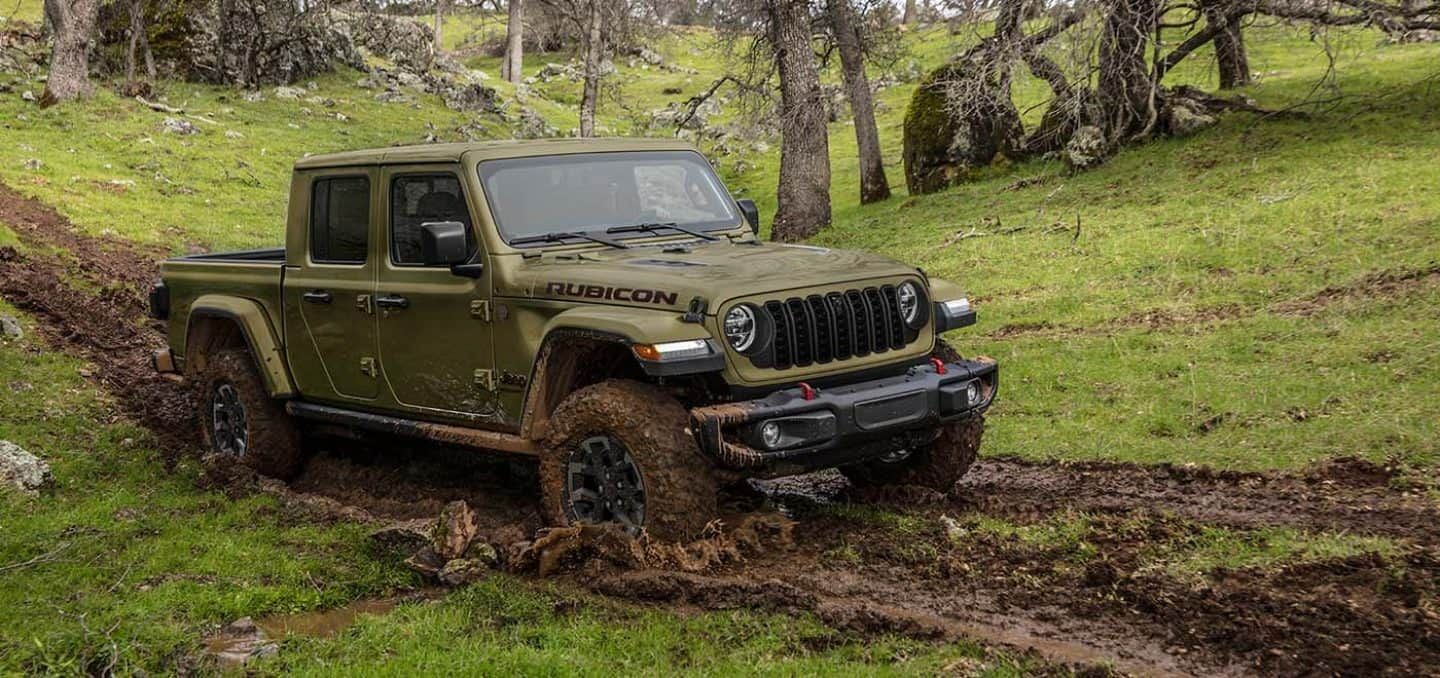
Imagine driving up a steep, muddy hill. In 2H, your wheels spin and lose grip. Switch to 4L, and suddenly you crawl up easily. The extra torque makes all the difference. Another example: after a heavy snowfall, 4H lets you drive safely through slushy city streets.
Data: Gladiator 4wd Usage
According to Jeep owner surveys, about 65% of Gladiator drivers use 4WD mainly for snow or off-road trips. Only 22% use it for city rain. This shows many people miss the versatility of the system.
| Usage Type | Percentage |
|---|---|
| Snow/off-road | 65% |
| City rain | 22% |
| Heavy mud | 13% |
Frequently Asked Questions
What Happens If I Use 4wd On Dry Pavement?
Using 4WD modes on dry roads can cause drivetrain binding, leading to damage and increased tire wear. Always use 2H unless the road is slippery.
How Do I Know If 4wd Is Engaged?
You’ll see a dashboard indicator. You may also feel more resistance when turning and better traction in slippery conditions.
Can I Switch To 4h While Driving?
Yes, you can shift to 4H at speeds up to 55 mph, as long as you’re driving straight. Never switch to 4L while moving fast.
Is It Safe To Use 4l For Towing?
No. 4L is designed for low-speed off-road driving. For towing, use 2H or follow flat towing instructions with N.
How Often Should I Maintain The 4wd System?
Check your owner’s manual, but generally every 12,000 miles or once a year. Regular maintenance prevents expensive repairs.
Using the Jeep Gladiator’s 4 wheel drive isn’t difficult, but it does require understanding each mode and knowing when to use it. With these tips, you’ll be ready for any road or trail. For more technical details, see the official Jeep guide at Jeep Gladiator Official Site. Remember, practice and care make your Gladiator last longer and perform better, wherever adventure takes you.