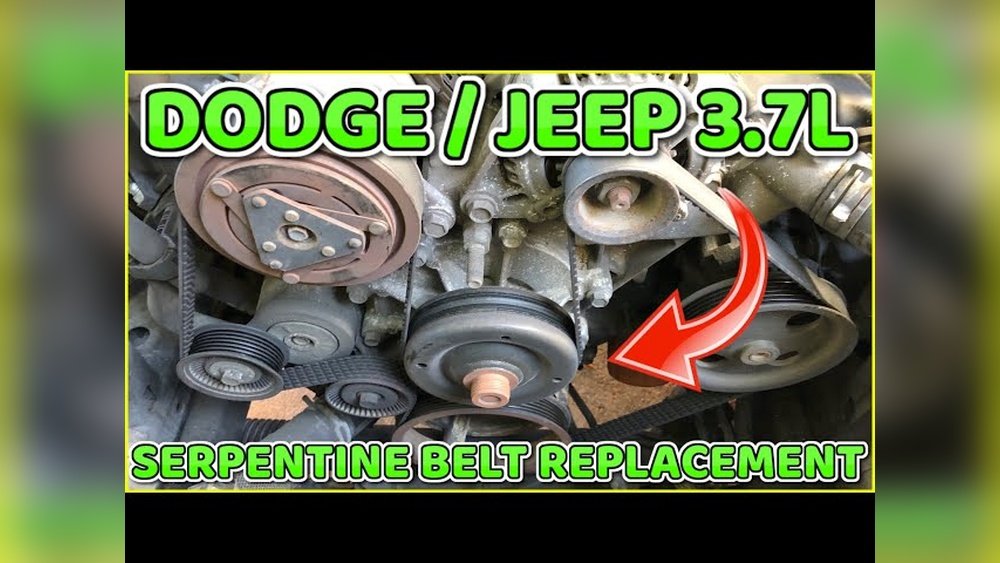
The 2010 Jeep Liberty is a capable SUV, but like any vehicle, its engine needs proper maintenance. A critical part of this is the serpentine belt, also known as the drive belt.
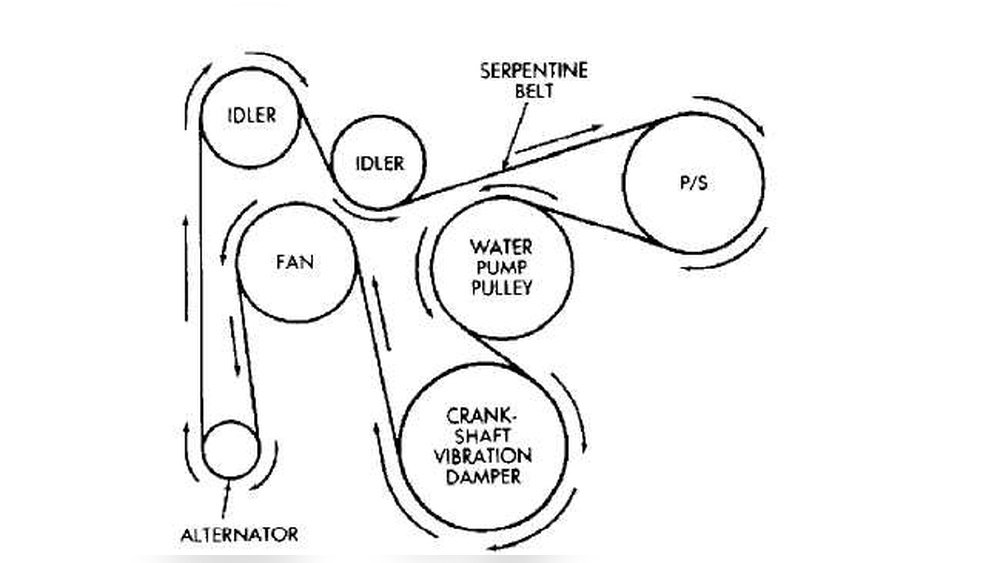
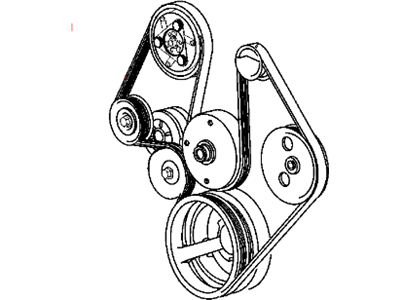
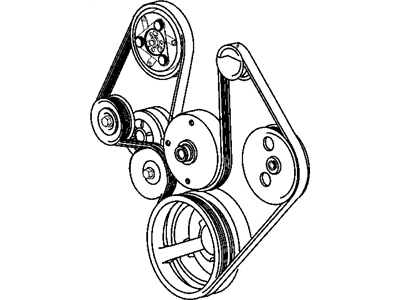
This single belt powers many essential components, including the alternator, power steering pump, water pump, and air conditioning compressor. Understanding the 2010 Jeep Liberty belt diagram is key to knowing how this belt is routed and how it functions.
This guide will walk you through the serpentine belt system, its importance, and what you need to know for your 2010 Liberty.
Understanding The Serpentine Belt System
The serpentine belt is a modern marvel of automotive engineering. Before its widespread adoption, vehicles used multiple individual belts to drive various accessories.
The serpentine belt replaced this complex system with a single, continuous rubber belt that snakes its way around several pulleys.
This design is not only more efficient but also more compact and easier to manage.
How The Serpentine Belt Works
The serpentine belt is driven by the crankshaft pulley, which is directly connected to the engine’s crankshaft. As the engine runs, the crankshaft rotates, turning the crankshaft pulley. This rotation is transferred to the serpentine belt, which then moves around the other pulleys. Each pulley is attached to a specific accessory:
- Alternator Pulley: Powers the alternator, which generates electricity to charge the battery and run the vehicle’s electrical systems.
- Power Steering Pump Pulley: Drives the power steering pump, making it easier to turn the steering wheel.
- Water Pump Pulley: Operates the water pump, circulating coolant through the engine to prevent overheating.
- Air Conditioning (A/C) Compressor Pulley: Engages the A/C compressor, which cools the cabin air.
- Tensioner Pulley: This is a crucial part of the system. It’s an automatic tensioner that maintains the correct tension on the serpentine belt. A loose belt can slip, leading to a loss of power to accessories, while an overly tight belt can cause premature wear on bearings and the belt itself.
Why The Serpentine Belt Is Important
The serpentine belt is a critical component for your 2010 Jeep Liberty’s operation. If it breaks or slips, several vital systems will stop working immediately. For example, without the alternator, your battery will quickly drain, and the engine will eventually stall. If the water pump stops circulating coolant, the engine will overheat, potentially causing severe damage. Loss of power steering will make steering extremely difficult, especially at low speeds.
The 2010 Jeep Liberty Belt Diagram Explained
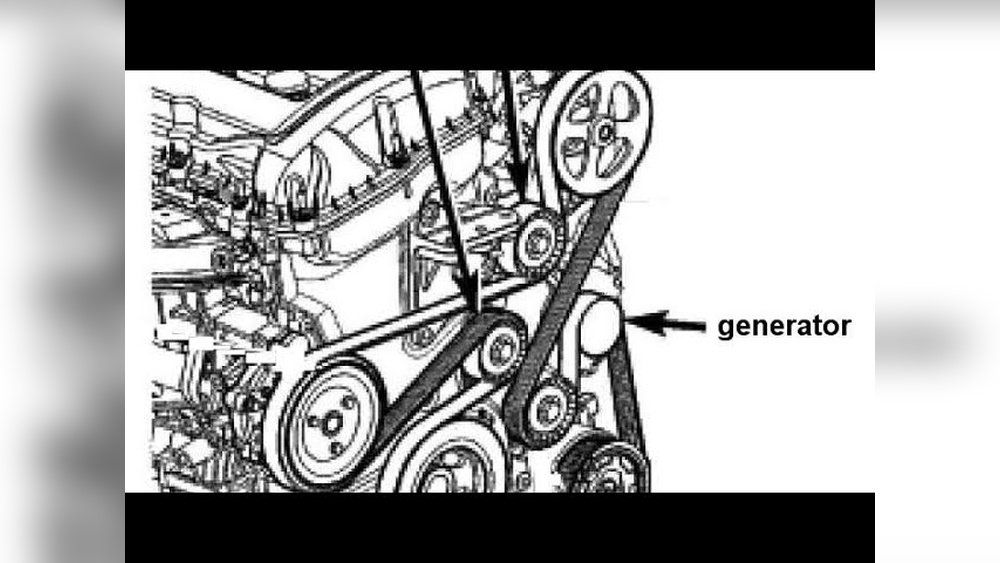
Locating an exact, universally accepted 2010 Jeep Liberty belt diagram can sometimes be challenging as manufacturers may use slightly different illustrations in their service manuals. However, the general routing for models of this era is quite consistent. The diagram essentially shows the path the belt takes around each pulley.
Common Pulley Locations On The 2010 Jeep Liberty
While the precise layout can vary slightly between engine options (though the 3.7L V6 is most common for the 2010 Liberty), you’ll typically find these pulleys in the following general areas:
- Crankshaft Pulley: Located at the front of the engine, usually at the bottom. This is the primary driver.
- Alternator Pulley: Typically found towards the top and front of the engine.
- Power Steering Pump Pulley: Often located on the side or front of the engine, driven by a dedicated belt or the serpentine belt.
- Water Pump Pulley: Usually integrated with the water pump housing, often near the front of the engine block.
- A/C Compressor Pulley: Located towards the front of the engine, often lower down.
- Idler Pulley(s): Some systems include one or more idler pulleys. These are smooth pulleys that help guide the belt and maintain tension.
- Tensioner Pulley: This is part of the automatic tensioner assembly, which is mounted to the engine. It applies constant pressure to the belt.
Reading A Belt Diagram
A belt diagram is a visual representation. It shows the shape of the belt (usually a V-shaped or ribbed belt) and the path it follows around each pulley. Arrows on the diagram indicate the direction of rotation. Pay close attention to the ribbed side of the belt and how it engages with the ribbed pulleys, and the smooth side of the belt running against smooth pulleys. This is crucial for correct installation.
Where To Find A Belt Diagram
The most reliable place to find an accurate 2010 Jeep Liberty serpentine belt diagram is in the vehicle’s official service manual. These manuals are detailed guides used by professional mechanics. You can often purchase these manuals online, or sometimes find digital versions. Many auto parts stores also provide belt routing diagrams for specific vehicles, often available on their websites or in-store.
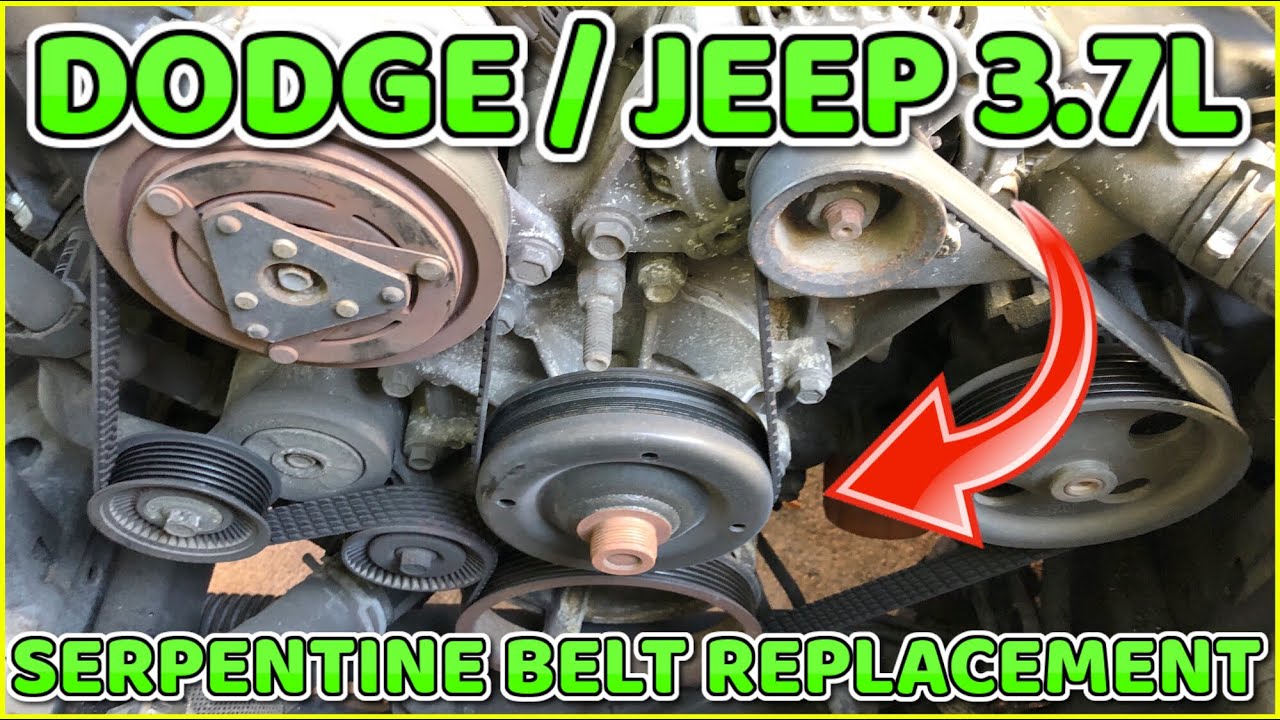
Serpentine Belt Maintenance And Replacement
Like all rubber components, the serpentine belt degrades over time due to heat, tension, and constant flexing. Regular inspection and timely replacement are essential to prevent unexpected breakdowns.
Signs Of A Worn Serpentine Belt
You can often tell if your serpentine belt is nearing the end of its life by looking and listening for specific signs:
- Cracking or Fraying: Inspect the belt for visible cracks, especially on the ribbed side. Fraying edges are also a bad sign.
- Glazed Appearance: A smooth, shiny, or glazed appearance on the belt ribs indicates it’s slipping or has been running too hot.
- Squealing Noises: A high-pitched squealing sound, especially on startup or when turning the steering wheel, often means the belt is loose or worn and slipping.
- Missing Ribs: If pieces of the belt’s ribs are missing, it’s a clear sign of imminent failure.
- Accessory Malfunction: If an accessory stops working (e.g., no power steering, battery warning light), the belt might have broken or slipped off.
When To Replace The Serpentine Belt
There isn’t a strict mileage interval that applies to all vehicles, as driving conditions can significantly impact belt life. However, a common recommendation is to inspect the serpentine belt every 15,000 to 30,000 miles and replace it every 60,000 to 100,000 miles, or sooner if signs of wear are present. It’s always best to consult your owner’s manual for specific recommendations for your 2010 Jeep Liberty.
Replacing The Serpentine Belt: A Step-by-step Overview
Replacing a serpentine belt is a job many DIYers can tackle, but it requires care and the correct tools.
Tools You’ll Likely Need:
- New Serpentine Belt: Ensure it’s the correct part number for your 2010 Jeep Liberty.
- Serpentine Belt Tool Kit: This usually includes a long breaker bar and various socket attachments designed to work with the tensioner pulley.
- Socket Wrench Set: For removing any covers or components if necessary.
- Gloves and Safety Glasses: For protection.
- Flashlight: To see clearly in the engine bay.
General Replacement Steps:
- Locate the Belt and Tensioner: Find the serpentine belt and identify the automatic tensioner pulley.
- Release Belt Tension: Attach the appropriate socket to the tensioner pulley bolt or the designated leverage point on the tensioner assembly. Use the breaker bar to rotate the tensioner, which will release the tension on the belt.
- Remove the Old Belt: While holding tension off the belt, carefully slip the old belt off one of the pulleys. Once it’s free from at least one pulley, you can release the tensioner and remove the belt completely.
- Route the New Belt: Refer to your 2010 Jeep Liberty belt diagram. Carefully route the new belt around all the pulleys except for one. It’s usually easiest to leave the belt off the tensioner pulley or an easily accessible smooth pulley for the final step. Ensure the ribbed side of the belt engages with ribbed pulleys and the smooth side with smooth pulleys.
- Apply Tension and Finalize: Once the belt is correctly routed, use the breaker bar to rotate the tensioner again, releasing tension. Slip the belt onto the final pulley.
- Release Tensioner and Check: Slowly release the tensioner. The belt should now be snug. Double-check that the belt is seated correctly on all pulleys and that the ribs align properly.
- Start the Engine: Start the engine briefly and listen for any unusual noises. Check that all accessories are functioning correctly. Turn off the engine and re-inspect the belt routing.
Pro Tip: Before removing the old belt, take a photo of its routing with your phone. This provides a quick visual reference if you get confused during installation.
Common Issues And Troubleshooting
Even with proper maintenance, issues can arise with the serpentine belt system. Understanding common problems can help you diagnose and fix them quickly.
Slipping Belt Noises
A squealing or chirping noise is the most common symptom of a slipping belt. This can be caused by:
- Worn Belt: The rubber loses its grip.
- Loose Tensioner: The automatic tensioner may be weak and not applying enough pressure.
- Contamination: Oil, coolant, or power steering fluid leaking onto the belt can reduce friction.
- Misalignment: A pulley that isn’t perfectly aligned can cause the belt to run at an angle and slip.
Belt Jumping Off Pulleys
If the belt comes off its pulleys, it’s a serious issue. Potential causes include:
- Worn Tensioner: A failing tensioner might not keep adequate pressure.
- Pulley Bearing Failure: If a pulley bearing seizes or becomes very stiff, it can cause the belt to be forced off.
- Damaged Pulleys: Bent or damaged pulleys can disrupt the belt’s path.
- Incorrect Installation: If the belt isn’t routed correctly or is installed backward, it can come off.
Tensioner Failure
The automatic tensioner is a spring-loaded or hydraulic device. Over time, the spring can weaken, or the hydraulic dampener can fail.
Symptoms include a loose-looking belt, excessive belt flapping, or the noise associated with a slipping belt. If the tensioner fails completely, the belt will likely come off.
Understanding Serpentine Belt Material And Design
Serpentine belts are typically made from EPDM (ethylene propylene diene monomer) rubber, known for its resistance to heat, oil, and ozone. The design features multiple ribs on the underside that mate with corresponding grooves on the pulleys.
This ribbed design increases the surface area for grip and allows the belt to flex effectively around the pulleys.
Ribbed Vs. Grooved Pulleys
- Ribbed Pulleys: These have grooves that match the ribs on the belt. They provide the primary driving surface.
- Smooth Pulleys: These are typically used for idler pulleys or sometimes the tensioner pulley. The smooth side of the belt runs against these.
Belt Wear Patterns
Observing the wear pattern on a belt can tell you a lot.
- Even Rib Wear: This is normal and indicates the belt is functioning correctly.
- Edge Wear: If the edges of the belt ribs are worn down, it might suggest misalignment or improper tension.
- Rib Disintegration: If ribs are cracking or breaking off, the belt is severely degraded.
The Role Of The Automatic Tensioner
The automatic tensioner is a vital component that ensures the serpentine belt remains at the optimal tension throughout its life. It compensates for belt stretch and wear.
How Automatic Tensioners Work
These tensioners typically use a spring mechanism or a hydraulic damper to apply constant pressure to the belt. The tensioner assembly pivots, pushing against the belt.
As the belt stretches over time, the tensioner's spring or hydraulic system automatically adjusts to maintain the correct tension.
Inspecting The Tensioner
When inspecting the belt, also check the tensioner assembly. Look for:
- Fluid Leaks: If it’s a hydraulic tensioner, look for any signs of oil leakage.
- Cracked Housing: The plastic or metal housing can crack over time.
- Excessive Movement: With the engine off, try to gently rock the tensioner arm. There should be some resistance, but excessive play can indicate a problem.
- Tensioner Pulley Condition: Ensure the pulley on the tensioner spins freely and quietly.
When To Consider Professional Help
While replacing a serpentine belt is often a DIY-friendly task, there are situations where seeking professional assistance is advisable.
Complex Engine Bays
Some vehicles have very tight engine compartments, making it difficult to access the belt and tensioner. If you struggle to get to the components, it might be safer to let a mechanic handle it.
Suspected Pulley Or Tensioner Issues
If you hear noises or observe belt problems, and you’re unsure whether the issue is the belt itself, the tensioner, or a failing pulley bearing, a mechanic can perform a more thorough diagnosis. Replacing a seized pulley or a faulty tensioner requires specific knowledge and tools.
Lack Of Proper Tools
If you don’t have a serpentine belt tool kit or the necessary wrenches, attempting the job without them can be frustrating and potentially damage components.
Serpentine Belt Replacement Example: 2010 Jeep Liberty 3.7l V6
For the common 2010 Jeep Liberty 3.7L V6 engine, the serpentine belt typically drives the following:
- Alternator
- Power Steering Pump
- Water Pump
- A/C Compressor
The belt routing will snake around these accessories, the crankshaft pulley, and the tensioner. The automatic tensioner is usually located on the passenger side of the engine, near the front.
Example Belt Routing (General Description – Always verify with a diagram):
Starting from the crankshaft pulley (bottom front), the belt typically goes up to the power steering pump, then across to the alternator, down to the A/C compressor, then up to the water pump, and finally wraps around the tensioner pulley before returning to the crankshaft.
Key Insight: Many mechanics recommend replacing the automatic tensioner and any idler pulleys at the same time as the serpentine belt, especially if the vehicle has high mileage. These components often have a similar lifespan, and replacing them proactively can save you from a future breakdown and the cost of labor for a second repair.
Comparing Belt Replacement Costs
The cost of replacing a serpentine belt can vary.
DIY Replacement:
- Cost of Belt: $20 – $50 (depending on brand and quality)
- Tools: If you need to buy a serpentine belt tool