If you own a 4×4 Jeep Wrangler, you already know it’s built to handle tough trails and tricky road conditions. But are you confident in how to use its four-wheel drive system to get the most out of your ride?
Understanding when and how to switch between two-wheel and four-wheel drive modes can make all the difference in your driving experience whether you're cruising through city streets or tackling muddy, snowy, or rocky terrain.
In this guide, you’ll learn simple steps to operate your Jeep Wrangler’s 4×4 system safely and effectively.
Ready to take control of your Jeep and conquer any road? Keep reading, because mastering your 4×4 is easier than you think.
Jeep Wrangler 4×4 Basics
The Jeep Wrangler’s 4×4 system helps you drive on tough roads. It gives power to all four wheels. This improves traction and control. Understanding how it works keeps you safe. It also protects your vehicle.
The system uses different modes for different conditions. Each mode matches a specific type of terrain. Knowing these modes lets you choose the right one. This makes driving easier and more efficient.
4×4 Modes Explained
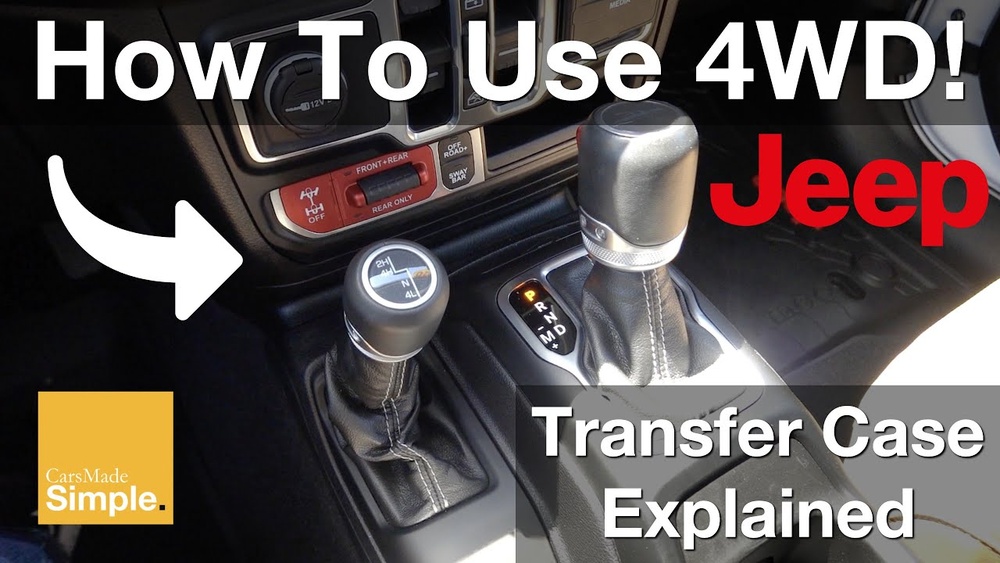
The Wrangler has several 4×4 modes. Two-wheel drive (2H) sends power to the rear wheels only. Four-wheel drive high (4H) powers all wheels for slippery roads. Four-wheel drive low (4L) gives maximum power at slow speeds. It helps on steep hills and deep mud.
Neutral (N) mode disconnects the wheels from the engine. This mode is only for flat-towing the Jeep behind another vehicle. Using the right mode saves fuel and protects the drivetrain.
When To Use Each Mode
Use 2H for normal dry pavement. It gives the best fuel economy. Switch to 4H on wet, snowy, or icy roads. This mode helps keep your Jeep stable. Use 4L on rough trails or steep climbs. It delivers extra torque for tough spots. Keep Neutral only when towing your Jeep. Avoid driving in Neutral to prevent damage.
Transfer Case Lever Functions
The transfer case lever controls the 4×4 modes. It sits near the gear shifter. Move it to 2H for regular driving. Pull it back one notch for 4H. Pull it back further for 4L. To shift modes, slow down or stop your vehicle. Some shifts need the transmission in Neutral. Always check your owner’s manual for safe shifting steps.
The lever’s positions let you select the best drive mode. This simple control improves your Jeep’s off-road ability. Practice using the lever in a safe place to build confidence.
Shifting Into Four-wheel Drive
Shifting into four-wheel drive in a Jeep Wrangler enhances traction and control. It allows you to tackle rough terrains and slippery conditions with confidence. Understanding how to switch between modes is important for safe and effective driving. Follow these steps to operate your 4×4 system correctly.
Switching From 2h To 4h
Start by driving straight at a low to moderate speed, ideally below 55 mph. Keep your foot off the gas pedal and avoid braking. Shift the transfer case lever from 2H (two-wheel drive, high range) to 4H (four-wheel drive, high range) smoothly. You can do this while moving, as the system is designed for on-the-fly shifting. Four-wheel drive engages all tires for better traction on snow, mud, or gravel.
Engaging 4l Safely
4L (four-wheel drive, low range) provides maximum torque for tough off-road situations. To engage 4L, bring the vehicle to a complete stop. Shift the main transmission into neutral. Then, move the transfer case lever from 2H or 4H to 4L. Avoid accelerating or braking during this process. Use 4L when climbing steep hills or navigating deep sand and rocks. It limits speed but boosts power for difficult terrain.
Using Neutral For Flat Towing
Neutral on the transfer case disconnects the transmission from the axles. Use this mode only when flat towing your Jeep behind another vehicle. Shift the transmission into neutral first. Then, move the transfer case lever to N (neutral). This prevents damage to the drivetrain while towing. Never drive the Jeep in neutral on its own, as it will not engage the wheels or brakes.
Off-road Driving Techniques
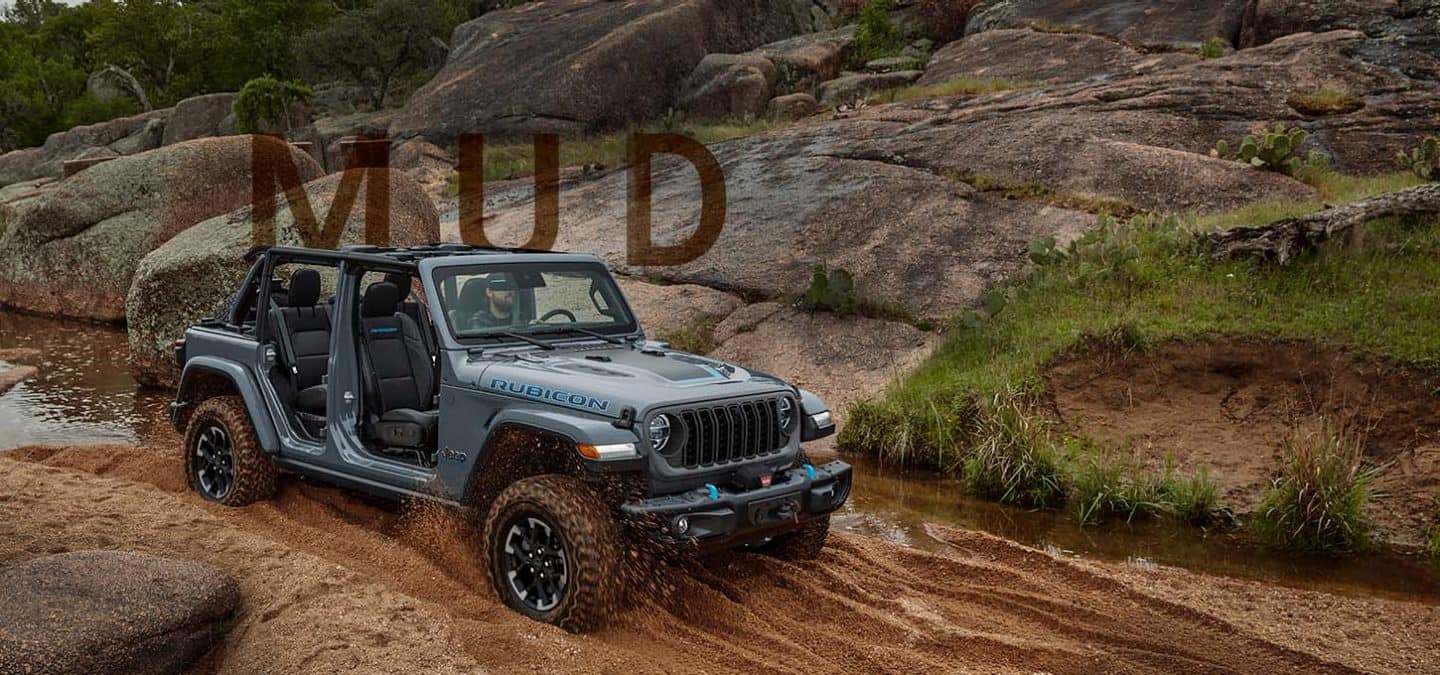
Off-road driving with a 4×4 Jeep Wrangler offers freedom and adventure. Understanding key techniques helps you stay safe and enjoy the ride. The Jeep’s four-wheel drive system boosts control on tough surfaces. Practice these methods to handle different off-road conditions confidently.
Maintaining Traction
Traction is vital for off-road driving. Keep your tires gripping the surface to avoid slipping. Use low gear and steady speed to maintain traction. Avoid sudden acceleration or braking that can cause wheels to spin. Choose tires with deep treads for better grip on mud or rocks. Engage 4×4 mode to send power to all wheels. This improves traction on slippery or uneven ground.
Rough terrain challenges your driving skills and your Jeep’s capability. Drive slowly over rocks, roots, and uneven ground. Look ahead to plan your path and avoid obstacles. Use the Jeep’s high ground clearance to pass over larger rocks. Keep both hands on the wheel for better control. Use low range four-wheel drive for better torque. This helps the Jeep move smoothly without straining the engine.
Hill Climbing And Descending
Hills require careful driving to prevent slipping or rolling. Approach hills straight on, not at an angle. Use low gear to climb slowly and steadily. Avoid stopping mid-hill, as starting again can be hard. For descending, use engine braking by shifting to low gear. Keep your foot off the brake to avoid skidding. Control your speed with gentle brake pressure if needed. The Jeep’s 4×4 system helps maintain balance on steep slopes.
Jeep Wrangler Features For Off-road
The Jeep Wrangler stands out with features designed for tough off-road adventures. It offers tools that help drivers maintain control on rough terrain. These features improve safety and traction on dirt, mud, rocks, and sand. Understanding these systems helps you get the most from your Jeep.
Traction Control Systems
Traction control helps keep your tires from slipping on loose surfaces. It senses when a wheel loses grip and reduces power to it. This action sends power to the wheels with better traction. The system works well on slippery trails and steep hills. It helps you stay on track and prevents getting stuck.
Locking Differentials
Locking differentials allow both wheels on an axle to turn at the same speed. This feature is useful when one wheel is off the ground or on a slippery spot. It improves grip by sending power to the wheel with the most traction. Lockers make it easier to climb over rocks or cross uneven ground. You can switch them on and off depending on the terrain.
Tire Pressure Management
Adjusting tire pressure is key for off-road driving. Lower tire pressure increases the tire’s footprint, improving grip on soft surfaces. Many Jeep Wranglers include a tire pressure monitoring system. This system alerts you if tire pressure is too low or too high. Proper tire pressure helps avoid punctures and improves ride comfort on rough trails.
Maintenance Tips For Off-roading
Maintaining your 4X4 Jeep Wrangler after off-roading ensures it stays reliable. Dirt, rocks, and rough terrain can cause wear. Regular care helps prevent costly repairs and keeps your Jeep ready for the next adventure. Focus on key areas to maintain performance and safety.
Inspecting Suspension And Tires
Check your suspension for damage after every trip. Look for bent or broken parts. Ensure shocks and springs work properly. Examine tires for cuts, punctures, or uneven wear. Keep tires inflated to the recommended pressure. Proper tires and suspension improve handling and safety on rough trails.
Protecting The Undercarriage
Off-road trails often damage the undercarriage. Mud, rocks, and debris can cause scratches or dents. Wash the undercarriage thoroughly to remove mud and salt. Use skid plates to shield vital parts like the oil pan and fuel tank. Inspect for cracks or loose bolts after every ride.
Regular Fluid Checks
Check engine oil, brake fluid, and coolant regularly. Off-roading stresses the engine and brakes more than normal driving. Look for leaks or dirty fluids. Change oil and filters according to the schedule. Keep transfer case and differential fluids at proper levels. Clean fluids help your Jeep perform well off-road.
Safety Tips For Off-road Adventures
Off-road adventures with your 4×4 Jeep Wrangler offer excitement and challenge. Safety is key to enjoy every moment. Follow simple safety tips to protect yourself and your vehicle. Proper planning and the right gear reduce risks on rough trails.
Planning Your Route
Know your trail before you start. Study maps and check trail difficulty. Choose paths that match your driving skills and vehicle capabilities. Inform someone about your route and expected return time. Avoid unfamiliar areas without guidance or a GPS device.
Essential Recovery Gear
Carry gear to handle unexpected situations. A tow strap, shovel, and traction mats help if stuck. Bring a jack and a tire repair kit. Pack extra water, food, and warm clothes. A first aid kit is vital for minor injuries. Check and maintain your gear regularly.
Driving With A Spotter
Use a spotter to guide you over tough spots. A spotter watches obstacles you cannot see from the driver’s seat. Communicate clearly with hand signals or a radio. Trust their directions and drive slowly. This teamwork prevents damage and keeps everyone safe.
Customizing Your Jeep Wrangler
Customizing your Jeep Wrangler makes every drive unique. It lets you tailor your 4×4 to fit your needs. Whether for city streets or rugged trails, upgrades improve performance and style.
Simple changes can boost comfort and control. More advanced mods help tackle tough terrain. Focus on three key areas for best results.
Upgrading Suspension
Upgrading your suspension improves ride quality and off-road ability. Stronger shocks absorb bumps better. A lift kit raises ground clearance for rough trails.
This upgrade helps prevent damage from rocks and debris. It also allows bigger tires to fit under the fenders. Choose parts designed for your Jeep model.
Adding Off-road Accessories
Off-road accessories increase your Jeep’s capability and safety. Install skid plates to protect the undercarriage. Rock sliders shield the sides from damage.
Winches help recover your vehicle when stuck. Light bars improve visibility in dark conditions. Add grab handles for easier entry and exit.
Choosing The Right Tires
The right tires boost traction and handling on different surfaces. Mud-terrain tires work well in dirt and mud. All-terrain tires offer a balance for road and trail use.
Consider tire size and tread pattern for your driving needs. Larger tires improve clearance but can affect fuel economy. Check compatibility with your suspension and gearing.
<!– wp:rank-math/faq-block {"questions":[{"id":"faq-question-7f65ede4a93e","title":"How To Engage 4×4 On A Jeep Wrangler?","content":"
To engage 4×4 on a Jeep Wrangler, shift to Neutral, then pull the transfer case lever back to Four High or Four Low. Return to Drive to move.
“,”visible”:true},{“id”:”faq-question-fbb4b3e611ee”,”title”:”How Do I Use My Four-wheel Drive In My Jeep?”,”content”:”Shift your Jeep into Neutral, then move the four-wheel drive lever from 2H to 4H or 4L. Return to Drive to engage. Use 4L for low-speed traction and 4H for normal off-road conditions.
“,”visible”:true},{“id”:”faq-question-8a795d0ed30a”,”title”:”When Should I Use 4h Or 4l?”,”content”:”Use 4H for driving on slippery roads at normal speeds. Shift to 4L for steep, rough terrain needing maximum power and traction.
“,”visible”:true},{“id”:”faq-question-65c951cb0c58″,”title”:”How Does A Jeep Wrangler 4×4 Work?”,”content”:”A Jeep Wrangler 4×4 uses a transfer case lever to engage four-wheel drive. It powers all tires for improved traction on rough terrain. Drivers shift from two-wheel to four-wheel drive by moving the lever, enhancing control in off-road or slippery conditions.
“,”visible”:true}]} –>How To Engage 4×4 On A Jeep Wrangler?
To engage 4×4 on a Jeep Wrangler, shift to Neutral, then pull the transfer case lever back to Four High or Four Low. Return to Drive to move.
How Do I Use My Four-wheel Drive In My Jeep?
Shift your Jeep into Neutral, then move the four-wheel drive lever from 2H to 4H or 4L. Return to Drive to engage. Use 4L for low-speed traction and 4H for normal off-road conditions.
When Should I Use 4h Or 4l?
Use 4H for driving on slippery roads at normal speeds. Shift to 4L for steep, rough terrain needing maximum power and traction.
How Does A Jeep Wrangler 4×4 Work?
A Jeep Wrangler 4×4 uses a transfer case lever to engage four-wheel drive. It powers all tires for improved traction on rough terrain. Drivers shift from two-wheel to four-wheel drive by moving the lever, enhancing control in off-road or slippery conditions.
Conclusion
Using your 4×4 Jeep Wrangler is simple and practical. Shift the lever carefully to change modes.
Drive smoothly and avoid sudden moves. Four-wheel drive helps on rough or slippery roads.
Remember to switch back to two-wheel drive on normal streets.
This keeps your Jeep efficient and safe. Practice these steps to feel confident behind the wheel.
Enjoy your Jeep's power and control on every adventure.