Driving a Jeep Wrangler is an adventure, but knowing how to use its 4WD system is key for both fun and safety. Many new Wrangler owners feel unsure about when and how to shift into four-wheel drive, especially if they're new to off-roading or winter driving.
This guide explains how to use 4WD on a Jeep Wrangler in simple steps, with clear examples, tips, and answers to common questions. By the end, you’ll feel confident using your Jeep’s 4WD, whether you’re tackling snow, sand, or rocky trails.
Understanding Jeep Wrangler 4wd Systems
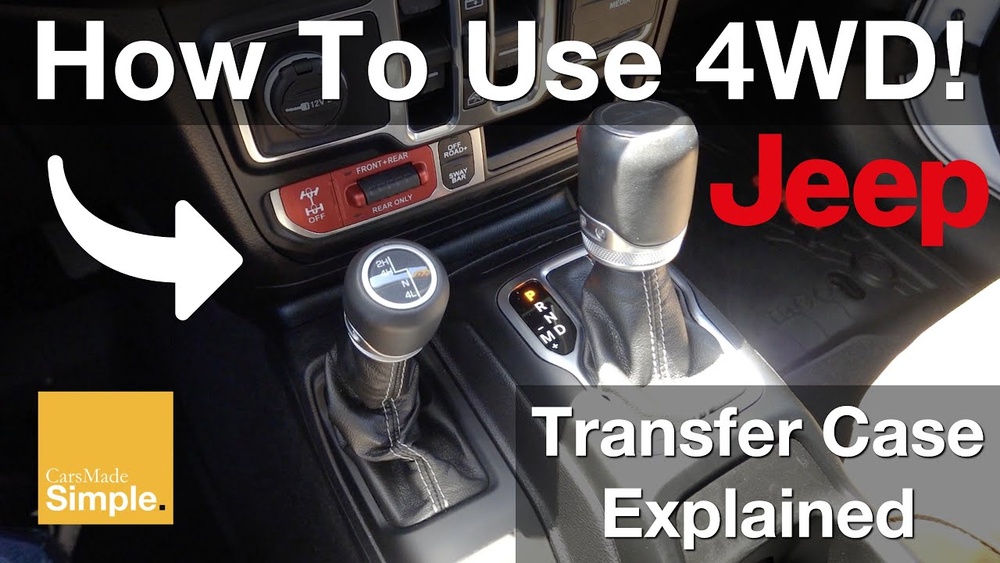
Most Jeep Wranglers offer two main 4WD systems: Command-Trac and Rock-Trac. Both are part-time systems, but they have key differences.
Command-trac
- Found in most Sport and Sahara models.
- Great for daily driving with occasional off-roading.
- Uses a part-time 4WD setup.
Rock-trac
- Standard in Rubicon and some special editions.
- Designed for serious off-roading.
- Includes 4: 1 low-range gear for better crawling over rocks.
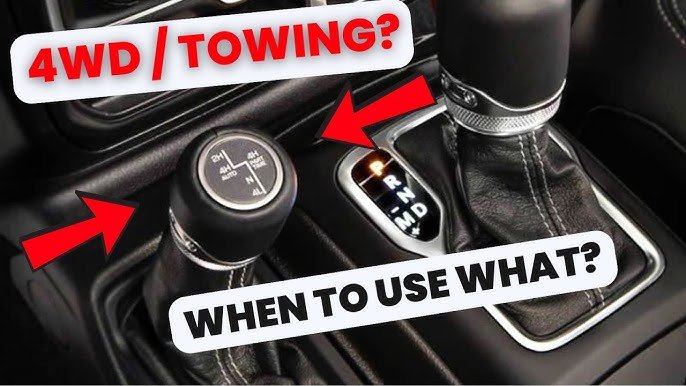
Both systems let you switch between 2H (2-wheel drive high), 4H (4-wheel drive high), and 4L (4-wheel drive low). Some Wranglers offer 4WD Auto, which lets the vehicle decide when to engage 4WD.
Jeep Wrangler 4wd Modes Explained
Knowing what each 4WD mode does helps you pick the right setting for the road or trail.
| Mode | Use Case | Speed Range |
|---|---|---|
| 2H | Normal driving (dry pavement) | Any speed |
| 4H | Snow, sand, mud, light off-road | Up to 55 mph (safe limit) |
| 4L | Steep hills, deep mud, rock crawling | Under 25 mph |
| 4WD Auto | Mixed surfaces, changing conditions | Any speed |
2H is for regular roads. 4H is for slippery or loose surfaces. 4L is for tough terrain where you need extra torque. 4WD Auto is only on newer models with Selec-Trac.
When Should You Use 4wd On A Jeep Wrangler?
Using 4WD at the right time protects your Jeep and keeps you safe.
Use 4H when:
- Roads are covered with snow or ice
- Driving on sand or loose gravel
- Light off-road trails
Use 4L when:
- Climbing or descending steep hills
- Driving through deep mud or snow
- Rock crawling or technical off-roading
Never use 4H or 4L on dry pavement. This can damage your transfer case due to “drivetrain binding.”
How To Shift Between 2h, 4h, And 4l
Switching modes is simple, but you must do it correctly.
Shifting From 2h To 4h
- Slow down to under 55 mph.
- While driving straight, pull the 4WD lever from 2H to 4H.
- The indicator light should confirm engagement.
- You can shift on the fly (no need to stop).
Shifting From 4h To 4l
- Stop the vehicle completely.
- Shift the transmission to Neutral (N).
- Firmly pull the 4WD lever from 4H to 4L.
- Wait for the 4L indicator light.
- Shift back to Drive or 1st gear and move slowly.
Going Back To 2h
- For 4H to 2H, you can shift while moving.
- For 4L to 2H, stop, shift to Neutral, and move the lever back to 2H.
Tip: If the lever feels stuck, gently roll the Jeep forward or backward to relieve pressure.
Practical Examples: Real-world 4wd Use
Let’s look at how you might use 4WD in different situations.
Example 1: Winter Driving
You wake up to six inches of snow. Before leaving your driveway, shift from 2H to 4H. This helps you keep control on slippery roads. Once on clear pavement, shift back to 2H.
Example 2: Sandy Beach
Driving on sand can make your tires spin. Shift into 4H before you hit the soft sand. Keep steady speed and don’t stop in deep areas.
Example 3: Rocky Trail
You approach a steep, rocky climb. Stop, shift to Neutral, then move the lever to 4L. This gives your Wrangler more power and control at low speeds.
Pros And Cons Of Jeep Wrangler 4wd
Like any system, 4WD has advantages and disadvantages.
| Pros | Cons |
|---|---|
| Better traction on tough surfaces | Lower fuel efficiency when used |
| Increased off-road capability | Not for dry pavement use |
| Helps in snow, mud, sand | Can wear drivetrain if misused |
Insight: Some beginners think 4WD makes the Jeep “unstoppable.” In reality, 4WD helps with traction, but it does not prevent sliding or guarantee safety. Always drive carefully.
Common Mistakes When Using 4wd
Even experienced drivers make errors. Here are mistakes to avoid:
- Engaging 4WD on dry pavement: This can cause drivetrain “binding” and expensive repairs.
- Switching to 4L while moving: Always stop the Jeep before entering 4L.
- Ignoring indicator lights: If the 4WD light flashes or stays on, check your manual.
- Forgetting to shift back to 2H: Long drives in 4WD on hard surfaces wear tires and parts.
- Assuming 4WD improves braking: 4WD helps with moving, not stopping. Braking distance is the same as 2WD.
Extra tip: Always shift into 4WD before you get stuck, not after.
Jeep Wrangler 4wd Maintenance Basics
Keeping your 4WD system healthy is simple but important.
- Check transfer case fluid every 30,000 miles or as your manual suggests.
- Listen for noises when shifting. Grinding sounds mean service is needed.
- Use 4WD occasionally, even in summer, to keep parts lubricated.
- Inspect axles and joints after off-roading for damage or leaks.
Neglecting maintenance can lead to breakdowns far from help. Regular checks save money and trouble.
Cost And Value Of 4wd In Jeep Wranglers
The 4WD system is standard on all new Wranglers, but older models may have 2WD. The extra cost for 4WD is usually $2,000, $3,000 when new. For used Wranglers, 4WD versions hold their value better, especially in regions with snow or near off-road destinations.
Fact: According to Kelley Blue Book, used 4WD Wranglers can be worth 10 to 20% more than 2WD models.
Real-world Tips For Using 4wd
Here are tips many beginners miss:
- Shift in advance: Switch to 4WD before you reach trouble, not after.
- Practice in a safe place: Try shifting through modes in an empty lot to understand the feel and sounds.
- Know your tires: Good tires are as important as 4WD for traction.
- Don’t over-rely on 4WD: Slow, steady driving beats speed every time on tough terrain.
If you want to learn more about off-road driving, the official Jeep Off-Road Guide offers detailed tips.
Comparing Jeep Wrangler 4wd To Other Systems
How Does Wrangler’s 4wd Stack Up Against Other Suvs?
| Feature | Jeep Wrangler | Other SUVs (e.g., Toyota 4Runner) |
|---|---|---|
| Part-Time 4WD | Yes | Yes |
| Full-Time 4WD/Auto | Some models (Selec-Trac) | Yes (some trims) |
| Low-Range Gear | Yes (all trims) | Only on some models |
| Off-Road Features (Lockers, Sway Bar Disconnect) | Rubicon models | Limited |
Wrangler stands out for its low-range gear and off-road features. However, some SUVs offer “set-and-forget” full-time 4WD, which is easier for beginners.
<!– wp:rank-math/faq-block {"questions":[{"id":"faq-question-daa72cbfcc18","title":"How Fast Can You Drive In 4h?","content":"You can safely drive up to 55 mph in 4H. However, slower speeds are better for control. Avoid using 4H on dry pavement.
“,”visible”:true},{“id”:”faq-question-c9f8462af71f”,”title”:”Can You Shift Into 4wd While Moving?”,”content”:”Yes, you can shift from 2H to 4H while driving under 55 mph. To shift into 4L, always stop and place the transmission in Neutral.
“,”visible”:true},{“id”:”faq-question-93aed61422de”,”title”:”Is 4wd The Same As Awd?”,”content”:”No. 4WD (four-wheel drive) is usually part-time and meant for off-road or tough conditions. AWD (all-wheel drive) is always on and better for daily, mixed driving. Jeep Wrangler uses 4WD, not AWD.
“,”visible”:true},{“id”:”faq-question-7930dc4f4063″,”title”:”Do All Jeep Wranglers Have 4wd?”,”content”:”Most Wranglers have 4WD. Some older base models (like the X or SE) may be 2WD, but all new Wranglers are 4WD.
“,”visible”:true},{“id”:”faq-question-75685a0bf23b”,”title”:”What If The 4wd Light Flashes Or Stays On?”,”content”:”If the 4WD indicator light flashes or stays on, the system may not be fully engaged. Try shifting again, or gently roll the Jeep. If the problem continues, check your owner’s manual or visit a dealer.
“,”visible”:true}]} –>How Fast Can You Drive In 4h?
You can safely drive up to 55 mph in 4H. However, slower speeds are better for control. Avoid using 4H on dry pavement.
Can You Shift Into 4wd While Moving?
Yes, you can shift from 2H to 4H while driving under 55 mph. To shift into 4L, always stop and place the transmission in Neutral.
Is 4wd The Same As Awd?
No. 4WD (four-wheel drive) is usually part-time and meant for off-road or tough conditions. AWD (all-wheel drive) is always on and better for daily, mixed driving. Jeep Wrangler uses 4WD, not AWD.
Do All Jeep Wranglers Have 4wd?
Most Wranglers have 4WD. Some older base models (like the X or SE) may be 2WD, but all new Wranglers are 4WD.
What If The 4wd Light Flashes Or Stays On?
If the 4WD indicator light flashes or stays on, the system may not be fully engaged. Try shifting again, or gently roll the Jeep. If the problem continues, check your owner’s manual or visit a dealer.
Meta Title
How to Use 4WD on Jeep Wrangler: Beginner’s Guide, Tips & Examples
Meta Description
Learn how to use 4WD on a Jeep Wrangler with this easy guide. Discover when and how to shift, real-world tips, common mistakes, and answers to FAQs. Perfect for beginners and new owners.
A Jeep Wrangler’s 4WD system is a powerful tool for both daily driving and adventure. Knowing when and how to use it means safer travels and more fun, whether you’re on snowy roads or rocky trails.
Take time to practice, maintain your Jeep, and understand each mode.
With these basics, you’ll get the most from your Wrangler, wherever the road (or trail) takes you.