The Jeep Compass is a popular compact SUV that combines comfort, technology, and off-road power. If you have the 4WD Jeep Compass, you can explore new terrains and handle tough road conditions. But using its 4WD system the right way is important for performance and safety. This guide will help you understand when and how to use the 4WD features, set up your Compass for different environments, and avoid common mistakes.
Understanding The 4wd System In Jeep Compass
The Jeep Compass 4WD typically comes with the Jeep Active Drive system. It’s designed to switch between two-wheel and four-wheel drive automatically when you need extra grip.
There are two main 4WD modes:
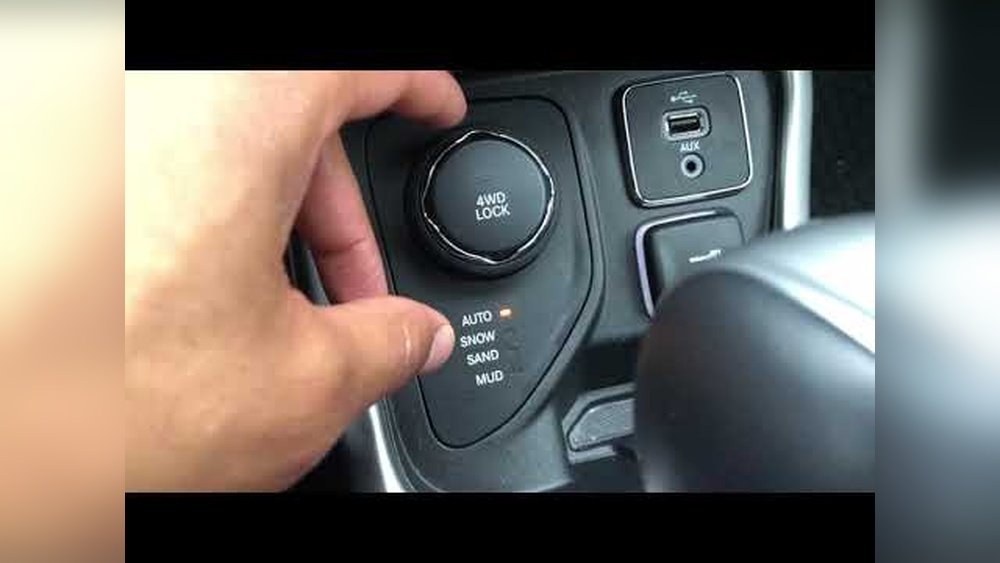
- Auto: The system selects the best mode for you.
- Lock: Forces power to all four wheels for maximum traction.
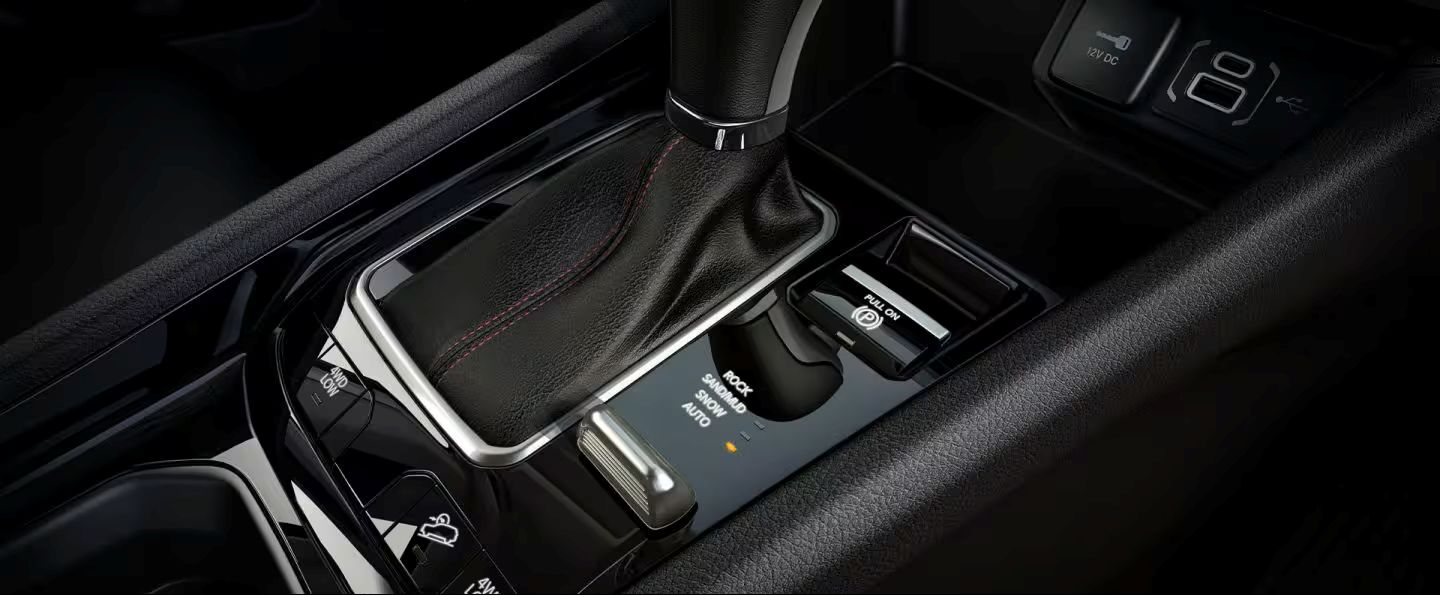
Some models also include the Selec-Terrain traction management system. This lets you pick modes like Snow, Sand, Mud, or Rock for better control in specific conditions.
Key 4wd Features
Here’s a quick comparison of what each drive mode does:
| Mode | Best For | How it Works |
|---|---|---|
| Auto | Everyday driving | Switches between 2WD/4WD as needed |
| Snow | Slippery roads | Adjusts power for better grip |
| Sand/Mud | Loose surfaces | Reduces wheel spin, increases torque |
| Rock | Off-road, rocky areas | For Trailhawk trim only; maximum low-speed control |
Most drivers use Auto for daily commutes. Select specific modes only when you face special road conditions.
How To Activate And Use 4wd In Jeep Compass
Switching to 4WD in the Jeep Compass is easy, but timing and preparation matter.
- Start the Vehicle: Ensure the engine is on and the vehicle is in Park.
- Select the Mode: Use the Selec-Terrain dial (usually near the gear lever). Turn it to the mode you need—Auto, Snow, Sand, Mud, or Rock.
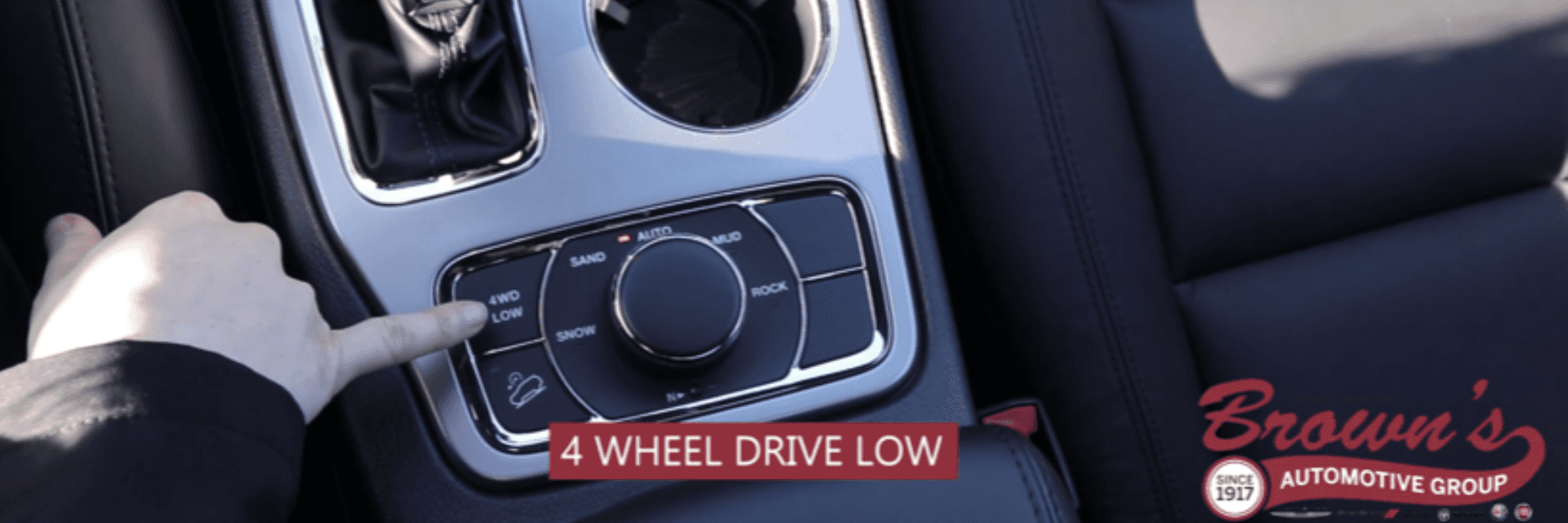
- Engage 4WD Lock: Some trims have a 4WD Lock button. Press it for constant four-wheel drive.
- Drive Slowly: When using Lock or off-road modes, keep your speed under 25 mph. High speeds can damage the system.
- Switch Back to Auto: When you return to regular roads, turn the dial back to Auto. This improves fuel economy.
Example: Driving On Snow
Suppose you are driving in winter. Turn the dial to Snow before you reach a slippery area. The system will adjust throttle and braking for safer driving.

When To Use Each 4wd Mode
Choosing the right mode boosts safety and efficiency.
- Auto: For dry or wet pavement. The system handles changes for you.
- Snow: Use when roads are icy, snowy, or slushy.
- Sand/Mud: Perfect for beaches, desert roads, or muddy tracks.
- Rock: Only for Trailhawk trim. Use on rocky hills or trails.
- 4WD Lock: When you need constant power to all wheels—like deep mud or climbing steep hills.
Selec-terrain Vs. 4wd Lock
It’s easy to get confused between Selec-Terrain and 4WD Lock. Selec-Terrain changes how the car handles power and braking. 4WD Lock sends steady power to all wheels. You can use both together for maximum traction.
Safety Tips For Using 4wd
4WD does not mean you are invincible. Here are tips for safe driving:
- Slow Down: 4WD helps with traction but not with stopping. Always reduce speed on slippery surfaces.
- Avoid Sudden Turns: Quick steering can cause skidding.
- Check Tire Pressure: Low or high tire pressure affects grip.
- Know When to Switch Off 4WD: On dry pavement, staying in 4WD can wear out parts and use more gas.
- Practice in an Empty Lot: Try different modes in a safe area before heading off-road.
Many drivers forget that braking distance stays the same, even in 4WD. Always keep extra space between you and the car ahead.
Common Mistakes To Avoid
Many new owners misuse the 4WD features. Here’s what to watch out for:
- Using 4WD All the Time: Only use it when needed. Continuous use can cause wear and lower fuel economy.
- Switching Modes While Moving Fast: Always slow down or stop before changing modes, unless your manual says otherwise.
- Ignoring Maintenance: 4WD systems need regular checks. Skipping service can lead to costly repairs.
- Misjudging Road Conditions: 4WD helps with traction, but you can still get stuck in deep snow or mud.
- Overloading the Vehicle: Carrying too much weight makes it harder for 4WD to work correctly.
Practical Insights And Lesser-known Tips
- The Jeep Compass 4WD system uses sensors to detect when wheels slip. But if one wheel is completely off the ground, the system might struggle. Gently rock the vehicle to regain traction.
- When driving off-road, lower your tire pressure slightly (by 2-4 psi). This increases the tire’s contact area and improves grip.
- After using 4WD in mud or sand, rinse the undercarriage to remove debris. This keeps moving parts working smoothly.
Most beginners don’t realize that using cruise control in slippery conditions is risky. Always control speed manually in snow, mud, or sand.
Comparing Jeep Compass 4wd With Other Suvs
Here’s how the Compass 4WD compares to two similar compact SUVs:
| Model | 4WD/AWD System | Ground Clearance (inches) | Max Towing (lbs) |
|---|---|---|---|
| Jeep Compass | Active Drive 4WD | 8.2 | 2,000 |
| Toyota RAV4 | Dynamic Torque AWD | 8.4 | 1,500 |
| Honda CR-V | Real Time AWD | 8.2 | 1,500 |
The Compass stands out for its Active Drive 4WD and higher towing capacity.
Useful Resources
For more details on Jeep’s 4WD technology and maintenance, check the official Jeep 4×4 Capabilities page.
Frequently Asked Questions
How Do I Know If My Jeep Compass Is In 4wd?
Look for the 4WD or Selec-Terrain indicator light on your dashboard. The owner’s manual can show you the exact symbol.
Can I Switch Between 4wd Modes While Driving?
In most cases, you can switch between modes like Auto, Snow, or Sand at low speeds. For 4WD Lock, stop the vehicle first.
Does 4wd Improve Fuel Economy?
No, using 4WD usually reduces fuel economy. Switch back to 2WD or Auto mode for regular driving.
Can I Use 4wd On Dry Pavement?
It’s not recommended. Using 4WD on dry roads increases wear and tear on your drivetrain and may cause handling problems.
How Often Should I Service The 4wd System?
Check your Jeep Compass manual. Usually, a service every 12,000–15,000 miles is recommended, or sooner after heavy off-road use.
Learning to use your 4WD Jeep Compass gives you confidence on any road, from city streets to mountain trails. With careful use and regular maintenance, your Compass will handle tough conditions and keep you safe.