Losing your Jeep keys or locking them inside can turn a fun day into a stressful situation. Many Jeep owners face this problem, especially since Jeeps often have unique door locks and sturdy construction.
If you find yourself standing outside your Jeep without a key, don’t panic.
There are safe ways to unlock your Jeep door, but it’s important to understand your options and avoid mistakes that could damage your vehicle.
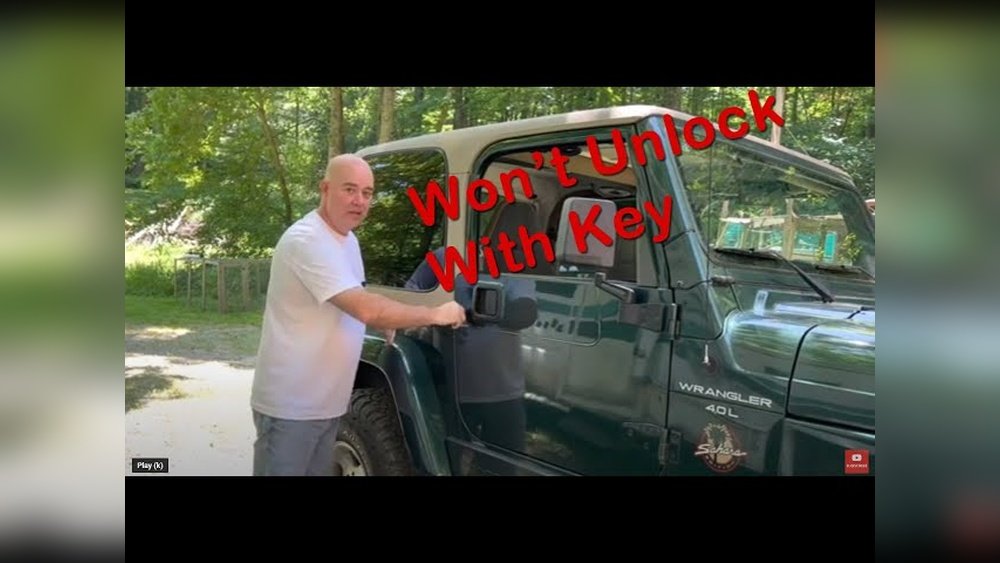
This guide explains reliable methods, tools you can use, and mistakes to avoid, so you can get back inside without causing harm.
Understanding Jeep Door Locks
Jeep doors are designed for security and durability. Most models, like the Jeep Wrangler and Jeep Cherokee, use either manual locks or electronic locking systems. Electronic locks are common in newer Jeeps, while older ones tend to have manual locks.
Here’s a quick comparison of Jeep lock types:
| Model | Lock Type | Difficulty to Unlock |
|---|---|---|
| Wrangler (pre-2010) | Manual | Medium |
| Wrangler (2010+) | Electronic | High |
| Cherokee (pre-2015) | Manual/Electronic | Medium |
| Cherokee (2015+) | Electronic | High |
Knowing your Jeep’s lock type helps you choose the right unlocking method.
Safe Ways To Unlock A Jeep Door Without A Key
There are a few effective ways to unlock a Jeep door. Here are the most reliable methods:
1. Use A Slim Jim
A Slim Jim is a thin metal tool designed to unlock car doors without a key. It works by sliding between the window and the weather stripping, then hooking the lock mechanism.
Steps:
- Insert the Slim Jim between the window and the door frame.
- Move it downward until you feel resistance.
- Gently wiggle and pull upward to hook the lock.
- Once hooked, lift to unlock.
Tip: This method works best for manual locks. Electronic locks are much harder to unlock with a Slim Jim.
2. Try A Coat Hanger
A straightened coat hanger can work for older Jeep models. The idea is similar to the Slim Jim, but the hanger is bent to reach the lock button.
Steps:
- Straighten a wire coat hanger.
- Bend one end into a small hook.
- Insert it between the window and the door frame.
- Fish for the lock button and pull up.
Warning: Be careful not to scratch the interior or break the weather stripping.
3. Use A Wedge And Long Reach Tool
Professional locksmiths often use a wedge and a long reach tool to unlock cars. The wedge creates space, and the reach tool presses the unlock button.
Steps:
- Insert a plastic wedge into the top of the door to create a gap.
- Slide in the long reach tool through the gap.
- Press the unlock button or pull the handle.
Note: Avoid using metal tools for the wedge—they can damage the paint and door.
4. Call Roadside Assistance
If you’re unable to unlock the door yourself or fear damaging your Jeep, call roadside assistance. Many insurance policies cover lockout services. This is often the safest option for newer Jeeps with electronic locks.
5. Contact A Locksmith
A professional locksmith can unlock your Jeep without damaging it. They have special tools and experience with different lock types.
| Method | Success Rate | Risk of Damage | Cost |
|---|---|---|---|
| Slim Jim | 70% | Medium | Low |
| Coat Hanger | 60% | Medium-High | Low |
| Wedge & Reach Tool | 80% | Low | Medium |
| Roadside Assistance | 95% | Very Low | Medium-High |
| Locksmith | 99% | Very Low | High |
Common Mistakes To Avoid
Unlocking a Jeep door without a key is possible, but mistakes can cost you time and money. Watch out for these:
- Using force: Never force tools into the door or lock. This can bend the frame or break the lock.
- Scratching the paint: Metal tools can scratch the paint or damage weather stripping.
- Trying random keys: Do not use random keys or objects in the lock cylinder. This often makes the lock worse.
- Ignoring electronic locks: Modern Jeeps have electronic locks that can be damaged by improper tools.
- Skipping professional help: If you’re unsure, call a locksmith or roadside assistance. It saves money in the long run.
Extra Tips For Jeep Owners
- Keep a spare key: Hide a spare key in a magnetic box under your Jeep or with a trusted friend.
- Use smart locks: Some Jeeps support Bluetooth or smart key systems. Consider upgrading if you often lose keys.
- Check your insurance: Many policies include lockout coverage. Review your plan so you know your options.
- Stay calm: Stress leads to mistakes. Take a deep breath and evaluate your options.
What If Your Jeep Has Removable Doors?
Some Jeeps, like Wranglers, have removable doors. If you’ve locked the keys inside and have the tools, you can remove the door bolts and take the door off to access the interior. However, this requires special tools and is not recommended unless you’re experienced.
When Should You Avoid Diy Unlocking?
If your Jeep has advanced security features, such as alarm systems or electronic locks, avoid DIY methods. Tampering can activate the alarm or damage the electronics. In these cases, professional help is best.
Frequently Asked Questions
How Much Does It Cost To Unlock A Jeep Door?
The average cost for locksmith services ranges from $50 to $150. Roadside assistance may be free if covered by insurance.
Will Unlocking The Door Without A Key Damage My Jeep?
DIY methods can cause damage if not done carefully. Using professional tools or calling a locksmith reduces the risk.
Can I Unlock A Jeep With A Smartphone?
Some newer Jeeps support app-based unlocking. Check your owner’s manual or dealership for compatibility.
What Should I Do If The Alarm Goes Off?
If the alarm activates, enter the correct code or use your key fob. If you don’t have access, contact your dealership.
Is It Legal To Unlock My Own Jeep Without A Key?
Yes, it’s legal to unlock your own vehicle. However, avoid damaging public property or violating local laws.
Getting locked out of your Jeep is frustrating, but with the right tools and knowledge, you can unlock the door safely. If you’re unsure, professional help is always available. For detailed information on car lock systems and security, you can visit Wikipedia. Remember to stay calm, act carefully, and protect your Jeep from unnecessary damage.