Driving a Jeep Liberty can be a comfortable experience, but knowing how to use features like overdrive is key to getting the best performance and fuel efficiency. Many drivers are unsure about what overdrive is, why it matters, and how to turn it on or off.
In this guide, you’ll learn everything you need about using overdrive in the Jeep Liberty, including practical steps, common mistakes, and a few tips you won’t find in most manuals.
Understanding Overdrive In Jeep Liberty
Overdrive is a special gear in your Jeep Liberty’s automatic transmission. When engaged, it allows the engine to run at lower RPMs while maintaining highway speed. This reduces fuel consumption, lowers engine noise, and helps your vehicle last longer. Overdrive is especially useful for long drives or cruising at speeds above 40 mph.
Here’s a simple comparison of engine RPM with and without overdrive:
| Speed (mph) | RPM with Overdrive | RPM without Overdrive |
|---|---|---|
| 60 | 1800 | 2700 |
| 70 | 2100 | 3200 |
You can see that using overdrive lowers the engine RPM significantly, making your drive smoother and quieter.
How To Turn Overdrive On (step-by-step)
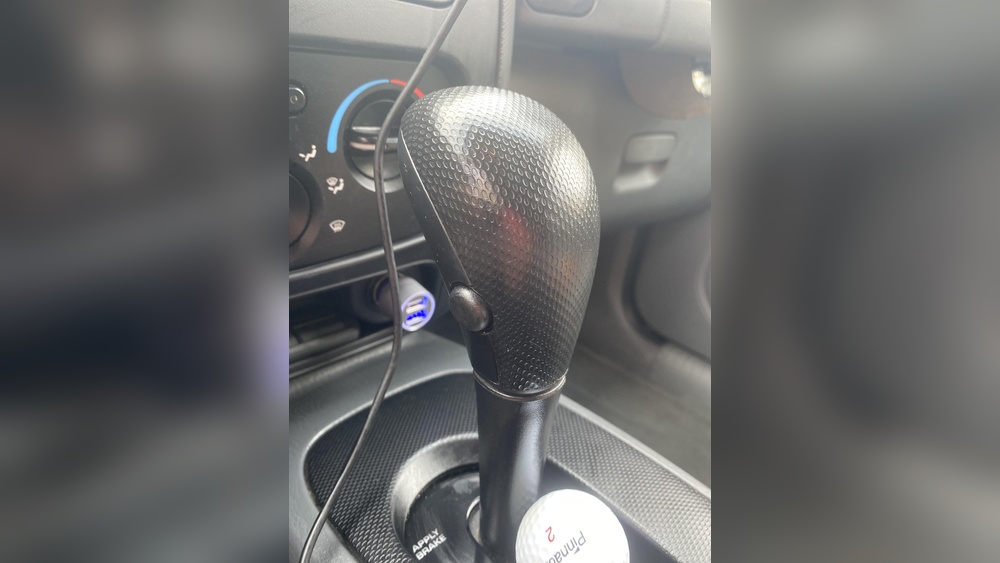
Most Jeep Liberty models (2002–2012) have a simple overdrive button located on the gear shift. Follow these steps to activate overdrive:
- Start your Jeep Liberty and make sure you’re in ‘Drive’ (D).
- Look for the small button, usually on the side or top of the gear shift lever, labeled ‘OD’ or ‘O/D’.
- Press the overdrive button. If overdrive was off, pressing it will turn it on. You might see a light on the dashboard labeled ‘O/D OFF’ go out, which means overdrive is now active.
- Drive normally. Overdrive will engage automatically when you reach higher speeds (above 40 mph).
If you want to turn overdrive off (for towing or mountain driving), press the button again. The ‘O/D OFF’ light will appear, meaning overdrive is disabled.
Important: When To Use Overdrive
Overdrive works best in these situations:
- Highway driving
- Flat roads
- Normal loads
Avoid using overdrive when:
- Towing heavy loads
- Driving on steep hills
- Low-speed city driving
Here’s a quick comparison of when to use or avoid overdrive:
| Situation | Overdrive On | Overdrive Off |
|---|---|---|
| Highway | Recommended | Not needed |
| City Traffic | Not recommended | Better |
| Towing | Avoid | Recommended |
| Steep Hills | Avoid | Recommended |

Common Mistakes When Using Overdrive
Many Jeep Liberty owners make mistakes when using overdrive, which can affect performance and even damage the transmission.
- Leaving overdrive off during normal driving: This increases fuel use and engine wear.
- Using overdrive while towing: This strains the transmission and can cause overheating.
- Not noticing the ‘O/D OFF’ light: Some drivers forget to check the dashboard, leading to poor efficiency.
- Switching overdrive repeatedly: Constantly pressing the button confuses the transmission. Only switch when needed.
A less obvious mistake is ignoring transmission fluid condition. Overdrive works best when the fluid is fresh and at the right level.
Dirty fluid can prevent smooth shifting into overdrive.
How Overdrive Impacts Fuel Economy
Overdrive can make a big difference in how far you can go on a tank of gas. According to EPA estimates, fuel economy improves by up to 10–15% when overdrive is used at highway speeds.
Let’s compare the average Jeep Liberty fuel consumption with and without overdrive:
| Driving Mode | MPG (with Overdrive) | MPG (without Overdrive) |
|---|---|---|
| Highway | 22 | 19 |
| City | 16 | 15 |
This data shows that overdrive helps you save money and reduces wear on your Jeep Liberty.

Tips For Smooth Overdrive Use
Getting the most from your Jeep Liberty’s overdrive is simple, but there are a few tips that help:
- Check the dashboard: Always look for the ‘O/D OFF’ light before long drives.
- Maintain your transmission: Change fluid every 30,000 miles, and check for leaks.
- Use cruise control: This pairs well with overdrive for steady highway driving.
- Don’t use overdrive for towing: Turn it off when carrying heavy loads or driving up hills.
- Listen for gear changes: If you hear strange noises or feel rough shifts, get your transmission checked.
A smart tip: If your Jeep Liberty feels sluggish, turning overdrive off temporarily can help during short uphill climbs. Once you’re back on flat roads, turn it on again.
Frequently Asked Questions
How Do I Know If Overdrive Is On In My Jeep Liberty?
Look at your dashboard. If the ‘O/D OFF’ light is not illuminated, overdrive is on. If the light is on, overdrive is off. You can also check the gear shift button; pressing it toggles overdrive status.
Can I Use Overdrive When Towing A Trailer?
No, you should turn overdrive off when towing. Using overdrive in this situation can overheat and damage your transmission. Always press the button so the ‘O/D OFF’ light appears when towing.
Will Overdrive Improve My Fuel Economy?
Yes, overdrive reduces engine RPM at higher speeds, which improves fuel economy by up to 15%. It’s most effective during steady highway driving.
Is It Bad To Switch Overdrive On And Off Often?
Constantly switching overdrive can confuse your transmission’s computer and cause rough shifting. Only turn overdrive on or off when needed for driving conditions.
Where Can I Find More Details About Jeep Liberty’s Overdrive System?
For official information and technical details, visit the manufacturer’s site: Jeep Official Site.
Learning how to use overdrive on your Jeep Liberty is a simple way to improve your driving experience, save money, and protect your vehicle. By following these steps and tips, you’ll avoid common mistakes and keep your Jeep running smoothly for years.
Remember, check your dashboard, use overdrive wisely, and keep your transmission well-maintained for the best results.