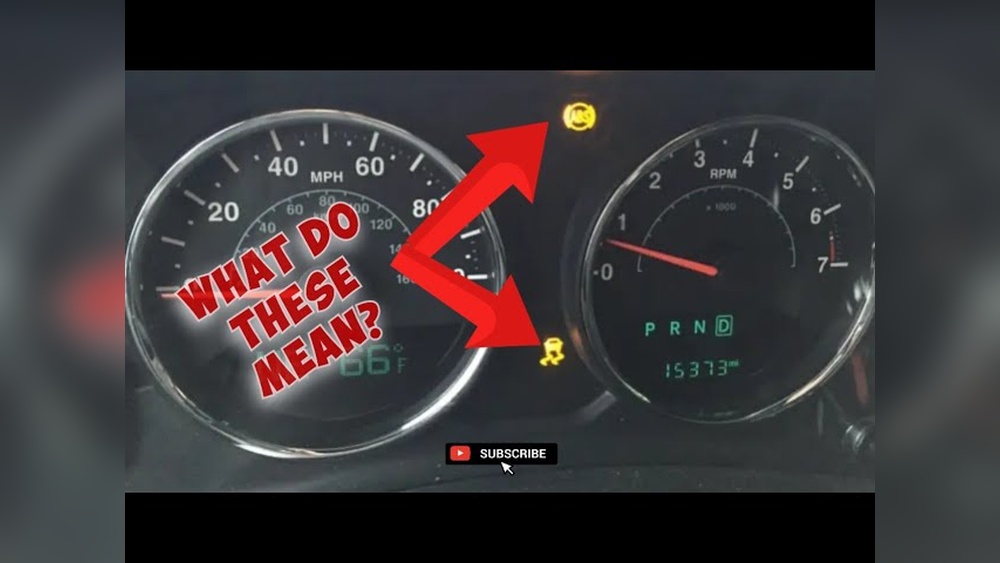
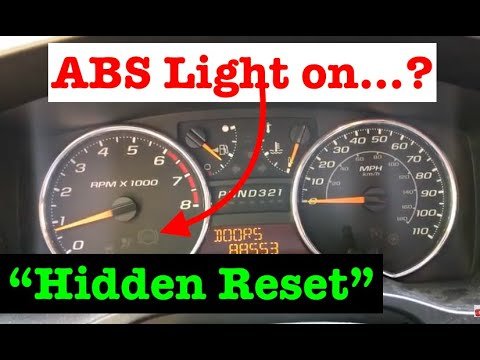
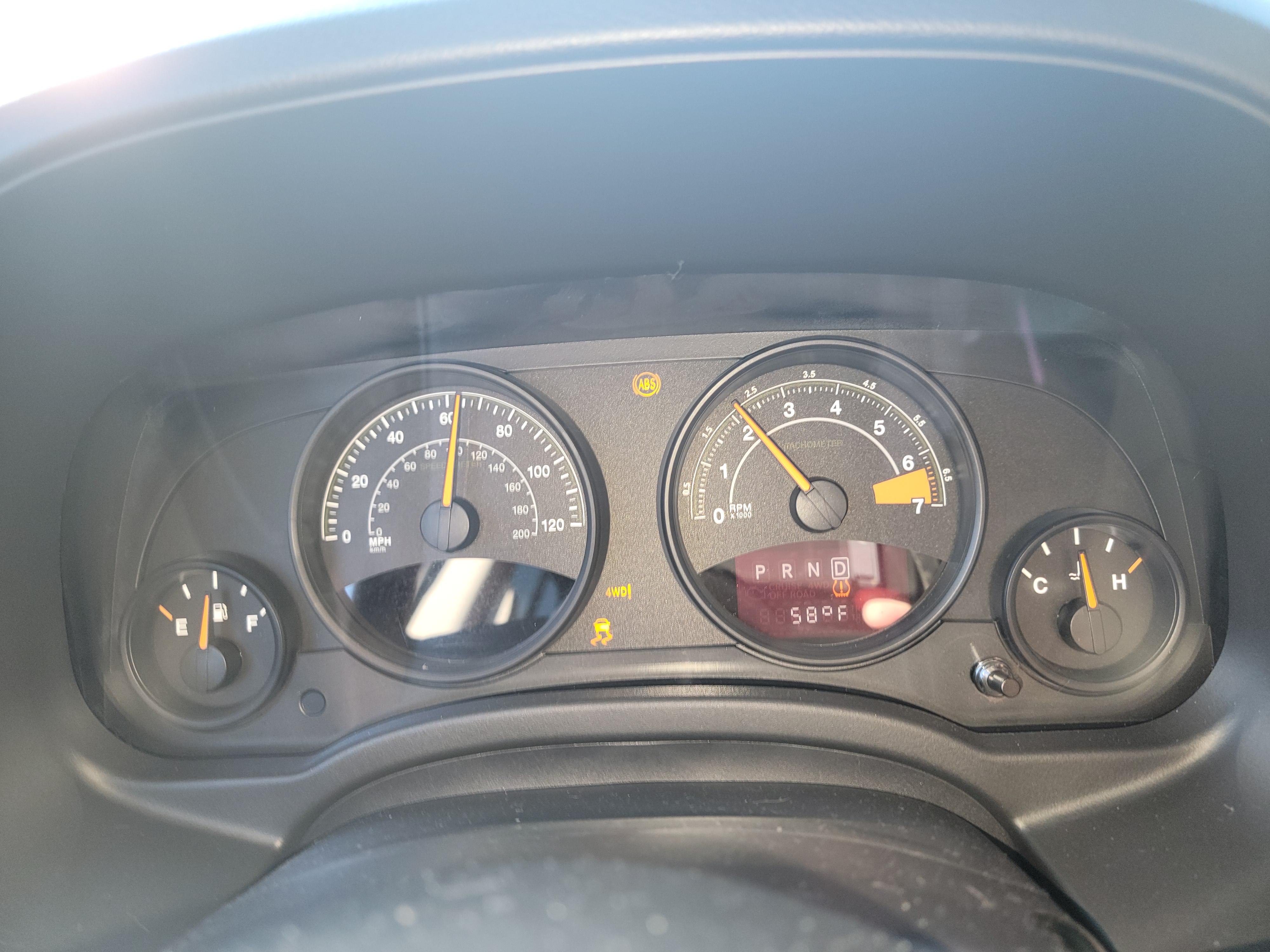
If you’ve noticed the ABS light glowing on your Jeep’s dashboard, you’re probably wondering what it means and how to turn it off. That little warning light might feel like a major hassle, but ignoring it could affect your vehicle’s safety systems.
Luckily, you don’t have to be a mechanic to understand why it’s on or how to reset it.
You’ll discover straightforward steps to diagnose the issue and turn off the ABS light on your Jeep, so you can get back on the road with confidence.
Keep reading you’ll learn quick fixes and important tips that every Jeep owner should know.
Common Abs Light Causes
The ABS light on a Jeep signals a problem in the anti-lock braking system. Understanding common causes helps fix the issue quickly.
This keeps the vehicle safe and avoids costly repairs. Several parts can trigger the ABS light.
These include sensors, wiring, seals, pumps, and fuses. Each part plays a key role in the ABS function.
Identifying the exact cause helps in turning off the ABS light effectively.
Faulty Wheel Speed Sensors
Wheel speed sensors monitor each wheel’s speed. They send data to the ABS control module.
Faulty sensors send wrong signals or no signals. This causes the ABS light to turn on.
Dirt, damage, or wear can cause sensor failure. Cleaning or replacing the sensor often fixes the problem.
Damaged Wiring Or Connectors
Wiring connects ABS sensors to the control module. Connectors link these wires securely.
Damage to wiring or loose connectors disrupt signals. This triggers the ABS light.
Rodents, corrosion, or road debris often cause damage. Inspecting and repairing wiring restores proper function.
Leaking Rear Axle Seal
A leaking rear axle seal can drip grease onto ABS sensors. Grease blocks sensor signals or causes false readings. This makes the ABS light appear. Fixing the seal and cleaning the sensors clears the warning. This issue is common in Jeep models like the Wrangler.
Malfunctioning Abs Pump
The ABS pump controls brake pressure during hard stops. A pump failure stops the ABS from working.
The system then lights up the ABS warning. Pump problems may require professional repair or replacement. This keeps braking safe and effective.
Blown Fuses And Relays
Fuses and relays protect the ABS electrical system. A blown fuse or bad relay cuts power to the ABS parts.
This causes the ABS light to come on. Checking and replacing fuses or relays fixes the issue.
This is a simple step to restore ABS function.
Quick Abs Light Reset Methods
The ABS light on a Jeep signals an issue with the anti-lock braking system. Resetting this light quickly can help avoid panic and get you back on the road.
Several easy methods exist to reset the ABS light without complicated tools. These quick techniques can clear minor glitches and turn off the warning light fast.
Try these simple reset methods before visiting a mechanic. They save time and may fix the problem instantly.
Each approach works for different ABS light triggers, so test what fits your Jeep’s situation.
Ignition Cycling Technique
Start by turning the ignition key to the ON position without starting the engine. Leave it on for about 10 seconds.
Then turn the key OFF and wait for 5 seconds. Repeat this cycle three times in a row.
After the final cycle, start the engine. This method can reset the ABS system and turn off the light if the fault was temporary.
Steering Wheel Turn Reset
Turn the steering wheel fully to the left and hold it for 5 seconds. Next, turn it fully to the right and hold again.
This action helps recalibrate the wheel sensors linked to the ABS. After completing the turns, start the vehicle.
This simple trick can clear sensor errors causing the ABS light to stay on.
Using An Obd-ii Scanner
Plug an OBD-II scanner into the Jeep’s diagnostic port, usually under the dashboard. Turn on the ignition and let the scanner communicate with the vehicle’s system.
Select the ABS module and read the trouble codes. Use the scanner’s option to clear the codes.
This will reset the ABS light if no serious issues remain.
Clearing Codes With A Code Reader
A code reader is a basic tool similar to an OBD-II scanner but often simpler. Connect it to the Jeep’s diagnostic port and power on the ignition. Read the ABS fault codes and write them down for reference. Choose the clear codes option on the reader to erase the stored errors. This method effectively turns off the ABS light after fixing minor faults.
Diagnosing Abs Issues
Diagnosing ABS issues is the first step to turn off the ABS light on your Jeep. The ABS light signals a problem in the anti-lock braking system.
Ignoring it can affect your Jeep’s safety. Accurate diagnosis helps find the exact cause.
This section covers key checks to identify ABS problems.
Checking Wheel Speed Sensors
Wheel speed sensors monitor each wheel’s speed and send data to the ABS system. Dirt, damage, or misalignment can cause sensor failure.
Start by cleaning the sensors and their surrounding area. Look for cracks or broken wires on each sensor.
Use a multimeter to test sensor resistance. Replace sensors showing abnormal readings.
Inspecting Wiring And Connectors
Wiring and connectors link sensors to the ABS control module. Loose or corroded connections can trigger the ABS light.
Visually inspect all wiring for cuts, frays, or corrosion. Make sure connectors are tight and clean.
Repair or replace damaged wires and connectors to restore proper signals.
Testing Abs Pump Operation
The ABS pump controls brake pressure during emergencies. A faulty pump can cause the light to turn on.
Listen for unusual noises from the pump when turning the ignition on. Use a scan tool to check pump status and error codes.
Replace the pump if it fails these tests.
Verifying Fuse And Relay Status
Fuses and relays protect the ABS electrical system. A blown fuse or bad relay can disable ABS functions.
Locate the fuse box and check the ABS fuse with a test light or multimeter. Inspect the ABS relay by swapping it with a similar relay if possible.
Replace any faulty fuse or relay to restore system power.

Diy Abs Light Fixes
DIY ABS light fixes can save time and money. Many ABS light issues on a Jeep are easy to diagnose and repair at home.
Simple tools and a bit of patience help you fix common problems. These steps focus on the most frequent causes of ABS warning lights.
Follow clear instructions to get your Jeep back on the road safely.
Replacing Faulty Wheel Speed Sensors
Wheel speed sensors monitor each wheel’s speed and send data to the ABS system. A faulty sensor often triggers the ABS light.
To replace it, locate the sensor near the wheel hub. Remove the old sensor carefully and install a new one.
Make sure the wiring connector is secure. After replacement, test drive to check if the ABS light turns off.
Repairing Damaged Wiring
Wiring problems can disrupt signals between sensors and the ABS module. Look for frayed or broken wires around the wheel hubs and under the vehicle.
Use electrical tape or heat shrink tubing to fix minor damage. For severe issues, replace the damaged wiring section.
Proper wiring repair ensures reliable sensor communication and clears the ABS warning.
Cleaning Grease From Sensors
Grease or dirt buildup can block sensors and cause false readings. Clean the wheel speed sensors gently with a soft cloth and a mild cleaner.
Avoid harsh chemicals that may damage sensor parts. Keep the sensor area dry before reassembling.
Cleaning often restores sensor function and turns off the ABS light.
Resetting Abs Module
The ABS module stores fault codes that keep the light on. Resetting it can clear these codes after repairs.
Use an OBD-II scanner to erase ABS codes. If no scanner is available, disconnect the battery for 15 minutes to reset the module.
Reconnect the battery and start the Jeep. The ABS light should turn off if the issue is fixed.
Using Advanced Tools
Using advanced tools offers a precise way to address the ABS light on your Jeep. These tools help identify the exact cause and reset the system effectively.
They also allow customization of settings related to ABS and traction control.
Jscan Software For Abs Control
JScan is a popular software for Jeep diagnostics. It connects to your Jeep’s onboard computer using a compatible adapter.
The software reads ABS fault codes clearly. It also lets you reset the ABS light after fixing issues.
JScan can disable ABS and traction control if needed. This is useful for off-road driving where you want more wheel slip.
Scan Tools To Diagnose And Reset
Scan tools are handheld devices that plug into your Jeep’s OBD-II port. They read error codes from ABS sensors and modules.
After diagnosing the problem, they allow you to clear the ABS light. Many scan tools provide live data to monitor sensor signals.
This helps confirm if sensors work properly before resetting the light. Using a scan tool saves time and avoids guesswork.
Disabling Abs And Traction Control
Advanced tools can disable ABS and traction control systems. This is common in Jeeps used for serious off-road driving.
Disabling these systems prevents unwanted intervention on rough terrain. Tools like JScan make this process simple and reversible.
Remember, turning off these systems affects your Jeep’s safety features. Use this option only when necessary and understand the risks.
When To Seek Professional Help
Knowing when to seek professional help is important for your Jeep’s safety and performance. Some ABS light issues need expert attention beyond simple resets or sensor cleaning.
Ignoring these signs can lead to bigger problems or brake failure. Here are the key situations that call for a mechanic’s expertise.
Persistent Abs Light Issues
If the ABS light stays on after several resets, it means the problem is deeper. Persistent warnings often point to faulty sensors or wiring problems.
A professional can run detailed diagnostics to find hidden faults. DIY fixes rarely solve long-term electrical issues.
Complex Abs Pump Failures
The ABS pump controls brake pressure during emergencies. Pump malfunctions cause the ABS light to flash or remain lit.
Repairing or replacing this pump requires special tools and skills. Mechanics have the training to handle these complex repairs safely.
Brake System Safety Concerns
The ABS system is part of your Jeep’s brake safety. If you notice reduced brake performance or unusual noises with the ABS light on, stop driving.
These signs suggest critical brake system problems. Only a qualified technician can inspect and fix these issues properly.
Safety Tips While Abs Light Is On
The ABS light on your Jeep signals a problem with the anti-lock braking system. Driving with this light on requires extra care.
It means the ABS may not work properly in emergencies. Follow safety tips to protect yourself and others on the road.
Keep calm and focus on safe driving. Avoid risky maneuvers until the issue is fixed.
Your brakes still work but without ABS assistance, stopping distance may increase.
Driving Precautions
Drive slower than usual and keep more distance from cars ahead. Avoid sudden turns or quick lane changes.
Watch road conditions closely. Wet or icy roads can be more dangerous without ABS support.
Avoiding Harsh Braking
Brake gently and steadily. Do not slam on the brakes.
Harsh braking can cause your wheels to lock up. Locked wheels reduce control and increase stopping distance.
Use engine braking by easing off the accelerator to slow down.
Scheduling Timely Repairs
Get your Jeep checked by a mechanic soon. A professional can diagnose and fix the ABS problem.
Delaying repairs can lead to bigger brake issues. Fixing the ABS keeps your braking system safe and reliable.
How Do I Get My Abs Light To Shut Off?
Use an OBD-II scanner to read and clear ABS codes. Repair or replace faulty wheel speed sensors or wiring.
Reset the ABS system by turning the steering wheel fully left and right, then restart the vehicle.
Can I Drive A Jeep With An Abs Light On?
You can drive a Jeep with the ABS light on, but ABS safety features may not work properly. Get it checked soon.
What Causes The Abs Light To Come On In A Jeep?
The ABS light on a Jeep activates due to faulty wheel speed sensors, damaged wiring, low brake fluid, or a malfunctioning ABS module. Dirt, grease, or a leaking axle seal can also trigger the warning.
Diagnosing with a scan tool helps identify the exact cause.
How Do I Clear My Abs Light Without A Scanner?
Turn the ignition on, steer fully left then right, turn off and restart the vehicle. This may reset the ABS light without a scanner.
Conclusion
The ABS light on your Jeep signals a safety issue. Check the wheel sensors and wiring for damage.
Use a scan tool to find error codes easily. Fix or replace faulty parts as needed.
After repairs, reset the ABS light by turning the wheel fully left and right.
Regular maintenance helps prevent the light from coming back. Always prioritize safety over ignoring warning lights.
This way, your Jeep stays reliable and safe on every drive.