If you own a Jeep, you might wonder if it’s been lifted. A lifted Jeep sits higher than stock and can handle rough terrain better. But sometimes, it’s hard to tell just by looking. Maybe you bought your Jeep used, or someone else did the work. Knowing if your Jeep is lifted helps with maintenance, tire choices, and legal requirements. Let’s explore clear ways to check, backed by examples and real data.
What Is A Lifted Jeep?
A lifted Jeep means the suspension or body is raised above factory height. This allows for bigger tires and more ground clearance. There are two main types:
- Suspension lift: Raises the Jeep’s frame using new springs, shocks, or spacers.
- Body lift: Adds spacers between the frame and body, usually just 1–3 inches.
Lifted Jeeps are popular for off-roading, but even city drivers like the look and feel. A lifted Jeep can be easier to spot once you know what to look for.
Simple Ways To Check If Your Jeep Is Lifted
1. Measure The Ride Height
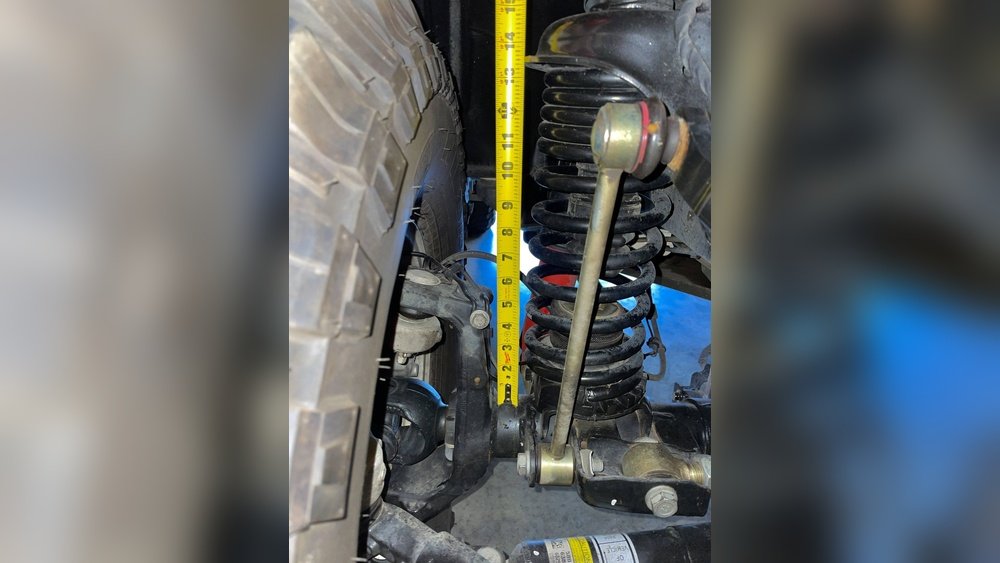
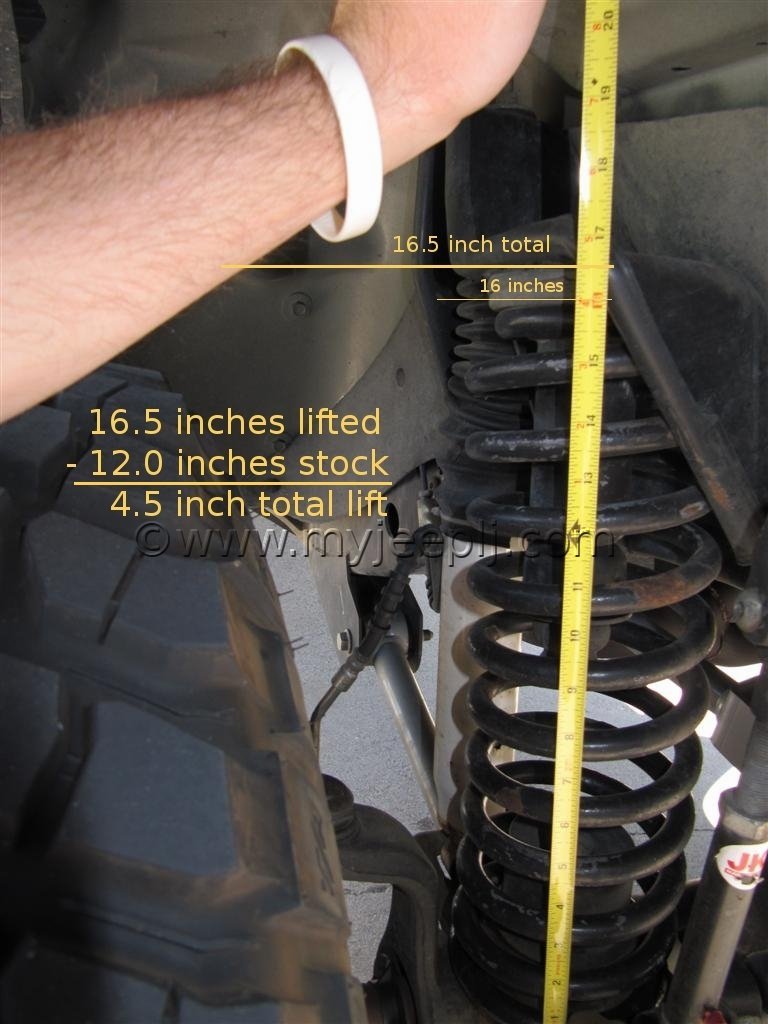
Compare your Jeep’s ride height to the factory specs. Use a measuring tape and check from the ground to the bottom of the fender. Here’s a quick guide:
| Jeep Model | Stock Ride Height (inches) | Common Lift Height (inches) |
|---|---|---|
| Wrangler JK | 35 | 38–42 |
| Grand Cherokee | 32 | 34–36 |
| Cherokee XJ | 33 | 36–39 |
If your Jeep is 2 3 inches higher than the stock number, it’s likely lifted.
2. Inspect Suspension Components
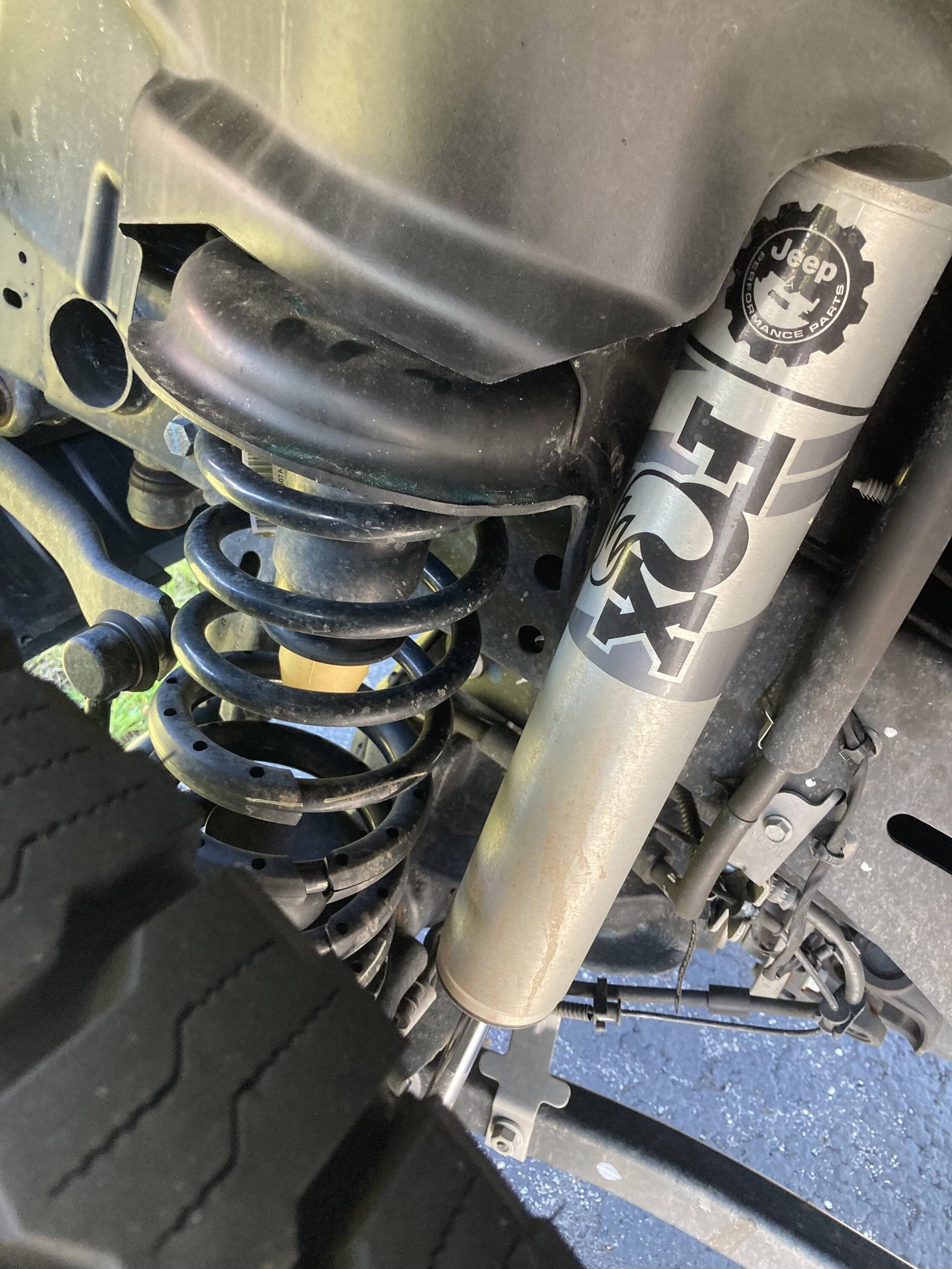
Look under your Jeep for signs of a suspension lift. Common clues are:
- Aftermarket coil springs (often painted bright colors)
- Longer shocks or struts
- Spacer blocks above the springs
Stock suspension parts are usually black or gray and fit snugly. Aftermarket parts stand out and add visible height.
3. Check Tire Size
Lifted Jeeps often use larger tires. Compare the tire size to the stock recommendation in your owner’s manual. For example:
| Model | Stock Tire Size | Lifted Tire Size |
|---|---|---|
| Wrangler JK | 225/75R16 | 33×12.5R15 |
| Cherokee XJ | 215/75R15 | 31×10.5R15 |
If your Jeep uses tires much larger than stock, it’s probably lifted to fit them.
4. Look For Body Lift Spacers
Body lifts use spacers between the frame and body. You can spot these by peeking between the wheel well and body. Spacers are thick rubber or plastic blocks, usually 1–3 inches tall. If you see them, your Jeep has a body lift.
5. Review Alignment And Handling
Lifted Jeeps may feel different to drive. Signs include:
- Steering feels loose or “wanders”
- Jeep leans more in turns
- You need to adjust alignment more often
These changes happen because the geometry of the suspension changes. If your Jeep handles differently than expected, lifting could be the cause.
Non-obvious Signs Beginners Miss
Most people look only at ride height or tires, but these clues are often overlooked:
- Driveline Angles: A lifted Jeep’s driveshaft sits at a steeper angle. Check under your Jeep—if the driveshaft angles look sharper than stock, a lift kit is likely installed.
- Aftermarket Control Arms: Lift kits often require longer or adjustable control arms. If you see brand names like Rubicon Express or Teraflex stamped on the arms, it’s a sign your Jeep is lifted.
These details are easy to miss but give strong evidence of a lift.
Comparing Lifted Vs. Stock Jeeps
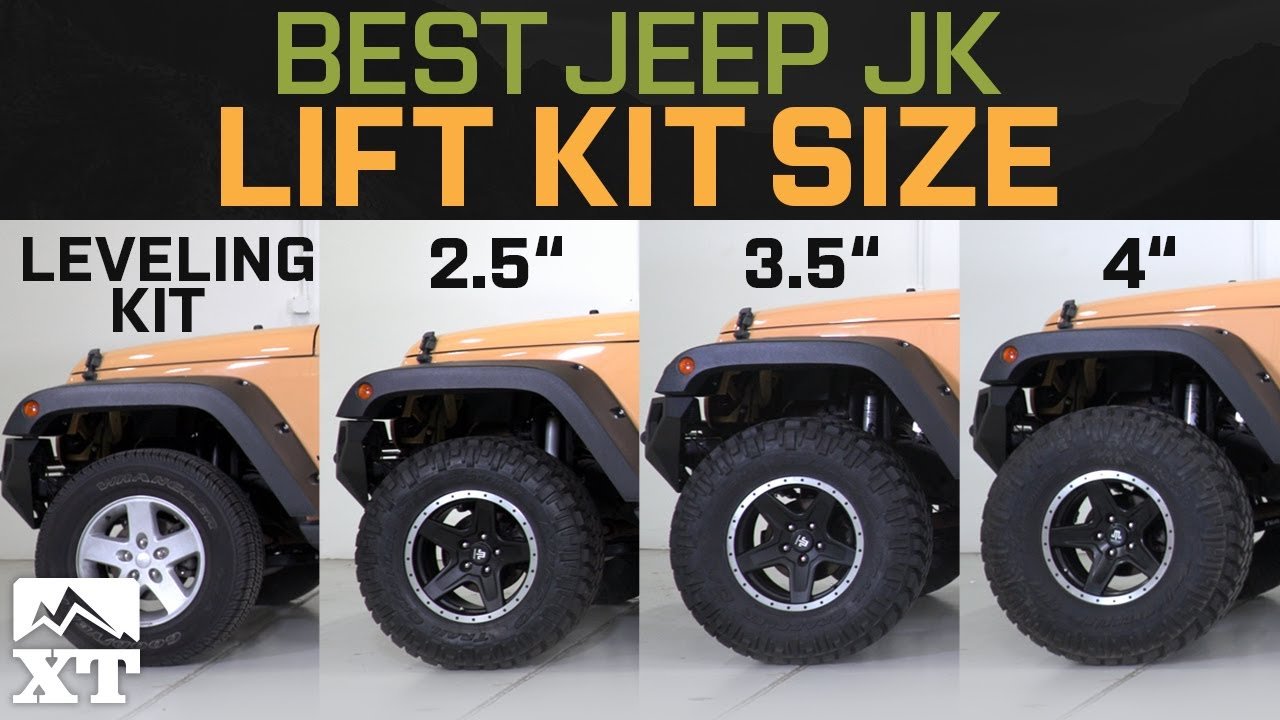
Lifted Jeeps look great and offer more off-road ability, but there are trade-offs. Here’s a side-by-side comparison:
| Feature | Stock Jeep | Lifted Jeep |
|---|---|---|
| Ground Clearance | 8–10 inches | 10–14 inches |
| Tire Size | Up to 31 inches | Up to 35+ inches |
| Ride Quality | Smoother, stable | Stiffer, more bounce |
| Fuel Economy | Standard | Usually lower |
Lifted Jeeps have more clearance and larger tires, but the ride can feel rougher and use more gas.
Practical Tips For Jeep Owners
- Check local laws: Some states limit how much you can lift a vehicle. Always check before making changes.
- Insurance: Tell your insurer if your Jeep is lifted. It can affect coverage.
- Maintenance: Lifted Jeeps need more frequent checks for wear on suspension parts.
A lifted Jeep can be fun, but it’s important to understand the impact on safety, handling, and legal issues.
Frequently Asked Questions
How Do I Know If My Jeep Is Lifted Without Measuring?
Look for aftermarket suspension parts (colored springs, longer shocks), larger tires, or visible spacers. If you see any of these, your Jeep is likely lifted.
Can I Drive A Lifted Jeep Every Day?
Yes, but expect a stiffer ride and lower fuel economy. Lifted Jeeps handle differently, especially in turns and on highways.
Will Lifting My Jeep Void The Warranty?
It depends. Some lifts void parts of the factory warranty. Always check with your dealer before making changes.
What Size Tires Can I Put On A Lifted Jeep?
This depends on your lift height. For example, a 2-inch lift usually fits 33-inch tires. Always check your Jeep’s specs and test for clearance.
Are Lifted Jeeps Legal Everywhere?
No. Some states limit lift height for safety reasons. Always check local rules before lifting or buying a lifted Jeep. You can find state regulations at SEMA Vehicle Laws.
If you’re not sure whether your Jeep is lifted, use the tips above. The right approach saves time and keeps your Jeep safe and legal.
Whether you want to go off-road or just like the look, knowing your Jeep’s setup helps you make smart decisions.