Ready to enjoy that fresh air and open sky on your Jeep adventure? Taking the top off your Jeep is easier than you might think, and it’s the best way to feel the freedom only a Jeep can offer.
Whether you want to soak up the sun or get that classic rugged look, removing your Jeep’s top lets you transform your ride in minutes.
In this guide, you’ll learn simple, step-by-step instructions to safely and quickly take the top off your Jeep.
No confusing jargon or complicated tools just clear, straightforward tips so you can get it done right the first time. Keep reading to find that open-air experience and make the most of every drive!
Tools And Preparation
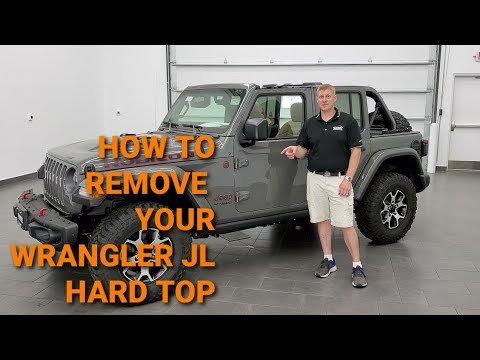
Taking the top off of a Jeep requires proper tools and preparation. These steps make the process smooth and safe. Organizing tools and preparing your Jeep before starting saves time and frustration. Follow these guidelines to ensure everything goes well.
Gathering Necessary Tools
Collect all tools before beginning. You need a socket wrench, screwdrivers, and possibly a Torx driver. A helper is useful for lifting the top. Keep a soft cloth nearby to protect surfaces. Having the right tools ready speeds up the removal.
Preparing The Jeep
Park your Jeep on level ground. Engage the parking brake to prevent movement. Remove any items inside that might get in the way. Lower or remove the windows if needed. This preparation helps you reach all latches and bolts easily.
Safety Precautions
Wear gloves to protect your hands from sharp edges. Use eye protection to avoid dust or debris. Lift the top carefully with help to avoid injury. Keep tools and parts organized to prevent trips or falls. Safety is key for a smooth removal process.
Removing Freedom Panels
Removing the Freedom Panels is the first step in taking the top off your Jeep. These panels cover the front seats and can be removed quickly to give you an open-air feel. Each panel is secured with simple locks and clips that you can handle without special tools.
Start by preparing the area and making sure the panels are easy to reach. Handle the panels carefully to avoid damage. The process involves lowering sun visors, unlocking the L-shaped locks, and removing each panel separately. Begin with the driver side panel to keep the process smooth.
Lowering Sun Visors
Lower the sun visors on both the driver and passenger sides. This step creates enough space to reach the locks easily. Fold the visors down gently to avoid breaking the clips. Once the visors are down, you can access the Freedom Panel locks without obstruction.
Unlocking L-shaped Locks
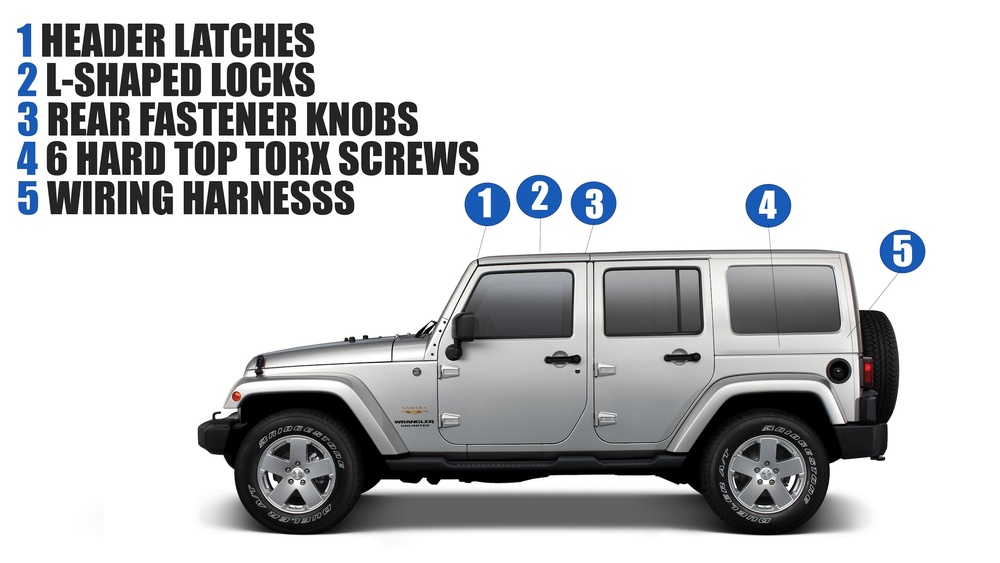
Locate the three L-shaped locks on each Freedom Panel. Turn each lock following the arrow directions to find them. These locks hold the panel tightly in place. Make sure all locks are fully turned to the open position before lifting the panels.
Removing Driver Side Panel
Start with the driver side Freedom Panel. After unlocking, lift the panel straight up to release it from the windshield frame. Keep a firm grip to avoid dropping it. Set the panel aside carefully on a soft surface to prevent scratches or dents.
Removing Passenger Side Panel
Next, remove the passenger side panel using the same method. find the L-shaped locks, then lift the panel straight up. Handle it gently and place it safely with the driver side panel. Removing both panels clears the way to take off the main top.
Detaching Rear Hardtop
Detaching the rear hardtop is a key step in removing the top of a Jeep. It requires careful handling to avoid damage. The rear hardtop connects to the vehicle through several components. These parts need to be safely disconnected before lifting the hardtop off. The process includes opening the rear swing gate, disconnecting wiring and hoses, and removing screws. Each step is simple but important for a smooth removal.
Opening Rear Swing Gate
Start by opening the rear swing gate fully. This gives clear access to the hardtop’s connection points. Make sure the gate stays open during the removal process. Use the gate’s latch to secure it in place. This prevents any interference while working on the hardtop.
Disconnecting Wiring Harness
Locate the wiring harness attached to the rear hardtop. This harness powers the rear lights and defroster. Gently unplug the wiring connector by pressing the release tab. Avoid pulling on the wires directly to prevent damage. Set the harness aside safely out of the way.
Disconnecting Washer Fluid Hose
Find the washer fluid hose connected to the rear window wiper. This hose supplies fluid to the rear washer nozzle. Carefully detach the hose by pulling it off the connector. Some fluid may leak, so keep a cloth nearby. Make sure the hose is free and not tangled.
Removing Torx Screws
Identify the Torx screws securing the rear hardtop to the Jeep frame. Use a Torx screwdriver or bit to unscrew them. Turn each screw counterclockwise until fully loose. Keep the screws in a safe place for reinstallation. Check all screws are removed before lifting the hardtop.
Lifting And Removing Hardtop
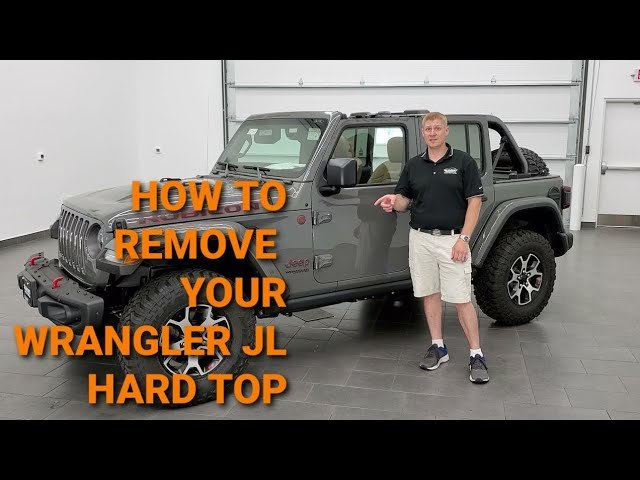
Removing the hardtop from a Jeep requires careful handling. The hardtop is heavy and bulky. It needs at least two people for safe removal. Follow simple steps to lift and take it off without damage. Proper positioning and lifting techniques make the process easier. After removal, store the hardtop properly to keep it safe.
Positioning Helpers
Ask a friend to help you with the hardtop removal. Stand on each side of the Jeep. Face each other for easy communication. Make sure you both have a firm grip. Clear the area around the Jeep for safety. This helps avoid accidents or scratches on the vehicle.
Lifting The Hardtop
Start by unlatching all locks securing the hardtop. Lift the front “Freedom Panels” first. Then, unscrew rear bolts and disconnect any wires. Hold the hardtop firmly with both hands. Lift straight up to avoid damage. Do not twist or tilt the hardtop while lifting.
Clearing The Roll Bar
Watch the roll bar as you lift the hardtop. Tilt slightly if needed to clear the bar. Communicate with your helper before moving. Move slowly to avoid hitting the roll bar. Keep the hardtop balanced to prevent dropping it.
Storing The Hardtop
Find a flat, safe place to store the hardtop. Use a soft surface or cover to prevent scratches. Store it upside down to avoid pressure on the seals. Keep it away from direct sunlight and moisture. Cover the hardtop with a protective tarp if possible.
Storage And Handling Tips
Proper storage and careful handling keep your Jeep top in great shape. This extends its life and maintains its look. Follow simple tips for storing and moving the top safely.
Safe Storage Locations
Store the Jeep top in a dry, shaded place. Avoid direct sunlight to prevent fading and cracking. Choose a flat surface to keep the top stable. Keep it away from heavy items that could cause dents or scratches. A garage or covered shed works best. Avoid damp basements to stop mold and mildew growth.
Protective Covers
Use a soft, breathable cover to protect the top from dust and dirt. Avoid plastic covers that trap moisture. A fitted cover shields the top from scratches during storage. Covers with ventilation help prevent condensation. Clean the top before covering it to avoid trapping grime.
Transporting The Hardtop
Lift the hardtop with at least two people to avoid damage. Use soft blankets or foam pads under the top during transport. Secure it well to prevent shifting or falling. Avoid placing heavy objects on the top while moving. Drive carefully to reduce vibrations and bumps that could harm the top.
Soft Top Alternatives
Soft tops offer flexibility for Jeep owners who enjoy open-air driving. They are easier to remove than hard tops. Several alternatives exist to traditional soft tops, each with unique benefits. Understanding these options helps you choose the best fit for your Jeep and lifestyle.
Soft top alternatives can vary in material, design, and ease of use. Some are designed for quick folding, while others provide better protection from weather. Exploring these choices ensures your Jeep stays versatile and enjoyable all year.
Soft Top Folding Techniques
Folding a soft top correctly prevents damage and extends its life. Start by releasing all latches securing the top. Fold the sides inward slowly and evenly. Avoid forcing any parts to keep fabric and frames intact.
Practice folding the top in a smooth, controlled motion. This reduces wrinkles and creases. Store the folded top in a dry, shaded place. Proper folding keeps your soft top looking good and functioning well.
Consulting Owner’s Manual
The owner’s manual is a key resource for soft top care. It provides specific instructions tailored to your Jeep model. Follow the manual for removal, folding, and storage steps. This minimizes the risk of damage and ensures proper handling.
Check the manual for recommended cleaning products and maintenance tips. Regular care improves durability and performance. Always refer back to the manual before making adjustments to your soft top.
Using Hoists And Carts
Using hoists and carts makes removing the top of a Jeep much easier and safer. These tools support the weight of the top and reduce the effort needed. They help you avoid damage to the vehicle or injury to yourself. Different types of mechanical aids work well depending on your garage setup and budget.
Garage Ceiling Hoists
Garage ceiling hoists hang from the ceiling and lift the Jeep top vertically. They use strong ropes or straps with pulleys. You attach the hoist to the Jeep top’s frame. Then, pull the rope to lift the top smoothly. This keeps the top secure and stable during removal. Ceiling hoists save floor space and keep the top out of the way.
Floor-rolling Lift Carts
Floor-rolling lift carts hold the Jeep top close to the ground. They have wheels for easy movement around the garage. You place the top on the cart before removing it from the Jeep. The cart supports the weight and allows you to roll the top to a safe storage place. This method reduces strain and prevents dropping the top.
Benefits Of Mechanical Aids
Mechanical aids reduce physical effort and risk of injury. They offer better control when lifting and moving the Jeep top. These tools also help protect your top from scratches or dents. Using hoists or carts speeds up the removal process. They make the job doable for one person without extra help.
<!– wp:rank-math/faq-block {"questions":[{"id":"faq-question-4824f4ab38ba","title":"How Do You Remove A Jeep Top?","content":"
To remove a Jeep top, unlatch all L-shaped locks and header latches. Remove front Freedom Panels starting with the driver's side.
nnnnDisconnect wiring and washer hose at the rear. Unscrew rear bolts, then lift the main hardtop straight up with help from another person.
“,”visible”:true},{“id”:”faq-question-f2ab453cf6d5″,”title”:”Can All Jeep Tops Be Removed?”,”content”:”Most Jeep tops can be removed, including soft and hard tops. Some models require tools and assistance to detach safely.
“,”visible”:true},{“id”:”faq-question-866c3d70ce8c”,”title”:”What Jeeps Can You Take The Top Off Of?”,”content”:”You can remove the top from Jeep Wrangler models, including JL, JK, and earlier versions. Both hard and soft tops are removable.
“,”visible”:true},{“id”:”faq-question-aa68257ccd01″,”title”:”What Tools Are Needed To Remove A Jeep Hardtop?”,”content”:”To remove a Jeep hardtop, use a Torx wrench to unscrew bolts at the B-pillar. Also, disconnect wiring and washer hose. No special tools needed beyond basic hand tools and a helper for lifting.
“,”visible”:true}]} –>How Do You Remove A Jeep Top?
To remove a Jeep top, unlatch all L-shaped locks and header latches. Remove front Freedom Panels starting with the driver's side.
Disconnect wiring and washer hose at the rear. Unscrew rear bolts, then lift the main hardtop straight up with help from another person.
Can All Jeep Tops Be Removed?
Most Jeep tops can be removed, including soft and hard tops. Some models require tools and assistance to detach safely.
What Jeeps Can You Take The Top Off Of?
You can remove the top from Jeep Wrangler models, including JL, JK, and earlier versions. Both hard and soft tops are removable.
What Tools Are Needed To Remove A Jeep Hardtop?
To remove a Jeep hardtop, use a Torx wrench to unscrew bolts at the B-pillar. Also, disconnect wiring and washer hose. No special tools needed beyond basic hand tools and a helper for lifting.
Conclusion
Removing the top of your Jeep can be simple and quick. Follow each step carefully and take your time.
Always ask for help to lift the hardtop safely. Keep your tools ready and work in a clear space.
With practice, you will gain confidence and enjoy the open-air Jeep experience.
Taking the top off lets you enjoy fresh air and great views. Remember to store the top properly to avoid damage.
Enjoy your Jeep adventures with the freedom that comes from removing the top.