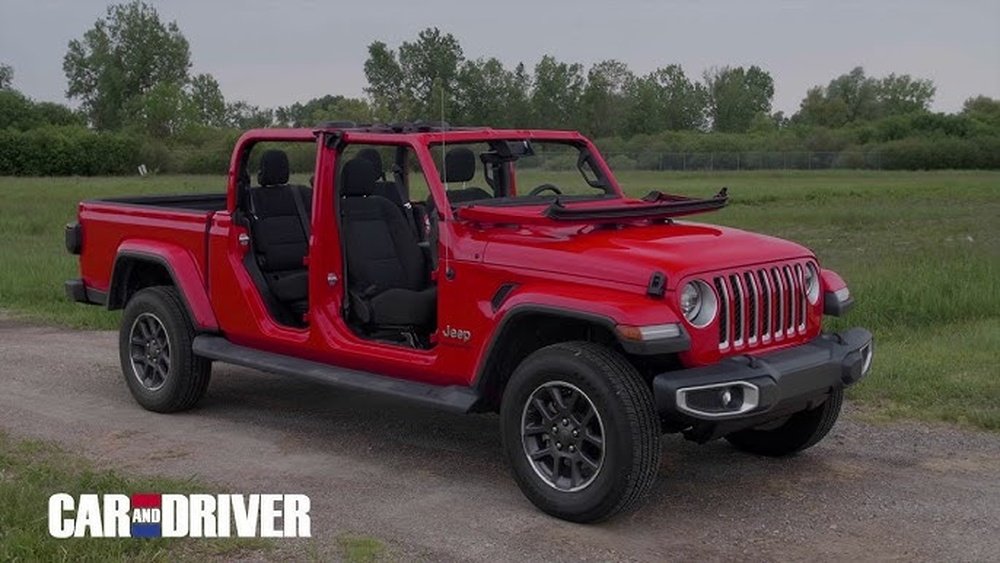
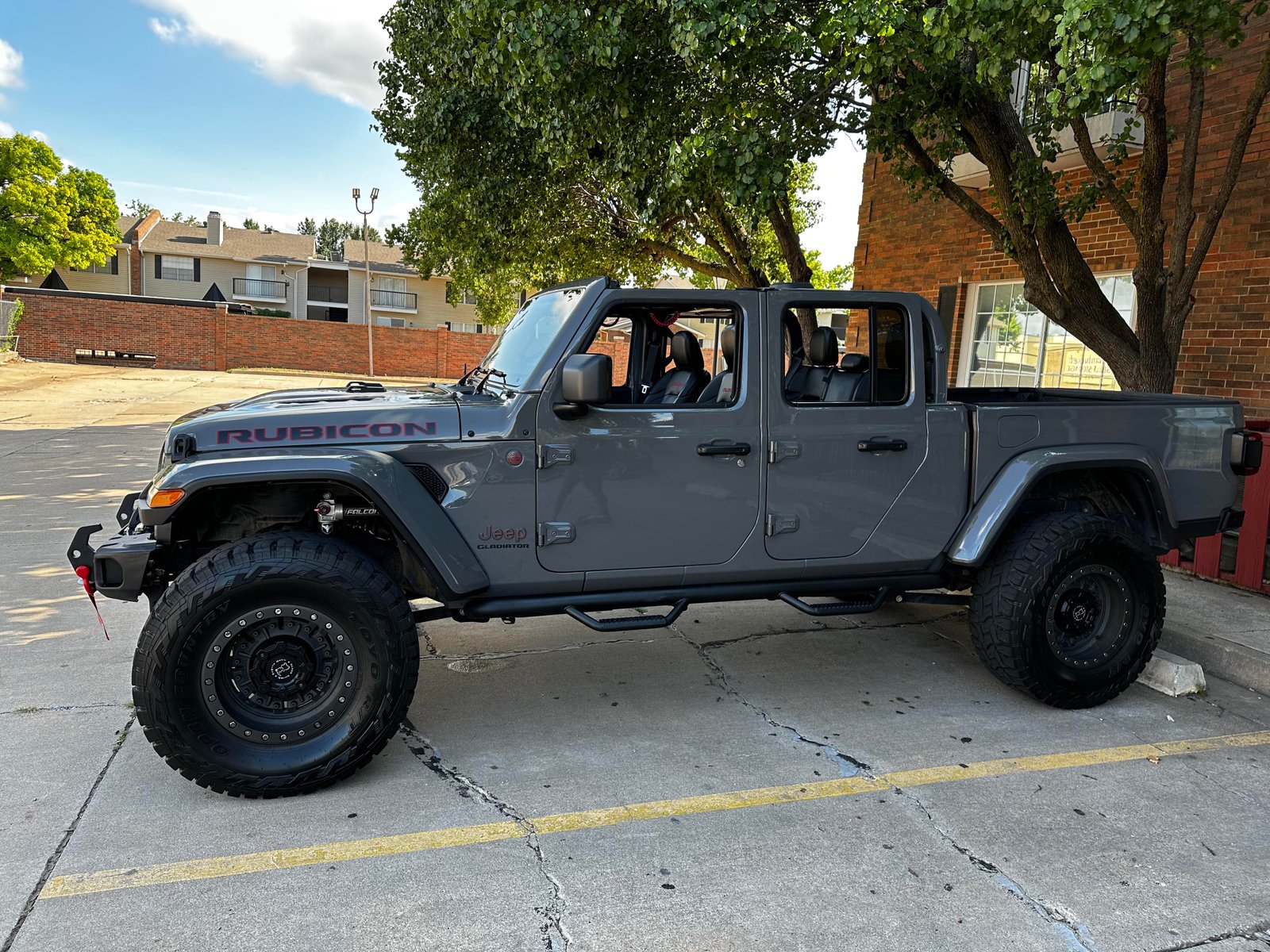
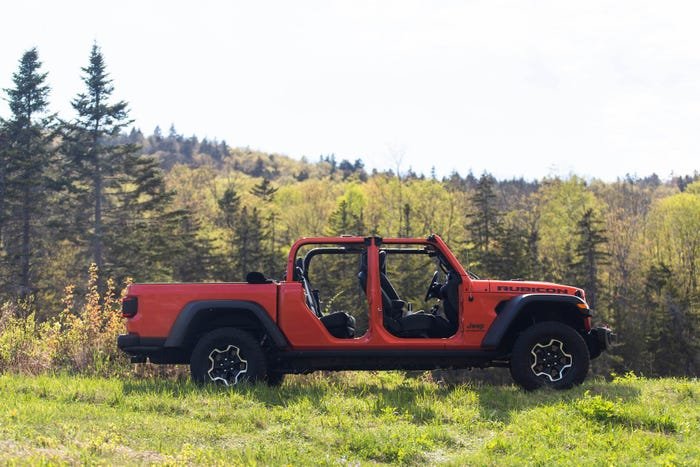
Removing the roof from your Jeep Gladiator is a great way to experience open-air driving and enjoy the outdoors. Many Gladiator owners love this feature, but if you’re new to Jeeps or unsure how to do it safely, this guide will help.
Taking the roof off is easier than most people expect, but knowing the right steps and tools is essential. If you follow the instructions below, you’ll avoid damage and enjoy your Gladiator in a whole new way.
Understanding Your Jeep Gladiator Roof
Before starting, it’s important to recognize the type of roof your Gladiator has. Most models come with the Freedom Top—a modular hardtop with removable panels. Some Gladiators have a soft top, which is easier to remove but less common.
| Roof Type | Ease of Removal | Tools Needed | Weather Protection |
|---|---|---|---|
| Hardtop (Freedom Top) | Moderate | Torx Tool Kit | Excellent |
| Soft Top | Easy | None | Good |
Knowing your roof type helps you prepare and gather the right tools. Most people have the hardtop, so this guide will focus on that.
Tools And Preparation
You don’t need many tools, but you do need the right ones:
- Torx bit set (usually size T40)
- Ratchet or screwdriver for Torx bits
- Storage bags for panels (often included with your Jeep)
- A friend (helpful for lifting the rear section)
- Clean workspace (avoid scratches)
Check your owner’s manual for tool sizes and safety tips. Make sure your Gladiator is parked on a flat surface and the roof is clean.
Step-by-step: Removing The Freedom Top
Here’s how to take off the hardtop roof in clear steps:
- Remove Front Panels (Freedom Panels)
- Unlock the sun visors and fold them down.
- Turn the four latches above the windshield.
- Remove the two Torx screws (one on each side) near the sun visors.
- Carefully lift out each panel and place them in the storage bags.
- Remove Rear Hardtop Section
- Open the rear doors and tailgate.
- Unscrew the six Torx bolts along the roof inside the cargo area.
- Disconnect the electrical connector and washer hose (located above the driver’s side rear seat). This step is easy to miss and can damage the roof if skipped.
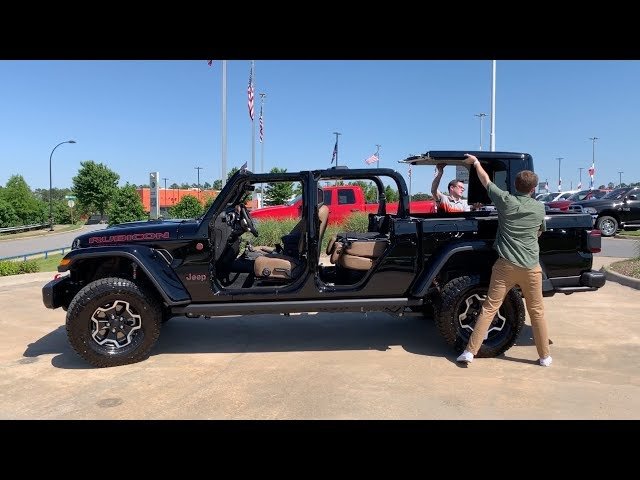
- With a friend, gently lift the rear hardtop up and away from the vehicle.
- Place the hardtop on a soft surface to avoid scratches.
| Panel | Bolts/Screws | Estimated Time |
|---|---|---|
| Freedom Panels | 2 screws | 5 minutes |
| Rear Hardtop | 6 bolts | 15-20 minutes |
Many beginners forget the electrical connector and washer hose. Not disconnecting these can break important parts and cost you money to repair.
Practical Tips For Safe Removal
- Always keep screws and bolts in a small container. Losing them makes reinstallation harder.
- Make sure you have enough space to store the roof sections. Hardtop pieces are heavy and can scratch easily.
- If you’re alone, don’t try to lift the rear section. It weighs over 80 pounds and needs two people.
- Avoid removing the roof in windy or rainy conditions. Water and dust can damage the interior.
Most owners recommend using Jeep’s storage bags or aftermarket covers to protect panels. If you plan to drive without the roof for long, consider buying a roll bar cover for extra safety.
Common Mistakes To Avoid
- Forgetting connectors: Always disconnect the washer hose and electrical plug before lifting the rear section.
- Using wrong tools: Torx bits must fit perfectly. Using the wrong size can strip bolts.
- Rushing: Take your time. Quick moves can crack panels or damage seals.
- Improper storage: Never stack panels on hard surfaces. They scratch easily.
- Ignoring weather: Check the forecast. Rain can ruin your seats and electronics.
| Mistake | Effect | How to Prevent |
|---|---|---|
| Skipped connector | Electrical damage | Double-check before lifting |
| Stripped bolts | Hard to reinstall | Use correct Torx size |
| Solo lifting | Possible injury | Have a helper |
A non-obvious tip: Many Gladiator owners keep a spare Torx bit in their glove box. This saves time if you lose your original tool.
Reinstalling The Roof
Putting the roof back is simple if you remember the steps. Start with the rear section, reconnect all hoses and plugs, and tighten all bolts.
Then fit the front panels and secure latches. Always check for leaks after reinstalling.
If you want detailed instructions, the official Jeep guide is very helpful: Jeep Gladiator Owner’s Guide.
Frequently Asked Questions
How Long Does It Take To Remove The Roof?
For most Gladiator owners, removing the roof takes 20–30 minutes. The first time may take longer as you learn the steps.
Can I Drive My Jeep Gladiator Without The Roof?
Yes, it’s safe to drive without the roof. However, you must follow local laws and use seat belts. It’s a good idea to cover the roll bars for extra protection.
Is It Possible To Remove The Roof Alone?
You can remove the front panels alone, but the rear section is heavy. It’s safest to ask a friend to help with lifting.
What Should I Do With The Roof Panels When Removed?
Store panels in the supplied Jeep bags or soft covers. Keep them off concrete or rough surfaces to avoid scratches.
Does Removing The Roof Void The Warranty?
No, removing the roof is a standard feature. If you follow instructions, your Jeep warranty stays valid.
Taking the roof off your Jeep Gladiator gives you a new driving experience and connects you to the outdoors. With careful steps, the right tools, and a little patience, you can safely enjoy open-air adventures.
Always remember to protect your panels, check connectors, and plan ahead for weather.
It’s a skill every Gladiator owner should know once you try it, you’ll see why so many people love Jeeps.