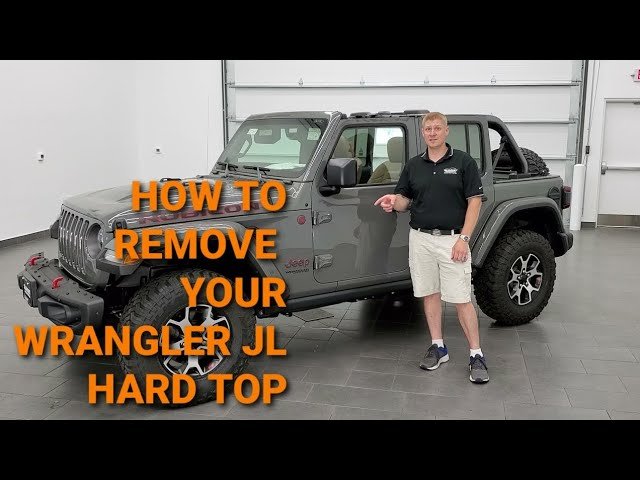
Ready to enjoy the open air and feel the wind while driving your Jeep? Knowing how to take off your Jeep top is the key to that freedom.
Whether you want to switch to a soft top, store your hardtop safely, or simply embrace the sunshine, removing your Jeep top is easier than you might think.
In this guide, you’ll discover clear, simple steps to take off your Jeep top quickly and safely.
No confusion, no frustration just straightforward instructions so you can get back to your adventure. Keep reading, and you’ll be lifting off your Jeep top like a pro in no time!
Removable Jeep Tops
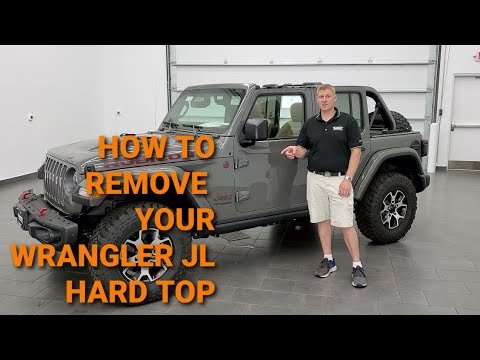
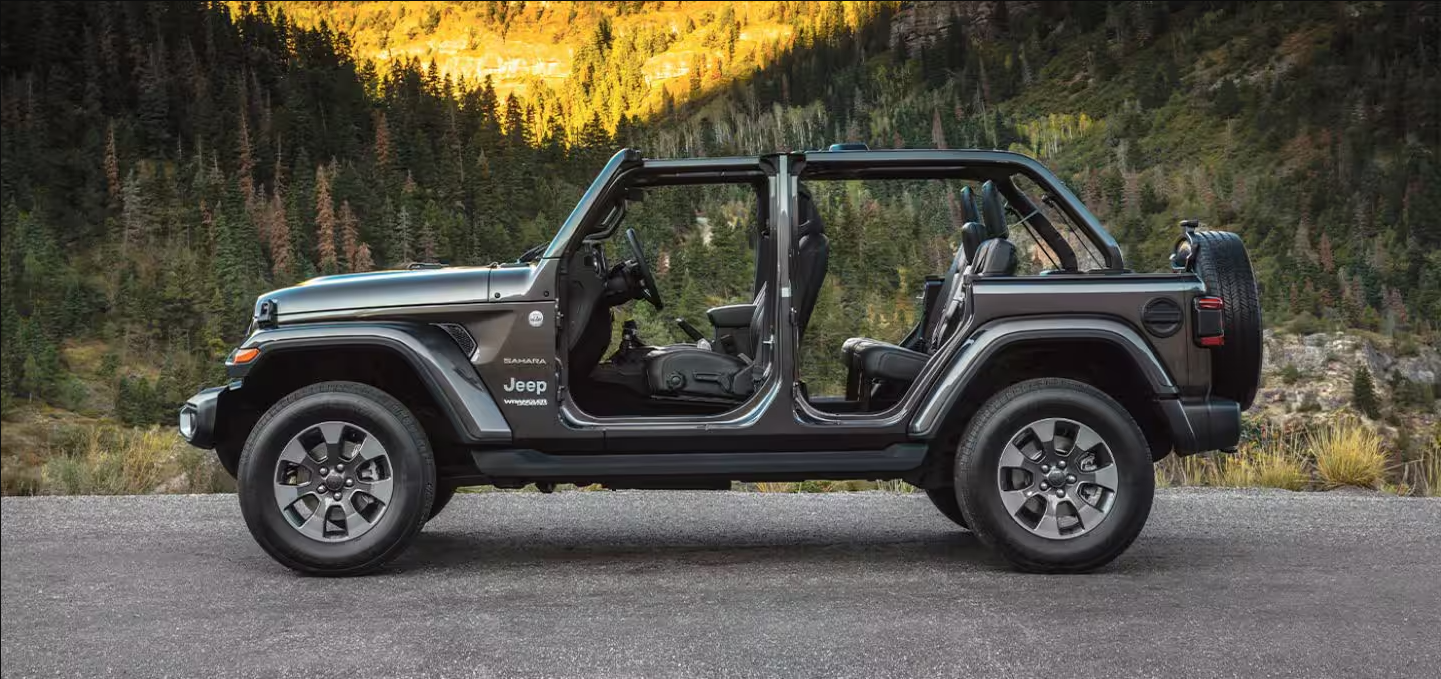
Removable Jeep tops offer great flexibility for drivers who enjoy open-air adventures. They let you switch between covered and uncovered driving quickly. This feature is especially popular among Jeep Wrangler owners. Removing the top allows fresh air and sunshine inside the vehicle. It also enhances the off-road experience by giving a better view of the surroundings. Understanding which tops can be removed and their features helps you handle your Jeep with ease.
Which Jeep Tops Can Be Removed
Most Jeep Wrangler models come with removable tops. These include hardtops and soft tops. Hardtops are made from solid materials like fiberglass or plastic. They provide better insulation and security. Soft tops are made from fabric or vinyl. They are lighter and easier to fold down.
Jeep offers three main top types: full hardtop, freedom panels, and soft tops. Freedom panels are small hard sections over the front seats. These panels can be taken off separately for a partial open-air feel. Full hardtops cover the entire cabin and can be removed in one piece. Soft tops can be folded back or removed completely for full exposure.
Key Features Of Wrangler Tops
Wrangler tops are designed for quick removal and installation. Hardtops usually have bolts that secure them to the body. Removing these bolts requires basic tools, like a wrench. Freedom panels have easy-to-use latches for simple removal. Soft tops often use straps and zippers, making them fast to fold or take off.
Both hard and soft tops provide weather protection. Hardtops offer better noise reduction and durability. Soft tops give more versatility and are lighter to handle. Jeep tops also come with optional windows that can be zipped or unzipped. This allows for customized ventilation and visibility.
Tools Needed
Before removing your Jeep top, gather the right tools. Having the correct equipment makes the job easier and safer. Some tools are necessary for all Jeep tops. Others help handle heavy parts smoothly. Knowing what to prepare saves time and effort.
Basic Tools For Removal
A socket wrench set is essential for loosening bolts. Standard sizes usually fit Jeep top bolts well. A screwdriver, either flathead or Phillips, helps with clips and screws. Pliers come in handy for removing pins and connectors. A small flashlight can reveal hidden fasteners in low light. Gloves protect your hands from sharp edges and dirt.
Optional Equipment For Easier Handling
A second person or helper makes lifting and removing the top safer. A soft blanket or foam pads prevent scratches on the Jeep and top. A set of tie-down straps can secure the top during removal or storage. If available, a lifting device or hoist reduces strain when handling heavier hardtops. Storing the top on a stand or rack keeps it safe and ready for reinstallation.
Pre-removal Steps
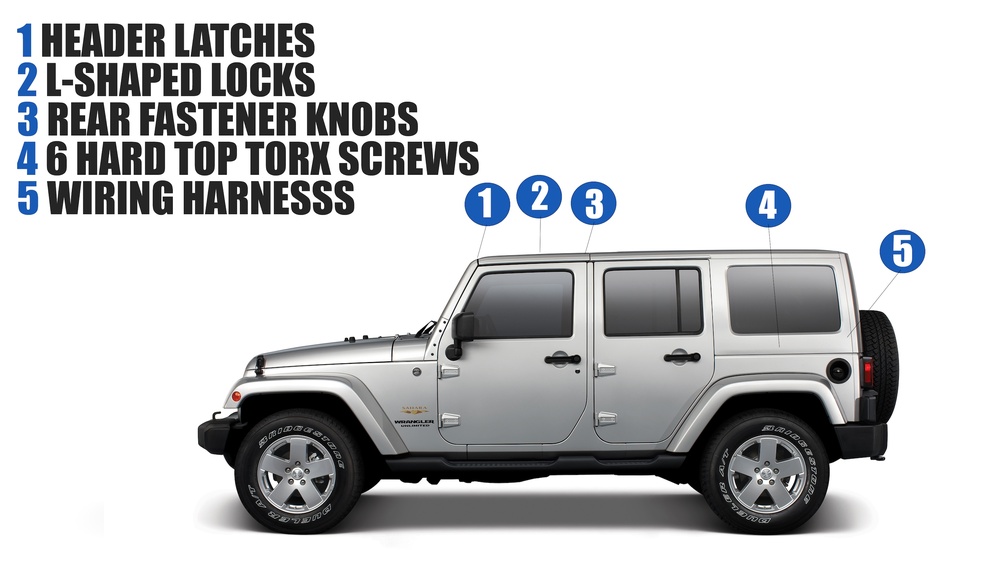
Before removing your Jeep top, complete some essential pre-removal steps. These ensure a smooth, safe process. Prepare your Jeep by lowering sun visors, unlocking L-shaped locks, and unlatching header latches. Each step helps free the top carefully and avoids damage.
Lowering Sun Visors
Start by lowering both sun visors inside your Jeep. This clears the area near the windshield. It prevents the visors from blocking or scratching the top during removal. Gently push each visor down until it rests flat against the windshield frame.
Unlocking L-shaped Locks
Locate the L-shaped locks on the front corners of the hardtop. These locks secure the top to the Jeep’s body. Turn each lock counterclockwise to find them. They usually require a firm but gentle twist. Unlocking these is important for detaching the top safely.
Unlatching Header Latches
Next, find the header latches along the front edge of the top. These latches hold the hardtop tightly against the windshield frame. Pull each latch upward or outward to release it. Make sure all header latches are fully unlatched before lifting the top.
Removing Freedom Panels
Removing the Freedom Panels is the first step in taking off your Jeep’s top. These panels sit above the driver and passenger seats. They come off easily with a few simple moves. Always remove the driver’s side panel first to avoid damage.
Each panel has latches that secure it to the Jeep frame. find these latches carefully. Once unlocked, lift the panel straight up and away. Keep the panel safe to prevent scratches or dents.
Driver’s Side First
Start with the driver’s side Freedom Panel. Locate the latches on the inside edge near the roll bar. Turn the latches to find them. Pull the panel up gently. It may feel snug, but it will come free with steady force. Set the panel aside on a soft surface.
Passenger Side Removal
Next, move to the passenger side Freedom Panel. Repeat the process: find the latches and lift the panel up. This panel is usually a bit easier to remove. Keep both panels in a safe place. This prevents damage and keeps them clean for reinstallation.
Disconnecting Rear Components
Disconnecting the rear components is a key step in removing your Jeep top. These parts connect the top to the vehicle and must be handled carefully. Proper disconnection prevents damage and makes removal easier. Follow each step to ensure a smooth process.
Opening Rear Swing Gate
Start by opening the rear swing gate fully. This gives you access to bolts and connections. Check for any locks or latches that keep the gate closed. Open the gate gently to avoid damage. Keep it open during the entire process.
Disconnecting Wiring Harness
Locate the wiring harness attached to the rear top. This harness powers the rear lights and defroster. Gently unplug the connectors by pressing the release tabs. Avoid pulling on the wires to prevent damage. Set the harness aside carefully.
Removing Washer Fluid Hose
Find the washer fluid hose connected near the rear window. This hose supplies fluid to the rear washer nozzle. Pinch the hose clamp and slide it off the connector. Slowly pull the hose free without stretching it. Keep the hose in a safe place for reinstallation.
Unscrewing Hardtop Bolts
Unscrewing the hardtop bolts is a key step in removing your Jeep’s hardtop. These bolts secure the top firmly to the vehicle. Taking them off carefully avoids damage to both your Jeep and the hardtop. Use the right tools and stay organized during this process. This makes reassembly easier and keeps all parts safe.
Locating Torx Screws
Most Jeep hardtop bolts are Torx screws. These screws have a star-shaped pattern. Find them around the edges of the hardtop. Check near the rear and sides of the top. Some bolts may be hidden under rubber seals or trim. Use a flashlight to see clearly in tight spots. Knowing their location saves time and effort.
Using Bolt Storage Bins
Keep bolts organized during removal using storage bins. Small bins or containers work best. Place bolts from each section in separate bins. Label bins to remember bolt locations easily. This practice prevents bolts from getting lost or mixed up. A simple step that saves headaches later.
Lifting Off The Hardtop
Lifting off the hardtop from your Jeep is a task that requires care and teamwork. The hardtop is heavy and bulky, so proper handling is key to avoid damage or injury. Prepare your Jeep by unlatching all locks and disconnecting any electrical connections before attempting to lift.
Work with a partner to lift the hardtop evenly and smoothly. Clear the area around the Jeep to make space for the top to come off without obstruction. Handle the top with confidence but gently to maintain control throughout the process.
Team Lift Technique
Use two people for lifting the hardtop safely. Stand on opposite sides of the Jeep, each gripping the top firmly. Communicate clearly before lifting to coordinate your movements. Lift straight up using your legs, not your back, to prevent strain.
Keep the top level while lifting to avoid catching on the Jeep’s body. Move slowly and steadily, maintaining balance between both lifters. Set the hardtop down on a soft surface or storage rack to protect it from scratches and dents.
Clearing The Roll Bar
Before lifting, check the roll bar for any obstacles. The hardtop needs to clear the roll bar as it comes off. Remove or adjust any accessories attached to the roll bar that may block the top’s path.
Lift the hardtop carefully over the roll bar, ensuring it does not catch or scrape. Take extra care if the roll bar is close to the roof line. Clearing the roll bar properly prevents damage to both the hardtop and the Jeep’s interior.
Storing The Hardtop
Storing the hardtop correctly keeps it safe and ready for future use. Hardtops are heavy and fragile. Proper storage prevents damage and makes handling easier. Choose a spot that is dry and clean to avoid rust or mold. Protect the surface from scratches and dents by using soft coverings or blankets. Avoid stacking heavy items on top of the hardtop to maintain its shape.
Safe Storage Tips
Place the hardtop on a flat, sturdy surface to avoid warping. Use foam or rubber padding underneath to cushion it. Cover the hardtop with a breathable cover to prevent dust buildup. Store it indoors or in a covered area to protect from weather. Check the stored hardtop regularly for any signs of damage or moisture.
Using Hoists And Carts
Hoists and carts make moving the hardtop simpler and safer. A hoist lifts the hardtop off the ground, reducing strain on your back. Secure the hardtop with straps before lifting to prevent falls. Use a cart designed for Jeep hardtops to transport it easily. Lock the cart wheels when stationary to keep the hardtop stable. These tools help avoid damage and make storage more convenient.
Soft Top Alternatives
Soft tops offer Jeep owners flexibility and an open-air driving experience. Many Jeep owners explore soft top alternatives for easier handling and different styles. These options vary in material, design, and installation process. Understanding these alternatives helps you pick the right fit for your Jeep and lifestyle.
Soft top alternatives can range from simple fold-back designs to more complex roll-up or removable panels. Each type changes how you remove and store the top. This affects your Jeep’s look and ease of use.
Folding Mechanism Differences
Soft tops use various folding mechanisms. Some fold neatly toward the rear, while others roll up or fold into sections. Knowing your top’s folding style helps you remove it faster. Folding designs affect how much space the top occupies when off. Some fold flat, making storage easier. Others require more careful handling to avoid damage. Different mechanisms also change how many steps you must follow to take the top off.
Owner’s Manual Guidance
The owner’s manual is a key resource for removing any Jeep top safely. It provides specific instructions tailored to your model and top type. Manuals include diagrams and safety tips to prevent damage. Following manual guidance ensures you avoid common mistakes. It also helps protect your Jeep’s hardware and seals. Keep the manual handy during removal and installation to ensure smooth handling.
<!– wp:rank-math/faq-block {"questions":[{"id":"faq-question-5670b64a94b5","title":"Can All Jeep Tops Be Removed?","content":"
Most Jeep Wrangler tops, including hard and soft tops, can be removed for open-air driving. Some models may have fixed tops.
“,”visible”:true},{“id”:”faq-question-f2c2c6c72936″,”title”:”Are All Jeep Hardtops Removable?”,”content”:”Most Jeep hardtops, especially on Wranglers, are removable. Some Jeep models have fixed tops that cannot be removed.
“,”visible”:true},{“id”:”faq-question-fa509c978acc”,”title”:”Does The Jeep Wrangler Roof Come Off?”,”content”:”Yes, the Jeep Wrangler roof comes off easily. Remove latches, unscrew bolts, disconnect wiring, then lift the top off with help.
“,”visible”:true},{“id”:”faq-question-4f21263711a3″,”title”:”What Tools Do You Need To Remove A Jeep Hardtop?”,”content”:”To remove a Jeep hardtop, you need a Torx screwdriver, a helper, and basic hand tools. Disconnect wiring and washer hose carefully.
“,”visible”:true}]} –>Can All Jeep Tops Be Removed?
Most Jeep Wrangler tops, including hard and soft tops, can be removed for open-air driving. Some models may have fixed tops.
Are All Jeep Hardtops Removable?
Most Jeep hardtops, especially on Wranglers, are removable. Some Jeep models have fixed tops that cannot be removed.
Does The Jeep Wrangler Roof Come Off?
Yes, the Jeep Wrangler roof comes off easily. Remove latches, unscrew bolts, disconnect wiring, then lift the top off with help.
What Tools Do You Need To Remove A Jeep Hardtop?
To remove a Jeep hardtop, you need a Torx screwdriver, a helper, and basic hand tools. Disconnect wiring and washer hose carefully.
Conclusion
Removing your Jeep top is easier than it seems. Follow each step carefully and stay safe.
Always have a helper nearby to lift the hardtop. Keep all bolts and clips in a safe place. Practice makes the process faster and smoother.
Enjoy the open-air drive once your top is off. This simple task boosts your Jeep's versatility and fun.
Now, you can enjoy the freedom of a topless Jeep ride anytime.