Taking off your Jeep antenna may sound simple, but it’s easy to run into trouble if you don’t follow the right steps.
Whether you want to replace your antenna, install a stubby version for off-roading, or just remove it for cleaning, knowing the proper technique can save you from damaging your Jeep or the antenna itself.
Many Jeep owners don’t realize that removing the antenna is quick, often requires no special tools, and can help prevent expensive repairs caused by forced removal.
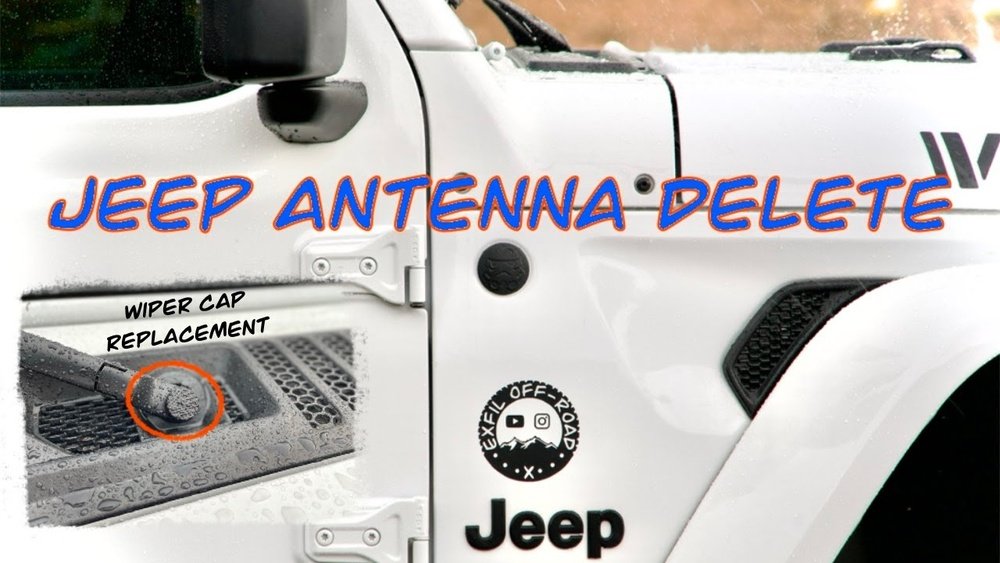
In this guide, you’ll learn how to take off your Jeep antenna safely, what tools you might need, and practical tips that even experienced drivers sometimes miss.
Understanding Jeep Antenna Types
Before you start, it’s important to know which antenna type is on your Jeep. Most modern Jeeps, like the Wrangler and Gladiator, use a screw-on whip antenna. Older models may have fixed antennas or even powered ones. Here’s a quick comparison:
| Jeep Model | Common Antenna Type | Removal Difficulty |
|---|---|---|
| Wrangler (JK/JL) | Screw-on Whip | Easy |
| Gladiator | Screw-on Whip | Easy |
| Grand Cherokee | Fixed Mast | Medium |
| Older Cherokee | Powered/Fixed | Hard |
If you’re not sure which type you have, check your Jeep’s manual or search your model online. Most antennas removed in this guide are screw-on, but the principles are similar for other types.
Tools You May Need
Most Jeep antennas can be removed by hand, but sometimes you need a wrench or pliers if it’s stuck. Here are the tools that help:
- Adjustable wrench (for tight antennas)
- Soft cloth (to prevent scratches)
- WD-40 or similar lubricant (if corroded)
- Gloves (for better grip)
Never use excessive force. Jeep antenna bases are often made of softer metal, which can strip easily.
Step-by-step: How To Take Off Jeep Antenna
1. Park And Turn Off Jeep
Make sure your Jeep is parked safely and turned off. Removing the antenna with the Jeep running can interfere with radio connections.
2. Locate The Antenna Base
Most Jeep antennas are found on the passenger side, near the windshield. The base is usually a round metal or plastic mount.
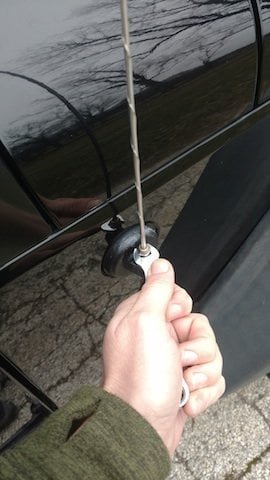
3. Unscrew The Antenna
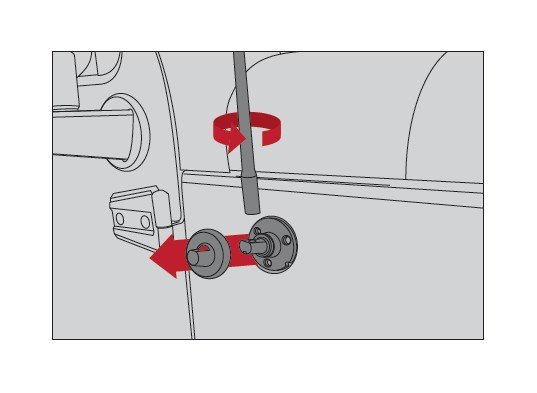
Grip the antenna near its base. Turn it counterclockwise (left) to loosen.
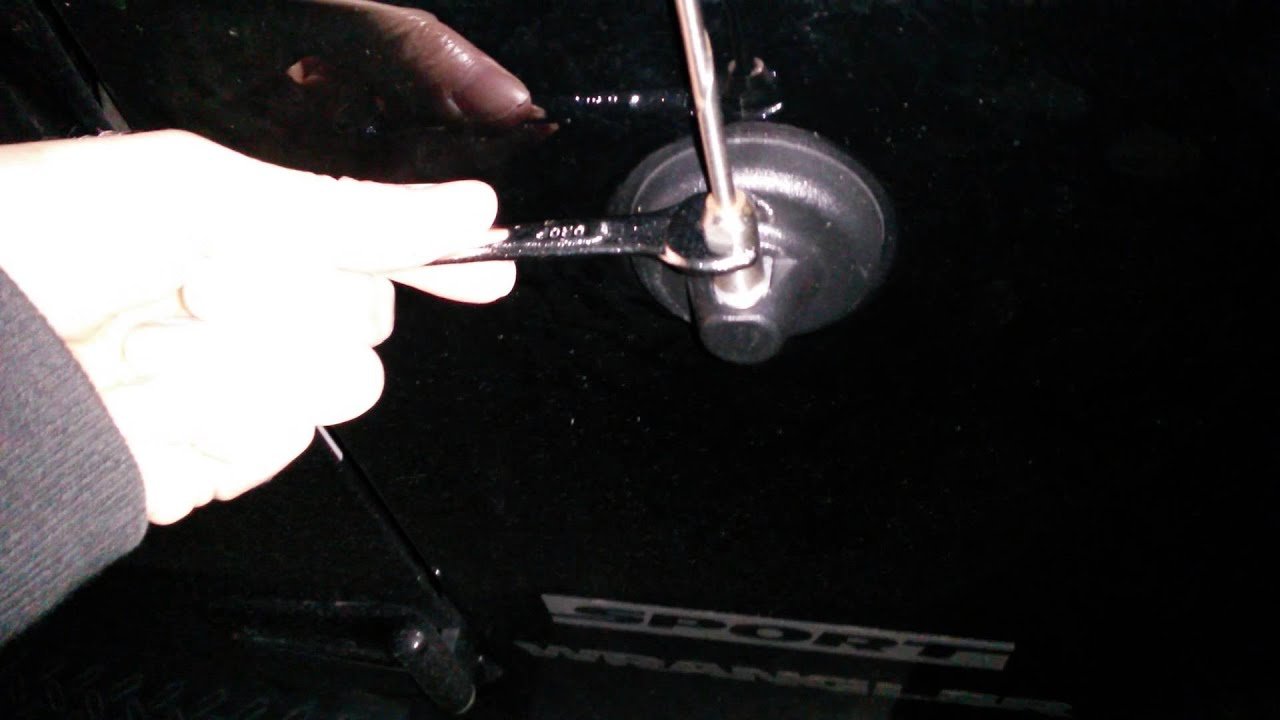
If it’s tight, wrap a soft cloth around it and use an adjustable wrench. Don’t squeeze too hard pressure can crack the plastic or bend the metal.
4. Remove The Antenna
Once loose, pull the antenna straight out. Some antennas have a washer or gasket.
Don’t lose these; they help seal the base against water.
5. Inspect The Base
Check for dirt, rust, or corrosion. Clean the area with a damp cloth.
If you see rust, a small amount of WD-40 can help remove it.
6. Store Or Replace Antenna
If you’re not putting the antenna back right away, store it in a dry place. If you’re replacing it, screw the new antenna in clockwise (right) until snug.
Common Mistakes To Avoid
Many beginners make errors that can cost time and money. Here are some pitfalls:
- Using too much force: This often strips threads or breaks the base.
- Forgetting the washer: Missing washers lead to leaks.
- Not cleaning rust: Corrosion spreads quickly if ignored.
- Not checking radio reception after replacement: Test your radio before finishing.
Reasons To Remove Your Jeep Antenna
There are several practical reasons for taking off your Jeep antenna:
- Off-roading: Tall antennas can snag on branches and obstacles.
- Car washes: Automatic brushes can bend or break antennas.
- Upgrading: Many Jeep owners switch to stubby or flexible antennas for style and durability.
- Maintenance: Cleaning or checking for rust prevents bigger problems.
Some Jeep owners also remove the antenna before parking in tight garages to avoid bending it.
Jeep Antenna Removal Vs. Replacement
If you’re thinking about replacing your antenna, it’s useful to know how removal compares to full replacement. Here’s a breakdown:
| Task | Time Required | Tools Needed | Risk Level |
|---|---|---|---|
| Removal Only | 5 minutes | Hand, wrench (optional) | Low |
| Replacement | 10-20 minutes | Wrench, pliers, cleaner | Medium |
For most Jeep owners, removing the antenna is a quick job. Replacement takes longer, especially if you’re upgrading or fixing a damaged base.
Practical Tips For Jeep Antenna Removal
- Always use a soft cloth between the tool and antenna to avoid scratches.
- If the antenna is stuck, spray WD-40 and wait 5 minutes before trying again.
- Keep the base threads clean for best radio reception.
- When installing a new antenna, don’t overtighten—it can damage the base.
- If you lose the washer, replacements are easy to find at auto parts stores.
Many Jeep owners forget to test their radio after installation. Make sure your favorite station comes in clear before you finish.
Frequently Asked Questions
How Often Should I Remove Or Check My Jeep Antenna?
You should check your Jeep antenna every few months, especially if you drive off-road or use automatic car washes. Regular checks prevent rust and damage.
Can I Remove The Antenna Without Any Tools?
Most modern Jeep antennas can be unscrewed by hand. Only use tools if the antenna is corroded or very tight.
Always use a soft cloth with tools to protect the finish.
Does Removing The Antenna Affect My Radio Reception?
Yes, removing the antenna will reduce radio reception. If you plan to drive without an antenna, expect weaker signals. Always test your radio after reinstalling.
Is It Safe To Drive Without The Antenna?
You can drive without the antenna, but your radio won’t work as well. If you use navigation or other features that rely on radio signals, keep the antenna installed.
Where Can I Buy Replacement Jeep Antennas?
You can find replacement antennas at auto parts stores, online retailers, or Jeep dealerships. For reliable reviews and options, check sites like Consumer Reports.
Removing your Jeep antenna is simple, but doing it the right way prevents damage and keeps your radio working well. By following the steps above, you’ll have a trouble-free experience and keep your Jeep in top condition.
Remember, a little care goes a long way so check your antenna regularly and don’t rush the process.