Many Jeep owners enjoy the sense of adventure their vehicles bring. But when it comes to maintenance, even simple tasks like removing windshield wipers can feel confusing.
Whether you need to replace worn-out blades or access the windshield for cleaning, knowing how to take Jeep windshield wipers off is an essential skill. This guide will walk you through the process step by step, highlight the differences between Jeep models, and share practical tips most beginners overlook.
Understanding Jeep Windshield Wiper Systems
Jeep vehicles use different wiper arm designs depending on the model and year. Most modern Jeeps, like the Wrangler JL or Gladiator, use a hook-type or pin-type connection. Older models, like certain Cherokee or TJ Wranglers, may use a bayonet or side-lock system. Identifying the right type is important for safe removal.
Here’s a quick comparison of common Jeep wiper arm types:
| Jeep Model | Wiper Arm Type | Typical Blade Length |
|---|---|---|
| Wrangler JL (2018+) | Hook-type | 15-16 inches |
| Cherokee XJ (1984-2001) | Pin-type | 18-20 inches |
| Gladiator JT (2020+) | Hook-type | 15 inches |
Most Jeep wipers are removed by hand, but using the wrong force or tool can damage the arm or the glass.
Tools And Preparation
Before starting, gather the right tools. Most Jeep wipers can be removed without any tools, but having a small flat-head screwdriver and a soft towel on hand helps protect the glass and makes removal easier.
- Screwdriver (for stubborn clips or tabs)
- Towel or rag (to cover the windshield)
- Gloves (optional, for grip and safety)
Pro tip: Park your Jeep on a flat surface and turn off the ignition. Always set the wipers in the “off” position so they stop at the bottom of the windshield.

Step-by-step: How To Remove Jeep Windshield Wipers
Follow these steps to safely remove your Jeep’s wiper blades.
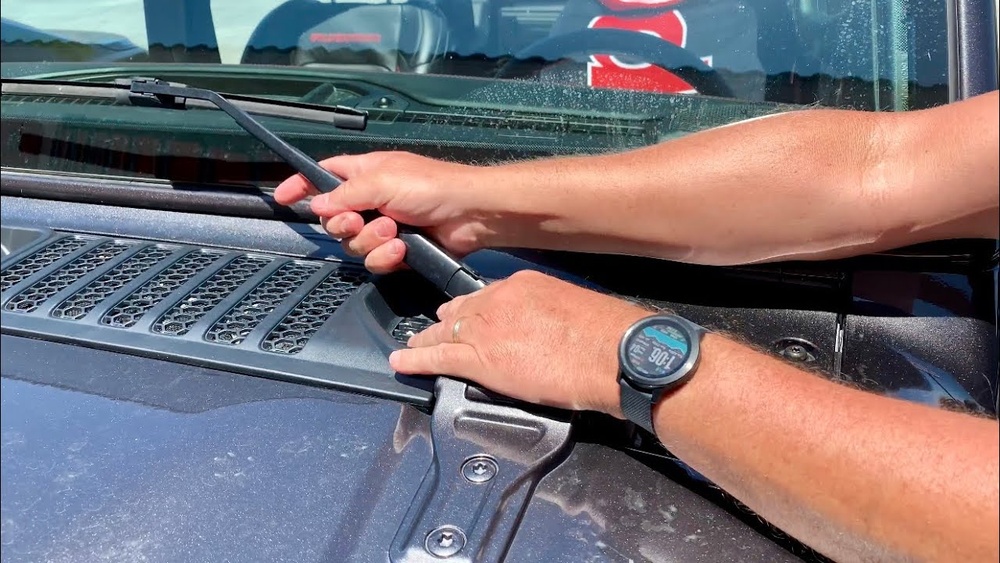
1. Lift The Wiper Arm
Gently pull the wiper arm away from the windshield until it stands upright. Be careful—the arm is spring-loaded. If it snaps back, it can crack the glass.
2. Identify The Connector Type
Check where the blade attaches to the arm. You’ll see a small tab, button, or clip. Here’s how the main types differ:
| Connector Type | Release Method | Common Jeep Models |
|---|---|---|
| Hook | Press tab and slide out | Wrangler JL, Gladiator JT |
| Pin | Lift small lock with screwdriver | Cherokee XJ |
| Bayonet | Press and pull straight off | Older Wranglers |
3. Release The Blade
- For hook-type arms: Press the small tab under the blade, then slide the blade down to unhook it.
- For pin-type: Use a small screwdriver to gently lift the locking tab, then slide the blade off the pin.
- For bayonet: Press the side button, then pull the blade straight out.
If the blade feels stuck, wiggle it gently while holding the arm steady.
4. Remove The Blade
Once released, slide the blade off the arm. Place a towel on the windshield before letting the wiper arm go it can snap back and crack the glass.
5. Inspect And Clean
Before installing a new blade, check the wiper arm for rust or bent metal. Wipe away any dirt or debris.
Common Mistakes To Avoid
Many Jeep owners make small errors that can lead to bigger problems. Here’s what to watch out for:
- Letting the wiper arm snap back – This often cracks the windshield.
- Forcing the blade – If it doesn’t slide off easily, check the connector again.
- Mixing up blade sizes – Left and right wipers may use different lengths. Double-check before buying new ones.
- Losing the adapter – Some new blades come with adapters; keep these in case you need to switch back.

Special Notes For Different Jeep Models
Not all Jeeps are the same. Here are some quick facts for popular models:
- Wrangler JL/JT: Both use hook-type connectors. Removal is straightforward.
- Cherokee XJ: Uses a pin-type connection. A flat-head screwdriver helps with the small tab.
- Older Wranglers (TJ/YJ): May have bayonet or side-lock arms. These require a bit more force to slide off.
If your Jeep has a rear wiper (like the Grand Cherokee), the removal process is similar but the blade is often smaller.
Installing New Wiper Blades
After removing the old blade, installation is simply the reverse process:
- Align the new blade with the arm.
- Slide it into the connector until it clicks.
- Gently lower the arm back onto the windshield.
Always test the new blades with washer fluid to make sure they work smoothly.
When Should You Replace Jeep Wiper Blades?
Worn wipers can be dangerous, especially off-road or in heavy rain. Most experts recommend changing wiper blades every 6-12 months. Signs you need new ones include:
- Streaks or missed spots on the glass
- Squeaking or chattering sounds
- Cracked or split rubber
If you drive in harsh weather or dusty areas, check your wipers more often.
Pro Tips For Jeep Owners
Many Jeep owners only replace wipers when they fail. Here are two insights most people miss:
- Use OEM or high-quality blades. Cheap blades wear out faster, especially with Jeep’s upright windshields.
- Keep spare blades in your Jeep during road trips. Sudden weather changes can make a quick swap necessary, especially on trails.
For more about Jeep maintenance, check the Jeep Wrangler Wikipedia page.

Frequently Asked Questions
How Do I Know Which Wiper Blade Size Fits My Jeep?
Check your Jeep’s manual or measure the existing blade. Most Wranglers use 15 to 16-inch blades, but sizes vary by year and model.
Can I Use Any Wiper Blade Brand On My Jeep?
You can use most brands as long as the connection type and blade length match. OEM blades are recommended for best performance.
What Should I Do If The Wiper Arm Feels Stuck?
Spray a little lubricant at the joint and wiggle gently. Avoid using too much force, which can bend the arm.
Is It Safe To Drive With Damaged Wiper Blades?
No. Damaged blades can reduce visibility, especially in rain or snow.
Replace them as soon as you notice streaking or noise.
How Often Should Jeep Wiper Blades Be Replaced?
Replace them every 6-12 months, or sooner if you drive in harsh conditions. Regular checks can prevent sudden failures.
Knowing how to take Jeep windshield wipers off helps keep your vehicle safe and ready for any adventure. With these steps and tips, you can handle this maintenance task confidently no matter what model you drive.