Removing seats from your Jeep is not just about making space. It’s a practical skill for cleaning, repairs, or customizing your vehicle.
Whether you drive a Jeep Wrangler, Cherokee, or Gladiator, learning how to take out the seats safely can help you with everything from deep cleaning to installing new gear. Many owners skip this step, thinking it’s complicated—but it’s surprisingly manageable with the right tools and guidance.
Tools And Preparation
Before you start, gather the essential tools. Most Jeep seats require:
- Socket wrench set (commonly 13mm, 15mm, or 18mm sockets)
- Screwdriver (flathead or Phillips, depending on your model)
- Torx bits (for newer models)
- Gloves for protection
Check your Jeep’s manual for the exact sizes. Make sure your vehicle is parked on a flat surface, and disconnect the battery if your seats have electrical connections (like airbags or seat heaters). This step prevents accidental deployment and protects your electronics.
Step-by-step Guide To Removing Jeep Seats
1. Locate Seat Bolts
Most Jeeps have four main bolts holding each seat. These bolts are usually located at the corners of the seat base. Some models have covers over these bolts—remove them gently with a screwdriver.
2. Disconnect Electrical Connections
If your seat has wires underneath, find the connectors. Press the release tabs and gently unplug them. Don’t pull the wires directly; this can damage the connectors.
3. Remove The Bolts
Using your socket wrench, unscrew each bolt. It’s best to loosen all bolts first, then remove them completely.
Keep the bolts somewhere safe if you plan to reinstall the seats.
4. Lift Out The Seat
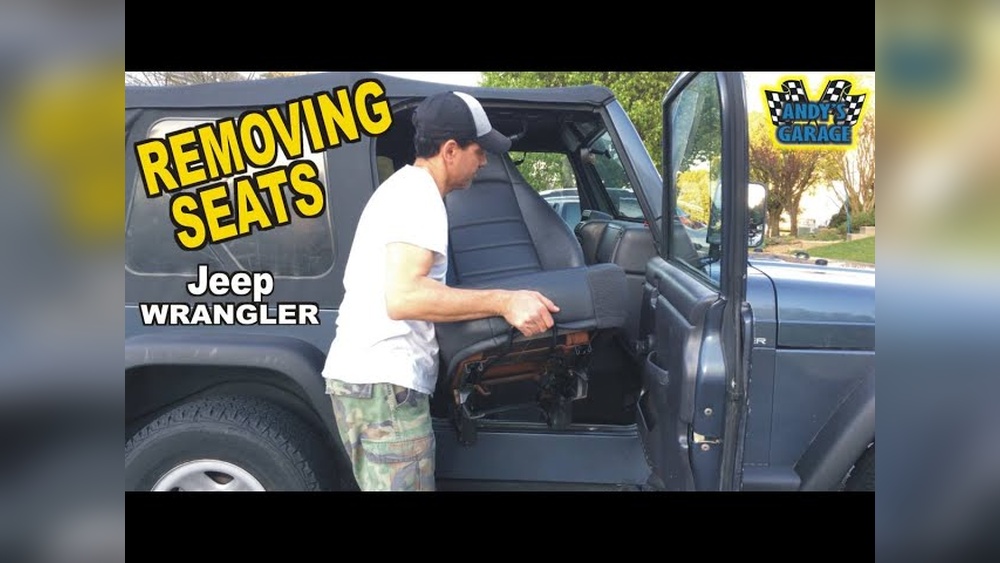
Seats can be heavy and awkward to handle. Hold the seat firmly at both ends and lift it straight up.
If you feel resistance, check for missed bolts or connectors.
Some Jeep models (like the newer Wranglers) have extra clips or brackets. Look carefully around the seat base and sides. Refer to your manual if you’re unsure.
6. Repeat For Rear Seats
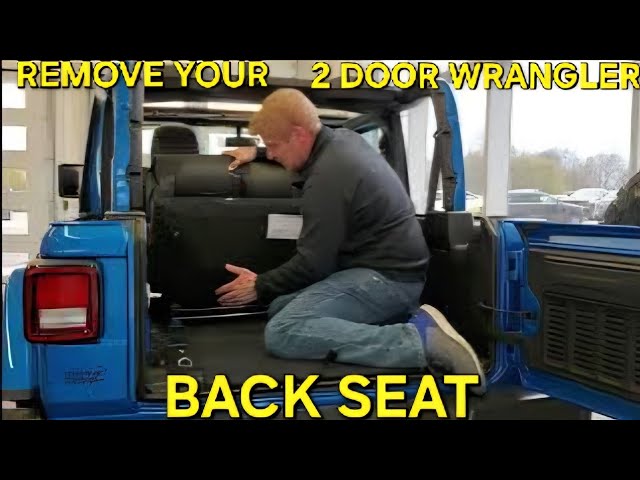
Rear seats often have a different mounting method. For example, bench seats may fold up and have brackets underneath.
Remove any visible bolts, and slide the seat out carefully.

Jeep Seat Removal: Model Differences
Jeep seats are not all built the same. Here’s a quick comparison of seat removal for three popular models:
| Jeep Model | Front Seat Bolts | Rear Seat Mounting | Electrical Connections |
|---|---|---|---|
| Wrangler (JK) | 4 bolts, Torx | Bracket + bolts | Airbag, sensors |
| Cherokee | 4 bolts, hex | Slide brackets | Heated seats |
| Gladiator | 4 bolts, Torx | Flip-up bench | Airbag, USB |
Some beginners miss hidden fasteners or electrical connections, which can cause damage. Always double-check before lifting the seat.
Practical Tips For Smooth Seat Removal
- Label connectors with tape if you’re removing multiple seats. This prevents confusion during reinstallation.
- For seats with airbags, wait at least 10 minutes after disconnecting the battery before touching wires.
- Clean the area under the seat after removal. Jeep interiors often collect debris and rust in these spots.
- If bolts are stuck, spray them with penetrating oil and wait a few minutes.
Common Mistakes To Avoid
Many Jeep owners make these errors:
- Skipping battery disconnect – This can trigger airbags or damage sensors.
- Losing bolts – Always store bolts in a bag or container.
- Forcing connectors – Pulling too hard can break clips and connectors.
- Ignoring hidden fasteners – Not all bolts are visible at first glance.
Here’s a quick comparison of mistakes and their consequences:
| Mistake | Consequence |
|---|---|
| Not disconnecting battery | Airbag deployment, electrical damage |
| Losing bolts | Cannot reinstall seat, extra cost |
| Breaking connectors | Wiring issues, expensive repairs |
| Missing fasteners | Seat won’t come out, wasted time |
Reinstallation Advice
When you’re ready to put seats back in, reverse the removal steps. Connect all wires, tighten bolts securely, and test seat movement.
For seats with sensors, check for warning lights after reconnecting the battery. If you see any, recheck your connections.
Benefits Of Removing Jeep Seats
Taking out your seats gives you more than just extra space. You can:
- Clean hard-to-reach areas
- Transport large items (like bikes or camping gear)
- Inspect for rust or mechanical issues
- Upgrade to custom or aftermarket seats
Some Jeep owners remove seats for off-roading, making room for equipment or storage.
Useful Data: Time And Difficulty
Most Jeep seat removals take 20–40 minutes per seat. Rear seats can be faster, but electrical connections may add time. Here’s a breakdown:
| Seat Type | Average Removal Time | Difficulty Level |
|---|---|---|
| Front (manual) | 20 min | Easy |
| Front (electric) | 35 min | Moderate |
| Rear bench | 25 min | Easy |
If you’re unsure about your Jeep’s wiring, check the official Jeep website or consult a mechanic.

Frequently Asked Questions
How Do I Know If My Jeep Seats Have Airbags Or Sensors?
Look for warning labels on the seat or check your owner’s manual. Most newer Jeeps have airbags or sensors in the seats. If you see wires underneath, assume there are connections.
Can I Remove Jeep Seats Alone?
Yes, but Jeep seats can be heavy. If you’re removing both front seats, ask a friend for help. Use proper lifting technique to avoid injury.
Is It Safe To Drive Without Seats?
It’s not legal or safe to drive without the main seats. Only move your Jeep for repairs or cleaning, not for regular driving.
Will Removing Seats Affect My Warranty?
Usually, seat removal for cleaning or repairs does not void your warranty. However, damage to electrical systems or airbags may not be covered. Check your warranty details or ask your dealer.
Where Can I Find Detailed Instructions For My Jeep Model?
Visit the official Jeep website or use resources like Jeep Owner’s Manuals for model-specific guides.
Removing Jeep seats is easier than most people think. With the right tools and care, you can make your Jeep more flexible for cleaning, upgrades, or adventure.
Always double-check your connections and bolts to avoid mistakes, and enjoy the extra space and possibilities your Jeep offers.