Strapping a kayak to a Jeep Wrangler isn’t just about keeping your gear safe—it’s about making sure you and others stay safe on the road. Jeep Wranglers are a popular choice for outdoor lovers because of their rugged build and versatile roof options. But their unique design means you need to pay extra attention when transporting a kayak. Let’s walk through the process, share practical tips, and help you avoid common mistakes so your next adventure starts smoothly.
Understanding Your Jeep Wrangler’s Roof Setup
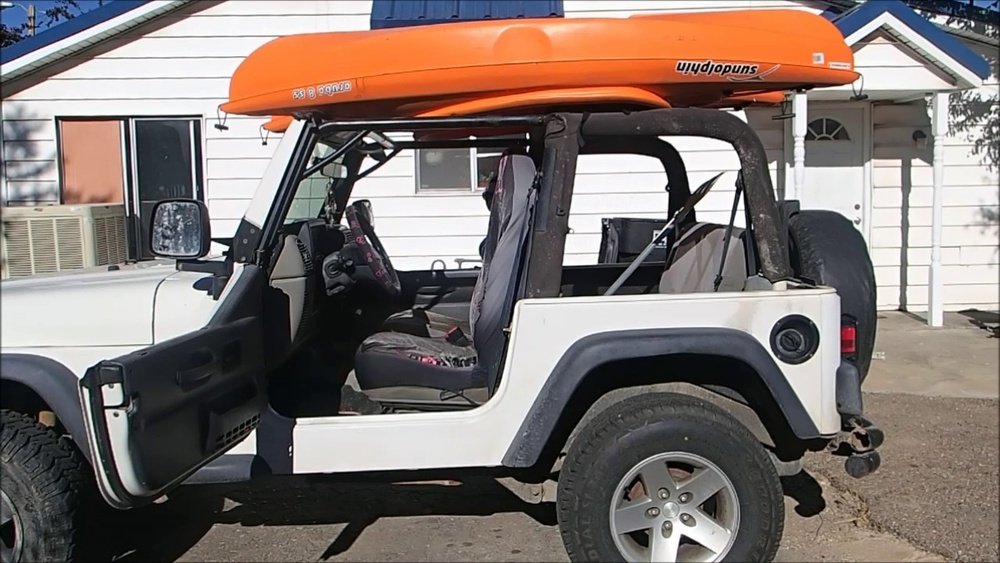
Before you begin, it’s important to know what kind of roof your Jeep Wrangler has. There are three main types: hardtop, soft top, and topless. Each affects how you strap a kayak.
| Roof Type | Strapping Difficulty | Best Rack Option |
|---|---|---|
| Hardtop | Easy | Roof rack |
| Soft Top | Moderate | External rack (door-frame mounted) |
| Topless | Challenging | Hitch-mounted rack |
A hardtop is the simplest for mounting a kayak rack. Soft tops can bend, so you need racks that attach to the frame, not the roof. Driving without a roof? You’ll need creative solutions, like a hitch rack.
Choosing The Right Kayak Rack And Straps
Not all racks and straps are equal. Picking the right gear ensures safety and protects your Jeep and kayak.
| Rack Type | Kayak Capacity | Average Price (USD) |
|---|---|---|
| Crossbar rack | 1-2 | $150-$400 |
| J-cradle rack | 1 | $120-$300 |
| Hitch rack | 1-2 | $200-$600 |
For straps, always use cam buckle straps or ratchet straps. Avoid ropes, as they can slip or damage your kayak. Cam buckle straps are easier for beginners—ratchet straps can overtighten.

Step-by-step Guide: Strapping Your Kayak Safely
- Set up your rack: Install the rack tightly. Check that all bolts and clamps are secure.
- Lift the kayak: With help, place the kayak on the rack. Position it hull-down for stability.
- Align the kayak: Center the kayak on the rack. Overhang should be minimal—ideally less than 18 inches per end.
- Attach the straps: Loop the straps over the kayak and under the crossbars. Make sure the straps lie flat; twists can weaken them.
- Tighten the straps: Pull straps snug, but not overly tight. The kayak should not move if you push it.
- Secure bow and stern: Use extra straps to tie the front (bow) and back (stern) to your Jeep’s bumpers or tow hooks.
- Check your work: Shake the kayak gently. If it shifts, tighten the straps.
- Drive test: Before a long trip, drive slowly and listen for rattling. Stop and re-check after 15 minutes.
Example: Hardtop Wrangler With Crossbar Rack
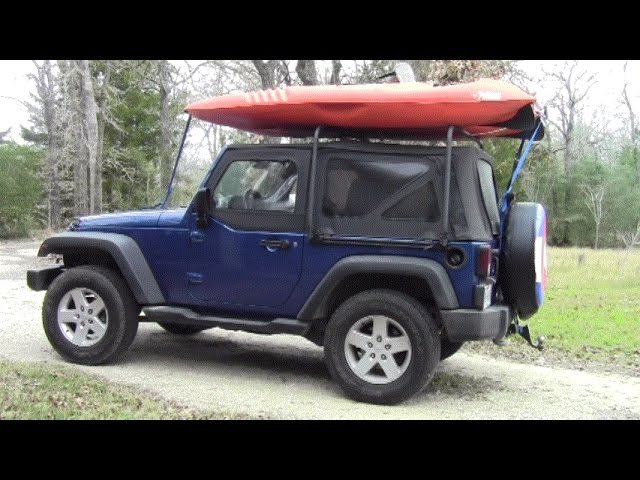
Imagine you have a hardtop Jeep Wrangler and a 12-foot kayak. You mount a crossbar rack, place the kayak hull-down, and strap it with two cam buckle straps. You add bow and stern lines to front and rear tow hooks. After checking stability, you’re ready for the road.
Common Mistakes And How To Avoid Them
Even experienced kayakers make errors. Here are mistakes to watch for:
- Skipping bow and stern lines: These prevent movement during stops and turns.
- Overtightening straps: This can crack the kayak’s hull. Tighten straps just enough to secure the kayak.
- Not checking after 15 minutes: Straps often loosen in the first miles. Always re-check.
- Using old or frayed straps: Weak straps can snap under stress.
- Loading kayak upside-down: Most racks are designed for hull-down placement.
A non-obvious tip: If you’re carrying more than one kayak, stagger their placement to avoid wind drag. Another smart move is to mark your straps with colored tape—this helps you spot twisting and makes setup faster.
Safety Tips For Highway Travel
Transporting your kayak on highways needs extra care. The wind, speed, and road bumps add stress.
- Always check local laws about overhang. In the US, anything over 4 feet requires a red flag.
- Avoid driving above 65 mph with a kayak on top.
- Stop every 100 miles to check straps.
- If your Jeep is lifted, watch clearance when entering parking garages.
Data shows that most kayak accidents during transport happen at speeds above 60 mph or when straps loosen. Investing in quality racks and straps reduces risk.
Useful Resources
If you want more details on roof racks and kayak transport, check out this guide from REI.
Frequently Asked Questions
How Many Kayaks Can A Jeep Wrangler Carry?
Most Jeep Wranglers can safely carry one or two kayaks, depending on rack type and roof setup. Check your rack’s weight limit, usually 100–150 lbs.
Can I Strap A Kayak To A Soft Top Wrangler?
Yes, but you’ll need a frame-mounted external rack. Never strap directly to a soft top it can tear or collapse.
What Straps Are Safest For Kayak Transport?
Cam buckle straps are best for beginners. They’re less likely to overtighten and are quick to use. Avoid ropes and bungee cords.
Do I Need Bow And Stern Lines?
Absolutely. Bow and stern lines prevent the kayak from sliding or twisting during sudden stops. They are essential for highway travel.
What’s The Risk Of Not Checking Straps During Travel?
If straps loosen, your kayak can shift or fall, causing accidents or damage. Always check straps after the first 15 minutes and every 100 miles.
Securing a kayak to your Jeep Wrangler doesn’t have to be difficult. With the right rack, quality straps, and careful setup, you can drive with confidence. Remember to double-check everything, follow safety tips, and enjoy your next paddling adventure knowing your gear is safe.