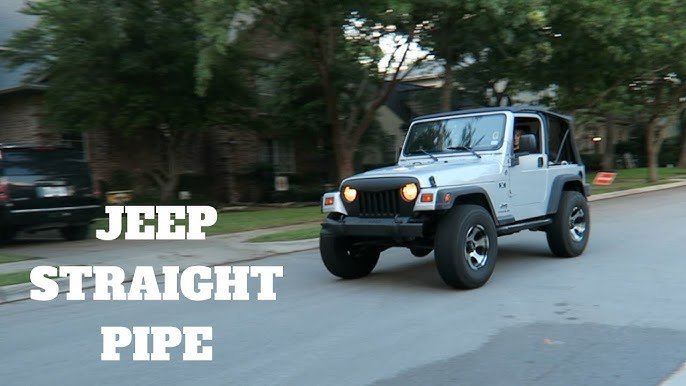
If you want your Jeep Wrangler to sound louder and breathe better, you might have thought about straight piping it. This modification removes the muffler and sometimes the catalytic converter, letting exhaust gases flow freely.
While it can boost performance and create a raw engine sound, straight piping comes with risks and legal concerns.
Here’s a clear guide to help you understand the process, benefits, drawbacks, and what you must know before starting.
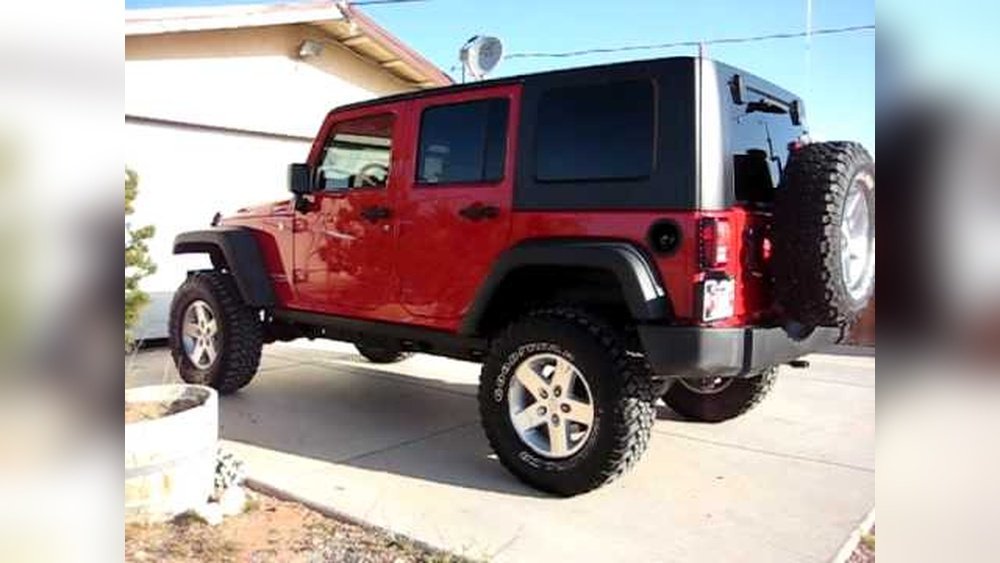
What Does Straight Piping Mean?
Straight piping is when you replace the stock exhaust system with a straight pipe. This pipe runs from the exhaust manifold to the end of the vehicle, without any mufflers or catalytic converters. The goal is to reduce backpressure and allow exhaust gases to exit as quickly as possible.
Many Wrangler owners choose straight piping for:
- Aggressive sound
- Slight horsepower boost
- Simpler exhaust system
However, removing mufflers and cats means your Jeep may no longer meet noise or emission standards.
Pros And Cons Of Straight Piping A Jeep Wrangler
Before you grab tools, consider both sides. Here’s a quick comparison:
| Pros | Cons |
|---|---|
| Increased exhaust sound | Much louder, may disturb neighbors |
| Slight power increase | Possible check engine light |
| Reduced backpressure | Illegal in many states |
| Custom look and feel | Fails emission tests |
Most beginners miss that straight pipes can cause drone inside the cabin at certain speeds. Also, without catalytic converters, your Jeep will emit more pollutants.
Is Straight Piping Legal?
In the US, straight piping is often illegal for street vehicles. Most states require a catalytic converter and limit exhaust noise. If your Wrangler is just for off-road or racing, you may avoid fines. But for daily driving, expect problems with inspections and law enforcement.
Always check your local laws. For reference, California has strict exhaust rules, while some states are more lenient.
Tools And Parts Needed
To straight pipe your Jeep Wrangler, you’ll need:
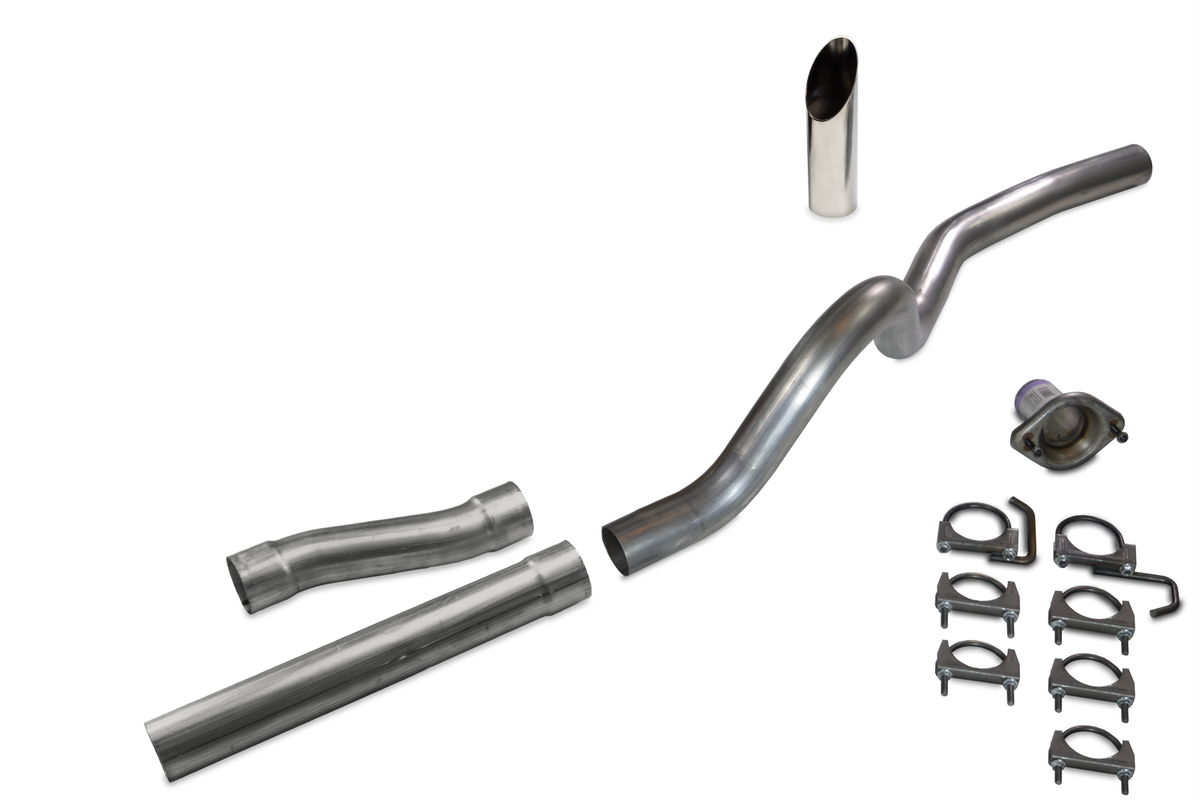
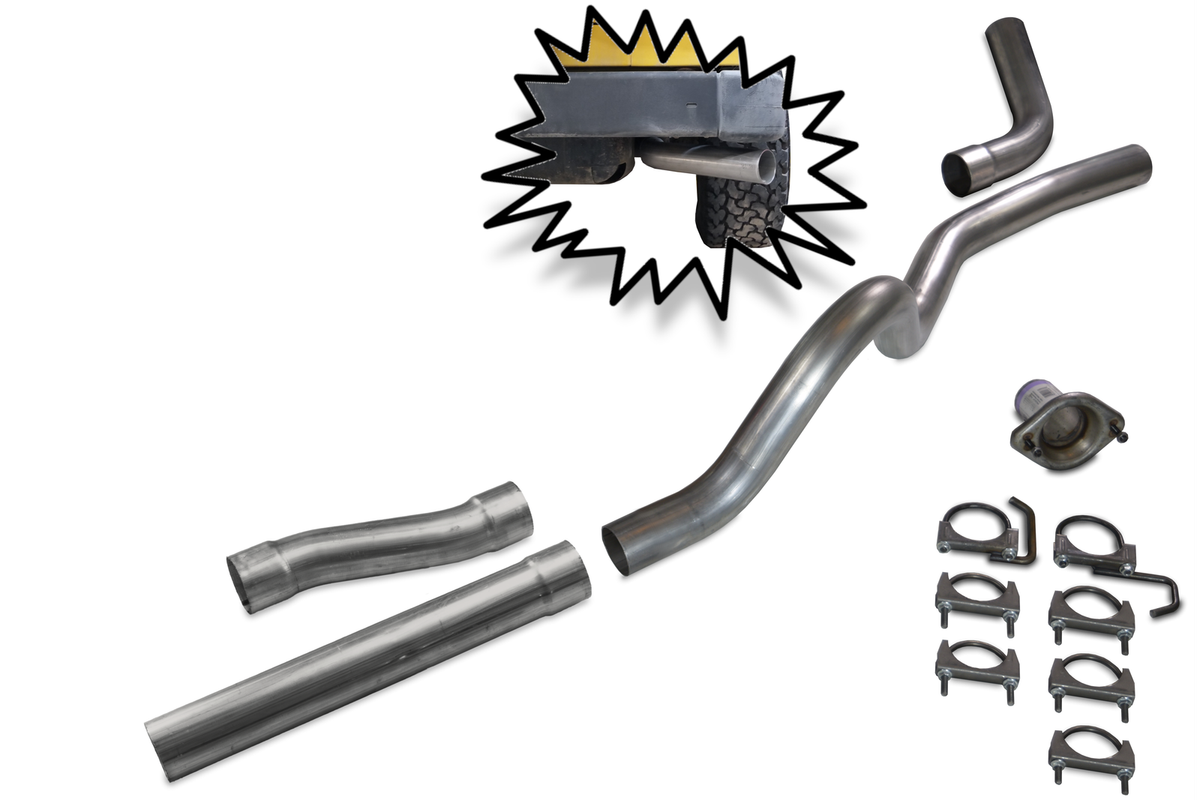
- Straight pipe matching your Wrangler’s diameter
- Exhaust clamps or welders
- Wrenches and sockets
- Jack and jack stands
- Safety glasses and gloves
Optional parts:
- O2 sensor spacers (may help avoid check engine lights)
- Exhaust hangers
Here’s a simple parts comparison:
| Part | Average Price | Purpose |
|---|---|---|
| Steel straight pipe | $40-$80 | Main exhaust tube |
| Exhaust clamps | $10-$30 | Secures pipe |
| O2 sensor spacer | $15-$30 | Reduces CEL risk |
| Jack stands | $30-$50 | Safety while working |
Step-by-step Guide To Straight Piping
Follow these steps for a safe and effective job:
- Lift the Jeep: Use a jack and jack stands to raise your Wrangler. Always secure it before crawling underneath.
- Remove the old exhaust: Start at the muffler and work toward the catalytic converter. Loosen clamps and bolts. If bolts are rusty, spray with penetrating oil.
- Decide on keeping the catalytic converter: For legal and environmental reasons, consider keeping the cat. Removing it is a bigger risk.
- Measure and cut your straight pipe: The pipe should match the length of the old exhaust and fit snugly.
- Install the straight pipe: Slide it into place, using clamps or welds to secure. Make sure there are no leaks at the connections.
- Reconnect sensors: If your Wrangler has O2 sensors, reconnect them. Use spacers if you removed the catalytic converter.
- Check for leaks: Start the engine and check all joints for exhaust leaks. Tighten clamps if needed.
- Lower the Jeep: Remove jack stands carefully.
Most people overlook the need to check exhaust clearance. If the pipe hangs too low, it could catch rocks or debris off-road.
Performance And Sound Changes
Straight piping your Wrangler will make the exhaust noticeably louder. It may add 5-10 horsepower, but the difference is small unless you also upgrade the intake or tune the engine.
Here’s a basic sound comparison:
| System | Typical Volume (dB) | Sound Description |
|---|---|---|
| Stock | 60-70 | Mellow, quiet |
| Aftermarket muffler | 75-80 | Deeper, sporty |
| Straight pipe | 85-95 | Loud, raw, raspy |
If you drive long distances, the loud sound may become tiring. Some drivers regret straight piping after experiencing the cabin noise.
Maintenance And Common Issues
After straight piping, check your exhaust regularly. Watch for:
- Loose clamps
- Exhaust leaks
- Rust
- Check engine lights
A check engine light often means an O2 sensor is unhappy. Some people use spacers, but this is not a fix for all models.
If you live in a snowy area, salt can rust exposed pipes faster.
Another overlooked issue: resale value. Many buyers avoid straight-piped Wranglers, so keep your original parts if you might sell.
Frequently Asked Questions
Can Straight Piping Damage My Jeep Wrangler’s Engine?
Straight piping does not directly damage the engine. But removing the catalytic converter can cause sensors to misread, affecting engine performance over time.
Will Straight Piping Void My Jeep’s Warranty?
Yes, most dealers will void the warranty for exhaust-related issues if you remove emissions equipment.
Is It Possible To Pass Inspection With A Straight Pipe?
In most states, no. If you remove the muffler or catalytic converter, your Jeep will likely fail emissions and noise tests.
Does Straight Piping Improve Fuel Economy?
Usually not. While backpressure is reduced, the engine may run richer, especially if sensors detect missing emissions parts.
Where Can I Learn More About Exhaust Laws?
Check your state’s regulations or visit EPA Vehicle Emissions Testing for official guidelines.
Straight piping your Jeep Wrangler can be exciting, but it comes with real trade-offs. Think about your local laws, future resale, and daily driving comfort.
If you decide to go ahead, use quality parts and work safely. For many, a high-performance muffler or legal exhaust upgrade offers the best of both worlds better sound and fewer headaches.