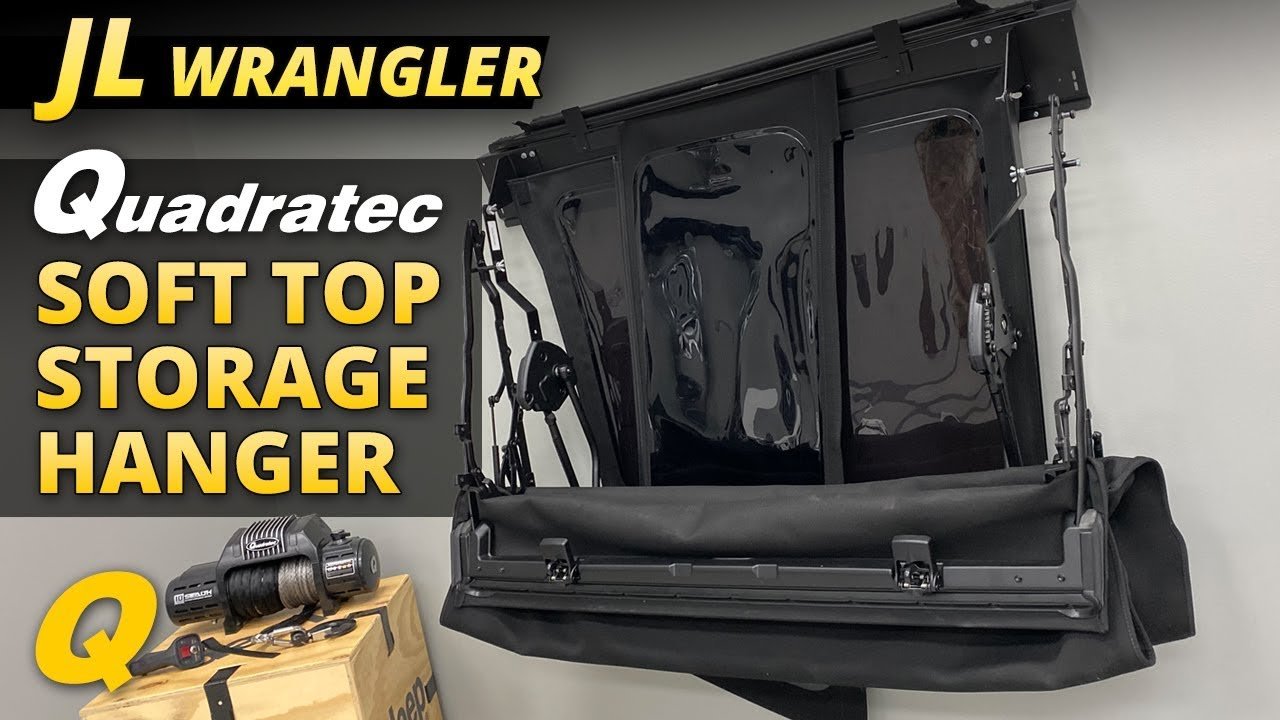
Parking your Jeep for the winter is exciting for some, but it brings a challenge: what do you do with the soft top? Many Jeep owners struggle with scratches, mildew, and cracked windows when they pull the top out in spring.
Storing your Jeep soft top the right way keeps it looking great and extends its life, saving you money and headaches. This guide walks you through easy steps, common mistakes to avoid, and a few tips that even experienced owners sometimes miss.
Why Proper Storage Matters
A Jeep soft top is made of fabric, plastic windows, and zippers. Cold temperatures, moisture, and sunlight can damage these materials quickly if you store them carelessly. Even folding the soft top the wrong way can create creases or cracks, especially in the clear plastic windows. Mold and mildew are also a risk if you put the top away while it’s damp or dirty.
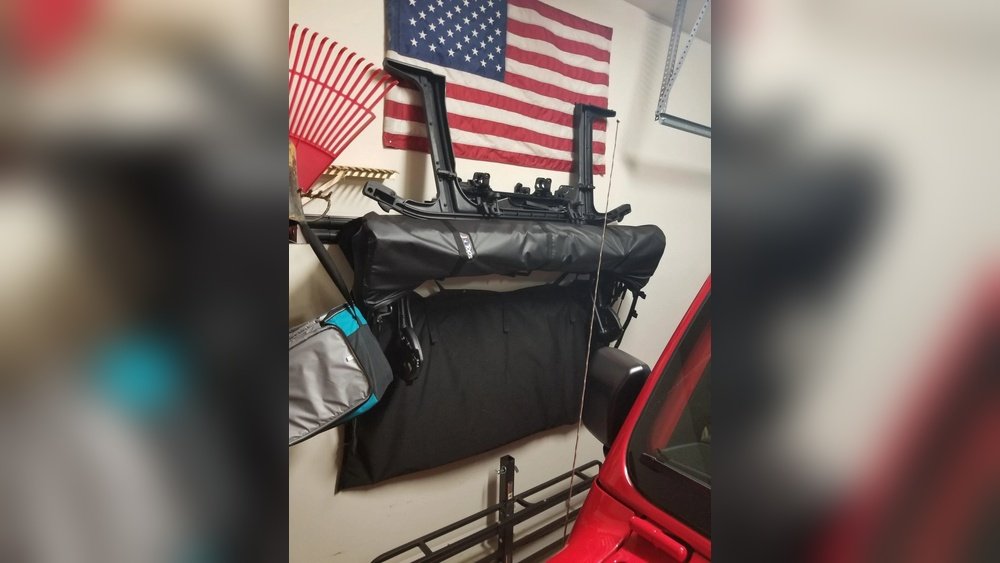
Many owners think tossing the top in the garage is fine, but a few months of poor storage can cause $500 or more in damage. Proper storage protects your investment and gives you a clean, flexible top when warm weather returns.
Preparing The Soft Top For Storage
Before putting your Jeep soft top away, get it as clean and dry as possible. Here’s what you need to do:
- Wash the fabric and windows with mild soap and warm water. Avoid harsh cleaners or brushes that can scratch the plastic.
- Dry every part completely. Use a clean microfiber towel for the windows and let the fabric air dry. Even a bit of moisture invites mildew.
- Lubricate zippers and hinges with a silicone-based spray. This prevents rust and makes reinstallation easier.
- Inspect for damage. Check for tears, broken zippers, or worn seams. Repair small problems now so they don’t get worse over winter.
Non-obvious tip: Some owners forget to clean the weatherstripping. Wipe it down with a damp cloth to stop grit from causing leaks later.
Choosing The Best Storage Location
Where you store your Jeep soft top matters as much as how you store it. The wrong spot can lead to heat damage, rodents, or mildew.
| Storage Location | Pros | Cons |
|---|---|---|
| Climate-controlled garage | Best protection, stable temperature | Requires indoor space |
| Unheated shed | Out of sunlight, easy access | Risk of moisture, rodents |
| Basement | Dry, away from UV rays | Must avoid damp corners |
Avoid: Attics or outdoor sheds that get very hot or cold. Extreme temperatures can warp plastic windows and weaken the fabric.
Pro tip: Place a few moisture-absorbing packets near the soft top. These help prevent mold, especially in humid climates.
Folding And Packing The Soft Top
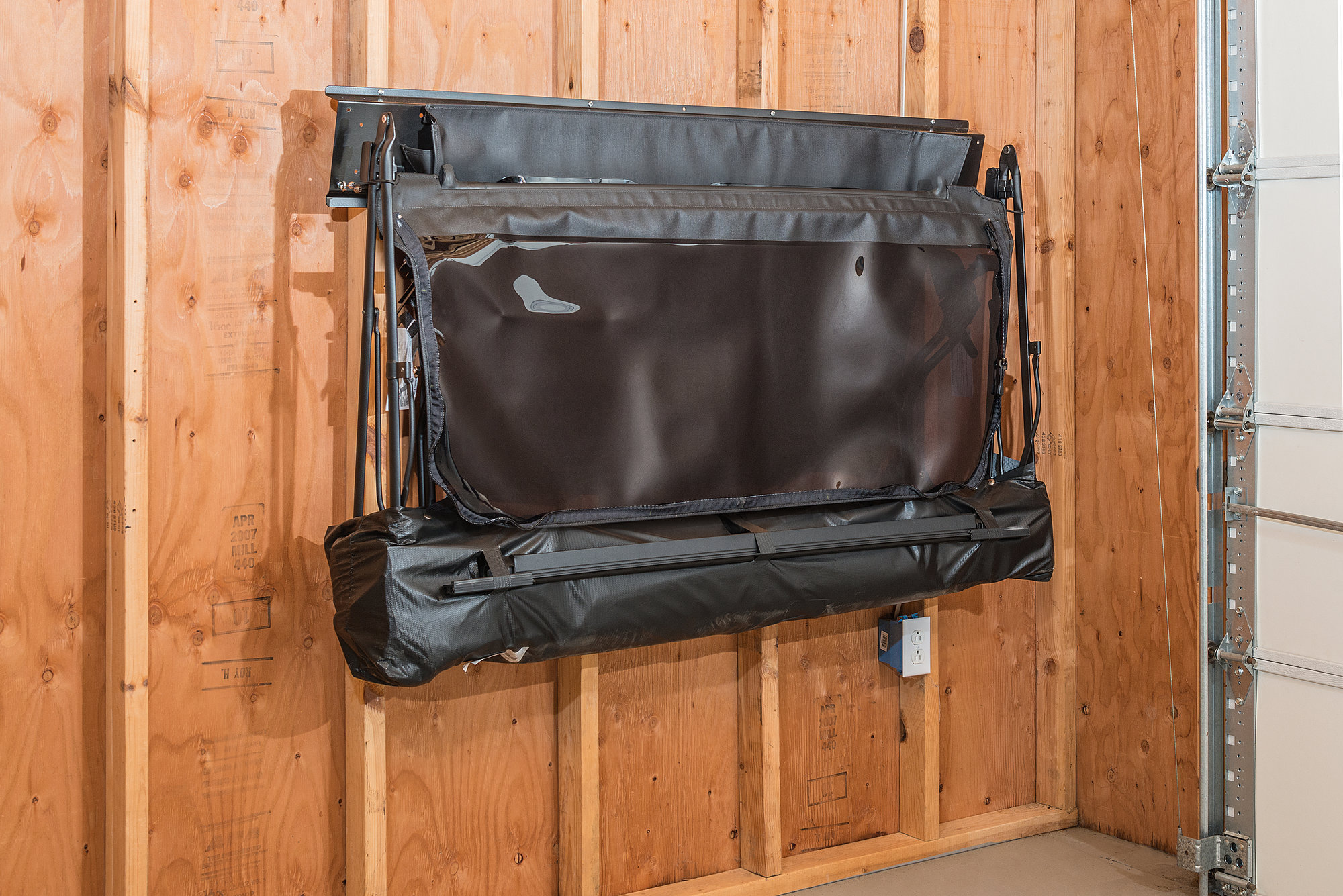
Folding a Jeep soft top the right way is key to preventing permanent creases and cracks, especially in the windows.
- Remove all hardware like frames, screws, and door surrounds. Store these in labeled bags.
- Lay the soft top flat on a clean, soft surface. Avoid folding windows sharply—roll them up instead.
- Use a storage bag if possible. Many brands sell bags that protect against dust and scratches. If you don’t have one, wrap the top in a clean sheet or blanket.
Here’s a quick comparison of folding methods:
| Method | Best For | Drawback |
|---|---|---|
| Flat storage | Maximum protection | Needs more space |
| Rolled windows | Prevents cracks | Must keep windows separate |
| Bagged and boxed | Small spaces | May cause minor creases |
Practical insight: Never put heavy objects on top of your stored soft top. The weight will crush the windows and can permanently deform the fabric.
Extra Tips For Long-term Protection
- Label everything. Use masking tape and a marker to identify hardware bags. This saves time when reinstalling.
- Store windows separately. Keep plastic windows rolled in a soft towel or their original sleeves.
- Check on your soft top monthly. Look for signs of moisture, pests, or shifting. Early action prevents most problems.
- Avoid plastic wrap. It can trap moisture and cause mildew.
Advanced tip: If storing in an area with mice, place peppermint oil or dryer sheets nearby. These natural repellents discourage rodents from nesting in the soft top.
Mistakes To Avoid
Many Jeep owners make the same errors each year:
- Storing while damp: Even a little moisture leads to mildew or rot.
- Stacking items on top: This can leave deep, permanent creases.
- Folding windows sharply: Always roll, never fold, plastic windows.
- Ignoring hardware: Lost or mixed-up parts make reinstallation frustrating.
- Leaving in sunlight: UV rays break down both fabric and plastic, even through windows.
Reinstalling After Winter
When spring arrives, take your soft top out and let it warm up in the sun for an hour before installation. This softens the material and makes stretching it back onto the Jeep much easier.
Check all zippers, seams, and windows for damage before putting it back on.
Frequently Asked Questions
How Do I Clean My Jeep Soft Top Before Storage?
Use a mild soap and water. Avoid bleach or strong detergents, which can damage fabric and windows. Dry everything completely before storage.
Can I Leave My Jeep Soft Top On During Winter?
You can, but heavy snow and ice can stretch or tear the fabric. Hard tops offer better winter protection.
If you must leave it on, brush off snow regularly.
What Is The Best Way To Store The Plastic Windows?
Roll the windows gently, never fold. Wrap them in a soft towel or use special sleeves to prevent scratches.
Should I Use A Special Storage Bag?
A storage bag adds protection from dust and scratches. If you don’t have one, a clean sheet or blanket works. Avoid plastic bags, which trap moisture.
Where Can I Learn More About Jeep Soft Top Care?
For more tips, check the official Jeep Care Guide.
Taking a little time to store your Jeep soft top the right way pays off in better looks, easier installation, and fewer costly repairs. A few careful steps now will keep your top ready for next year’s adventures.