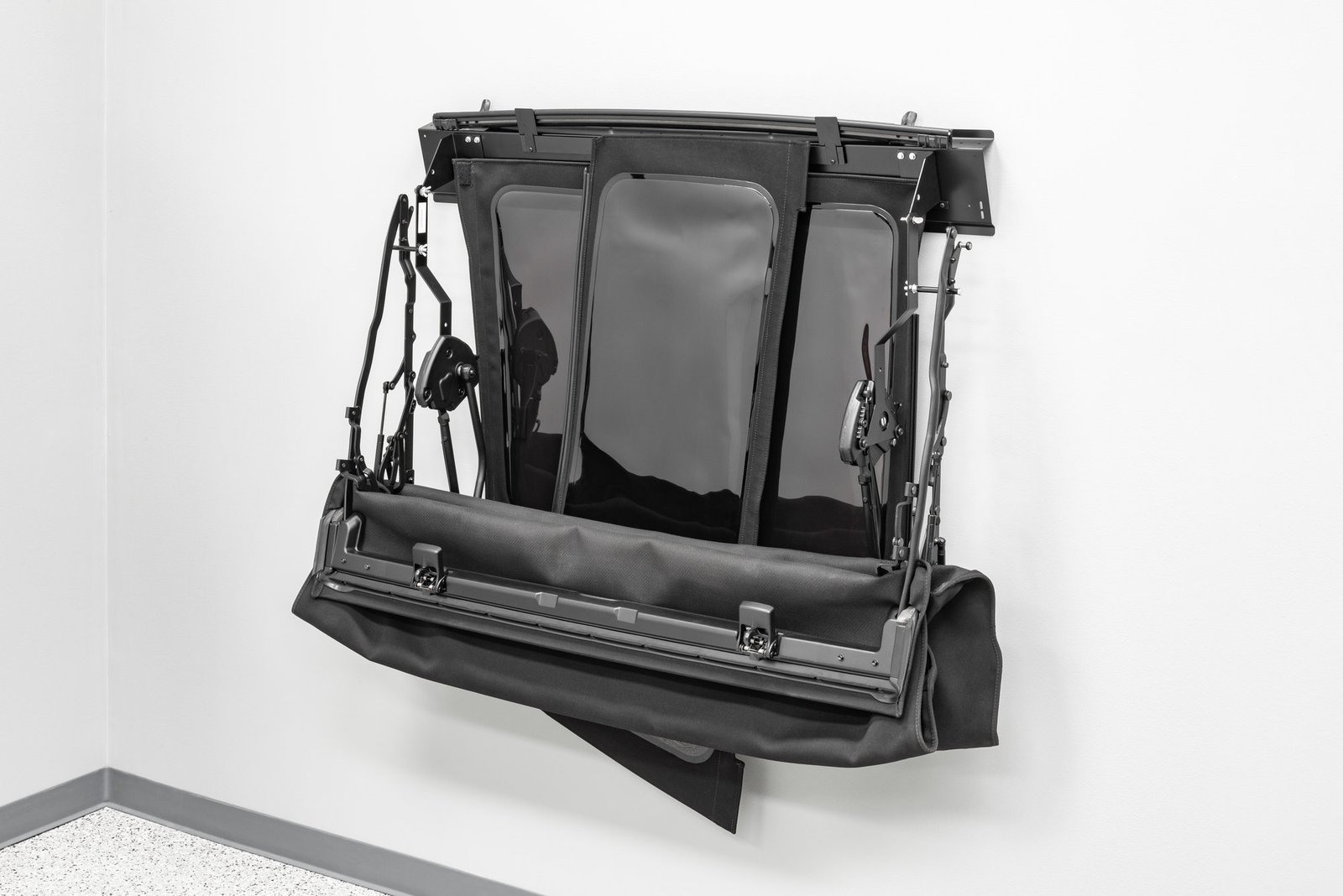
Storing your Jeep Wrangler soft top correctly is important for protecting it from damage, mold, or warping. Whether you remove your soft top for the winter, off-road trips, or just want to enjoy open air, proper storage keeps your investment safe.
Many owners make mistakes that lead to costly repairs or faded, stiff fabric. This guide explains everything you need to know about storing your Jeep soft top, with practical advice, common errors, and smart tips for long-term care.
Why Proper Storage Matters
A soft top is made of vinyl or fabric, with plastic windows and metal frames. These materials react to heat, moisture, and pressure. Poor storage can cause:

- Cracking or yellowing of windows
- Mold or mildew on fabric
- Warped frames or bent hardware
- Stiff zippers and seams
Most Jeep Wrangler soft tops cost $800 $1800 to replace. Spending a few minutes on careful storage can save you from expensive replacements and keep your Jeep looking great.
Preparing The Soft Top For Storage
Before storing, clean and inspect your soft top. This step prevents dirt, moisture, and hidden damage from getting worse.
- Wash fabric and windows: Use mild soap and water. Avoid harsh chemicals.
- Dry completely: Let it air dry. Don’t pack it wet—moisture causes mold.
- Check for tears: Inspect seams, zippers, and windows for damage.
- Lubricate zippers: Use silicone spray to keep them moving smoothly.
Example: Cleaning Tips
Jeep owners often forget to clean inside seams and folds. Dirt here can trap moisture.
Use a soft brush to reach these areas. For plastic windows, wipe gently with a microfiber cloth to avoid scratches.
Choosing The Best Storage Location
Where you keep your soft top makes a big difference. The wrong spot can ruin your top, even if you clean it well.
| Location | Pros | Cons |
|---|---|---|
| Garage | Dry, safe, easy access | Space needed |
| Basement | Temperature stable | Risk of dampness |
| Outdoor Shed | Separate from house | Humidity, pests |
| Attic | Out of the way | Heat extremes |
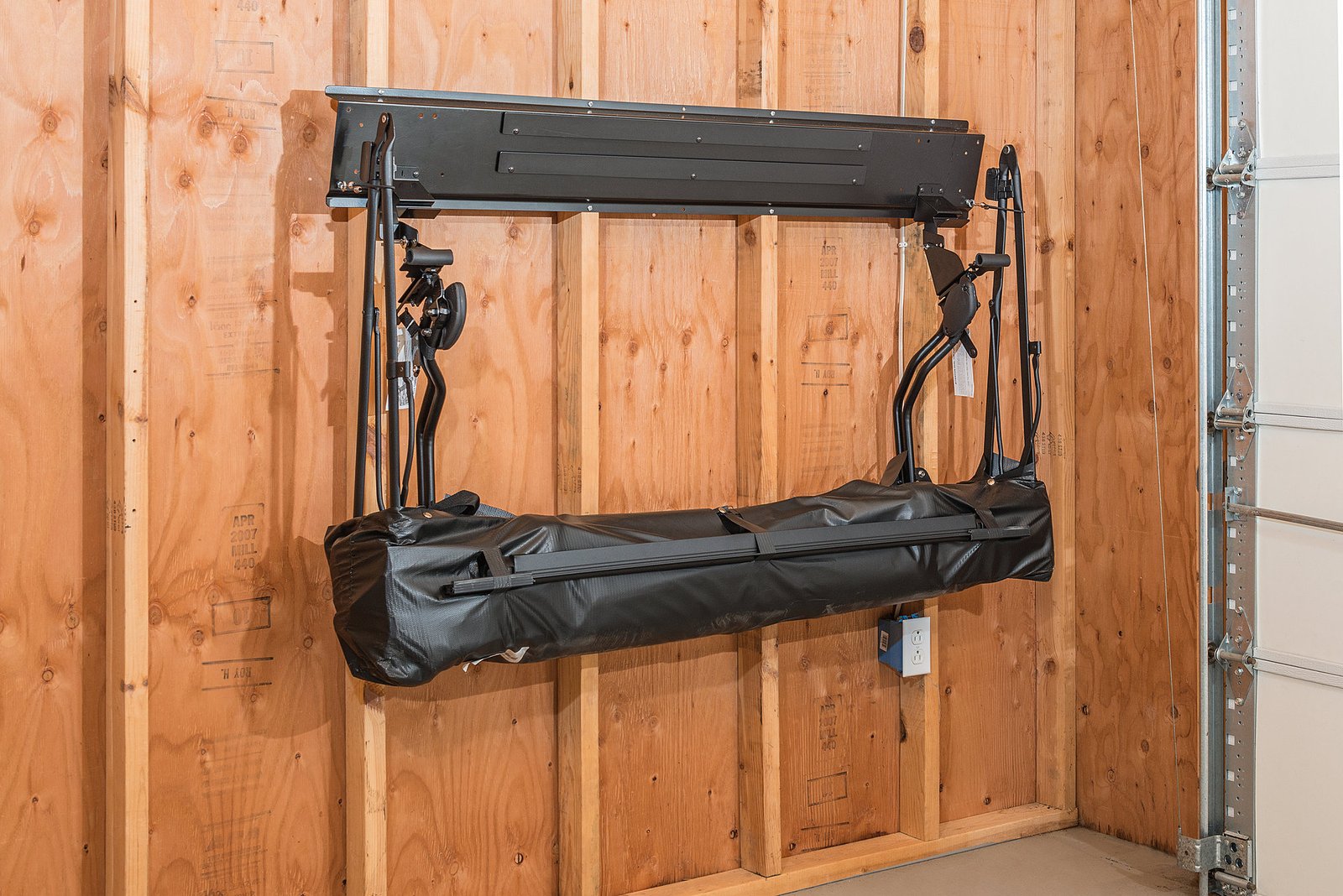
Choose a dry, cool, and shaded place. Avoid spots with temperature swings or dampness. If you must use a basement or shed, place the soft top on shelves, not on the floor.
How To Fold And Pack Your Soft Top
Proper folding prevents creases and damage. Follow these steps:
- Remove all hardware: Take off frame pieces and set aside.
- Lay fabric flat: Spread on a clean surface.
- Fold gently: Start from the sides, fold toward the center. Avoid sharp bends.
- Roll windows separately: Use soft towels to wrap plastic windows before rolling.
- Place in storage bag: Use the original Jeep bag or a large breathable cover.
Comparison: Jeep Storage Bags
Jeep offers several storage bags. Here’s a quick comparison:
| Bag Type | Material | Protection Level | Price Range |
|---|---|---|---|
| OEM Jeep Bag | Nylon | High | $80–$120 |
| Aftermarket Bag | Polyester | Medium | $50–$90 |
| Generic Cover | Cotton | Low | $30–$60 |
A quality bag prevents dust and sunlight from harming your soft top. Avoid plastic bags, which trap moisture.
Storing The Frame And Hardware
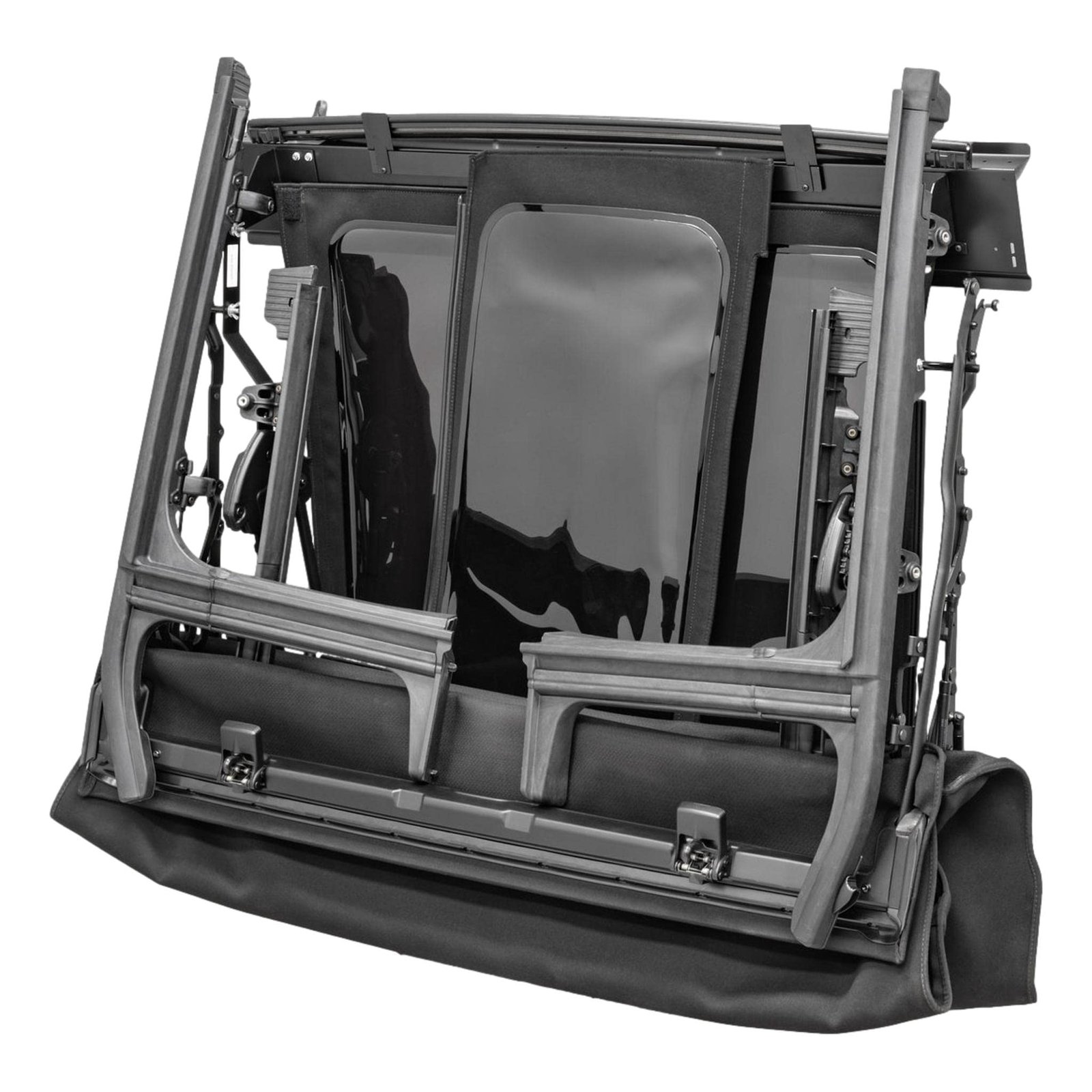
Many people leave the frame and hardware loose, causing lost parts or bent pieces. Here’s how to keep them safe:
- Label parts: Use masking tape and a marker to identify pieces.
- Wrap in towels: Protect metal from scratches.
- Store in a box: Keep all hardware together.
- Avoid stacking heavy items: This prevents bending.
Example: Frame Storage
If your garage has wall hooks, hang frame pieces to keep them straight and easy to find. Never store metal parts outside in the rain or on concrete, which can rust them.
Common Mistakes To Avoid
Even experienced Jeep owners make errors. Watch out for these:
- Packing the top while wet: Causes mold and odor.
- Storing in direct sunlight: Fades fabric and weakens plastic windows.
- Using plastic wrap: Traps humidity and leads to mildew.
- Forgetting about the top: Long-term neglect can cause permanent creases.
- Stacking heavy objects on top: Damages windows and hardware.
Most soft tops last 5 7 years with proper care. Owners who skip steps often replace their tops after just 2 3 years.
Practical Tips For Long-term Storage
- Check every 2 months: Open the bag and inspect for moisture or pests.
- Keep away from chemicals: Don’t store near gasoline or cleaning agents.
- Use moisture absorbers: Place silica gel packs in the bag to prevent dampness.
- Record storage date: Helps you remember when to inspect and re-install.
These simple actions prevent surprises when you’re ready to put the soft top back on your Jeep.
Frequently Asked Questions
How Long Can I Store My Jeep Wrangler Soft Top?
You can store your soft top for up to 12 months if it’s clean, dry, and in a safe location. Check it every few months for signs of mold or damage.
Can I Store My Soft Top Outside?
It’s not recommended. Outdoor storage exposes your soft top to UV rays, moisture, and pests. If you must store it outside, use a high-quality weatherproof bag and place it on a raised surface.
What Is The Best Way To Store Plastic Windows?
Roll windows loosely and wrap them in soft towels. Keep them flat, never folded, to avoid permanent creases. Store separately from the main fabric.
Should I Lubricate Soft Top Hardware Before Storage?
Yes. Apply a light oil or silicone spray to hinges and zippers. This prevents rust and keeps moving parts working smoothly.
Where Can I Find Official Jeep Storage Bags?
You can buy original Jeep storage bags from dealerships or reputable sites like Jeep Official Accessories. OEM bags fit best and offer maximum protection.
Storing your Jeep Wrangler soft top the right way keeps it looking new and ready for adventure. With careful cleaning, smart packing, and attention to storage conditions, you can enjoy your Jeep’s flexibility for years.
Don’t rush the process protect your soft top, and your Jeep will reward you with worry-free open-air driving.