Losing your Jeep Wrangler key can feel stressful, especially if you need to get moving fast. Whether your key is misplaced or damaged, knowing how to start your Jeep Wrangler without a key can help in emergencies.
While this is a practical guide, always remember bypassing your Jeep’s ignition may be illegal in certain situations or regions, and should only be done on a vehicle you own or have permission to access.
Let’s explore the safest and most effective ways to start a Jeep Wrangler without a key, and what you need to know before you try.
Understanding Jeep Wrangler Security Systems
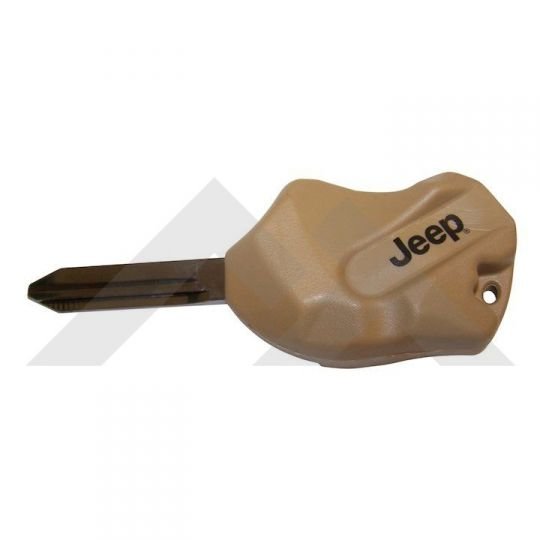
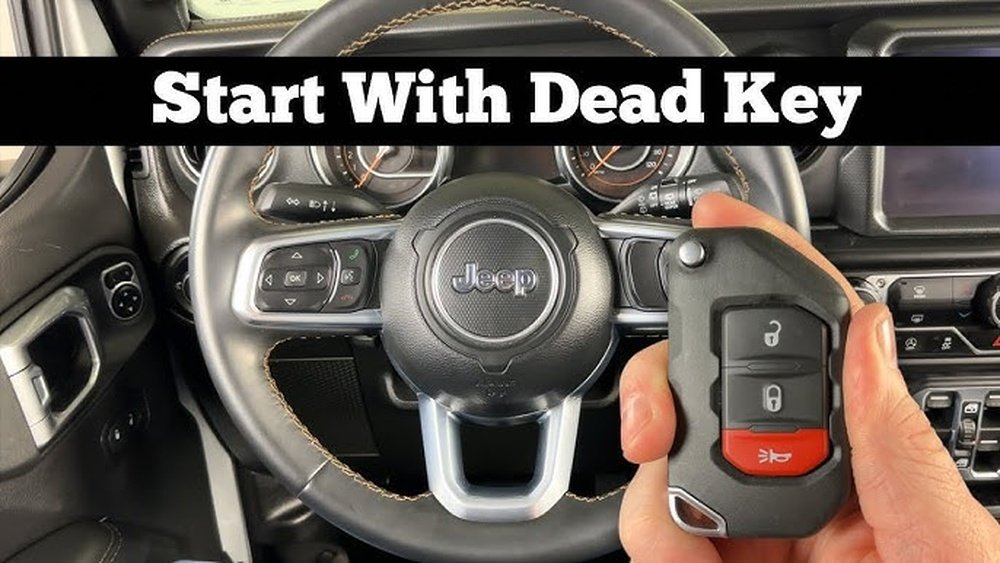
Modern Jeep Wranglers use advanced anti-theft systems. Most models from 1998 onward feature a Sentry Key Immobilizer System (SKIS), which uses a transponder chip inside the key. If the system doesn’t detect the right chip, the engine won’t start.
Here’s a quick comparison of Wrangler security features by model year:
| Model Year | Key Type | Immobilizer System |
|---|---|---|
| Pre-1998 | Standard Metal Key | No |
| 1998-2006 (TJ) | Transponder Key | SKIS |
| 2007-2018 (JK) | Transponder Key/Fob | SKIS (Improved) |
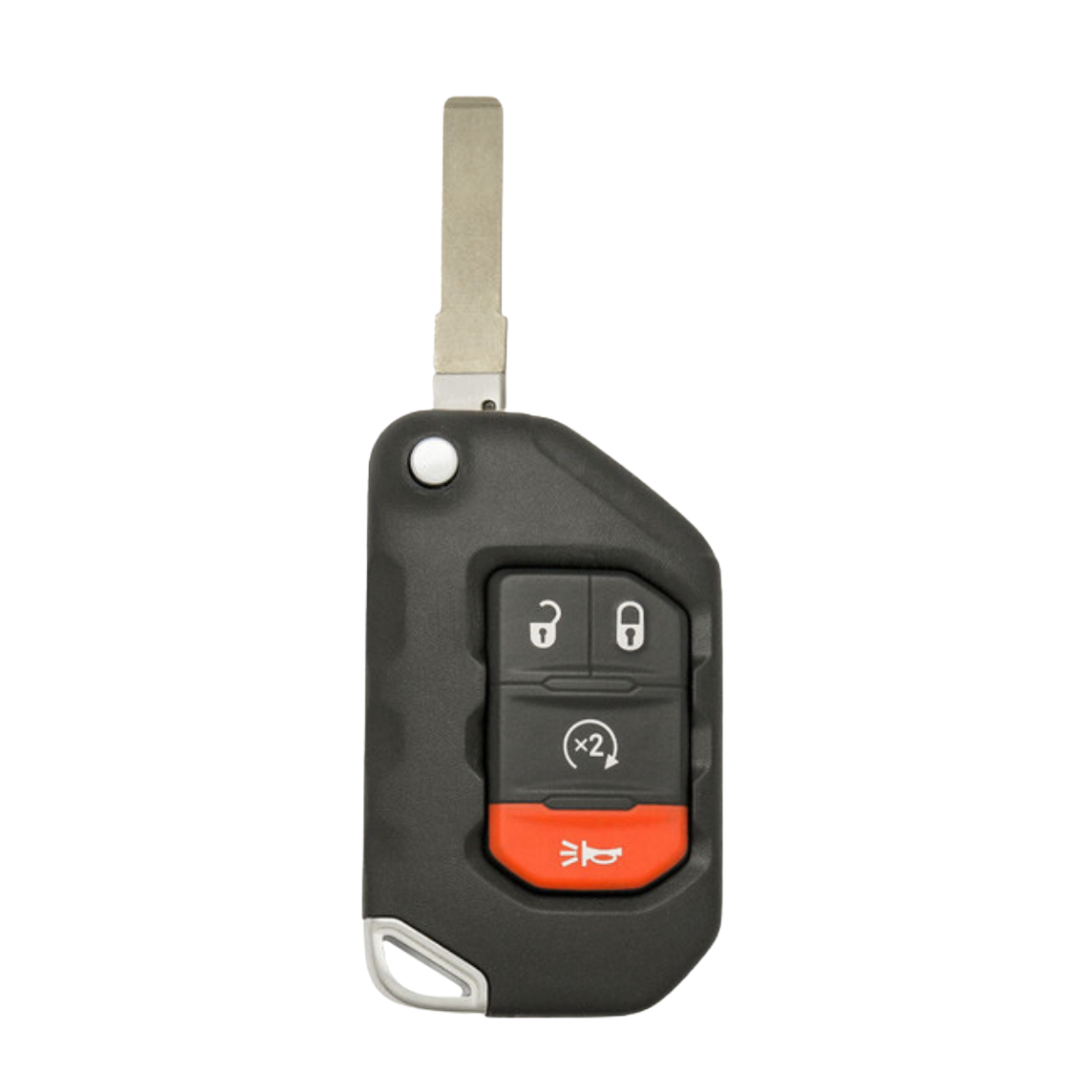
| 2018+ (JL) | Key Fob/Push Start | SKIS + Proximity Sensors |
If your Jeep is pre-1998, starting it without a key is much simpler. For modern models, the immobilizer adds complexity.
Methods For Starting A Jeep Wrangler Without A Key
1. Using A Spare Key Or Key Code
The safest and easiest way is to use your spare key or get a replacement from the dealership using your key code. Most owners don’t realize that the dealership can cut a new key if you have your VIN and proof of ownership. This method avoids damage and keeps your security system intact.
2. Mechanical Bypass On Older Models
If you own a pre-1998 Wrangler or one without an immobilizer, you can start it by:
- Removing the ignition cylinder cover: Use a screwdriver to gently pry it off.
- Turning the ignition switch: Use a flathead screwdriver to turn the switch as you would with a key.
While this works for older models, it’s not effective on Wranglers with electronic immobilizers.
3. Transponder Bypass For 1998+ Models
If your Jeep uses a transponder key, simply turning the ignition with a screwdriver won’t start the engine. However, some bypass kits exist, mostly for professional use.
They work by temporarily simulating the chip signal.
Important: Using a bypass kit may void your warranty or insurance. It’s best handled by an automotive locksmith.
4. Call A Professional Locksmith
A professional locksmith can program a new key or use specialized tools to start your Jeep without damaging it. Modern locksmiths carry mobile equipment for key programming, often at a lower price than the dealership.
5. Emergency Push Start (manual Transmission Only)
If you drive a manual transmission Jeep Wrangler, you can try a push start:
- Turn the ignition to the “on” position (you still need to turn the steering wheel—may require force).
- Depress the clutch and put the gear in second.
- Have someone push the Jeep to gain speed.
- Release the clutch quickly to start the engine.
This method only works if the immobilizer does not block the fuel or ignition.
What Not To Do
- Never force the ignition switch. This often causes expensive damage to the steering column and wiring.
- Don’t try to “hotwire” a modern Jeep. The immobilizer system prevents this and you could trigger the alarm or damage the onboard computer.
- Avoid using online “hacks” or illegal methods that can damage your vehicle or get you into legal trouble.
Comparing Key Replacement Options
Here’s a quick look at the time and cost involved with each method:
| Option | Estimated Cost | Time Required | Damage Risk |
|---|---|---|---|
| Dealership Key Replacement | $120-$300 | 1-2 days | None |
| Professional Locksmith | $100-$250 | 1-3 hours | None |
| Mechanical Bypass (Old Models) | Free-$20 | 10-30 min | High |
| Bypass Kit (Transponder) | $50-$150 | 30-60 min | Medium |
Non-obvious Tips Most People Miss
- Record your key code: Most drivers never write down their key code, found in your owner’s manual or on a small tag with the original keys. This code makes dealership replacement much faster.
- Check insurance and roadside coverage: Some insurance policies cover key replacement or locksmith services, but many owners forget to check their benefits.
When To Contact The Dealership
If you’ve lost all keys and can’t start your Jeep, the dealership can provide a new key. You’ll need:
- Vehicle Identification Number (VIN)
- Proof of ownership (registration, driver’s license)
- Sometimes, your key code
Dealerships can program new transponder keys or fobs, but this usually costs more than a locksmith.
Security Considerations
Trying to bypass your Jeep’s ignition for non-emergency reasons can make your vehicle vulnerable to theft. Always restore your security system after a bypass and consider reprogramming your keys. Avoid sharing bypass methods online, as this increases risk for the Jeep community.
For more technical details on the Sentry Key Immobilizer System, see the Immobiliser Wikipedia page.
Frequently Asked Questions
How Do I Get A Replacement Jeep Wrangler Key?
Contact your local dealership or a qualified locksmith with your VIN and proof of ownership. They can cut and program a new key or key fob.
Can I Start A Jeep Wrangler With A Screwdriver?
This is only possible on pre-1998 models without an immobilizer. For modern Jeeps, a screwdriver won’t bypass the security system.
How Much Does A New Jeep Wrangler Key Cost?
Dealerships usually charge between $120 and $300. Locksmiths may offer lower prices, especially if you have the key code.
Push-button start models require a programmed key fob. Without it, starting the vehicle is almost impossible without dealer or locksmith help.
Will Bypassing The Ignition Damage My Jeep?
Improper bypassing can damage the ignition switch, steering column, or the onboard computer. Always use professional help when possible.
Getting locked out of your Jeep Wrangler is never fun, but you now have a clear understanding of safe options. Remember using the right method for your specific Jeep model keeps your vehicle secure and avoids costly repairs. If in doubt, always contact a professional.