Driving a Jeep Wrangler is all about adventure, but using its 4-wheel drive system the right way is key for both fun and safety.
Many new Wrangler owners feel unsure when it’s time to switch from 2H (two-wheel drive) to 4H (four-wheel drive high). If you’ve ever worried about when or how to shift into 4H, you’re not alone.
The good news is, with a bit of guidance, anyone can master this essential skill and get the most out of their Jeep.
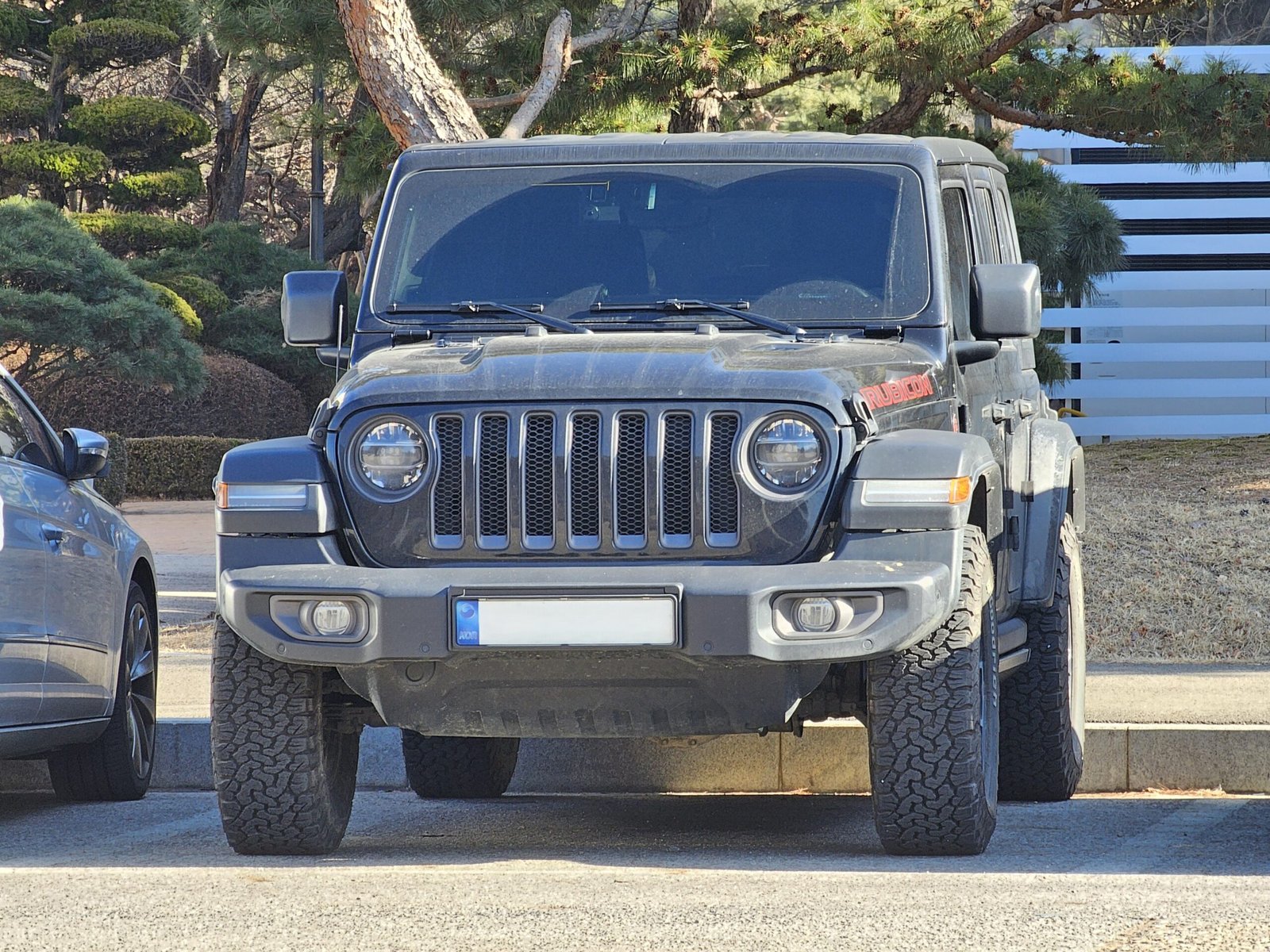
What Is 4H And When Should You Use It?
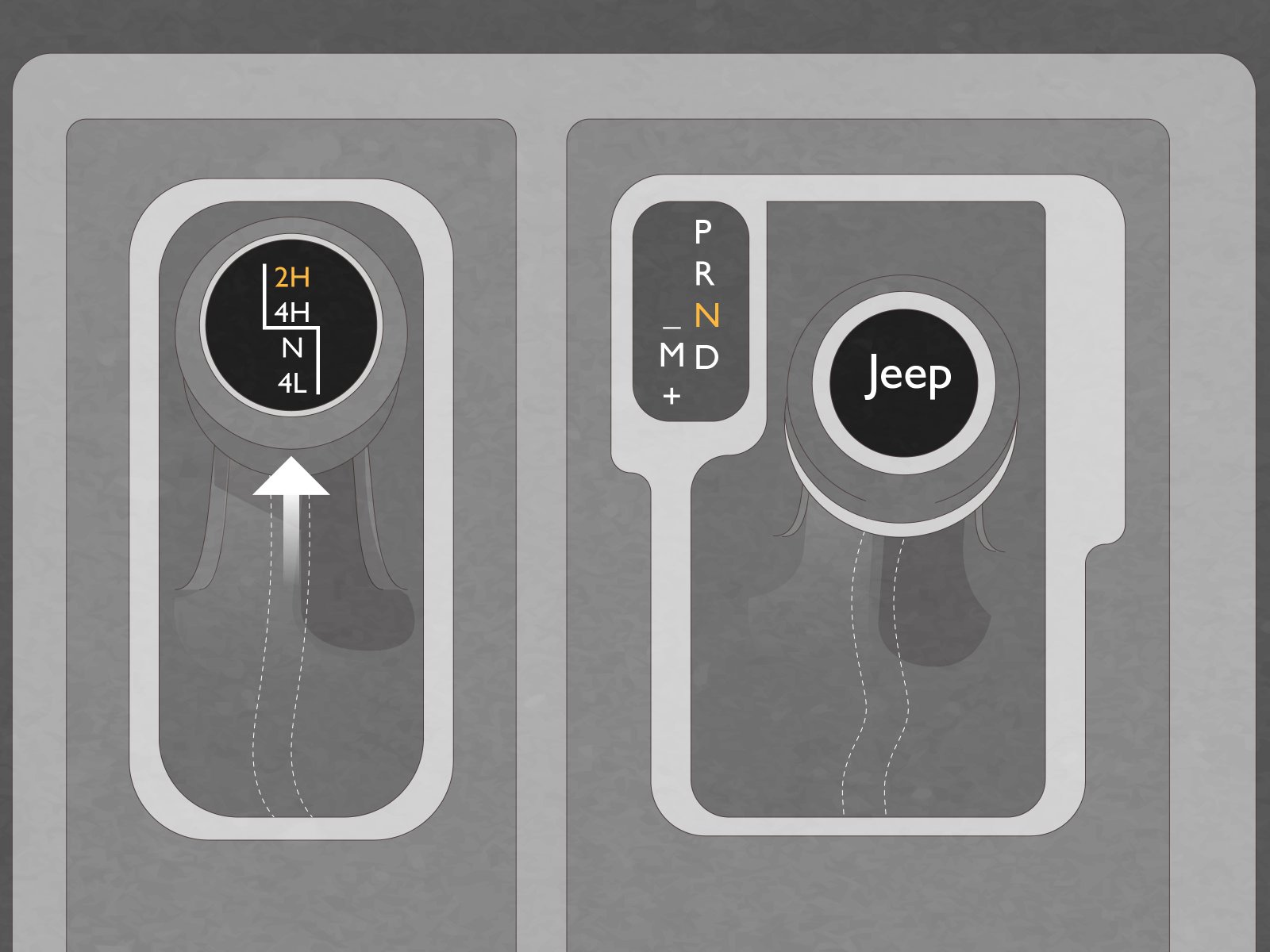
4H (4-High) lets your Jeep send power to all four wheels at once. This is ideal for situations where you need better traction but still want to drive at normal speeds. Common examples include:
- Rainy or snowy roads
- Loose gravel or sand
- Muddy trails
Unlike 4L (4-Low), 4H does not give you extra torque, but it does help prevent slipping. Using 4H on dry pavement can stress your drivetrain, so only use it when conditions are slippery.
Understanding Your Jeep Wrangler’s 4WD System
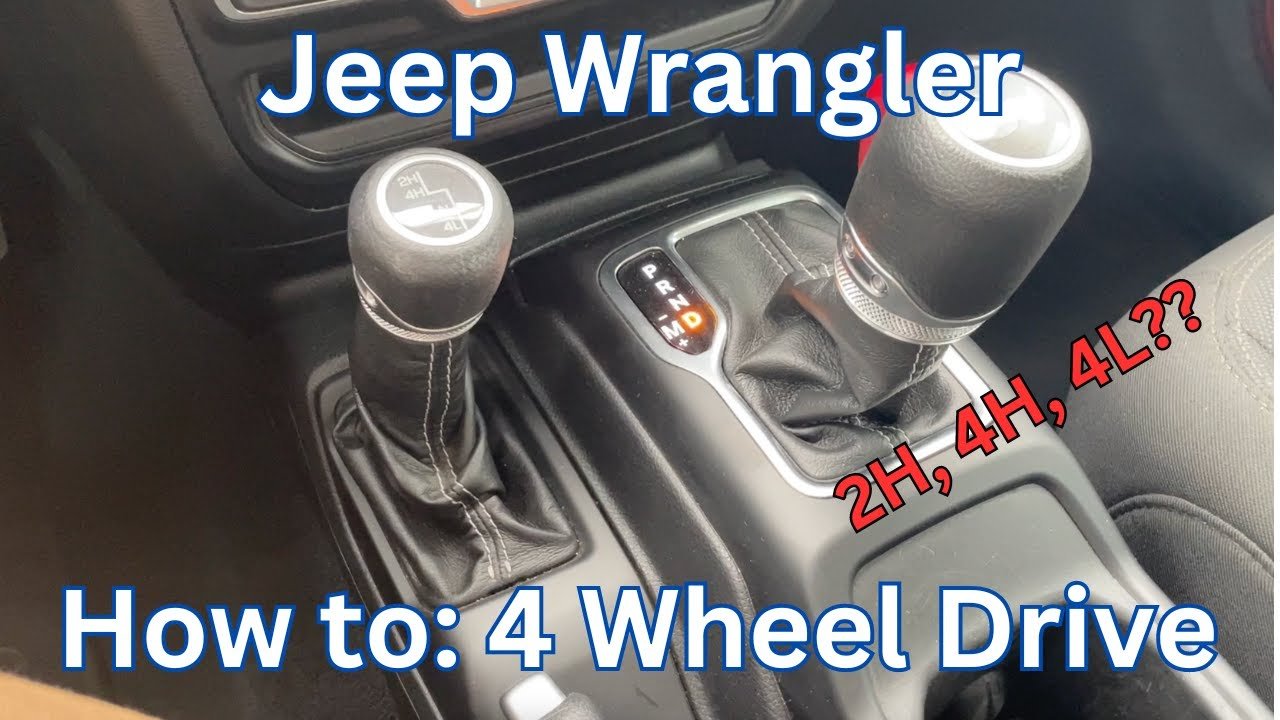
Jeep Wranglers use two main types of transfer cases:
- Manual shift lever – Found in older and some current models.
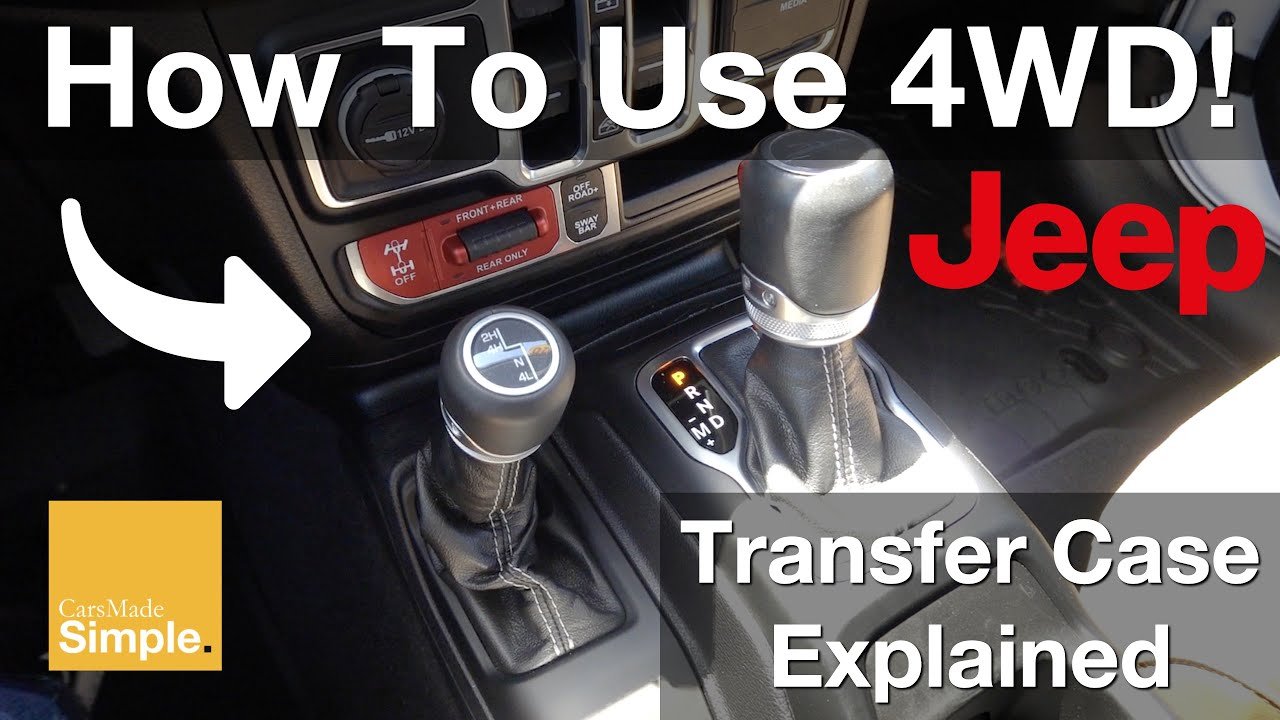
- Electronic switch – Common in newer models for easier shifting.
Here’s how these systems compare:
| Feature | Manual Shift Lever | Electronic Switch |
|---|---|---|
| Operation | Physical lever next to gear shifter | Switch or knob, usually on dash |
| Feel | Mechanical, tactile feedback | Smoother, less physical effort |
| Model Examples | Wrangler JK, older JL | Newer JL, Rubicon 4xe |
Knowing which system your Wrangler uses makes shifting easier and safer.
Step-by-step: How to Shift Jeep Wrangler Into 4H
Shifting into 4H is simple, but doing it the right way helps avoid damage and keeps you in control. Follow these steps:
1. Check Road Conditions
Only use 4H if the road is slippery or loose. Never use it on dry, hard pavement.
2. Slow Down
Bring your speed below 55 mph. Lower speeds (under 45 mph) make shifting smoother, especially with a manual lever.
3. Shift While Moving
Unlike 4L, you can shift into 4H while driving. Take your foot off the accelerator for a moment.
- Engage 4H
- Manual Lever: Firmly pull the transfer case lever from 2H to 4H.
- Electronic Switch: Turn the switch or press the button from 2H to 4H.
- Wait for Confirmation
A 4WD indicator light will show on your dashboard. This means 4H is active.
6. Test Traction
Accelerate gently to check if all wheels are engaged. If you hear grinding, stop and try again at a slower speed.
Example Scenario
Imagine you’re driving on a mountain road and see snow ahead. You slow down to 35 mph, shift your Wrangler from 2H to 4H using the lever (or switch), wait for the dash light, and continue with more grip.
Common Mistakes To Avoid
Many Jeep owners make small errors that can lead to bigger problems. Here’s what to watch for:
- Shifting into 4H on dry pavement: This can cause drivetrain binding.
- Forcing the lever: If it feels stuck, slow down more or shift to neutral briefly.
- Ignoring dash warnings: Flashing lights may mean the shift didn’t complete.
- Switching to 4L at high speed: Always stop or go very slow before shifting into 4L.
Benefits of Using 4H Correctly
Using 4H at the right time offers several advantages:
| Benefit | How It Helps |
|---|---|
| Improved Traction | Reduces slipping on wet, snowy, or loose surfaces |
| Safer Handling | Increases driver control on tough roads |
| Less Strain | Protects your tires and drivetrain with proper use |
A detail many beginners miss: Shifting into 4H too late (after you’re already stuck) rarely helps. Engage it before you lose traction for the best results.
Tips For Smooth Shifting
- Practice shifting in an empty parking lot before heading off-road.
- Keep your wheels straight when shifting to avoid drivetrain stress.
- If unsure, consult your owner’s manual for your exact Jeep model.
- If you feel resistance, lightly roll forward or backward to help the shift.
Many drivers don’t realize that regular shifting (even just for practice) keeps the transfer case working smoothly. Don’t wait for bad weather test 4H on a safe, loose surface occasionally.
Do all Jeep Wranglers have 4H?
Almost all modern Jeep Wranglers come with 4H, but some special editions may differ. Always check your model’s specs. For more technical info, check the official Jeep Wrangler Capability page.
Frequently Asked Questions
How Fast Can I Drive In 4h?
Most Wranglers allow speeds up to 55 mph in 4H, but best practice is to stay below 45 mph for smoother operation.
Can I Shift Into 4H While Stopped?
Yes, but shifting while moving (slowly) is smoother. If stopped, you may need to shift to neutral first.
Is It Bad To Leave My Jeep In 4H All The Time?
Yes, using 4H on dry roads can damage the drivetrain. Use 4H only when needed for traction.
What Should I Do If 4H Won’t Engage?
Slow down, put the transmission in neutral, and try again. If it still won’t engage, check for mechanical issues.
Do I Need To Stop To Shift Back To 2H?
No, you can shift from 4H to 2H while moving, as long as you’re driving straight and at a moderate speed.
Shifting your Jeep Wrangler into 4H is a simple task once you know the steps. The key is understanding when and how to use it. By following these tips and avoiding common mistakes, you can keep your Jeep running smoothly and enjoy safer journeys wherever you go.