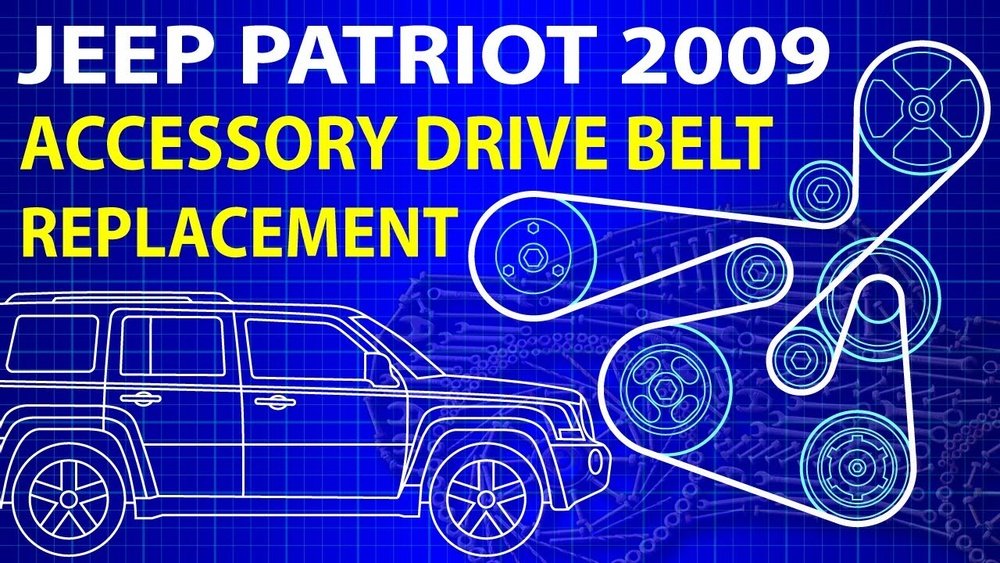
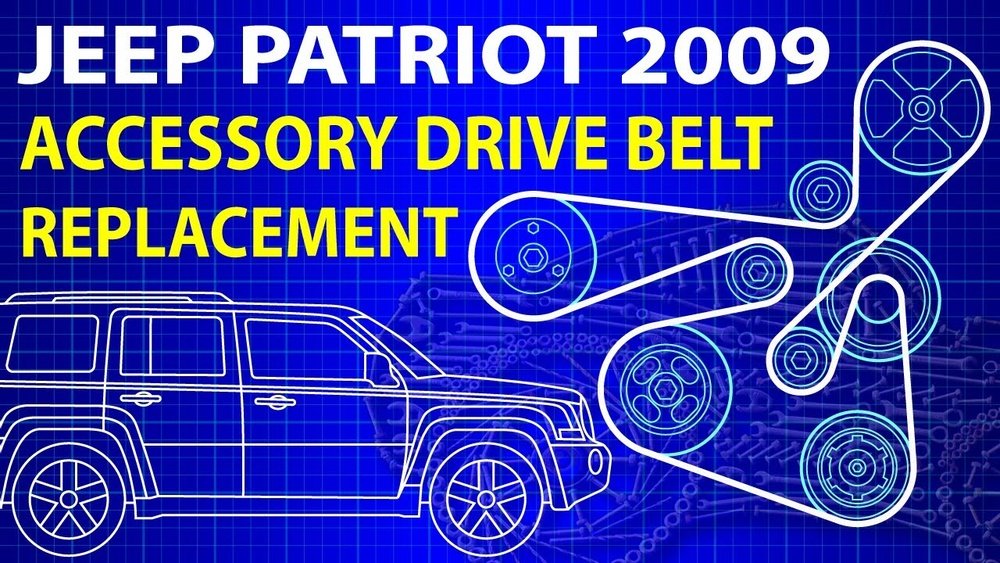
The 2016 Jeep Patriot belt diagram is a crucial piece of information for any owner looking to perform maintenance or understand their vehicle's engine.
This diagram shows the path the serpentine belt takes around various pulleys, which are essential for powering accessories like the alternator, power steering pump, and air conditioning compressor.
Knowing the correct routing is vital to ensure these components function correctly and to avoid damage to the belt or engine if it’s installed improperly.
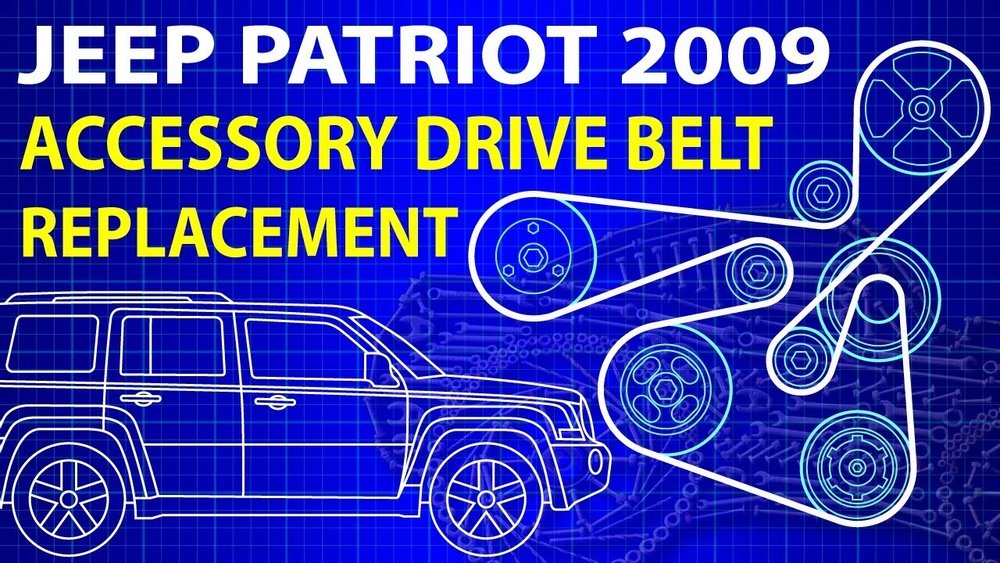
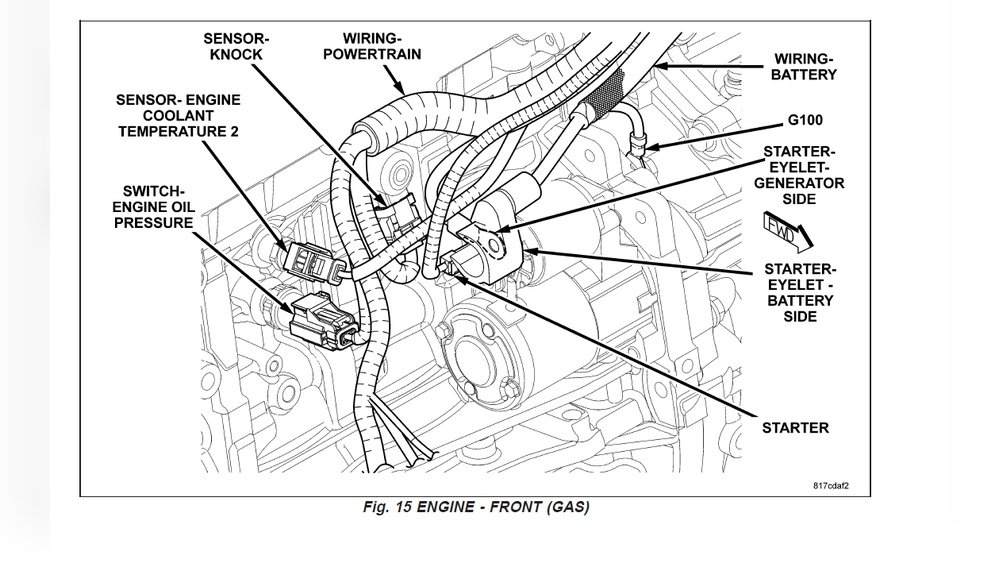
Understanding your Jeep Patriot’s serpentine belt system is more than just a DIY task; it’s about preventative maintenance and cost savings. A worn or misaligned belt can lead to a cascade of problems, from a dead battery (due to the alternator not working) to a loss of power steering or a disabled air conditioning system. By familiarizing yourself with the belt diagram, you empower yourself to identify potential issues early and address them before they become expensive repairs. This guide will walk you through the 2016 Jeep Patriot’s belt system, explaining its components, how to read a belt diagram, and what to look for during inspections.
Understanding The Serpentine Belt System
The serpentine belt is a single, continuous rubber belt that snakes around multiple pulleys in your engine. Unlike older vehicles that used multiple V-belts, modern cars like the 2016 Jeep Patriot use a single serpentine belt to drive all the accessories.
This design is more efficient, takes up less space, and generally lasts longer. However, when it fails, it takes out all the systems it powers with it.
Key Components Driven By The Serpentine Belt
The serpentine belt is the unsung hero of your engine's accessory drive system. It's responsible for powering several critical components that make your driving experience comfortable and safe.
Each component plays a vital role, and their failure due to a broken or slipping belt can have immediate and significant consequences.
- Alternator: This is perhaps the most critical component powered by the serpentine belt. The alternator’s job is to generate electricity to recharge the battery and power the vehicle’s electrical systems while the engine is running. If the belt driving the alternator fails, your battery will quickly drain, leading to a complete loss of electrical power and the engine shutting down. You’ll likely see a battery warning light illuminate on your dashboard.
- Power Steering Pump: For vehicles equipped with hydraulic power steering, the serpentine belt drives the power steering pump. This pump pressurizes hydraulic fluid, which assists you in turning the steering wheel. A broken belt means no power steering assist, making the steering wheel incredibly heavy and difficult to turn, especially at low speeds or when parking. This can be a safety hazard.
- Air Conditioning (A/C) Compressor: The A/C compressor is responsible for circulating refrigerant to cool the air inside your cabin. The serpentine belt provides the rotational force needed for the compressor to operate. If the belt breaks, your A/C will stop blowing cold air, leading to an uncomfortable driving experience, particularly in hot weather.
- Water Pump: In many vehicles, including some configurations of the 2016 Jeep Patriot, the serpentine belt also drives the water pump. The water pump circulates coolant through the engine and radiator, preventing the engine from overheating. If the water pump is driven by the serpentine belt and that belt fails, the engine will quickly overheat, potentially causing severe and expensive engine damage.
- Other Accessories: Depending on the specific trim level and options of your 2016 Jeep Patriot, the serpentine belt might also drive other accessories such as an air pump for emissions control or an idler pulley. An idler pulley is essentially a tensioner that keeps the belt tight and in place.
How The Serpentine Belt Works
The serpentine belt is a long, ribbed belt that wraps around several pulleys. The engine’s crankshaft pulley is typically the driving pulley, providing the initial rotation. As the crankshaft turns, it spins the belt, which in turn spins the other pulleys attached to the various accessories. The tension of the belt is maintained by a tensioner pulley, which is usually spring-loaded or hydraulic. This tension is crucial; too loose, and the belt will slip and squeal; too tight, and it can damage bearings in the accessories or the tensioner itself. The ribbed design of the belt ensures it grips the pulleys effectively, preventing slippage even under significant load.
Reading Your 2016 Jeep Patriot Belt Diagram
A serpentine belt diagram is essentially a map of your engine's accessory drive system. It visually shows the path the belt follows around each pulley.
These diagrams are crucial for correct installation and troubleshooting. Without the correct diagram, installing a new belt can be challenging, and there's a high risk of errors that could damage components or lead to premature belt failure.
What A Belt Diagram Shows
A typical belt diagram for a 2016 Jeep Patriot will feature:
- Pulleys: Each pulley is represented by a circle or a symbol indicating its function (e.g., crankshaft pulley, alternator pulley, A/C compressor pulley, power steering pulley, water pump pulley, idler pulley, tensioner pulley).
- Belt Path: Lines or arrows indicate the exact path the serpentine belt must take around these pulleys. The ribbed side of the belt usually engages with specific pulleys, while the smooth side engages with others.
- Tensioner Location: The diagram will clearly show the location of the automatic tensioner, which is essential for maintaining proper belt tension.
- Rotation Direction: Sometimes, arrows will indicate the direction of rotation for each pulley, though this is often implied by the belt path.
Where To Find The Belt Diagram
There are several places where you can find the serpentine belt diagram for your 2016 Jeep Patriot:
- Under the Hood: Many manufacturers place a sticker with the belt routing diagram on a flat surface under the hood, often on the radiator support, the underside of the hood itself, or a strut tower. This is the most convenient place to find it for quick reference.
- Owner’s Manual: Your Jeep Patriot’s owner’s manual is a comprehensive resource and often includes detailed diagrams of various engine components, including the serpentine belt system.
- Service Manual: A dedicated service manual for your 2016 Jeep Patriot will provide highly detailed diagrams and instructions for belt replacement and maintenance. These are more technical than the owner’s manual.
- Online Resources: Numerous automotive forums, repair websites, and even YouTube videos can provide belt diagrams or show the routing visually. However, always cross-reference information from online sources to ensure accuracy.
Common Belt Routing For The 2016 Jeep Patriot
While the exact routing can vary slightly based on engine options (e. g.
, 2. 0L vs.
2. 4L engine), the general principle remains the same.
The belt will loop around the crankshaft pulley, then snake through the other accessory pulleys, and finally loop around the tensioner pulley to maintain tautness.
Pro Tip: Always double-check the diagram against your engine bay before starting any work. Sometimes, labels can be faded, or a previous repair might have been done incorrectly.

Identifying A Failing Serpentine Belt
Serpentine belts are made of durable rubber compounds, but they are not immune to wear and tear. Over time, exposure to heat, oil, and constant flexing can cause them to degrade.
Recognizing the signs of a failing belt can save you from unexpected breakdowns.
Signs Of A Worn Serpentine Belt
- Squealing Noise: A high-pitched squealing sound, especially when you first start the engine or when you accelerate, is a common indicator of a worn, loose, or misaligned belt. This noise often occurs when the belt is slipping on one of the pulleys.
- Cracks and Fraying: Visually inspect the belt for cracks, splits, or fraying on the ribbed side or the edges. The rubber can become brittle over time, leading to these visible signs of wear.
- Glazed Appearance: The ribbed side of the belt should have a matte finish. If it appears shiny or glazed, it means the belt is slipping on the pulleys, generating heat and accelerating wear.
- Missing Chunks or Grooves: Physical damage, such as missing chunks of rubber or worn-down grooves, indicates significant wear and the need for immediate replacement.
- Excessive Vibration: A damaged or improperly tensioned belt might vibrate excessively, which can be heard or even felt.
- Accessory Malfunction: If you notice that your power steering is becoming harder to operate, your A/C is blowing warm air, or your battery warning light is on, and you’ve ruled out other electrical issues, the serpentine belt is a prime suspect.
The Role Of The Belt Tensioner
The automatic belt tensioner is a critical component that keeps the serpentine belt properly taut. If the tensioner fails, the belt will become loose, leading to slipping, squealing, and eventual failure. Signs of a failing tensioner include:
- Wobbly Tensioner Pulley: If the tensioner pulley wobbles or doesn’t move smoothly when the engine is running, it might be failing.
- Loose Belt: If the belt appears excessively slack even with the engine off, the tensioner may not be providing enough force.
- Noise from the Tensioner Pulley: A worn bearing in the tensioner pulley can produce a grinding or whirring noise.
Replacing The Serpentine Belt
Replacing the serpentine belt on a 2016 Jeep Patriot is a task that many DIY enthusiasts can tackle with the right tools and a clear understanding of the belt diagram. It typically involves releasing tension from the tensioner pulley, removing the old belt, routing the new belt correctly according to the diagram, and then releasing the tensioner to tighten the new belt.
Tools You’ll Need
- Serpentine Belt Tool Kit: This specialized tool set usually includes a long breaker bar and various socket attachments designed to fit the tensioner pulley bolt, allowing you to apply leverage safely.
- Socket Set and Ratchet: For removing any splash shields or other components that might obstruct access.
- Gloves and Safety Glasses: Essential for protecting your hands and eyes.
- New Serpentine Belt: Ensure you have the correct belt for your specific 2016 Jeep Patriot model and engine.
Step-by-step Replacement Process (general)
- Locate the Belt and Tensioner: Identify the serpentine belt and the automatic tensioner pulley. The tensioner is usually a spring-loaded pulley that you can rotate with a wrench or breaker bar.
- Release Belt Tension: Attach the appropriate socket or tool to the tensioner pulley bolt. Apply steady pressure to rotate the tensioner, which will loosen the belt. While holding the tensioner, slip the old belt off one of the pulleys, typically the alternator or power steering pulley, as they are often the easiest to access.
- Remove the Old Belt: Once the belt is off one pulley, carefully unthread it from all the other pulleys. Make sure to note the routing or refer to your belt diagram.
- Route the New Belt: Following the belt diagram precisely, loop the new belt around all the pulleys except for the one driven by the tensioner. Ensure the ribbed side of the belt engages with the ribbed pulleys and the smooth side with the smooth pulleys as indicated.
- Apply Tension and Seat the Belt: Once the belt is routed correctly, use your tool to rotate the tensioner again, loosening the belt enough to slip it onto the final pulley. Ensure the belt is seated correctly in the grooves of all pulleys.
- Release Tensioner and Inspect: Slowly release the tension on the tensioner. The belt should now be taut. Double-check that the belt is aligned correctly on all pulleys and that no part of it is rubbing against any engine components it shouldn’t be.
- Start the Engine: Start the engine and listen for any unusual noises, such as squealing. Check that all accessories are functioning correctly. Let the engine run for a few minutes and then shut it off to re-inspect the belt’s position on the pulleys.
Warning: If the belt is installed incorrectly, it can slip off, cause damage to other components, or even break, leaving you stranded. Always refer to the specific belt diagram for your vehicle.

Maintenance And Longevity Tips
Proper maintenance can significantly extend the life of your serpentine belt and prevent premature failure. Regular inspections and timely replacement are key.
Regular Inspections
Make it a habit to visually inspect your serpentine belt during oil changes or other routine maintenance. Look for the signs of wear mentioned earlier: cracks, fraying, glazing, and missing chunks. Also, pay attention to any new noises coming from the engine bay, especially squealing or grinding sounds, as these can indicate belt or tensioner issues.
Replacement Intervals
While serpentine belts are designed to last a long time, they do have a lifespan. Most manufacturers recommend inspecting the belt around every 30,000 miles and replacing it every 60,000 to 100,000 miles, or sooner if signs of wear appear.
However, this can vary greatly depending on driving conditions, climate, and the quality of the belt. Check your owner’s manual for specific recommendations for your 2016 Jeep Patriot.
Choosing The Right Replacement Belt
When it's time to replace the belt, always use a high-quality replacement part. Cheaper, off-brand belts may not meet the same durability standards and could fail prematurely.
Stick to reputable brands known for their quality automotive components. Ensure the belt you purchase is specifically designed for the 2016 Jeep Patriot with your particular engine size.
Troubleshooting Common Belt Issues
Even with careful maintenance, you might encounter issues with your serpentine belt system. Understanding common problems can help you diagnose and resolve them quickly.
Squealing Noises
As mentioned, squealing is often due to belt slippage. This can be caused by:
- Worn Belt: The rubber loses its grip.
- Loose Belt: The tensioner is weak or has failed.
- Misaligned Pulleys: A pulley might be bent or not spinning true, causing the belt to run off-center.
- Contamination: Oil or coolant leaks onto the belt can reduce friction.
If you hear squealing, inspect the belt and tensioner. If the belt is old or damaged, replace it.
If the belt looks good, the tensioner might be the culprit. If pulleys appear misaligned or contaminated, you'll need to address the source of the problem.
Belt Comes Off Pulleys
This is a serious issue that can happen if:
- Belt is Incorrectly Installed: The routing is wrong, or the belt isn’t seated properly.
- Tensioner Failure: The belt becomes too loose and slips off.
- Worn or Damaged Pulleys: A pulley with a damaged groove or a bearing failure can cause the belt to derail.
- Misalignment: A pulley that is not spinning straight can push