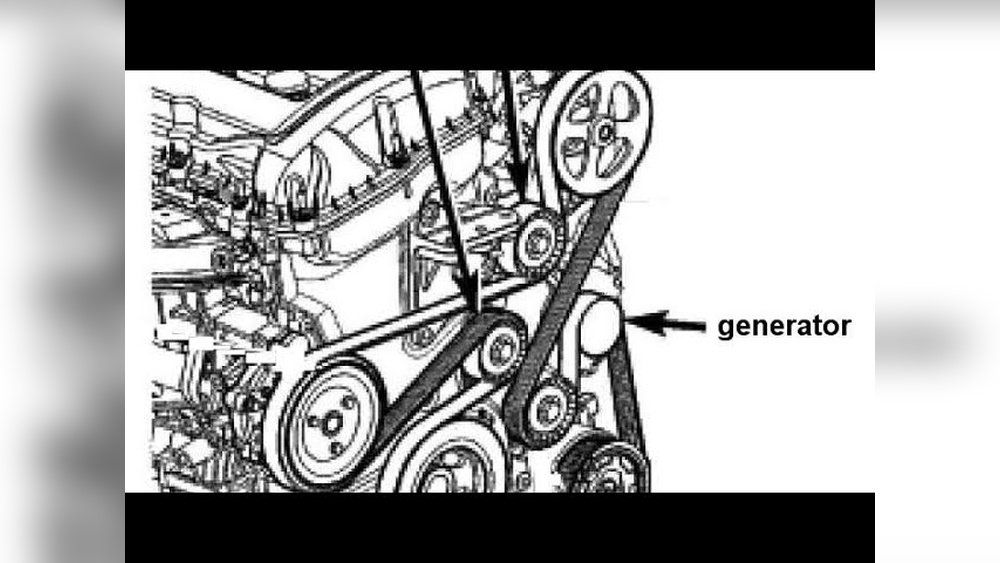
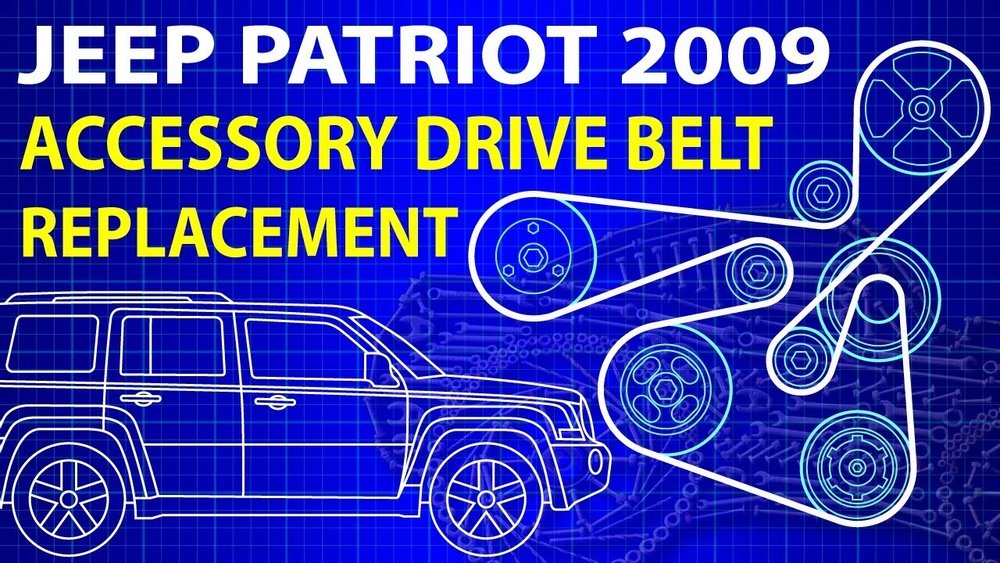
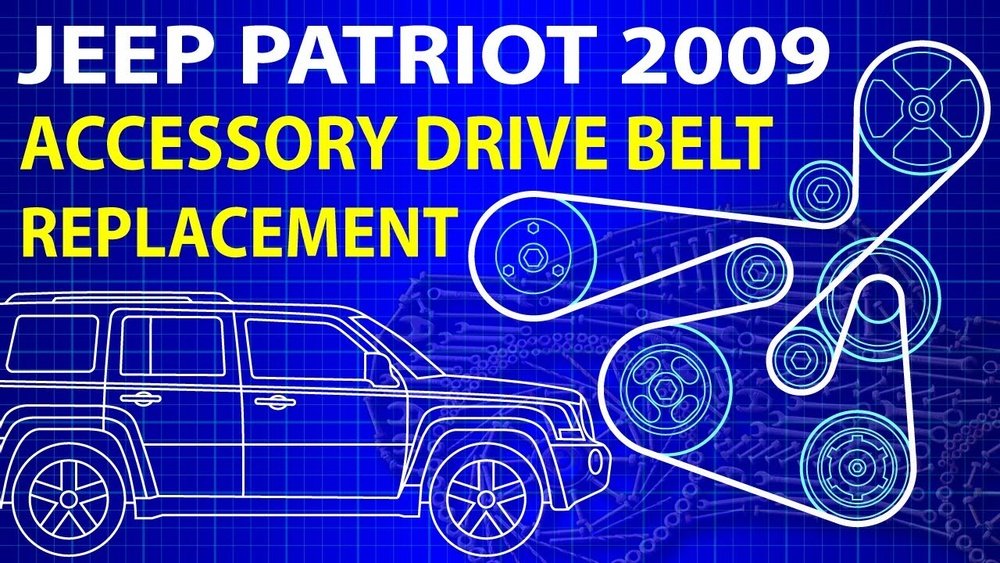
The 98 Jeep Cherokee serpentine belt diagram is a crucial piece of information for any owner looking to maintain their vehicle. This diagram shows how the belt wraps around various pulleys, such as the alternator, power steering pump, and air conditioning compressor, to power these essential components.
Understanding this routing is vital for proper belt installation, tensioning, and diagnosing issues like a worn or misaligned belt. A correctly routed and tensioned serpentine belt ensures your Jeep Cherokee's accessories function as intended, preventing breakdowns and costly repairs.
Understanding The Serpentine Belt System
The serpentine belt is a single, continuous belt that drives multiple accessories in your engine. Unlike older V-belts that each drove a single accessory, the serpentine belt snakes its way around a complex system of pulleys.
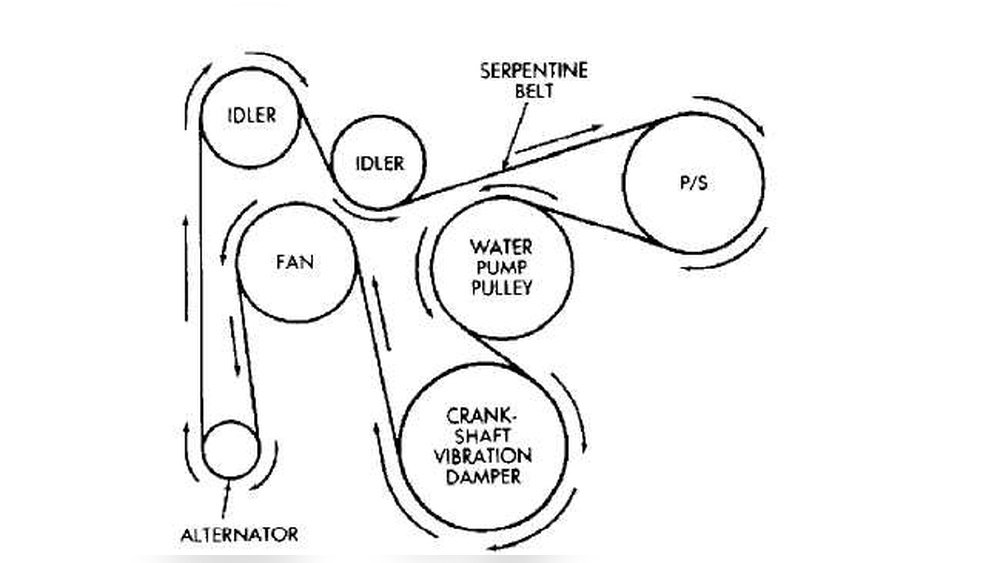
This design is more efficient, uses less space, and generally lasts longer.
However, it also means that if one accessory seizes or the belt breaks, multiple systems can be affected simultaneously.
Components Driven By The Serpentine Belt
The specific components driven by the serpentine belt can vary slightly depending on the year and options of your ’98 Jeep Cherokee, but generally include:
- Alternator: Generates electricity to charge the battery and power the vehicle’s electrical systems.
- Power Steering Pump: Provides hydraulic pressure to make steering easier.
- Water Pump: Circulates coolant through the engine to prevent overheating.
- Air Conditioning (A/C) Compressor: Compresses refrigerant to cool the cabin.
- Idler Pulley: A smooth pulley that helps guide the belt and maintain tension.
- Tensioner Pulley: A spring-loaded or hydraulic pulley that automatically keeps the belt at the correct tension.
Why A Serpentine Belt Diagram Is Essential
A serpentine belt diagram is your roadmap for this complex system. Without it, replacing a broken belt or even just checking its condition becomes a guessing game.
Incorrect routing can lead to the belt slipping, wearing prematurely, or even damaging other components.
The diagram ensures that each pulley is engaged correctly, allowing for efficient power transfer and optimal performance of all driven accessories.
Locating Your 1998 Jeep Cherokee Serpentine Belt Diagram
Finding the correct diagram for your specific ’98 Jeep Cherokee is the first step. There are several reliable places to look.
Under The Hood Stickers
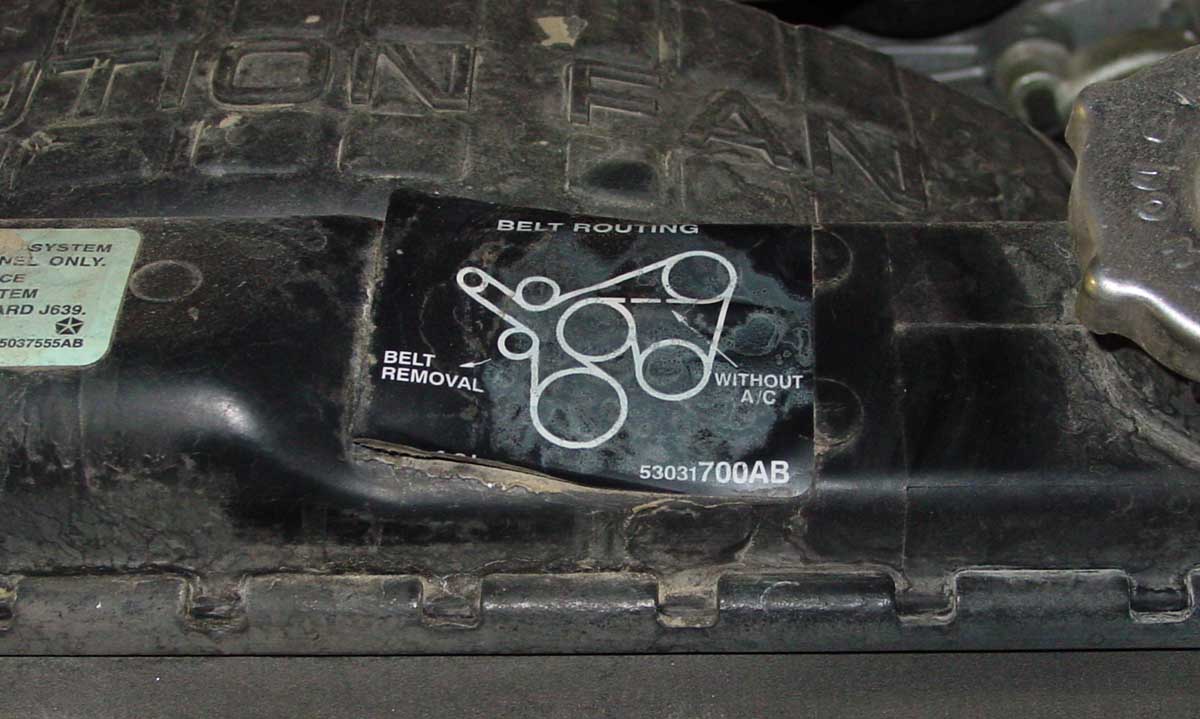
Many vehicles, including Jeeps from this era, have a sticker located under the hood that displays the serpentine belt routing. This is often found on the radiator support, the underside of the hood itself, or a fender well.
This is the most convenient and often the most accurate source as it's specific to your vehicle's original configuration.
Owner’s Manual
Your Jeep Cherokee's owner's manual is another excellent resource. It typically contains a section on maintenance, which often includes diagrams of the engine components and belt routing.
While it might not be as detailed as a dedicated service manual, it usually provides enough information for basic identification and replacement.
Online Resources And Forums
The internet is a vast repository of automotive information. Searching online for "'98 Jeep Cherokee serpentine belt diagram" will yield numerous results.
Reputable automotive forums, dedicated Jeep enthusiast websites, and even general auto parts retailers often host these diagrams. Be sure to cross-reference information if you find it on less official sources.
Service Manuals
For the most detailed and accurate information, a factory service manual or a reputable aftermarket repair manual (like Haynes or Chilton) is invaluable. These manuals are written for professional mechanics and DIYers and contain comprehensive diagrams, step-by-step instructions, and specifications for all maintenance and repair procedures.
Common Serpentine Belt Issues And Symptoms
Recognizing the signs of a failing serpentine belt can save you from unexpected breakdowns. The belt is subjected to constant stress, heat, and friction, leading to wear over time.
Squealing Noises
A common symptom of a worn or loose serpentine belt is a high-pitched squealing sound, especially when the engine is first started or when accelerating. This often indicates that the belt is slipping on one or more pulleys due to a lack of proper tension or a glazed surface.
Cracks And Fraying
Visually inspecting the belt is crucial. Look for visible cracks, fraying, or missing chunks along the belt's surface.
These are clear signs of degradation and indicate that the belt needs immediate replacement.
Glazed Or Shiny Surface
A belt that looks unusually shiny or glazed on its ribbed side has likely hardened due to heat and age. This glazing reduces its grip on the pulleys, leading to slipping and the squealing noises mentioned earlier.
Accessory Malfunctions
If an accessory driven by the serpentine belt stops working, it could be due to a broken belt or a pulley issue. For example, if your battery warning light comes on, it suggests the alternator isn’t charging, which could be a belt problem.
Similarly, if your power steering becomes very stiff, the power steering pump might not be getting driven.
Belt Tension Issues
A belt that is too loose will slip and squeal. A belt that is too tight can put excessive strain on the bearings of the accessories it drives, leading to premature failure of components like the alternator or water pump.
The tensioner pulley is designed to maintain the correct tension, but if it fails, or if the belt stretches excessively, you might notice symptoms of improper tension.
Serpentine Belt Replacement Procedure
Replacing a serpentine belt on a ’98 Jeep Cherokee is a manageable task for many DIYers. However, it requires careful attention to the routing diagram and proper tensioning.
Gathering Necessary Tools And Parts
Before you begin, ensure you have the correct replacement belt for your ’98 Cherokee. You will also need a socket set, a breaker bar or long-handled ratchet to release tension on the tensioner pulley, and potentially a serpentine belt tool kit if access is tight.
Safety glasses and gloves are also recommended.
Releasing Belt Tension
The key to removing the old belt is to release the tension on the tensioner pulley. Locate the tensioner pulley (referencing your diagram).
You'll typically find a bolt head or a square hole on the tensioner assembly. Use your ratchet or breaker bar to rotate the tensioner, which will loosen the belt.
Routing The New Belt
Once the old belt is off, carefully inspect the pulleys for any debris or damage. Now, using your 98 Jeep Cherokee serpentine belt diagram, begin routing the new belt around the pulleys. Start with the crankshaft pulley and work your way around, ensuring the ribbed side of the belt engages the ribbed pulleys and the smooth side engages the smooth pulleys. It’s often easiest to leave one pulley, like the alternator or power steering pump, for last.
Applying Tension And Final Check
After the belt is routed around all pulleys except the last one, pull the tensioner again to release its tension. Slip the belt onto the final pulley, and then slowly release the tensioner.
The belt should now be taut. Double-check that the belt is properly seated on all pulleys.
Start the engine briefly and listen for any unusual noises. Let it run for a minute or two, then shut it off and re-inspect the belt’s seating and tension.
Understanding The Specific Pulley Layout For The ’98 Jeep Cherokee
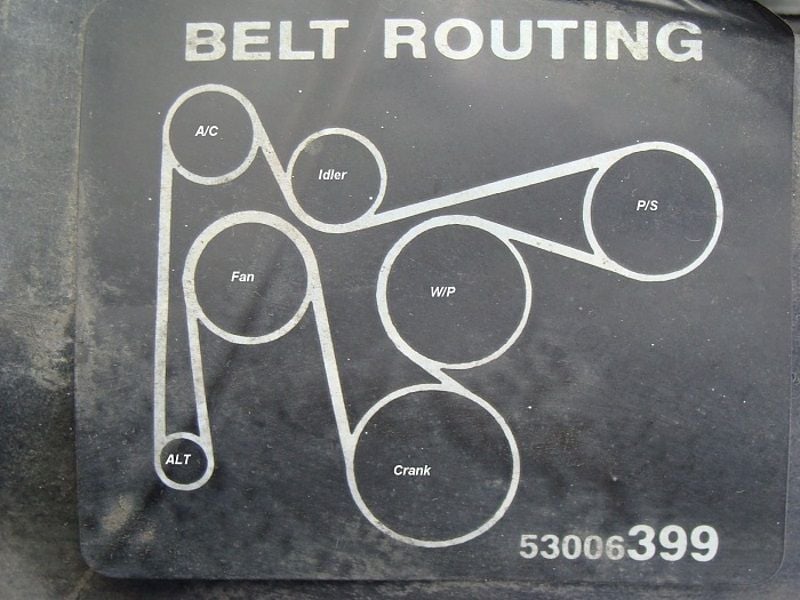
The precise arrangement of pulleys is what the diagram illustrates. While general principles apply, knowing the exact order is critical.
For the 1998 Jeep Cherokee, common configurations exist, but variations might occur based on engine size and specific factory options.
Example Of A Typical ’98 Cherokee Belt Path
A common serpentine belt path for a 1998 Jeep Cherokee (4.0L engine) often looks something like this:
- Crankshaft Pulley: The belt originates here, powered directly by the engine.
- Power Steering Pump Pulley: The belt moves upwards to drive the power steering.
- Water Pump Pulley: Next, it engages the water pump, crucial for engine cooling.
- Alternator Pulley: The belt then turns the alternator to generate electricity.
- A/C Compressor Pulley: If equipped, the belt drives the A/C compressor.
- Idler Pulley: A smooth idler pulley guides the belt and can help maintain a desired path.
- Tensioner Pulley: The belt wraps around the tensioner pulley, which provides the necessary force to keep the belt tight.
This is a generalized path, and the exact order and angles can differ. Always refer to a specific diagram for your vehicle.
The Role Of The Tensioner And Idler Pulleys
The tensioner pulley is vital. It uses a spring or hydraulic mechanism to constantly apply pressure to the belt, compensating for stretching and vibration. Without a properly functioning tensioner, the belt will slip, leading to noise and reduced accessory performance. The idler pulley, on the other hand, is typically a free-spinning pulley used to increase the belt’s contact area with other pulleys or to route the belt away from obstructions.
Specific Pulley Configurations And Considerations
While the '98 Cherokee is known for its robust 4. 0L inline-six engine, variations in accessory setups can influence the belt's path.
Understanding these nuances is key to avoiding installation errors.
Variations Based On Engine Options
The 4.0L engine was standard for most ’98 Cherokees. However, if a rarer 2.5L engine was optioned, the pulley layout would differ significantly. Always confirm your engine size. For the 4.0L, the presence or absence of the air conditioning system is the most common factor causing a different belt path. Vehicles without A/C will have a shorter belt and a different routing around the pulleys that would otherwise be used by the A/C compressor.
The Importance Of Belt Length And Rib Count
Serpentine belts are not one-size-fits-all. They come in specific lengths and have a certain number of ribs (grooves) on their underside.
These ribs must match the grooves on the pulleys for proper engagement. Using the wrong belt can lead to slippage, noise, and rapid wear.
Always verify the correct belt part number for your specific ’98 Jeep Cherokee model and options.
Checking Pulley Condition
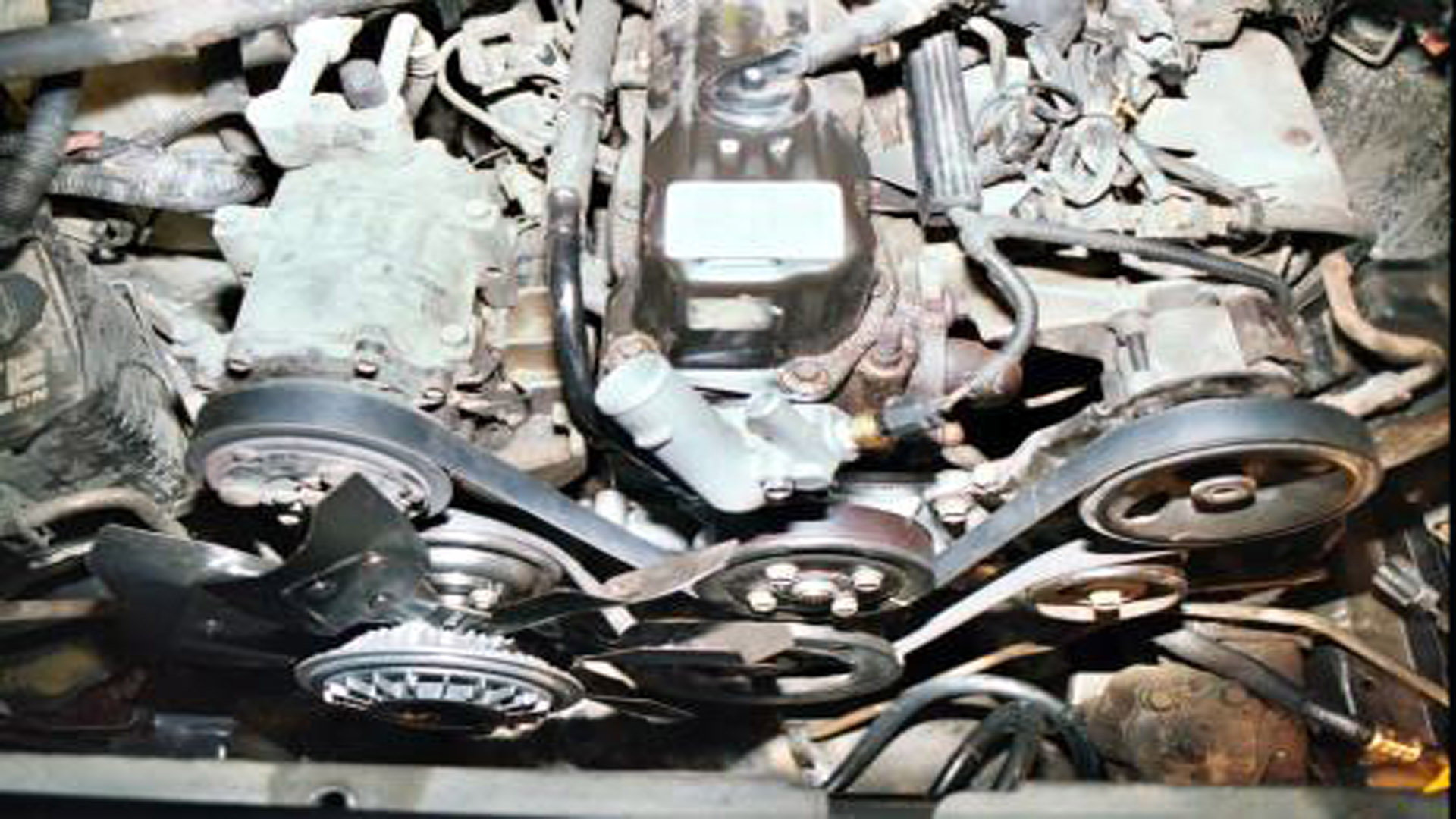
When replacing the belt, it's an opportune time to inspect the pulleys themselves. Spin each pulley by hand.
They should rotate smoothly and quietly. Any roughness, grinding noises, or excessive play in a pulley indicates a failing bearing, which will damage the new belt and should be replaced.
Maintenance Tips For Your Serpentine Belt
Proactive maintenance can significantly extend the life of your serpentine belt and prevent unexpected issues.
Regular Visual Inspections
Make it a habit to look at your serpentine belt during routine maintenance checks, such as oil changes. Look for the signs of wear mentioned earlier: cracks, fraying, glazing, or contamination with oil or coolant.
Understanding Belt Wear Indicators
Some belts are designed with wear indicators, though this was less common in 1998. Generally, the visible signs of damage are the primary indicators.
A belt that has been on the vehicle for over 50,000 to 100,000 miles (depending on material and driving conditions) should be considered for replacement even if it looks okay, as internal degradation can occur.
Avoiding Contamination
Oil or coolant leaks can quickly degrade a serpentine belt, causing it to swell, soften, and lose its grip. If you notice any fluid leaks near the belt area, address the source of the leak immediately.
Cleaning the pulleys and installing a new belt may be necessary after a significant fluid contamination.
Proper Tensioning
While the automatic tensioner usually handles this, it's worth noting that if you ever manually adjust belt tension (e. g.
, on older systems or if the tensioner is faulty), it's crucial to get it right. Too loose, and it slips; too tight, and it stresses components.
Troubleshooting Common Serpentine Belt Problems
When you encounter issues with your serpentine belt, a systematic approach can help pinpoint the cause.
Diagnosing Squealing Noises
A squeal can be caused by a worn belt, a misaligned pulley, a failing tensioner, or a seized accessory.
- Belt Wear: First, inspect the belt for damage or glazing.
- Tensioner: Check if the tensioner is moving freely and applying adequate pressure.
- Pulley Alignment: Ensure all pulleys are running true and not wobbling.
- Accessory Check: With the engine off, try to spin each accessory pulley by hand. If one is seized or difficult to turn, that accessory is likely the cause.
Addressing Accessory Failure
If an accessory stops working, the belt is the prime suspect.
- Broken Belt: The most obvious cause. Replace the belt and inspect all pulleys for the reason it broke (e.g., seized pulley).
- Slipping Belt: A worn or loose belt might slip enough to not power the accessory effectively. Check tension and belt condition.
When To Replace The Tensioner
The automatic tensioner is a wear item. If you notice excessive vibration of the tensioner pulley, a loose belt despite the tensioner appearing functional, or if the tensioner arm feels weak or sluggish, it's time for a replacement.
A failing tensioner can lead to premature belt wear or failure.
Specific Pulley Details For The 1998 Jeep Cherokee (4.0l Engine)
Let's delve into the specifics of the pulleys typically found on the popular 4. 0L engine in the 1998 Jeep Cherokee.
Accurate identification is paramount for correct belt routing.
Crankshaft Pulley
This is the largest pulley and is directly connected to the engine's crankshaft. It's the primary source of rotational power for the serpentine belt system.
It usually has a deep groove for the belt.
Power Steering Pump Pulley
Located towards the front of the engine, this pulley drives the hydraulic power steering pump. Its speed is directly proportional to engine RPM.
Water Pump Pulley
Mounted on the shaft of the water pump, this pulley is essential for circulating coolant. It’s often positioned relatively low on the engine.
Alternator Pulley
This pulley drives the alternator, responsible for charging the battery and powering the vehicle’s electrical systems. It’s typically located higher up on the engine block.
Air Conditioning (a/c) Compressor Pulley
If your Cherokee is equipped with A/C, this pulley drives the compressor. Note that the A/C compressor pulley has a clutch that engages when the A/C is turned on.
When the A/C is off, the pulley still spins with the belt, but the compressor's internal mechanism is not engaged.
Idler Pulley(s)
The ’98 Cherokee might have one or more idler pulleys. These are typically smooth pulleys, without grooves, used to guide the belt along its path, increase belt wrap on other pulleys, or help achieve the correct belt tension.
Automatic Belt Tensioner Pulley
This is a spring-loaded or hydraulic pulley assembly that maintains the correct tension on the serpentine belt. It’s crucial for preventing belt slippage and ensuring all accessories operate efficiently.