If the tire pressure warning light on your Jeep Grand Cherokee has come on, you might feel a bit frustrated or unsure about what to do next. You want to make sure your tires are safe and your vehicle is running smoothly, but the blinking TPMS light can be confusing.
The good news is that resetting the Tire Pressure Monitoring System (TPMS) on your Jeep Grand Cherokee is often a simple process you can do yourself.
You’ll discover clear, step-by-step instructions to reset your TPMS quickly and get that warning light off your dashboard.
Keep reading because knowing how to handle this can save you time, stress, and keep your Jeep ready for the road.
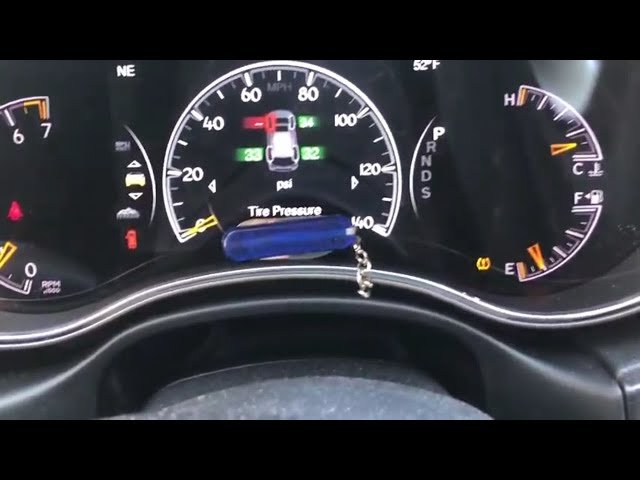
Tpms Basics On Jeep Grand Cherokee
The Tire Pressure Monitoring System (TPMS) keeps track of your Jeep Grand Cherokee’s tire pressure. It helps maintain safe driving conditions.
The system alerts you if tire pressure falls too low.
TPMS improves fuel efficiency and tire life by ensuring correct tire inflation. It uses sensors inside each tire to monitor pressure in real time.
Understanding how TPMS works can help you respond to warnings quickly.
What Tpms Does
TPMS measures the air pressure in each tire. It sends this data to your vehicle’s computer.
If pressure drops below a safe level, a warning light appears on the dashboard.
This system helps prevent tire damage and blowouts. It also improves vehicle handling and braking performance.
TPMS supports safer and more efficient driving every day.
Common Tpms Warning Signs
The most common sign is the TPMS warning light on the dashboard. It looks like an exclamation mark inside a horseshoe shape.
This light means one or more tires have low pressure.
Other signs include uneven tire wear or poor vehicle handling. Sometimes, the tire pressure light may stay on after inflating tires.
This means the system needs to be reset or recalibrated.
Recognizing these signs early can help avoid costly repairs or accidents. Proper tire maintenance and timely TPMS resets keep your Jeep running smoothly.

Preparing To Reset Tpms
Preparing to reset the TPMS on your Jeep Grand Cherokee is essential. This step ensures the system will work correctly after adjustment. Taking the time to prepare helps avoid errors and saves time later.
Start by making sure your tires have the correct pressure. You cannot reset the system with low or uneven tire pressure.
Also, gather any tools you might need for the process.
Checking Tire Pressure
Check the tire pressure with a reliable gauge. The recommended pressure is usually on the driver’s door sticker.
Check all four tires and the spare if your vehicle has one. Inflate any tire that is below the recommended level. Proper pressure helps the TPMS recalibrate accurately.
Tools Needed
Gather a tire pressure gauge and an air compressor or pump. Some Jeep Grand Cherokee models may require a TPMS reset tool. Consult your owner’s manual to confirm if your model needs this device. Having all tools ready makes the reset process smooth and quick.
Step-by-step Tpms Reset Process
Resetting the Tire Pressure Monitoring System (TPMS) on a Jeep Grand Cherokee is a simple task. This guide breaks down the process into clear, easy steps.
Follow each step carefully to ensure your TPMS resets properly and the warning light turns off.
Inflate Tires To Recommended Psi
Start by checking the tire pressure on all four tires. Use a reliable tire pressure gauge for accuracy.
Inflate each tire to the recommended PSI found on the driver’s door sticker. Do not forget the spare tire, as it may have a sensor.
Proper tire pressure is important for the TPMS to reset.
Look for the TPMS reset button inside your Jeep Grand Cherokee. It is usually located under the steering wheel or near the glove box.
Check your owner’s manual if you cannot find it. The button is small and may be labeled “TPMS” or have a tire icon. This button starts the reset process.
Performing The Reset Procedure
Turn the ignition to the “ON” position without starting the engine. Press and hold the TPMS reset button until the TPMS light blinks three times.
Release the button after the blinking stops. This signals that the reset process has begun.
Keep the ignition on for a few minutes to allow the system to update.
Driving To Complete The Reset
Drive your Jeep Grand Cherokee for about 10 to 15 minutes at speeds above 30 mph. This allows the TPMS sensors to recalibrate and communicate the correct tire pressure to the system.
The TPMS light should turn off after this drive. If it stays on, repeat the steps or check your tire pressure again.
Troubleshooting Tpms Issues
Troubleshooting TPMS issues in your Jeep Grand Cherokee helps keep you safe on the road. The Tire Pressure Monitoring System alerts you when tire pressure is low or sensors malfunction.
Addressing TPMS problems quickly prevents tire damage and improves vehicle performance.
Common TPMS issues include a warning light that stays on, sensor failures, or inaccurate pressure readings. Understanding these problems allows you to take proper steps to fix them.
Below are key troubleshooting tips for TPMS issues.
When The Light Stays On
The TPMS warning light may stay on even after inflating tires to the correct pressure. This can happen if the system has not reset automatically.
Drive your Jeep Grand Cherokee at speeds above 25 mph for about 10 minutes to allow the system to recalibrate.
If the light remains on, check each tire’s pressure with a gauge. Uneven pressure or a slow leak can cause persistent alerts.
Sometimes, cold weather triggers false warnings due to pressure changes. Monitor the situation before assuming sensor failure.
Sensor Replacement And Repair
TPMS sensors have batteries that last 5 to 10 years. A dead battery means the sensor cannot send tire pressure data.
Signs of sensor failure include a blinking or constant TPMS light and no pressure readings.
Replacing sensors requires removing the tire and valve core. Many auto shops offer sensor replacement services.
Avoid DIY sensor fixes unless you have proper tools and knowledge. Incorrect installation can damage the sensor or tire.
Consulting A Service Center
Professional help ensures accurate diagnosis and repair of TPMS issues. Service centers have diagnostic tools to read sensor codes and reset the system.
They also inspect tires for leaks or damage that affect tire pressure.
Visit a Jeep dealership or trusted mechanic for TPMS troubleshooting. They can reset the system, replace faulty sensors, and perform necessary tire maintenance.
Regular service keeps your TPMS working reliably and your Jeep safe to drive.

Conclusion
Resetting the TPMS on your Jeep Grand Cherokee keeps you safe on the road. Check tire pressures regularly to avoid warning lights.
Inflate all tires, including the spare, to the recommended PSI. Drive for a few minutes to let the system update.
If the light stays on, repeat the steps or visit a service center. Maintaining proper tire pressure improves fuel efficiency and tire life.
Stay alert and handle the TPMS promptly to ensure smooth driving.