Resetting the tire pressure light on a Jeep Cherokee can seem confusing, especially if you’re not familiar with the TPMS (Tire Pressure Monitoring System). This light is important—it warns you if your tires are low or if there’s a problem with the system itself.
Driving with low tire pressure can be dangerous and reduce fuel efficiency. If you see this warning, it’s important to fix it fast.
This guide explains how to reset the tire pressure light, why it sometimes stays on, and what to do if the usual steps don’t work.
What Does The Tire Pressure Light Mean?
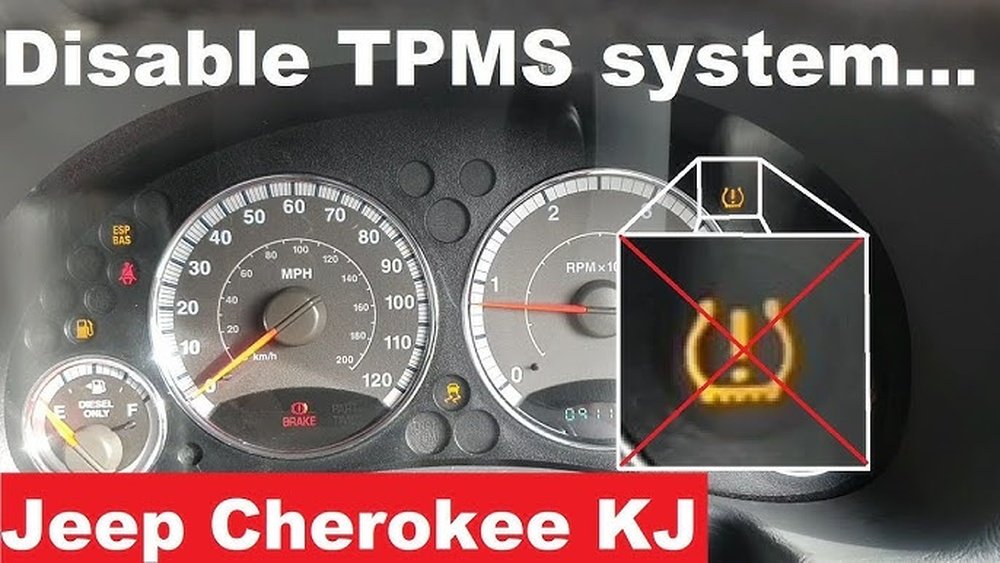
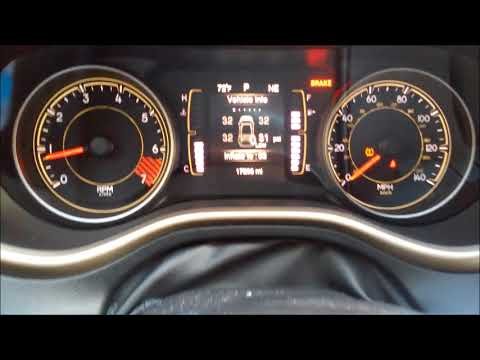
The tire pressure light is shaped like a horseshoe with an exclamation mark. It turns on when one or more tires are below the recommended pressure. The Jeep Cherokee uses sensors in each wheel to monitor pressure. If a sensor detects low pressure, it sends a signal to the dashboard.
Common Causes
- Low tire pressure in one or more tires
- Faulty TPMS sensor
- Temperature changes (cold weather lowers pressure)
- After tire rotation or replacement
It’s important to check your tire pressures and fix problems, rather than just resetting the light. Ignoring it can lead to poor handling, faster tire wear, and even accidents.
How To Check And Adjust Tire Pressure
Before you reset the light, make sure all tires are at the correct pressure.
- Find the recommended pressure on the driver’s door sticker (usually 33–36 psi for Jeep Cherokee).
- Use a tire pressure gauge to check each tire, including the spare.
- Add air if needed at a gas station or with a portable compressor.
- If you overfill, let some air out until the gauge shows the right number.
Here’s a quick comparison of tire pressure tools:
| Tool | Accuracy | Cost | Ease of Use |
|---|---|---|---|
| Digital Gauge | High | $15–$30 | Easy |
| Pencil Gauge | Medium | $5–$10 | Simple |
| Compressor Gauge | High | $40–$70 | Moderate |
Checking tire pressure regularly can prevent the warning light from appearing and helps you drive safely.
Steps To Reset Tire Pressure Light On Jeep Cherokee
Once your tires are properly inflated, you can try to reset the light. Most Jeep Cherokees don’t have a manual reset button, but the system resets itself after the tires reach the right pressure.
Standard Reset Steps
- Drive for 10–20 minutes at speeds above 15 mph. This allows the TPMS sensors to read the new pressure and update the dashboard.
- If the light stays on, turn the ignition off, then restart your vehicle after a few minutes.
- If you recently rotated or replaced tires, make sure all sensors are working.
Sometimes, the light doesn’t turn off right away. It may take a short drive for the system to recognize changes.
Advanced Reset Methods
If the standard steps don’t work, try these:
- Disconnect the battery: Remove the negative cable for 10 minutes, then reconnect. This can reset the computer system, but may erase radio presets.
- Use a TPMS reset tool: Some auto shops use special tools to re-sync sensors. These tools are usually available for $50–$100.
Here’s a table comparing reset methods:
| Method | Success Rate | Risk | Cost |
|---|---|---|---|
| Driving | High | None | Free |
| Battery Disconnect | Medium | Loss of settings | Free |
| TPMS Tool | High | None | $50–$100 |
Most drivers find that a short drive is enough. If not, a TPMS tool is reliable and quick.
Why The Tire Pressure Light Won’t Turn Off
Sometimes, even after adjusting your tire pressure, the light stays on. This can be frustrating, but there are reasons for this.
Common Issues
- Faulty TPMS sensor: Sensors can fail after 5–7 years or if damaged.
- Dead sensor battery: Most TPMS sensors have a built-in battery that can’t be replaced.
- Incorrect tire pressure: Double-check all tires, including the spare.
- Sensor not programmed: If you’ve changed wheels or sensors, they may need programming.
A professional mechanic can diagnose sensor issues. Replacing a sensor costs $50 $150 per tire.
Practical Tips For Jeep Cherokee Owners
- Always check tire pressure after big temperature changes.
- Don’t ignore the light—it’s a safety warning.
- If you’re unsure, visit a tire shop or dealership.
- Keep a digital gauge in your glove box for quick checks.
Many beginners overlook the spare tire. On some Cherokees, the TPMS monitors the spare as well.
A low spare tire can trigger the warning even if the others are fine.
Another insight: After tire service, the sensors may need to re-sync. This process can take up to 30 minutes of driving. Patience helps—don’t rush to replace sensors until you’ve tried all steps.
When To Seek Professional Help
If the light won’t reset after all steps, it’s time to visit a mechanic. They can scan the TPMS system for errors.
Sometimes, a sensor needs replacement or reprogramming. Dealerships and tire shops have the right tools for this.
You can learn more about TPMS systems and troubleshooting at Consumer Reports.
Frequently Asked Questions
Why Does The Tire Pressure Light Come On In Cold Weather?
Cold weather lowers air pressure in tires. The TPMS sensors detect this drop and trigger the warning. Check and adjust your tires when temperatures change.
Can I Drive With The Tire Pressure Light On?
It’s not safe. Low pressure makes tires wear faster, affects handling, and can cause a blowout.
Always fix the problem as soon as possible.
How Do I Know If A Sensor Is Faulty?
If the light stays on after all tires are properly inflated and reset steps fail, a faulty sensor is likely. Mechanics can scan for sensor errors.
Does The Spare Tire Affect The Warning Light?
Yes, on some Jeep Cherokees, the spare tire is monitored by TPMS. Make sure the spare is at the recommended pressure.
How Often Should I Check Tire Pressure?
Check tire pressure at least once a month and before long trips. This helps prevent problems and keeps your vehicle safe.
Resetting the tire pressure light on your Jeep Cherokee is simple if you follow the right steps. Make sure your tires are filled correctly, drive to allow the system to update, and use advanced methods if needed.
Take care of your TPMS it’s a key safety feature.
If problems continue, don’t hesitate to get professional help. Safe driving starts with good tires and proper pressure.