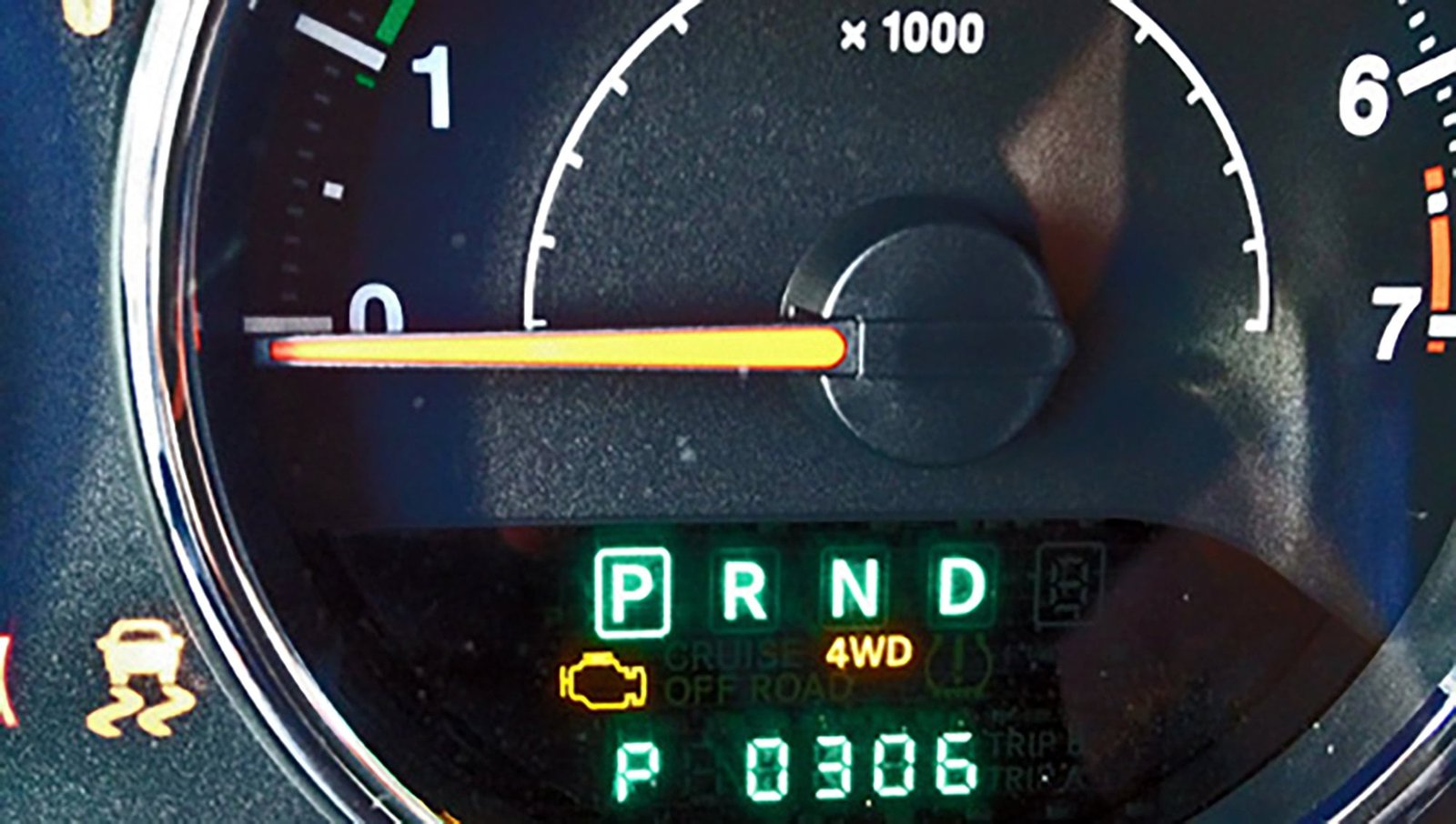
If your Jeep Wrangler JK’s check engine light just turned on, you might be feeling a mix of worry and confusion. You’re not alone, this little warning can pop up for many reasons, some serious and some simple.
The good news? You don’t always need a mechanic or expensive tools to reset that light. In this guide, you’ll learn easy, step-by-step methods to reset your Jeep Wrangler JK’s check engine light quickly and safely. Whether you want to clear a minor glitch or just understand what’s going on under the hood, give you the confidence to take control and get back on the road without that annoying light staring at you.
Keep reading, because your Jeep’s health and your peace of mind are just a few simple steps away.
Check Engine Light Causes
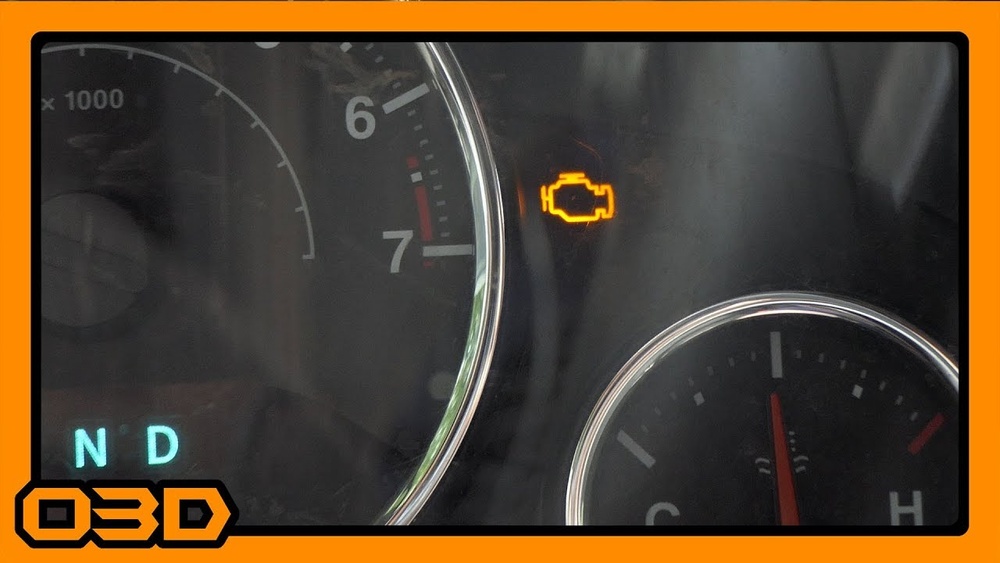
The Check Engine Light on your Jeep Wrangler JK signals an issue within the vehicle’s system. Understanding the causes helps in addressing the problem quickly. Several factors can trigger this warning light, ranging from simple fixes to more complex mechanical issues.
Common Issues Triggering The Light
The Check Engine Light often turns on due to engine or emission problems. Faulty spark plugs, bad fuel injectors, or a clogged catalytic converter are frequent culprits. Problems with the exhaust system or engine misfires can also cause the light to activate. These issues affect engine performance and emissions, requiring prompt attention.
How Sensor Problems Affect The Light
Sensors play a vital role in monitoring your Jeep’s engine functions. A malfunctioning oxygen sensor or mass airflow sensor can send incorrect data to the computer. This triggers the Check Engine Light to come on. Sensor faults may lead to poor fuel economy and engine hesitation. Checking and replacing faulty sensors can often turn the light off.
Impact Of Loose Gas Caps
A loose or damaged gas cap is a common and easy-to-fix reason for the Check Engine Light. It can cause fuel vapors to leak, disrupting the emission control system. The vehicle’s computer detects this leak and illuminates the warning light. Tightening or replacing the gas cap usually solves this problem quickly.
Reading Error Codes
Reading error codes is the first step to understanding your Jeep Wrangler JK’s check engine light. It helps pinpoint the exact problem causing the warning. This section explains how to read these codes easily and accurately. Knowing the codes makes it simpler to decide what to fix or reset.
Using An Obd-ii Scanner
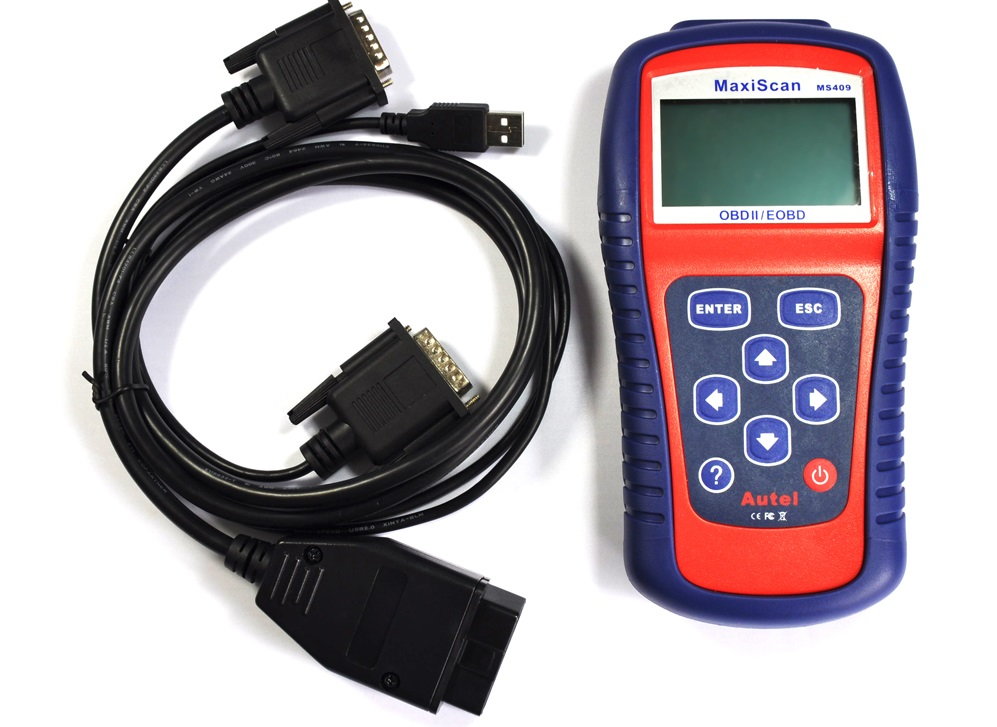
An OBD-II scanner is a tool that reads error codes from your Jeep’s computer. Plug the scanner into the port under the dashboard. Turn on the ignition but do not start the engine. The scanner will communicate with the vehicle and show the error codes. These codes help identify the issue behind the check engine light.
Many scanners come with simple instructions. Follow them to retrieve codes quickly. Some models even explain what each code means. This method is fast, easy, and very accurate for reading error codes.
Accessing Codes Without A Scanner
You can check error codes without a scanner by using the Jeep’s built-in system. Turn the ignition key to the “On” position without starting the engine. Press the gas pedal three times quickly within 10 seconds. Watch the check engine light; it will flash in a pattern.
Count the number of flashes to read the code. For example, two flashes followed by three flashes means code 23. Write down the codes and look them up online or in your manual. This method is free but may take more time and patience.
Interpreting Common Jeep Wrangler Codes
Some codes appear more often in Jeep Wranglers. P0171 means the engine runs too lean. P0300 indicates random misfires in cylinders. P0420 points to a catalytic converter problem. Knowing these common codes helps you decide if you can fix the issue yourself.
Use reliable sources to find the exact meaning of your codes. This knowledge guides you on whether to reset the light or see a mechanic. Correctly interpreting codes saves time and money on repairs.
Reset Methods
Resetting the check engine light on your Jeep Wrangler JK can be done in several ways. Each method helps clear the error codes that trigger the light. Choose the method that fits your tools and comfort level. Below are three common reset methods.
Disconnecting The Battery
Locate the negative battery terminal under the hood. Use a wrench to loosen the nut and remove the cable. Leave it disconnected for about 10 to 15 minutes. This cuts power and resets the vehicle’s computer. Reconnect the cable tightly and start your Jeep. The check engine light should be off if the issue is resolved.
Using An Obd-ii Scanner To Clear Codes
Plug the OBD-II scanner into the Jeep’s diagnostic port, usually under the dashboard. Turn on the ignition without starting the engine. Follow the scanner’s instructions to read the trouble codes. Choose the option to clear or erase codes. This method clears the check engine light immediately. It also helps identify problems early before resetting.
Waiting For Automatic Reset
The Jeep’s computer can reset the check engine light on its own. Drive normally for several trips, usually 20 to 30 miles each. The system will run self-tests and clear minor glitches. The light will go off if no issues remain. This method requires patience but avoids manual resets.
Resetting After Repairs
Resetting the check engine light after repairs is essential for your Jeep Wrangler JK. It confirms the repair worked and clears old alerts. The process varies depending on the specific service performed. Proper resetting helps avoid confusion and ensures accurate diagnostics if problems persist.
Resetting After Throttle Body Service
After cleaning or replacing the throttle body, the engine control unit needs recalibration. Turn the ignition key to the “ON” position without starting the engine. Wait about 10 seconds, then turn it off. Repeat this cycle three times to reset the throttle position sensor.
Start the engine and let it idle for a few minutes. This allows the system to relearn airflow settings. The check engine light should turn off if the throttle body was the issue. If it stays on, further diagnostics may be necessary.
Resetting After Thermostat Replacement
Replacing the thermostat often triggers a check engine light related to engine temperature. Disconnect the negative battery cable for about 10 minutes to clear stored trouble codes. This resets the engine control module.
Reconnect the battery and start the engine. Monitor the temperature gauge and check engine light. The light should turn off as the new thermostat regulates engine heat properly. If it does not, check for wiring or sensor faults.
Confirming Repairs Fixed The Issue
Drive the Jeep for at least 10 miles after resetting the light. This allows the system to complete its self-tests. Pay attention to engine performance and any warning lights.
If the check engine light returns, the problem may not be fully resolved. Use an OBD-II scanner to read the current codes. Address any new or existing issues promptly to avoid damage.
<!– wp:rank-math/faq-block {"questions":[{"id":"faq-question-655166926975","title":"How To Clear A Jeep Check Engine Light Without A Scanner?","content":"
Disconnect the negative battery cable for about 15 minutes, then reconnect it. This resets the Jeep’s computer and clears the check engine light.
“,”visible”:true},{“id”:”faq-question-ca5614bd103f”,”title”:”Can I Clear My Check Engine Light Myself?”,”content”:”You can clear your check engine light by disconnecting the negative battery cable for a few minutes. Use an OBD-II scanner to read and reset codes safely. Always fix the underlying issue before clearing the light to avoid repeated warnings.
“,”visible”:true},{“id”:”faq-question-28903b7cedf6″,”title”:”Will The Jeep Check Engine Light Reset Itself?”,”content”:”The Jeep check engine light may reset itself after fixing minor issues like a loose gas cap. Otherwise, manual reset is needed.
“,”visible”:true},{“id”:”faq-question-2295772336f9″,”title”:”How Do I Reset The Check Engine Light On A 2019 Jeep Wrangler?”,”content”:”To reset the check engine light on a 2019 Jeep Wrangler, disconnect the negative battery cable for a few minutes. Then, reconnect it while pressing the brake pedal.
nnnnThis clears the codes and resets the light. Always ensure the issue is fixed before resetting the light.
“,”visible”:true}]} –>How To Clear A Jeep Check Engine Light Without A Scanner?
Disconnect the negative battery cable for about 15 minutes, then reconnect it. This resets the Jeep’s computer and clears the check engine light.
Can I Clear My Check Engine Light Myself?
You can clear your check engine light by disconnecting the negative battery cable for a few minutes. Use an OBD-II scanner to read and reset codes safely. Always fix the underlying issue before clearing the light to avoid repeated warnings.
Will The Jeep Check Engine Light Reset Itself?
The Jeep check engine light may reset itself after fixing minor issues like a loose gas cap. Otherwise, manual reset is needed.
How Do I Reset The Check Engine Light On A 2019 Jeep Wrangler?
To reset the check engine light on a 2019 Jeep Wrangler, disconnect the negative battery cable for a few minutes. Then, reconnect it while pressing the brake pedal.
This clears the codes and resets the light. Always ensure the issue is fixed before resetting the light.
Conclusion
Resetting the check engine light on your Jeep Wrangler JK is simple and quick. You can disconnect the battery for a few minutes to clear the codes.
Using an OBD-II scanner also helps to read and reset the light safely.
Always fix the underlying issue before resetting the light. This keeps your Jeep running smoothly and avoids future problems.
Regular checks and basic maintenance protect your vehicle and save money. Stay safe and confident on the road by managing your Jeep's engine light properly.